
What treatment


4+ Leading Medical Clinics for Rehabilitation in South Korea
Trusted Medical Tourism Platform Since 2007
What are the best rehabilitation clinics in South Korea?
The top rehabilitation clinics in South Korea are: 1. Jaseng Hospital of Korean Medicine (Seoul), 2. Nanoori Hospital (Seoul), 3. Wooridul Hospital (Seoul, Busan, Daegu), 4. Gasan Medical Foundation Guangdong Hospital (Seoul), and 5. Gachon University Gil Medical Center (Incheon).
These facilities offer specialized procedures including spine care, ACL repair, artificial disc replacement, and dedicated pain rehabilitation programs. Notable centers like Wooridul Hospital are JCI-accredited to ensure international standards of care. Treatment and surgical costs typically range from $500 to $21,435 USD, depending on the complexity of the orthopedic or rehabilitation procedure.
.png)
 100.00% Patient Recommend
Jaseng Hospital of Korean Medicine


Overview
We have the enviable reputation of providing high quality and efficient non-surgical treatment and are prepared to provide treatment in a multitude of ways.
Read more details 100.00% Patient Recommend
Nanoori Hospital - Orthopedic Surgery in South Korea

Overview
Explore advanced orthopedic surgery in Seoul, South Korea at Nanoori Hospital for spine care, joint replacement, and sports injury treatment.
Read more details
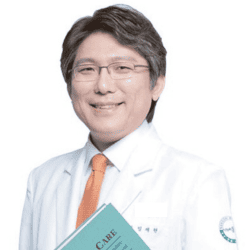
.png) 80.00% Patient Recommend
80.00% Patient Recommend
Wooridul Hospital
Overview
Seoul-based Wooridul Hospital is the first Korean JCI acredited hospital. Workplace of some of the best neurosurgeons and physicians in the world. Visit us and learn more about the world's leading spine hospital!
Read more details
St. Peters General Hospital in Seoul, South Korea
Overview
Specializing in advanced spinal and orthopedic care, Gangnam St. Peter’s Hospital offers patient-focused solutions.
Read more detailsDiscover your treatment options with a free, no-obligation quote!
Get your quote now! 100.00% Patient Recommend
Gasan Medical Foundation Guangdong Hospital
Overview
Gasan Medical Foundation Guangdong Hospital is a leading healthcare institution in Seoul, Korea, offering advanced medical services in various specialties, with a focus on patient care.
Read more details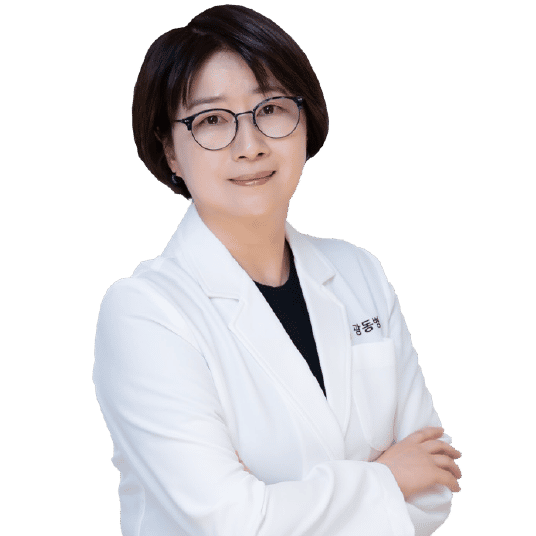
Authored by
Thomas Kroos
Thomas Kroos- Holistic Wellness & Rehabilitation Content Specialist Thomas Kroos is a dedicated wellness writer with 5+ years of experience and 1,000+ articles. He specializes in holistic healing modalities, including spiritual, mental, and physical health.

Reviewed by
Dr. Hector Mendoza
Discover Dr. Hector Mendoza, a leading addiction doctor in Tijuana, Mexico, specializing in detox, dual diagnosis, and integrative recovery therapies.
Last updated on
Why South Korea is the Premier Destination for Rehabilitation Care?
South Korea has established itself as a global powerhouse in advanced physical and neurological recovery. By combining cutting-edge robotics, AI-driven treatments, and holistic medical traditions, the country offers patients unparalleled Rehabilitation Care designed for maximum functional restoration.
Advanced Robotic & AI Therapy
South Korea leads the world in medical technology integration. Top rehabilitation hospitals utilize state-of-the-art robotic exoskeletons, Lokomat systems, and AI-assisted biofeedback to accelerate neuroplasticity. These technologies provide precise, repetitive movements that are critical for stroke and spinal cord injury recovery, achieving results traditional therapy cannot match.
East-Meets-West Integrative Care
Many South Korean rehabilitation centers uniquely integrate Western neuro-orthopedic science with traditional Korean medicine (TKM). Patients often benefit from a synergistic approach that includes advanced physiotherapy alongside acupuncture, herbal medicine, and Chuna manual therapy to manage pain, reduce inflammation, and stimulate nerve healing simultaneously.
Multidisciplinary Specialist Teams
Rehabilitation Care in South Korea is highly collaborative. A single patient's recovery is overseen by a coordinated team of neurologists, orthopedic surgeons, specialized physiotherapists, occupational therapists, and clinical nutritionists. This comprehensive inpatient approach ensures that every aspect of a patient's physical and cognitive recovery is continuously optimized.
Unmatched Inpatient Facilities
South Korean rehabilitation hospitals resemble high-end wellness resorts rather than clinical institutions. Designed to minimize patient stress and maximize focus on recovery, these centers offer premium private rooms, hydrotherapy pools, healing gardens, and dedicated international patient departments that provide 24/7 concierge and translation services.
Rehabilitation Care Costs in South Korea vs. United States (2026)
Compare projected 2026 pricing for comprehensive rehabilitation programs. South Korean medical centers offer transparent, all-inclusive packages that cover intensive daily therapy, specialized robotics, and premium inpatient accommodation.
| Procedure | South Korea Price | US / UK Price | You Save | Savings % |
|---|---|---|---|---|
| Inpatient Stroke Rehabilitation (4 Weeks) | $9,500–$14,000 | $35,000–$50,000 | $25,500+ | 72% |
| Post-Surgical Orthopedic Care (2 Weeks) | $3,500–$5,500 | $12,000–$18,000 | $8,500+ | 70% |
| Robotic-Assisted Gait Training (10 Sessions) | $1,800–$2,800 | $5,000–$8,500 | $3,200+ | 64% |
| Spinal Cord Injury Intensive Rehab (4 Weeks) | $11,000–$16,000 | $40,000–$60,000 | $29,000+ | 73% |
* Prices are 2026 estimates based on verified PlacidWay partner hospitals in South Korea. Total costs vary depending on the patient's functional level, the intensity of daily therapy hours, room type, and specific robotic or AI interventions required. Request a free quote for customized medical pricing.
Top South Korean Cities for Advanced Rehabilitation Care
While South Korea as a whole excels in medical innovation, different cities offer distinct advantages depending on your rehabilitation needs. Here is a look at the premier destinations for physical recovery.
Seoul
Global Medical Hub
The capital city is home to the most advanced, high-tech rehabilitation hospitals in Asia. Seoul is the optimal choice for patients requiring complex neurological recovery, offering immediate access to leading universities and pioneering robotic therapy systems.
Busan
Southern Port City
Known for its therapeutic seaside environment, Busan is highly sought after for long-term orthopedic and sports rehabilitation. Patients benefit from modern clinical care combined with the calming, stress-reducing atmosphere of ocean views and fresh sea air.
Daegu
"Medi-City"
Officially designated as a specialized healthcare city, Daegu excels in blending traditional Korean medicine with Western rehab protocols. It is the perfect destination for patients seeking holistic, integrative therapies alongside conventional physical training.
Incheon
International Gateway
Located adjacent to South Korea's main international airport, Incheon features modern "meditels" (medical hotels) and rapid-access rehab centers. It is incredibly convenient for patients with severe mobility issues who wish to minimize domestic travel upon arrival.
Comprehensive Rehabilitation Care Programs in South Korea
South Korean hospitals provide highly customized therapies ranging from early post-operative mobilization to intensive neuro-regeneration for chronic conditions.
Intensive Stroke Rehabilitation
$9,500 – $14,000 / monthA multi-faceted inpatient program designed to maximize neuroplasticity following a cerebrovascular event. Includes daily physical therapy, occupational therapy, speech-language pathology, and swallowing therapy, utilizing repetitive task-specific training to rebuild neural pathways.
Save $25,000+ vs. US prices
Robotic & AI-Assisted Physical Therapy
$1,800 – $2,800 / 10 sessionsUtilizes wearable exoskeletons and stationary robotic devices (like the Lokomat or Erigo) to assist patients with severe motor deficits. These machines provide perfect kinematic gait training, allowing paralyzed or extremely weak patients to safely perform thousands of highly accurate steps per session.
Save $3,200+ vs. US prices
Orthopedic & Post-Op Recovery
$3,500 – $5,500 / 2 weeksEssential for patients recovering from joint replacements, complex spinal fusions, or severe trauma. This program focuses on safe early mobilization, pain management, continuous passive motion (CPM), and hydrotherapy to restore joint range of motion and muscular strength safely.
Save $8,500+ vs. US prices
Integrative Sports Medicine Rehab
$2,500 – $4,500 / packageDesigned for professional and amateur athletes dealing with chronic injuries or post-surgical recovery. Combines advanced biomechanical analysis, shockwave therapy, cryotherapy, and targeted traditional Korean medicine (like specialized acupuncture) to accelerate tissue healing and return to play.
Save $5,500+ vs. US prices
How to Choose a Center for Rehabilitation Care in South Korea?
Selecting the right facility is critical to maximizing your functional recovery. Use this 5-step checklist to ensure you find a world-class rehabilitation hospital in South Korea.
Verify International Accreditations
Look for hospitals that hold JCI (Joint Commission International) accreditation or certification from the Korean Ministry of Health and Welfare. These credentials guarantee that the facility adheres to the strictest global standards for patient safety and clinical excellence.
Check for Multidisciplinary Expertise
Effective rehabilitation is never a one-person job. Ensure the center employs a full-time, multidisciplinary staff of rehabilitation medicine physicians (physiatrists), specialized physical therapists, occupational therapists, and clinical psychologists dedicated to your case.
Ask About Robotic and Tech Capabilities
If you are seeking neuro-rehabilitation, ask specifically about the hospital's robotic inventory. Elite Korean clinics will feature tools like the Lokomat, Erigo, or Armeo, which are essential for high-repetition, perfect-form movement training.
Review Inpatient Amenities and Support
Recovery takes time. Ensure the center offers comfortable private rooms, specialized dietary menus, and importantly, an active International Patient Center with dedicated English-speaking coordinators to assist you and your accompanying family members.
Utilize a Verified Medical Facilitator
Navigating a foreign healthcare system can be overwhelming. Rely on PlacidWay to connect you with strictly vetted, globally recognized rehabilitation centers in South Korea, ensuring you receive transparent pricing and world-class care.
Your Path to Recovery: Rehabilitation Care in South Korea
Understanding the process eliminates uncertainty. Here is the typical step-by-step journey for international patients seeking intensive rehabilitation in South Korea.
Step 1: Virtual Medical Assessment
Submit your medical records, surgical reports, and recent imaging to PlacidWay. A multidisciplinary team of South Korean specialists will review your case to determine your rehabilitation potential and propose a tailored, long-term care plan.
Step 2: Arrival & Comprehensive Evaluation
Upon arrival at the specialized hospital, you will undergo a rigorous physical, cognitive, and biomechanical assessment. The medical team will use precise diagnostic tools to establish baseline metrics and finalize your daily therapy schedule.
Step 3: Intensive Daily Therapy
You will engage in an intensive routine, typically involving 3 to 5 hours of structured therapy daily. This blends robotic-assisted movement, manual physiotherapy, occupational therapy, and potentially traditional Korean medical treatments to maximize healing.
Step 4: Progress Tracking & Optimization
South Korean centers excel at data-driven care. Utilizing AI software integrated with robotic machines, your clinical team will constantly monitor your muscular output and neurological response, adjusting your therapeutic workload weekly to prevent plateaus.
Step 5: Discharge & Home Care Strategy
Prior to returning home, your specialists will conduct a final assessment to document your functional gains. You will receive a detailed transition plan, including a customized home exercise program and video guidelines to maintain your progress post-discharge.
Rehabilitation Care in South Korea FAQ
Detailed answers to the most common questions from international patients regarding advanced physical and neurological recovery in South Korea.
What Patients Say About Rehabilitation Care in South Korea
Read firsthand accounts from international patients who achieved remarkable recoveries through intensive, technologically advanced programs in South Korea.
"After my stroke, my progress in the US plateaued entirely due to insurance only covering an hour of therapy a day. We flew to Seoul for their intense inpatient program. The combination of daily robotic gait training and dedicated therapists working with me four hours a day was life-changing. Two months later, I walked out of the hospital using only a cane."
"I traveled to Daegu following a complex spinal fusion that left me with severe nerve pain. Their integrative approach of modern physical therapy combined with traditional Korean pain management therapies was phenomenal. The international department made me feel completely at home, and the cost was a fraction of what extensive inpatient care would be in Europe."
Why Choose PlacidWay for Your Rehabilitation Journey?
Organizing long-term international medical care requires precise coordination and profound trust. PlacidWay connects you exclusively with globally accredited rehabilitation centers to ensure a seamless path to recovery.
Pre-Screened Rehabilitation Centers
We rigorously vet every South Korean hospital in our network to guarantee they possess high-level accreditations (like JCI), modern robotic technology, and dedicated multidisciplinary care teams.
Unbiased Medical Facilitation
We are an independent patient advocate. We provide you with transparent, side-by-side comparisons of various top-tier facilities so you can select the program that optimally aligns with your clinical needs and financial parameters.
Direct Specialist Communication
Before you commit to traveling, we facilitate secure tele-consultations between you and South Korea's leading physiatrists and neuro-specialists to formulate a comprehensive, tailored rehabilitation blueprint.
Comprehensive Patient Advocacy
From translating complex medical histories and MRI scans to coordinating with international patient departments regarding your daily care, our team acts as your dedicated advocate throughout your entire recovery.
Rebuild Your Strength and Regain Your Independence
Do not let limited therapy options hinder your recovery potential. Access world-class, robotic-assisted Rehabilitation Care in South Korea and save up to 70% compared to equivalent Western programs. Connect with leading specialists today.
Get Free QuoteDisclaimer: PlacidWay is a medical tourism facilitator and does not provide medical advice, diagnosis, or treatment. We connect patients with independently verified clinics abroad. Always consult with a qualified healthcare provider regarding your specific medical condition.
Share with AI
Share this page with AI assistants to get summaries and insights


List of Best Rehabilitation Clinics in South Korea
Explore Rehabilitation: Stories, Testimonials, and Procedures
Watch in-depth videos covering everything from Rehabilitation success stories to detailed procedure explanations. Learn what to expect and hear from real patients.

Vestibular Rehabilitation Therapy in Seoul, South Korea by Guangdong Hospital
Rehabilitation
Gasan Medical Foundation Guangdong Hospital
South Korea
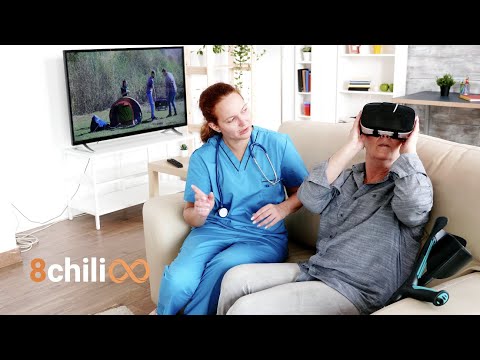
Transforming Rehabilitation with the 8Chili V-Roo Platform in Bengaluru, India
Rehabilitation
GIOSTAR Hospital Bengaluru
India
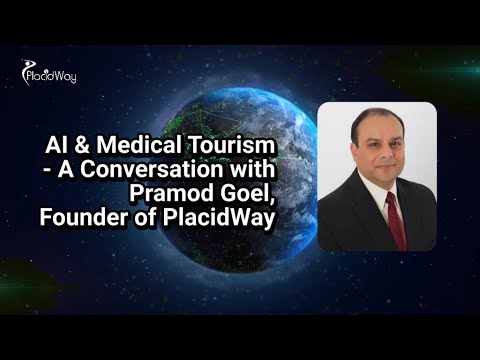
Pramod Goel, CEO of PlacidWay Medical Tourism Interview: How AI is Transforming Patient Journeys
Rehabilitation
PlacidWay Medical Tourism
India

V-Roo Virtual Reality (VR) Rehabilitation in Bengaluru India
Rehabilitation
GIOSTAR Hospital Bengaluru
India
Unlock the Best Rehabilitation Packages Just for You
Discover the ultimate Rehabilitation packages designed to meet your health and wellness goals. Choose the perfect fit for your journey.

Price starting from $2,300
Comprehensive Degenerative Disease Treatment Program in Famagusta, Cyprus by Romatem
Romatem - Cyprus Physical Therapy and Rehabilitation
- Rehabilitation
Famagusta, Cyprus
Price starting from $500
Pain Rehabilitation Package in Seoul, South Korea by Guangdong Hospital
Gasan Medical Foundation Guangdong Hospital
- Rehabilitation
Seoul, South Korea
Price starting from $3,000
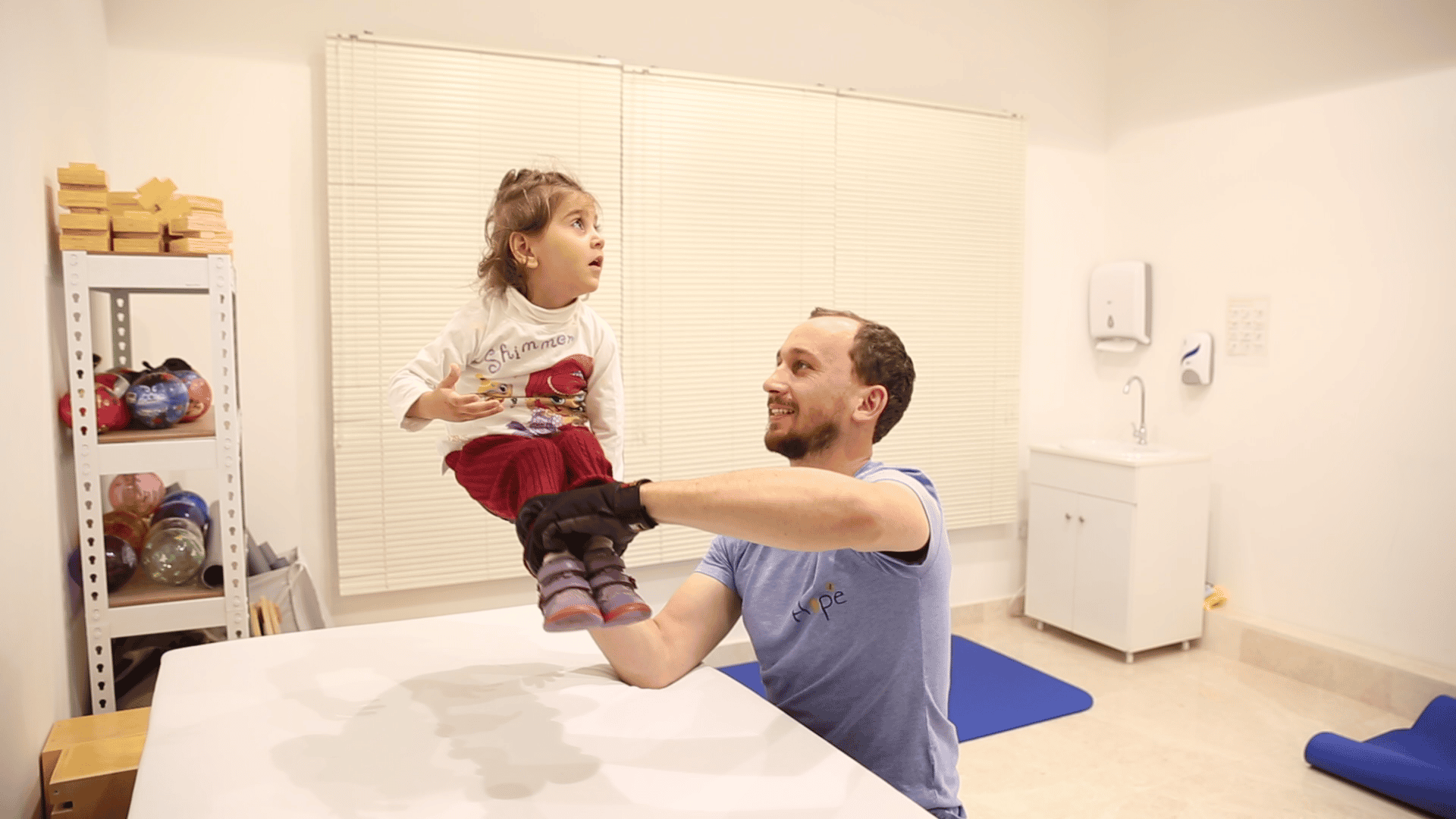
Pediatric Intensive Therapy
Hope AMC - Rehabilitation and Pediatric Therapy in Dubai
- Rehabilitation
Dubai, UAE
Price starting from $2,100
Rehabilitation Package in Konya, Turkey by Fizikon Medical Center
Fizikon Medical Center
- Rehabilitation
Konya, Turkey








Dr Royer is a very competent doctor and was able to convince me of his therapeutic approach straight away. I would be happy to come back!
Read More