
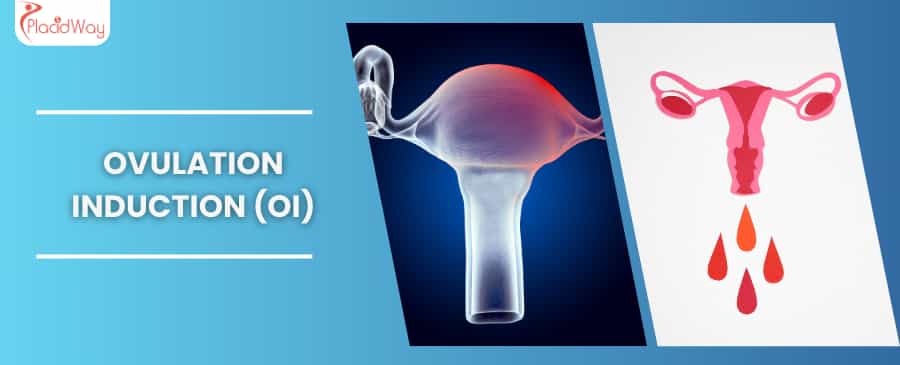
Ignite Your Fertility: Understanding Ovulation Induction for Your Path to Parenthood
Embarking on the journey to parenthood is often filled with hope, but for many, it can also present unique challenges. If you're struggling with irregular or absent ovulation, a common cause of infertility, you're not alone. Ovulation Induction (OI) is a highly effective fertility treatment designed to gently stimulate your ovaries, helping them release healthy eggs and significantly increasing your chances of conception. This treatment can be a beacon of hope for individuals and couples dreaming of starting or expanding their family.
Ovulation Induction involves the carefully monitored use of fertility medications to regulate or enhance your ovulatory cycle. Whether your ovulation is inconsistent, unpredictable, or non-existent, OI can help normalize this crucial biological process. It's a foundational step in many fertility plans and is often the first line of treatment before considering more advanced options like IVF. The goal is simple: to optimize your chances of pregnancy by ensuring regular, healthy ovulation.
For those exploring options, especially when local costs are prohibitive or wait times are long, considering Ovulation Induction abroad through medical tourism can open up a world of possibilities. Imagine combining high-quality, affordable fertility care with the opportunity to travel and rejuvenate, all while taking a significant step towards your dream of a family. This comprehensive guide will walk you through everything you need to know about Ovulation Induction, from how it works and its different types to the compelling reasons why medical tourism might be the perfect choice for your fertility journey.
Understanding Ovulation Induction: What Is It?
At its core, Ovulation Induction (OI) is a medical procedure designed to help women ovulate. Ovulation is the process where a mature egg is released from the ovary, ready to be fertilized. For some women, hormonal imbalances, conditions like Polycystic Ovary Syndrome (PCOS), or unexplained factors can disrupt this natural cycle, leading to irregular or absent ovulation (anovulation). OI addresses this by using specific medications to regulate the hormonal signals that control egg development and release.
Think of your ovaries like a garden that sometimes needs a little boost to bloom. Ovulation Induction provides that boost. The treatment carefully orchestrates your body's natural processes, monitoring follicular growth to ensure that eggs develop to the right size before triggering their release. This precise timing is crucial for maximizing the chances of conception, whether through natural intercourse, Intrauterine Insemination (IUI), or as a preparatory step for In Vitro Fertilization (IVF).
Who Benefits Most? Ideal Candidates for Ovulation Induction
Ovulation Induction is primarily recommended for women who are not ovulating regularly or at all. The most common conditions making someone an ideal candidate include:
- Polycystic Ovary Syndrome (PCOS): This hormonal disorder is a leading cause of irregular ovulation, and OI is often a highly effective first-line treatment.
- Hypothalamic Amenorrhea: Caused by low body weight, excessive exercise, or stress, leading to a lack of menstruation and ovulation.
- Unexplained Infertility: In some cases, OI may be tried even when the cause of infertility isn't clearly identified, to optimize ovulatory function.
- Luteal Phase Defect: Where the uterine lining isn't properly prepared for embryo implantation due to insufficient progesterone after ovulation.
Beyond irregular ovulation, other important criteria for successful OI include having at least one open and healthy fallopian tube, as verified by tests like an HSG (Hysterosalpingogram), and a male partner with good sperm quality. If these conditions aren't met, other fertility treatments might be more appropriate. A thorough fertility evaluation by a specialist is essential to determine if OI is the right path for you.
Exploring Your Options: What Are the Types of Ovulation Induction?
The type of Ovulation Induction prescribed depends on various factors, including the cause of anovulation, a woman's age, and previous responses to treatment. Here are the main approaches:
-
Oral Medications:
- Clomiphene Citrate (Clomid or Serophene): This is often the first-line treatment. Clomid works by blocking estrogen receptors in the brain, tricking the body into thinking estrogen levels are low. This stimulates the pituitary gland to release more Follicle-Stimulating Hormone (FSH) and Luteinizing Hormone (LH), which encourages the ovaries to produce and release eggs. It's typically taken for five days early in the menstrual cycle.
- Letrozole (Femara): An aromatase inhibitor, Letrozole reduces estrogen production, which in turn causes the pituitary gland to release more FSH. It's increasingly popular, especially for women with PCOS, as it may have a lower risk of multiple pregnancies and ovarian hyperstimulation syndrome (OHSS) compared to Clomid. Like Clomid, it's usually taken for five days early in the cycle.
-
Injectable Gonadotropins:
- These medications contain FSH (e.g., Gonal-F, Follistim) and sometimes LH (e.g., Menopur). They directly stimulate the ovaries to produce multiple follicles (sacs containing eggs). Gonadotropins are more potent than oral medications and are often used when oral drugs haven't been successful, or when more precise control over ovulation is needed, especially for IUI cycles or as part of IVF. These are given daily via injection, requiring closer monitoring to prevent overstimulation.
-
Trigger Shot (hCG):
- Once follicles reach a mature size (monitored by ultrasound), a "trigger shot" of Human Chorionic Gonadotropin (hCG) is often administered. This hormone mimics the natural LH surge, prompting the final maturation and release of the egg(s) approximately 36 hours later. This allows for precise timing of intercourse or IUI.
Each treatment protocol is highly individualized. Your fertility specialist will determine the most suitable type and dosage based on your diagnostic results and response, ensuring the safest and most effective approach for your unique situation. Regular monitoring via ultrasound and blood tests is crucial throughout any OI cycle to track follicle growth and hormone levels.
What Are the Medications Used in Ovulation Induction?
The medications used in Ovulation Induction are carefully selected to encourage the ovaries to produce and release eggs. Understanding these drugs can help you feel more prepared for your treatment journey:
- Clomiphene Citrate (Clomid): This oral medication has been a cornerstone of fertility treatment for decades. It works by making your brain think your estrogen levels are low, which in turn prompts the release of more Follicle-Stimulating Hormone (FSH) and Luteinizing Hormone (LH). These hormones are vital for stimulating the growth of follicles in your ovaries. Clomid is usually taken for five days at the beginning of your menstrual cycle.
- Letrozole (Femara): Another oral medication, Letrozole, is increasingly used, especially for women with PCOS. It's an aromatase inhibitor, meaning it temporarily blocks an enzyme involved in estrogen production. This temporary drop in estrogen leads to an increase in FSH, stimulating follicle growth. Letrozole is often favored for its potentially lower risk of multiple births and ovarian hyperstimulation compared to Clomid.
- Gonadotropins (FSH/LH injections): These are injectable hormones that directly stimulate the ovaries. Examples include Gonal-F, Follistim (pure FSH), and Menopur (FSH and LH). Gonadotropins are more powerful than oral medications and are used when oral drugs haven't been effective, or when a more robust ovarian response is desired, for instance, in preparation for IUI or IVF. These require daily injections and close monitoring.
- Human Chorionic Gonadotropin (hCG) "Trigger Shot": Once follicles have matured, an hCG injection (e.g., Ovidrel) is given to trigger the final maturation and release of the egg(s). This shot ensures that ovulation occurs at a predictable time, allowing for precise timing of intercourse or IUI, typically 36 hours after the injection.
Your doctor will determine the most appropriate medication and dosage based on your individual diagnostic profile, medical history, and how your body responds to treatment. Close monitoring with ultrasounds and blood tests is crucial to ensure the medications are working effectively and safely.
Navigating the Journey: What to Expect During Ovulation Induction Treatment?
Undergoing Ovulation Induction involves a structured process designed for precision and effectiveness:
- Initial Consultation & Diagnostics: Your journey begins with a comprehensive consultation and a series of diagnostic tests. These might include blood tests to check hormone levels (FSH, LH, estrogen, progesterone, AMH), an ultrasound to assess ovarian health, and a semen analysis for your partner. This helps your fertility specialist understand the cause of your infertility and tailor the treatment plan.
- Medication Cycle: Based on your diagnosis, you'll start a course of oral medication (Clomid or Letrozole) or injectable gonadotropins, usually early in your menstrual cycle. These medications stimulate the ovaries to develop one or more mature follicles.
- Monitoring: This is a critical phase. You will have regular appointments for transvaginal ultrasounds and blood tests. Ultrasounds track the growth and number of follicles in your ovaries, while blood tests measure hormone levels (especially estrogen) to assess ovarian response and predict ovulation. This monitoring prevents overstimulation and determines the optimal timing for egg release.
- Trigger Shot (if needed): Once your follicles reach a mature size, your doctor may administer an hCG injection. This "trigger shot" mimics the natural LH surge, signaling your ovaries to release the egg(s) approximately 36 hours later.
- Timed Intercourse or IUI: Following the trigger shot (or natural ovulation), you will be advised to have timed intercourse or undergo an Intrauterine Insemination (IUI) procedure. IUI involves placing a concentrated sample of sperm directly into the uterus, increasing the chances of fertilization.
- Pregnancy Test: Approximately two weeks after ovulation/IUI, you'll take a pregnancy test to see if the treatment was successful.
The entire process typically spans one menstrual cycle, from the start of medication to the pregnancy test. It requires commitment to appointments and adherence to medication schedules, but each step is a move closer to achieving your dream of conception.
Potential Side Effects and Risks of Ovulation Induction
While Ovulation Induction is generally safe and effective, it's important to be aware of potential side effects and risks:
-
Common Side Effects (usually mild):
- Hot Flashes: Particularly common with Clomid.
- Mood Swings and Irritability: Hormonal fluctuations can affect emotions.
- Headaches: Mild to moderate headaches can occur.
- Nausea and Bloating: Abdominal discomfort is relatively common.
- Breast Tenderness: Similar to premenstrual symptoms.
- Blurred Vision: (Rare with Clomid, but report immediately if experienced).
- Injection Site Reactions: For gonadotropins, mild bruising or soreness at the injection site.
-
More Significant Risks:
- Multiple Pregnancies: The most common and significant risk. Stimulating the ovaries can lead to the release of more than one egg, increasing the chance of twins, triplets, or higher-order multiples. While some couples might welcome twins, multiple pregnancies carry higher risks for both mother and babies (e.g., premature birth, low birth weight, gestational diabetes). The risk varies with the medication used, with gonadotropins having a higher multiple birth rate than oral medications.
- Ovarian Hyperstimulation Syndrome (OHSS): This occurs when the ovaries overreact to fertility medications, becoming swollen and painful. Mild OHSS symptoms include bloating and abdominal discomfort. Severe OHSS, though rare, can be serious, leading to fluid accumulation in the abdomen and chest, kidney problems, and blood clots. Close monitoring during treatment significantly reduces the risk of severe OHSS.
- Ectopic Pregnancy: A slight, but elevated, risk compared to natural conception, where the fertilized egg implants outside the uterus, usually in the fallopian tube.
Your fertility specialist will carefully monitor your response to medication to minimize these risks. It's crucial to report any unusual or severe symptoms immediately during your treatment cycle.
Considering Medical Tourism for Ovulation Induction: Why Go Abroad?
For many individuals and couples, the idea of seeking medical treatment abroad might initially seem daunting, but for fertility treatments like Ovulation Induction, it offers compelling advantages:
- Cost-Effectiveness: This is often the primary driver. Fertility treatments, including medications and monitoring, can be exceptionally expensive in countries like the US, Canada, or the UK. Medical tourism can offer the same high-quality care at a fraction of the cost, making treatment accessible to those who might otherwise be priced out.
- Access to Advanced Facilities & Expertise: Many international clinics specialize in fertility treatments, boasting state-of-the-art technology and highly experienced fertility specialists. These clinics often attract top talent and maintain high success rates, adhering to international medical standards.
- Reduced Wait Times: In some countries, public healthcare systems or popular clinics can have long waiting lists for fertility treatments. Traveling abroad can mean immediate access to care, allowing you to start your journey to parenthood sooner.
- Privacy and Discretion: For some, undergoing fertility treatment away from home provides a level of privacy and discretion that can be comforting. It allows couples to focus on their treatment without the added pressure of local social circles.
- Combining Treatment with Travel: The opportunity to combine your medical journey with a relaxing vacation can reduce stress, which is often beneficial for fertility. Imagine recovering in a beautiful, tranquil setting, providing a more positive overall experience.
Medical tourism for Ovulation Induction isn't just about saving money; it's about expanding your options, accessing excellent care, and enhancing your overall journey towards building a family.
How Much Does Ovulation Induction Cost Worldwide?
The cost of Ovulation Induction can fluctuate wildly depending on the country, the clinic, the type of medication used (oral vs. injectables), and the extent of monitoring required. This variation is a key reason why many patients consider medical tourism. Here's a general comparison to give you an idea:
Estimated Ovulation Induction Cost Comparison (Single Cycle, excluding IUI)
| Country | Estimated Cost Range (USD) | Notes |
|---|---|---|
| USA | $1,000 - $5,000+ | Higher end for injectables and extensive monitoring; often not covered by insurance. |
| Canada | $500 - $3,000+ | Costs can vary by province; medications may be extra. |
| UK | £400 - £2,000 ($500 - $2,500) | Often requires private treatment as NHS coverage is limited. |
| Mexico | $300 - $1,500 | Excellent value; popular for US patients seeking affordable options. |
| Turkey | $400 - $1,800 | Growing medical tourism hub with high-quality clinics. |
| India | $250 - $1,200 | Very competitive pricing with well-established fertility centers. |
| Thailand | $500 - $2,000 | Known for advanced medical facilities and services. |
| Spain | €400 - €1,500 ($450 - $1,700) | Popular European destination with strong fertility laws and clinics. |
These figures are estimates and can change. They generally include the cost of medications and monitoring (ultrasounds and blood tests) for one cycle. Additional procedures like IUI would be an extra cost. Always request a detailed quote from clinics, including all potential expenses, before making a decision.
Top Destinations for Affordable Ovulation Induction Treatment
When considering medical tourism for Ovulation Induction, certain countries consistently stand out for offering a combination of affordability, quality care, and positive patient experiences:
- Mexico: A top choice for North American patients due to its proximity, excellent clinics, and substantially lower costs. Cities like Cancun, Tijuana, and Guadalajara have reputable fertility centers.
- Turkey: Istanbul and Ankara boast modern hospitals and fertility clinics that attract patients from Europe, the Middle East, and beyond. They offer advanced treatments at highly competitive prices.
- India: Renowned for its well-established medical tourism infrastructure, India provides state-of-the-art fertility treatments at some of the lowest prices globally, particularly in cities like Mumbai, Delhi, and Chennai.
- Thailand: Known for its exceptional hospitality and advanced medical facilities, particularly in Bangkok and Phuket. Thailand offers a compelling blend of high-quality care and a pleasant travel experience.
- Spain: A popular European destination with a strong regulatory framework for fertility treatments and highly respected clinics in cities like Barcelona and Madrid. It offers competitive pricing compared to Northern Europe or the US.
These destinations not only offer financial advantages but also provide a cultural experience, allowing patients to combine their treatment with travel, potentially reducing stress and improving their overall well-being during a sensitive time.
Ensuring Quality and Safety: Choosing an International Fertility Clinic
Choosing a fertility clinic abroad requires careful due diligence to ensure you receive safe, high-quality care. Here are key factors to consider:
- Accreditation and Certification: Look for clinics accredited by international bodies (e.g., JCI - Joint Commission International) or recognized by national health ministries. This signifies adherence to stringent quality and safety standards.
- Doctor's Qualifications and Experience: Research the fertility specialists. Ensure they are board-certified, have extensive experience in Ovulation Induction and reproductive medicine, and are members of reputable professional organizations (e.g., ESHRE, ASRM).
- Clinic's Success Rates: While success rates can vary based on patient demographics, ask for the clinic's published success rates for similar cases to yours. Be wary of clinics that promise unreasonably high rates.
- Technology and Facilities: Verify that the clinic uses modern equipment and adheres to best practices in fertility treatment and laboratory standards.
- Transparent Communication: The clinic should offer clear, empathetic communication in a language you understand. They should be transparent about treatment plans, costs, and potential risks. Don't hesitate to ask questions.
- Patient Reviews and Testimonials: Seek out independent patient reviews and testimonials. Platforms like PlacidWay can provide verified feedback and connect you with clinics that have a strong track record.
- Support Services: Consider if the clinic offers assistance with travel logistics, accommodation, and language interpretation, which can significantly ease the medical tourism experience.
Don't rush your decision. Take your time to research, compare options, and if possible, arrange virtual consultations with a few clinics to find the best fit for your needs and comfort level.
Planning Your Fertility Journey: What to Expect During Medical Travel for OI?
Planning your medical trip for Ovulation Induction is a multi-step process that, when managed well, can be smooth and stress-free:
- Initial Remote Consultation: Begin with a virtual consultation with an international fertility specialist. Share your medical history, diagnostic reports, and discuss your treatment goals. The clinic will help determine your eligibility for OI and create a preliminary treatment plan.
- Treatment Plan and Quote: Receive a detailed treatment plan, including medication protocols, monitoring schedule, and a comprehensive cost estimate covering all aspects of your OI cycle. This is where you can clarify any hidden costs.
- Travel Arrangements: Once you decide on a clinic, coordinate your travel dates with their schedule. Book flights and accommodation. Many clinics or medical tourism facilitators like PlacidWay can assist with these arrangements, sometimes offering discounted rates or specific patient packages.
- Visa and Documentation: Check visa requirements for your chosen destination. Ensure all necessary medical records are translated and readily available for your appointment.
- On-site Treatment: Upon arrival, you'll undergo an initial assessment, followed by medication administration and regular monitoring (ultrasounds and blood tests). The duration of your stay will depend on the OI protocol, but typically ranges from a few days for oral medications to one to two weeks for injectable cycles with monitoring and trigger shot.
- Post-Treatment Care: After the trigger shot and timed intercourse or IUI, you may return home to await your pregnancy test results, or some patients might choose to stay for a short recovery period. Ensure you have clear instructions for post-treatment care and who to contact for follow-up questions.
Effective planning and communication with both your chosen clinic and a medical tourism facilitator are key to a successful and comfortable Ovulation Induction journey abroad.
What Are the Success Rates of Ovulation Induction?
The success rate of Ovulation Induction can vary significantly based on several factors, making it important to have realistic expectations. Key factors influencing success include:
- Underlying Cause of Infertility: Women with conditions like PCOS, who primarily need help with ovulation, generally have good success rates. If there are other fertility factors (e.g., male factor infertility, tubal issues), success rates may be lower.
- Age: A woman's age is one of the most critical factors, as egg quality and quantity naturally decline with age. Younger women typically have higher success rates.
-
Type of Medication:
- Oral Medications (Clomid/Letrozole): When used with timed intercourse, success rates per cycle typically range from 10-15%. When combined with IUI, these rates can increase slightly, around 15-20% per cycle. Many pregnancies occur within the first 3-6 cycles of treatment.
- Injectable Gonadotropins: These tend to have slightly higher success rates per cycle, often around 15-25%, especially when combined with IUI, due to their more direct and potent stimulation of the ovaries. However, they also carry a higher risk of multiples.
- Number of Follicles: Releasing 1-2 mature follicles generally yields the best balance between pregnancy rates and minimizing the risk of high-order multiple pregnancies.
- Sperm Quality: The quality of the male partner's sperm plays a crucial role in overall conception rates.
It's important to understand that Ovulation Induction is often a process that may require several cycles. A single cycle of OI doesn't guarantee pregnancy, but it significantly improves the chances for those who struggle with ovulation. Your fertility specialist will discuss realistic success rates specific to your case and help you decide the next steps if OI is not successful after a few cycles.
Take the Next Step with PlacidWay
Ready to take the crucial step towards building your family? Your journey to successful Ovulation Induction is within reach. Explore top-rated international fertility clinics, compare treatment options and prices, and get a free, personalized quote for your Ovulation Induction treatment with PlacidWay. Let us help you plan a seamless and hopeful medical travel experience. Connect with our expert team today and make your dream of parenthood a reality!
Fertility Treatment Abroad, Best Fertility Clinics


.jpg)
.jpg)


Share this listing