
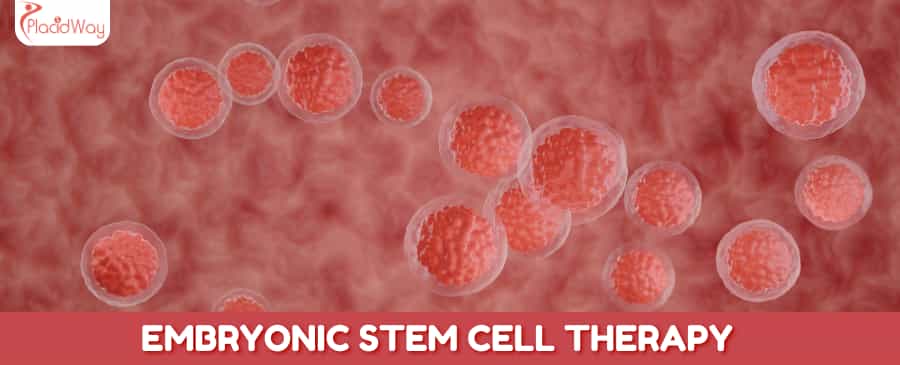
Navigating Embryonic Stem Cell Therapy: A Global Treatment Guide
Facing a challenging medical condition can feel isolating, and for many, the hope of innovative treatments like Embryonic Stem Cell Therapy (ESCT) offers a beacon of possibilities. Perhaps you've extensively researched your condition, encountered limitations with conventional medicine, and are now exploring advanced regenerative options. Embryonic Stem Cell Therapy involves using stem cells derived from human embryos, which possess the unique ability to differentiate into virtually any cell type in the body. This remarkable plasticity holds immense promise for regenerating damaged tissues, replacing diseased cells, and potentially treating a wide array of conditions that currently have limited therapeutic solutions.
Patients worldwide are increasingly looking beyond their borders to access cutting-edge treatments like ESCT, driven by factors such as cost, availability, and legal considerations. You might be asking, "What diseases can embryonic stem cells treat?" or "Is embryonic stem cell therapy safe and legal?" This comprehensive guide aims to address these crucial questions, offering a clear, empathetic, and factual overview of ESCT. We'll delve into the science, explore the conditions it targets, discuss the process, and provide essential information for those considering this highly specialized therapy abroad.
While still largely experimental and subject to rigorous ethical and scientific debate, ESCT represents a frontier in regenerative medicine. Conditions such as spinal cord injuries, Parkinson's disease, diabetes, heart disease, and certain autoimmune disorders are among the primary targets for current research and early clinical trials. The journey to understanding and potentially undergoing ESCT requires careful consideration, thorough research, and a clear understanding of both its potential benefits and inherent risks.
What diseases can embryonic stem cell therapy treat?
Embryonic Stem Cell Therapy holds considerable promise for conditions where damaged or diseased cells need to be replaced or repaired. The unique ability of embryonic stem cells (ESCs) to differentiate into any cell type makes them a versatile tool in regenerative medicine. While many applications are still in the experimental phase, ongoing research and some early clinical trials focus on:
- Neurological Disorders: Conditions like Parkinson's disease, which involves the loss of dopamine-producing neurons; Alzheimer's disease; Huntington's disease; and stroke-related brain damage. ESCT aims to replace lost neurons or support existing ones.
- Spinal Cord Injuries: By introducing ESCs that can differentiate into nerve cells or supporting glia, the goal is to bridge damaged areas, promote regeneration, and restore neurological function.
- Type 1 Diabetes: ESCT could potentially generate insulin-producing pancreatic beta cells, offering a curative approach for individuals whose immune system has destroyed these cells.
- Heart Disease: Following a heart attack, ESCT might help replace damaged heart muscle cells, improving cardiac function and reducing scar tissue.
- Autoimmune Diseases: Researchers are exploring how ESCs could modulate the immune system, potentially treating conditions like multiple sclerosis or rheumatoid arthritis by repairing damaged tissues and re-educating immune responses.
- Ophthalmological Conditions: Macular degeneration and other forms of vision loss where retinal cells are damaged could benefit from replacement using ESC-derived cells.
It's crucial to understand that while these applications are exciting, ESCT is not a widely approved or standard treatment for most of these conditions. Many therapies are still in various stages of clinical trials, and patients should approach claims of definitive cures with caution, seeking treatment only from reputable, ethically sound institutions.
What causes conditions that embryonic stem cell therapy aims to treat?
The conditions ESCT seeks to address are diverse in their origins, but they commonly share a fundamental problem: the loss, damage, or malfunction of specific cell types, leading to impaired tissue or organ function. Understanding these causes helps illuminate why regenerative approaches like ESCT are being pursued:
- Genetic Predisposition: Many neurological disorders, like Huntington's or certain forms of Parkinson's, have a strong genetic component, where inherited mutations lead to the premature death of specific neuron populations. Type 1 diabetes is also linked to genetic factors influencing autoimmune attack.
- Autoimmune Attacks: In conditions such as multiple sclerosis (MS) or Type 1 diabetes, the body's immune system mistakenly attacks and destroys its own healthy cells (e.g., myelin sheaths in MS, insulin-producing beta cells in diabetes).
- Traumatic Injury: Spinal cord injuries are a prime example, where physical trauma severs nerve connections, leading to paralysis. Severe burns also result in extensive skin cell loss.
- Degenerative Processes: Age-related wear and tear, coupled with environmental factors, contribute to diseases like Parkinson's (loss of dopaminergic neurons), Alzheimer's (neuronal degeneration), and macular degeneration (retinal cell loss).
- Inflammation and Ischemia: Chronic inflammation or lack of blood flow (ischemia), as seen after a heart attack, can lead to irreversible tissue damage and cell death.
- Environmental Factors and Toxins: While not always the sole cause, environmental exposures can exacerbate genetic predispositions or directly damage cells, contributing to disease progression.
By providing a source of healthy, functional cells that can integrate into the host tissue, ESCT attempts to counteract these underlying causes of cellular depletion or dysfunction, thereby restoring function or slowing disease progression.
What are the different types of embryonic stem cell treatments available?
While the core principle of ESCT involves using pluripotent embryonic stem cells, the "types" of treatments available typically refer to the specific cell lineages that ESCs are differentiated into before transplantation, and the method of delivery to target a particular condition. It's not usually about fundamentally different kinds of ESCs, but rather how they are prepared and applied:
- Direct Cell Transplantation: This is the most common approach. ESCs are first guided in the laboratory to differentiate into a specific cell type relevant to the disease (e.g., dopaminergic neurons for Parkinson's, oligodendrocytes for MS, insulin-producing cells for diabetes). These differentiated cells are then directly injected or surgically implanted into the patient's damaged tissue or organ.
- Immunomodulatory Therapy: In some experimental contexts, ESCT might aim to modulate the immune system rather than just replace cells. This could involve introducing cells that secrete anti-inflammatory factors or re-educating immune cells to prevent autoimmune attacks.
- Gene Editing with ESCs: A highly experimental frontier involves using gene-edited ESCs. This could mean correcting genetic defects within the ESCs themselves before differentiation and transplantation, or using them as delivery vehicles for therapeutic genes.
The "availability" of these treatments is critical. Legitimate, peer-reviewed clinical trials for ESCT are highly specific regarding the condition, the type of cells used, and the patient population. Unproven therapies offered by some clinics abroad may not adhere to these scientific and ethical standards, often using undefined cell mixtures or unverified protocols.
Who is eligible for embryonic stem cell therapy?
Eligibility for any legitimate, ethically sound Embryonic Stem Cell Therapy is extremely stringent, particularly for therapies that are still in experimental or clinical trial phases. Unlike routine medical procedures, ESCT is not a widely available treatment, and specific criteria must be met:
- Specific Diagnosis: Patients must have a confirmed diagnosis of the particular condition being targeted by the ESCT protocol (e.g., a specific stage of Parkinson's, a defined type of spinal cord injury).
- Disease Progression: The stage and progression of the disease are critical. Some trials may target early stages, while others might focus on more advanced cases where conventional treatments have failed.
- Overall Health: Patients must be in good enough general health to undergo the procedure, including anesthesia and potential immunosuppression. Co-morbidities like severe heart disease, kidney failure, or active infections typically exclude candidates.
- Age Restrictions: Many clinical trials have age limits, as immune responses and recovery capabilities can vary significantly with age.
- Immunological Compatibility: While ESCs are often used in an immunoprivileged state or with immunosuppression, some protocols might require specific tissue matching.
- Absence of Cancer or Infection: Patients with active cancer or uncontrolled infections are generally excluded due to the potential risks of cell proliferation or exacerbating the infection.
- No Other Effective Treatments: Often, patients considered for ESCT are those for whom conventional therapies have been exhausted or are ineffective.
- Informed Consent and Ethical Review: Given the experimental and ethical considerations, full informed consent is paramount, and cases are usually reviewed by independent ethics committees.
Any clinic offering ESCT without a thorough and transparent eligibility screening process should be approached with extreme caution, as it may indicate a lack of adherence to established medical research standards.
What is the recovery time and what should I expect after embryonic stem cell treatment?
Given the experimental nature and varying procedures involved in Embryonic Stem Cell Therapy, precise recovery times and expectations can differ significantly. However, some general principles apply:
- Initial Post-Procedure Period: Patients typically require a hospital stay for several days to a week following the cell transplantation, allowing medical staff to monitor for immediate complications like infection, adverse reactions to anesthesia, or initial immune responses.
- Managing Immunosuppression: Because embryonic stem cells are allogeneic (from a donor), patients will often require immunosuppressive drugs to prevent their body from rejecting the transplanted cells. This regimen can last for an extended period, potentially lifelong, requiring careful monitoring to balance preventing rejection with minimizing infection risk.
- Gradual Improvement, Not Instant Cure: ESCT is a regenerative process, meaning any potential benefits are likely to manifest gradually over weeks, months, or even longer, as the transplanted cells integrate, differentiate, and begin to exert their therapeutic effects. Patients should manage expectations and understand that dramatic, immediate changes are unlikely.
- Rehabilitation and Follow-up: Depending on the treated condition (e.g., spinal cord injury), extensive physical or occupational therapy might be necessary to maximize functional recovery. Regular, long-term follow-up with the treating physicians and specialists is crucial to assess progress, monitor for side effects, and adjust medications.
- Potential for Tumors (Teratomas): A significant risk with ESCT is the formation of teratomas – benign or malignant tumors that arise from pluripotent stem cells. Patients will need regular screening for this potential complication, underscoring the importance of careful cell differentiation before transplantation.
Patients should expect a journey of ongoing care and monitoring, rather than a one-time treatment followed by complete recovery. Open communication with the medical team about expectations and progress is vital.
What are the procedure risks and side effects of embryonic stem cell therapy?
Embryonic Stem Cell Therapy, particularly given its experimental status, carries several significant risks and potential side effects that patients must be fully aware of before considering treatment:
- Tumor Formation (Teratomas): This is one of the most serious and well-documented risks. If even a small number of undifferentiated ESCs are transplanted, they can proliferate uncontrollably and form teratomas – a type of tumor containing various tissue types (hair, bone, muscle, etc.). While often benign, they can be malignant and cause severe complications.
- Immune Rejection: Since ESCs are typically allogeneic (from a donor), the recipient's immune system may recognize them as foreign and launch an attack, destroying the transplanted cells. This necessitates the use of powerful immunosuppressive drugs, which themselves carry risks of increased infection, kidney damage, and certain cancers.
- Infection: Any invasive procedure carries a risk of infection. With ESCT, there's also the theoretical risk of transmitting pathogens from the donor embryonic cells, though rigorous screening protocols aim to minimize this.
- Surgical Complications: Depending on the delivery method (e.g., direct injection into the brain or spinal cord), risks associated with surgery, such as bleeding, nerve damage, or anesthetic complications, apply.
- Unintended Cell Differentiation: While efforts are made to differentiate ESCs into specific cell types before transplantation, there's a risk of unintended differentiation into undesirable cell types, leading to unforeseen complications.
- Lack of Efficacy/Exacerbation of Condition: There's no guarantee that the therapy will be effective, and in some cases, it could potentially worsen the patient's condition or introduce new problems.
- Ethical and Legal Concerns: The use of human embryos raises significant ethical debates, and the legal status of ESCT varies widely across countries. This can pose challenges for patients seeking treatment abroad.
Given these substantial risks, patients should only consider ESCT within approved, highly regulated clinical trials with full transparency about potential outcomes.
Worldwide cost comparison for Embryonic Stem Cell Therapy
The cost of Embryonic Stem Cell Therapy is highly variable and depends on numerous factors, including the specific condition being treated, the complexity of the procedure, the number of cell administrations, the clinic's reputation, and the country where the treatment is sought. It's important to note that because ESCT is largely experimental, it is rarely covered by standard health insurance plans.
| Country / Region | Estimated Cost Range (USD) | Notes |
|---|---|---|
| USA / Western Europe | $50,000 - $150,000+ | Primarily through heavily regulated clinical trials; very high research and development costs. Not widely available commercially. |
| Asia (e.g., South Korea, China) | $30,000 - $80,000+ | Some countries have more liberal regulations, leading to commercial clinics, but quality and ethical standards vary greatly. |
| Eastern Europe (e.g., Ukraine) | $15,000 - $60,000+ | Lower costs may reflect different regulatory oversight and healthcare infrastructure. High vigilance needed regarding clinic reputation. |
| Latin America (e.g., Mexico, Panama) | $20,000 - $70,000+ | Emerging destinations with varying regulations. Cost savings, but due diligence on quality is paramount. |
These figures are rough estimates and can fluctuate significantly. Patients should obtain detailed, transparent quotes that include all aspects of treatment, follow-up care, and potential additional costs (e.g., travel, accommodation, rehabilitation).
Why consider embryonic stem cell therapy abroad?
For many patients, seeking Embryonic Stem Cell Therapy abroad becomes a necessity rather than a choice. Several factors drive this decision:
- Regulatory Landscape: Many countries, particularly in North America and Western Europe, have very strict regulations regarding the use of human embryonic stem cells, limiting their application primarily to basic research and highly controlled clinical trials. This scarcity pushes patients to countries with more permissive legal frameworks.
- Access to Specific Trials/Therapies: Certain clinics or research institutions abroad might be conducting specific experimental protocols for ESCT that are not available in a patient's home country.
- Cost Savings: As seen in the cost comparison, some regions offer ESCT at a lower price point than is typical in highly developed nations, making it more financially accessible for patients without insurance coverage.
- Shorter Waiting Times: In some cases, access to clinical trials or experimental treatments domestically can involve long waiting lists. Traveling abroad might offer quicker access to the desired therapy.
- Advanced Medical Facilities: Several countries have invested heavily in their medical tourism infrastructure, offering state-of-the-art facilities and highly skilled medical professionals, especially in the field of regenerative medicine.
However, it is paramount to differentiate between legitimate, scientifically rigorous treatments and unproven, potentially dangerous "stem cell tourism" offerings that exploit patient hope.
Which countries offer the best value for embryonic stem cell therapy?
When considering "value" for Embryonic Stem Cell Therapy, it's essential to weigh cost against safety, efficacy, and ethical considerations. A lower price does not automatically equate to better value, especially for an experimental treatment. Here's a nuanced look:
- South Korea and Germany: These countries are often cited for their advanced medical research and infrastructure, including stem cell research. While potentially more expensive, they typically adhere to high regulatory and ethical standards. Any ESCT offered would likely be part of rigorous clinical trials.
- Ukraine: Has a reputation for offering various stem cell therapies at lower costs, but patients must exercise extreme caution. While some clinics may be reputable, the regulatory environment can be less stringent, leading to a higher risk of unproven or unsafe treatments.
- Mexico, Panama: These countries have also become hubs for various regenerative therapies. They may offer more accessible options for some patients, but thorough vetting of clinics is crucial.
- China: A leader in stem cell research, China has both highly advanced research institutions and a complex regulatory landscape that can be difficult for international patients to navigate.
The "Best Value" Recommendation: The best value for ESCT is found in places where the treatment is part of an approved, transparent clinical trial conducted by highly reputable institutions, regardless of initial cost. This ensures patient safety, ethical practice, and the potential for scientifically verified outcomes. Patients should prioritize evidence-based medicine over perceived cost savings, as the risks of unproven therapies can far outweigh any financial benefit.
What to expect when traveling for embryonic stem cell therapy abroad?
Traveling abroad for an experimental treatment like Embryonic Stem Cell Therapy requires meticulous planning and a clear understanding of the entire process. Here’s what you should anticipate:
- Extensive Research and Vetting: Your journey begins with identifying reputable clinics or research institutions. This involves scrutinizing their scientific publications, ethical guidelines, regulatory approvals, and patient testimonials. Be wary of clinics that promise guaranteed cures.
- Medical Records and Consultation: You'll need to send comprehensive medical records for review. Expect remote consultations (video calls) with the medical team to discuss your eligibility, the proposed treatment plan, risks, and expected outcomes.
- Travel Logistics: This includes obtaining necessary visas, booking flights, and arranging local transportation. Consider the duration of your stay, which could be several weeks for treatment and initial recovery.
- Accommodation: You'll need to secure suitable accommodation that supports your medical needs before, during, and after the procedure. Some medical tourism agencies can assist with this.
- Language Barriers: Confirm that the medical staff and support team are fluent in your language or that reliable medical interpreters will be provided. Miscommunication can be dangerous in a medical setting.
- The Treatment Itself: This will involve pre-procedure assessments, the cell transplantation, and immediate post-procedure monitoring, often requiring a hospital stay.
- Post-Treatment Care and Follow-up: Discuss the post-procedure care plan, including medication (e.g., immunosuppressants), rehabilitation, and how follow-up will be managed once you return home. Will your local doctors be able to coordinate with the foreign clinic?
- Financial Planning: Ensure you have a clear understanding of all costs, including the procedure, travel, accommodation, and any unforeseen expenses.
- Emotional and Psychological Support: Traveling for an experimental treatment can be stressful. Plan for emotional support, whether it's a traveling companion or remote access to counseling.
Prepare for a complex and potentially challenging experience, prioritizing safety and informed decision-making above all else.
How to ensure safety and quality when considering embryonic stem cell therapy abroad?
Given the experimental nature and ethical complexities of Embryonic Stem Cell Therapy, ensuring safety and quality when seeking treatment abroad is paramount. It requires a meticulous approach and skepticism towards unsubstantiated claims:
- Verify Accreditation and Regulation: Check if the clinic or hospital is accredited by internationally recognized bodies (e.g., JCI) and if it adheres to national and international regulatory standards for stem cell research and therapy. Confirm that the specific ESCT protocol has received ethical approval from an Institutional Review Board (IRB) or equivalent.
- Demand Transparency and Evidence: Request detailed information about the specific cells being used, their origin, how they are processed and differentiated, and the scientific rationale behind the treatment. Ask for published data in peer-reviewed journals supporting the safety and efficacy of their specific protocol. Beware of clinics that offer proprietary, unpublished protocols without external validation.
- Physician Credentials: Verify the qualifications, experience, and board certifications of the doctors who will be performing and overseeing your treatment. Are they specialists in your condition and in regenerative medicine?
- Understand All Risks and Side Effects: A reputable clinic will be transparent about the potential risks, including teratoma formation, immune rejection, infection, and the possibility of no benefit or even worsening of your condition. Be wary of clinics that downplay risks or promise guaranteed cures.
- Patient Selection Criteria: A stringent eligibility process indicates a commitment to patient safety and ethical practice. Clinics that offer ESCT to virtually anyone for any condition should be avoided.
- Clarity on Costs: Ensure a comprehensive breakdown of all costs, avoiding hidden fees. Understand what is included (e.g., consultations, procedure, medication, follow-up) and what is not.
- Seek Independent Medical Opinion: Before committing, discuss the proposed treatment plan with your trusted doctors at home. Get their opinion on the scientific validity, risks, and alternatives.
- Avoid "Stem Cell Tourism" Traps: Be highly skeptical of clinics advertising on social media or forums with testimonials of miraculous cures, particularly if they lack scientific publications or proper regulatory oversight.
Your health is too important to leave to chance. Thorough due diligence is your strongest defense against unproven and potentially harmful therapies.
What are patient success stories from embryonic stem cell therapy abroad?
Patient success stories are powerful and often fuel the hope that drives individuals to seek experimental treatments like Embryonic Stem Cell Therapy. When considering ESCT abroad, you may encounter numerous testimonials and anecdotal reports. It is vital to interpret these with a critical eye:
- Anecdotal vs. Scientific Evidence: Many "success stories" found online are anecdotal, meaning they are personal accounts that, while heartfelt, lack the scientific rigor of controlled clinical trials. These stories rarely provide objective, measurable data, and can be influenced by placebo effects or concurrent treatments.
- Varying Definitions of "Success": What one patient considers a success (e.g., slight reduction in symptoms) may not meet the criteria for clinical efficacy. It's important to understand the objective, measurable outcomes that define success in a scientific context.
- Limited Long-term Data: Even in legitimate clinical trials, long-term follow-up data for ESCT are still being collected. Short-term improvements might not translate into sustained benefits.
- Ethical Reporting: Reputable clinics and research institutions adhere to strict ethical guidelines for reporting patient outcomes, emphasizing scientific data over personal testimonials to avoid misleading patients.
- Distinguishing ESCT from Other Stem Cell Therapies: Sometimes, "stem cell therapy success stories" found online might pertain to other types of stem cells (e.g., adult mesenchymal stem cells), not specifically embryonic stem cells, which have different risks and applications.
Where to find reliable information: For the most reliable information on ESCT outcomes, look for results published in reputable scientific journals or updates from government-regulated clinical trial registries (e.g., ClinicalTrials.gov). These sources provide data that has undergone peer review and scrutiny. While individual stories offer hope, they should always be balanced with robust scientific evidence.
Take the Next Step with PlacidWay
Ready to explore treatment options abroad? Discover top clinics, compare prices, and get a free quote tailored to your needs with PlacidWay.
Stem Cell Therapy Abroad


.jpg)

.jpg)


Share this listing