
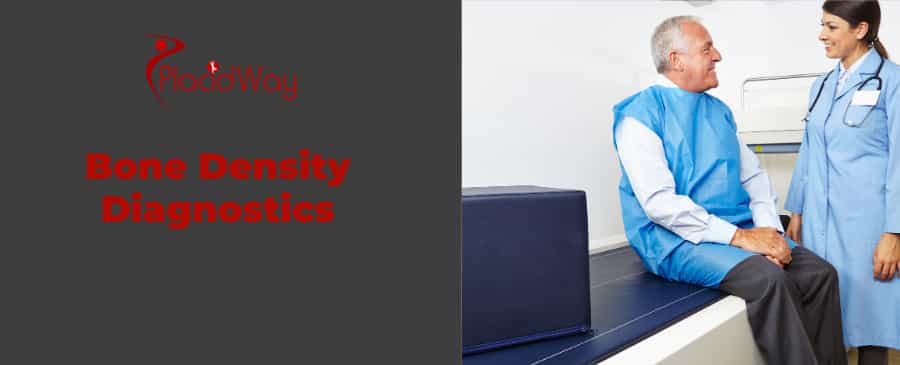
Protect Your Bones: Affordable Bone Density Scans Worldwide
Thinking about your bone health? As we get older, maintaining strong bones becomes incredibly important. Bone Density Diagnostics are crucial tools that help us understand the strength and health of our bones, especially in detecting conditions like osteoporosis early. This can make a huge difference in preventing fractures and living a healthier life.
In simple terms, Bone Density Diagnostics measure how much mineral your bones contain. Higher mineral content usually means stronger, denser bones, while lower content can indicate weaker bones that are more prone to breaking. The most common and accurate method for this is a DEXA (Dual-energy X-ray Absorptiometry) scan, a quick, non-invasive procedure.
For many, accessing these vital tests can be challenging due to high costs, long wait times, or limited availability in their home country. This is where medical tourism for Bone Density Diagnostics comes into play. It offers a smart solution, allowing you to access high-quality, advanced diagnostic services in renowned international clinics, often at a significantly lower cost and with greater convenience. Imagine getting a thorough bone health assessment while also exploring a new city or country! It’s about taking proactive steps for your health without breaking the bank or waiting endlessly. Let's delve into how you can make this a reality.
Why Consider Bone Density Diagnostics Abroad?
Many patients choose medical tourism for diagnostic services like bone density scans primarily due to cost-effectiveness and accessibility. In countries like the US, Canada, or the UK, a DEXA scan can be quite expensive, and wait lists can be long. Traveling to certain destinations can provide the same high-standard test for a fraction of the price, making proactive health management more feasible.
Beyond just cost, international clinics often boast state-of-the-art equipment and highly trained specialists. This means you're not sacrificing quality for affordability. Furthermore, the efficiency of medical tourism providers often ensures a streamlined process, from appointment booking to receiving results, allowing you to quickly get the answers you need about your bone health.
It's also an opportunity to combine your health check-up with a vacation. Many patients appreciate the chance to recover or simply relax in a new environment, turning a routine medical appointment into a more enjoyable and less stressful experience.
What Exactly is Bone Density Diagnostics?
Bone density diagnostics is a medical procedure used to measure the amount of bone mineral in your bones, indicating their strength and health. It's often referred to as a bone mineral density (BMD) test. The primary goal is to screen for osteoporosis, a condition where bones become weak and brittle, making them susceptible to fractures even from minor falls or stresses.
Early detection of low bone density is crucial because osteoporosis often progresses without symptoms until a fracture occurs. By identifying the problem early, doctors can recommend lifestyle changes, medications, or other treatments to help slow bone loss, improve bone strength, and significantly reduce the risk of debilitating fractures, particularly in the hip, spine, and wrist.
These diagnostic tests are non-invasive and quick, providing valuable insights into your skeletal health. Regular monitoring can help track the effectiveness of treatments and guide preventative strategies to maintain strong bones throughout your life.
Who Should Get a Bone Density Test?
Bone density tests are not just for the elderly; various factors can increase your risk of osteoporosis. While guidelines vary slightly by country, general recommendations for screening include:
- Women aged 65 and older: Routine screening is recommended due to higher risk after menopause.
- Men aged 70 and older: Although less common, men are also at risk.
- Postmenopausal women under 65 with risk factors: This includes women with a family history of osteoporosis, low body weight, or a history of fractures.
- Men aged 50-69 with risk factors: Similar to women, specific risk factors can necessitate earlier screening.
- Individuals who have broken a bone after age 50: A fragility fracture often indicates underlying low bone density.
- People with certain medical conditions: Such as rheumatoid arthritis, chronic kidney disease, celiac disease, or thyroid disorders.
- Those on certain medications: Long-term use of corticosteroids (like prednisone), some anti-seizure medications, or proton pump inhibitors can affect bone density.
- Individuals with unexplained height loss: More than 1.5 inches may signal spinal fractures due to osteoporosis.
If you fall into any of these categories, or if you have concerns about your bone health, discussing a bone density test with your doctor is a wise step. Early detection allows for earlier intervention, significantly improving long-term outcomes.
What Are the Different Types of Bone Density Tests?
While "bone density test" often refers to a DEXA scan, it's helpful to know about other methods that exist:
- DEXA (Dual-energy X-ray Absorptiometry): This is the gold standard for measuring bone density. It uses a very low dose of X-rays to measure the bone mineral density (BMD) of the hip and spine, which are the most common sites for osteoporotic fractures. It's quick, non-invasive, and provides highly accurate results.
- Quantitative Computed Tomography (QCT): QCT uses a standard CT scanner to create 3D images and measure bone density, particularly in the spine. While it offers detailed volumetric information, it involves a higher radiation dose than DEXA and is generally more expensive, thus not used as a first-line diagnostic.
- Quantitative Ultrasound (QUS): This method uses sound waves, typically at the heel, to assess bone density. QUS is portable, radiation-free, and less expensive, making it useful for screening in pharmacies or health fairs. However, it's not as accurate as DEXA and cannot diagnose osteoporosis or monitor treatment effectiveness. Abnormal QUS results usually require a follow-up DEXA scan.
- Peripheral DEXA (pDEXA): This is a smaller, portable DEXA machine used to measure bone density in peripheral areas like the wrist, heel, or finger. Like QUS, it's useful for screening but cannot be used for definitive diagnosis of osteoporosis or for monitoring the effects of treatment, which requires measurements of the hip and spine.
For most diagnostic purposes and monitoring, a central DEXA scan remains the preferred and most reliable method due to its precision, low radiation exposure, and ability to measure critical sites.
How Do Bone Density Tests Work and What Do the Results Mean?
A DEXA scan is a simple outpatient procedure. You'll lie on a padded table, and a mechanical arm will pass over your body, sending two different X-ray beams through your bones. The detector measures how much of each beam is absorbed by your bones. The entire process typically takes 10-20 minutes and is painless. The radiation exposure is very minimal, often less than a cross-country flight.
Your results will be interpreted by a radiologist and usually presented as two main scores:
- T-score: This is the most important score. It compares your bone density to that of a healthy young adult of the same sex.
- -1.0 and above: Normal bone density.
- Between -1.0 and -2.5: Osteopenia (low bone mass), indicating an increased risk of osteoporosis.
- -2.5 and below: Osteoporosis.
- Z-score: This compares your bone density to that of other people your age, sex, and ethnic background. A Z-score significantly below 0 (-2.0 or lower) can indicate that something other than aging is causing bone loss and might prompt further investigation.
Your doctor will use these scores, along with your medical history and other risk factors, to determine your overall fracture risk and recommend appropriate management, which could include lifestyle adjustments, supplements, or medication.
How to Prepare for Your Bone Density Scan?
Preparing for a DEXA scan is generally straightforward, but a few steps can ensure accurate results:
- Avoid calcium supplements: Do not take any calcium supplements, multivitamins containing calcium, or antacids for at least 24 hours before your test. Calcium can temporarily interfere with the scan's accuracy.
- Wear comfortable clothing: Opt for loose-fitting, comfortable clothes without zippers, buckles, or metal buttons, as metal can interfere with the X-ray images. You may be asked to change into a gown.
- Inform about recent tests: If you've recently had a barium study, CT scan with contrast, or any other imaging test using injected contrast material, inform the clinic. You might need to wait 10-14 days before your bone density scan, as contrast materials can affect the results.
- Inform about pregnancy: If you are pregnant or suspect you might be, inform your doctor and the imaging center immediately. While the radiation dose is very low, DEXA scans are generally avoided during pregnancy.
- Bring relevant medical history: While not always required for the scan itself, having your medical history, especially regarding bone health, can be helpful for the interpreting physician and for your follow-up consultation.
Following these simple guidelines will help ensure you get the most accurate and useful results from your bone density diagnostic test.
Is Medical Tourism a Safe Option for Bone Density Testing?
The safety and quality of care are paramount concerns for anyone considering medical tourism. For diagnostic procedures like bone density scans, the risks are generally minimal, and many international clinics adhere to stringent global standards.
Key indicators of a safe and reliable facility abroad include:
- International Accreditations: Look for clinics accredited by organizations like Joint Commission International (JCI), which signifies adherence to international quality and patient safety standards.
- Certified Radiologists and Technicians: Ensure that the professionals performing and interpreting your scan are board-certified and highly experienced.
- Modern Equipment: High-quality, up-to-date DEXA machines provide the most accurate results. Reputable clinics invest in the latest technology.
- Patient Reviews and Testimonials: Researching other patients' experiences can provide valuable insights into a clinic's safety and service quality.
Working with a trusted medical tourism facilitator like PlacidWay significantly enhances safety by connecting you with pre-vetted, high-quality clinics and ensuring transparent communication and comprehensive support throughout your journey.
Which Countries Offer the Best Value for Bone Density Scans?
Several countries have emerged as leaders in offering high-value medical diagnostic services, including bone density scans, attracting patients from around the globe. These destinations often combine advanced medical infrastructure with competitive pricing.
- Mexico: Known for its proximity to the US, Mexico offers numerous JCI-accredited facilities with state-of-the-art equipment, particularly in border cities and popular tourist destinations.
- Turkey: Istanbul and Ankara boast world-class hospitals and diagnostic centers with a strong focus on medical tourism, providing excellent care at appealing prices.
- Costa Rica: A beautiful destination offering high-quality medical services, Costa Rica is a popular choice for North Americans seeking affordable and reliable diagnostics.
- India: Renowned for its advanced medical technology and highly skilled professionals, India provides some of the most cost-effective diagnostic services globally.
- Thailand: With its welcoming atmosphere and cutting-edge medical facilities, Thailand offers a blend of quality care and a memorable travel experience.
When selecting a country, consider not just the cost, but also the reputation of the clinics, the ease of travel, and whether the language barrier will be an issue (though many medical tourism hubs have English-speaking staff).
Bone Density Diagnostics Cost: A Global Comparison
One of the primary drivers for medical tourism is the significant cost savings available for procedures and diagnostics. Bone density tests are no exception. The table below illustrates typical price ranges for a DEXA scan in various countries. Please note these are approximate costs and can vary based on the specific clinic, location within the country, and any additional services included.
| Country | Approximate Cost Range (USD) | Notes |
|---|---|---|
| United States | $150 - $500+ | Highly dependent on insurance coverage and facility. |
| Canada | $100 - $300+ | Often covered by provincial health plans, but private options exist. |
| Mexico | $50 - $150 | Popular for US patients due to proximity and affordability. |
| Turkey | $70 - $200 | Excellent facilities with competitive pricing. |
| Costa Rica | $80 - $180 | High-quality care in a scenic environment. |
| India | $40 - $100 | Very cost-effective with advanced medical infrastructure. |
| Thailand | $60 - $150 | Combines quality care with popular tourist destinations. |
As you can see, the potential savings are substantial, often outweighing the travel costs, especially if you combine the diagnostic trip with other medical procedures or a vacation.
What Are the Benefits of Combining Travel with Bone Health Screening?
The concept of medical tourism for diagnostics isn't just about saving money; it's also about enhancing the overall patient experience. Here are some key benefits:
- Reduced Stress and Anxiety: A relaxing environment can significantly reduce the anxiety often associated with medical tests. Combining your scan with a mini-vacation allows you to de-stress and enjoy your surroundings before and after the procedure.
- Immediate Access: Many top medical tourism destinations offer appointments quickly, cutting down on the long wait times often experienced in public healthcare systems. This means faster diagnosis and earlier intervention if needed.
- High-Quality Care and Technology: Clinics catering to international patients often invest heavily in the latest diagnostic equipment and employ highly trained, English-speaking staff.
- Cultural Immersion: For many, it's an opportunity to experience a new culture, try new foods, and see historical sites, transforming a necessary medical trip into an enriching life experience.
- Privacy and Anonymity: Some patients prefer the discretion of receiving medical care away from their home communities.
By transforming a necessary health check into an adventure, patients can achieve their health goals while also enjoying the world. It’s a holistic approach to well-being that addresses both physical health and mental rejuvenation.
How to Choose a Reputable Clinic for Bone Density Diagnostics Overseas?
Selecting the right clinic abroad is crucial for a successful medical tourism experience. Here’s a checklist to guide your decision-making process:
- Accreditation and Certifications: Prioritize clinics with international accreditations like JCI. These signify adherence to rigorous global standards for patient safety and quality of care.
- Specialist Qualifications: Verify that the radiologists and technicians are board-certified and have extensive experience in bone density diagnostics. Don't hesitate to ask for their credentials.
- Technology and Equipment: Ensure the clinic uses modern DEXA scanning equipment. Outdated technology can lead to less accurate results.
- Patient Reviews and Testimonials: Look for independent reviews and testimonials from previous international patients. Websites like PlacidWay often feature verified patient feedback.
- Language Support: Confirm that the clinic has English-speaking staff or offers translation services to ensure clear communication throughout your visit.
- Transparent Pricing: Request a clear, itemized quote that includes all costs associated with the scan, interpretation, and any follow-up consultations. Avoid clinics with hidden fees.
- Communication and Follow-up: Assess how responsive the clinic is to your inquiries. Good communication before, during, and after your visit is vital.
Taking the time to research these factors will help you make an informed decision and ensure you receive high-quality care.
How PlacidWay Simplifies Your Bone Density Diagnostic Journey Abroad?
Navigating the world of medical tourism can seem daunting, but platforms like PlacidWay are designed to simplify every step of your journey. We act as your trusted partner, connecting you with reputable clinics and ensuring a seamless experience for your bone density diagnostics.
Here’s how PlacidWay makes a difference:
- Vetted Clinic Network: We partner only with internationally accredited and highly-rated clinics, ensuring you have access to top-tier diagnostic services.
- Personalized Quotes and Comparisons: Receive detailed, transparent quotes from multiple clinics, allowing you to compare costs and services to find the best fit for your budget and needs.
- Travel and Logistics Support: From flight and accommodation recommendations to local transportation and interpreter services, we can assist with all aspects of your travel arrangements.
- Expert Guidance: Our team provides comprehensive information about your chosen procedure, destination, and clinic, answering all your questions and addressing any concerns.
- Patient Advocacy: We advocate on your behalf, ensuring your medical needs and preferences are met, and that you receive the highest standard of care.
With PlacidWay, you gain peace of mind knowing that your bone density diagnostic journey is handled by experienced professionals, allowing you to focus on your health and enjoying your travel experience.
Take the Next Step with PlacidWay
Ready to take control of your bone health? Your journey to accurate and affordable bone density diagnostics is just a click away. Explore top-rated international clinics, compare prices, and get a free, personalized quote for your bone density test with PlacidWay. Let us help you plan a seamless and reassuring medical travel experience. Start protecting your bones today!
Executive Treatment Abroad, Physical Exam Abroad




.png)

.png)


-(1).png)

.png)
.png)











Share this listing