


A Tale of Hope and Healing: Abel Maratu's Kidney Transplant Journey in Turkey
Abel Maratu’s kidney transplant journey in Turkey stands as a profound testament to the power of global healthcare access. For patients facing the devastating reality of end-stage renal disease, local treatment options often mean enduring years on extensive waiting lists while quality of life rapidly declines on dialysis.
This remarkable medical journey showcases how seeking a living donor kidney transplant abroad can completely transform a patient's prognosis. By traveling to world-renowned medical facilities in Istanbul, patients can access elite nephrologists, state-of-the-art surgical technology, and comprehensive post-operative care. Watch to discover the life-changing possibilities of international organ transplantation and the seamless medical tourism protocols that make it possible.
Video Chapters & Quick Navigation
The Global Challenge of End-Stage Renal Disease
Chronic Kidney Disease (CKD) and its most severe form, End-Stage Renal Disease (ESRD), represent one of the most pressing global health crises of the 21st century. When a patient’s kidneys lose their vital filtering capabilities, dangerous levels of fluid, electrolytes, and wastes accumulate rapidly within the body. Without intervention, this medical condition is universally fatal.
For individuals suffering from kidney failure, the standard initial treatment is hemodialysis. While dialysis is a life-sustaining temporary measure, it is physically exhausting, mentally draining, and incredibly restrictive. Patients often spend over twelve hours a week tethered to a machine, severely impacting their ability to maintain employment, travel, or enjoy a normal family life. The physical toll of long-term dialysis includes cardiovascular complications, severe fatigue, and a progressively weakened immune system.
The definitive cure for end-stage renal disease is an organ transplant. However, the global demand for healthy donor kidneys drastically outweighs the available supply. In many Western nations, patients languish on deceased-donor waiting lists for anywhere from three to seven years. This excruciating delay forces families to explore alternative solutions, accelerating the rise of cross-border healthcare and the pursuit of a living donor kidney transplant abroad.
Why Turkey is a Premier Destination for Kidney Transplants
Over the last decade, the Republic of Turkey has aggressively positioned itself as a titan in the global medical tourism sector, particularly in complex oncological and organ transplant surgeries. The nation's healthcare infrastructure has seen billions of dollars in strategic investments, resulting in ultra-modern, cutting-edge medical facilities that frequently surpass the standards of equivalent hospitals in Europe and North America.
JCI-Accredited Hospitals and Medical Excellence
One of the primary reasons international patients confidently choose Turkey for renal replacement therapies is the high density of Joint Commission International (JCI) accredited hospitals. This prestigious accreditation ensures that the hospital strictly adheres to the most rigorous global protocols for patient safety, clinical efficacy, and infection control. Major medical centers in cities like Istanbul, Ankara, and Antalya have dedicated organ transplant centers of excellence.
Furthermore, Turkish transplant surgeons and nephrologists are globally recognized experts. Because Turkey performs a high volume of living donor transplants annually, these medical professionals possess unparalleled hands-on experience. Many lead surgical teams have completed specialized fellowships at top medical universities in the United States and the United Kingdom, bringing advanced methodologies—such as robotic-assisted laparoscopic donor nephrectomies—back to their domestic practices.
Strict Legal and Ethical Frameworks
Safety and ethics are paramount when dealing with organ transplantation. Turkey operates under a highly regulated, transparent legal framework governed by the Turkish Ministry of Health. International patients traveling to Turkey for a kidney transplant must bring their own living donor, typically a close blood relative or a spouse. To prevent organ trafficking and ensure ethical compliance, all non-relative donor cases must be rigorously evaluated and approved by an independent national ethics committee before any medical procedures can commence.
Abel Maratu’s Diagnosis and the Search for a Lifeline
Abel Maratu’s story echoes the fears and frustrations of millions worldwide. When he first began experiencing profound lethargy, severe swelling in his extremities, and persistent nausea, he attributed it to exhaustion. However, comprehensive blood panels and an estimated glomerular filtration rate (eGFR) test revealed a devastating reality: he was in the final stages of renal failure. His kidneys were functioning at less than ten percent capacity.
Thrust into an immediate regimen of dialysis, Abel’s life ground to a halt. His local healthcare system offered excellent palliative care, but the waiting list for a deceased donor organ was projected to be upwards of five years. Faced with a deteriorating prognosis and the immense physical burden of dialysis, Abel and his family began researching international healthcare options. They realized that waiting passively was no longer a viable strategy for survival.
The turning point in Abel's journey occurred when a close relative heroically volunteered to be a living donor. Living donor kidney transplants offer significantly higher success rates, better long-term graft survival, and faster immediate organ function compared to deceased donor organs. With a willing donor secured, the next major hurdle was finding a world-class medical facility capable of performing the delicate dual-surgery efficiently and affordably.
Navigating Medical Tourism with Expert Facilitation
Coordinating complex medical treatments across international borders can be an incredibly daunting task, especially when dealing with the physical vulnerabilities of end-stage renal disease. This is where medical tourism facilitators like PlacidWay become invaluable lifelines. Facilitators act as a comprehensive bridge between the patient and top-tier global medical institutions.
Comprehensive Logistic Support
For patients like Abel, utilizing a medical tourism agency removes the immense stress of logistical planning. These dedicated teams handle the intricacies of international medical care, allowing the patient and their donor to focus entirely on their health. The comprehensive support system usually includes:
- Medical Records Translation and Transfer: Securely sharing lab results, dialysis records, and imaging with the surgical team in Turkey for preliminary evaluation.
- Visa and Travel Assistance: Expediting medical visa applications and coordinating flight schedules suitable for a dialysis patient.
- Ground Transfers and Accommodation: Arranging VIP airport pickups and securing comfortable, recovery-friendly lodging near the hospital.
- Dedicated Translation Services: Providing a 24/7 bilingual medical liaison to ensure crystal-clear communication between the patient and the surgical staff.
Crucial Pre-Operative Evaluations and Tissue Matching
Upon arriving in Istanbul, Abel and his donor immediately entered a rigorous phase of pre-operative clinical testing. The success of a living donor organ transplant hinges entirely on biological compatibility and the comprehensive physical health of both individuals. The Turkish medical teams utilize advanced diagnostic laboratories to eliminate any potential variables that could lead to organ rejection.
The evaluation process is exhaustive and meticulously detailed. The primary goal is to ensure that the donor's remaining kidney will be sufficient for them to live a long, healthy life, and to confirm that the recipient's immune system will accept the new organ. Key components of this pre-operative screening include:
- Blood Typing (ABO Compatibility): The foundational requirement for transplantation, ensuring the fundamental blood groups match or are compatible.
- Human Leukocyte Antigen (HLA) Typing: A genetic blood test that maps out specific antigens. A higher HLA match significantly decreases the long-term risk of graft rejection.
- Serum Crossmatching: This critical test mixes the donor's cells with the recipient's serum. A negative crossmatch is required, indicating that the recipient does not have pre-existing antibodies that will immediately attack the donor kidney.
- Advanced Imaging: High-resolution CT angiography is performed on the donor to map out the renal vascular anatomy, allowing the surgical team to precisely plan the extraction.
The Precision of Living Donor Kidney Transplant Surgery
The day of the surgery involves two distinct, highly choreographed medical procedures running simultaneously in adjacent operating theaters. The medical protocols utilized by top organ transplant centers in Turkey are designed to maximize patient safety and minimize recovery times, particularly for the altruistic living donor.
The Donor Procedure: Laparoscopic Nephrectomy
To protect the health and comfort of the living donor, Turkish transplant surgeons predominantly utilize minimally invasive laparoscopic or robotic-assisted techniques. Instead of a large, painful open incision, the surgeon makes several small keyhole incisions in the donor's abdomen. A camera and specialized surgical instruments are inserted to carefully detach the healthy kidney and its associated blood vessels.
Once freed, the kidney is carefully extracted through a small incision in the lower abdomen. This minimally invasive approach drastically reduces post-operative pain, lowers the risk of incisional hernias, and allows the donor to be discharged from the hospital within two to three days. The extracted organ is then immediately flushed with a cold preservation solution and transported to the adjoining operating room.
The Recipient Procedure: Organ Implantation
For the recipient, the surgical process is a marvel of modern vascular engineering. Interestingly, the patient's native, failing kidneys are typically left in place unless they are causing severe infections or uncontrollable high blood pressure. The new, healthy kidney is strategically placed in the lower abdomen (iliac fossa).
The transplant surgeon meticulously connects the renal artery and renal vein of the new kidney to the recipient’s iliac artery and vein. This complex vascular anastomosis restores blood flow to the new organ. Finally, the ureter of the donor kidney is surgically attached to the recipient's bladder to allow for proper urine drainage. In many successful living donor cases, the newly implanted kidney begins producing urine while the patient is still on the operating table.
Post-Operative Care and the Road to Recovery
The surgical intervention is only the first half of a successful medical journey. Exceptional post-operative care is what solidifies the long-term success of an organ transplant abroad. Following the procedure, the recipient is transferred to a specialized, highly sterile intensive care unit (ICU) designed specifically for transplant patients.
During the initial hospital stay, which typically lasts between seven to ten days, a multidisciplinary team of nephrologists, specialized nurses, and clinical pharmacologists continuously monitors the patient. They meticulously track vital signs, fluid intake and output, and daily blood lab values to ensure the new kidney is functioning optimally and clearing toxins effectively from the bloodstream.
Mastering Immunosuppression
The most critical element of the recovery phase is establishing the correct dosage of immunosuppressive medications. Because the new kidney is technically a foreign biological entity, the patient's immune system will naturally attempt to attack and reject it. To prevent this, patients must adhere to a strict, lifelong regimen of anti-rejection drugs.
Turkish medical teams spend extensive time educating the patient and their family on proper medication management, dietary restrictions, and signs of potential complications. Even after being discharged from the hospital, international patients are required to remain in Turkey for an additional two to three weeks for frequent outpatient follow-up appointments before being medically cleared to fly home.
The Financial Advantage of Organ Transplants in Turkey
Beyond the unparalleled medical expertise and lack of waiting lists, the financial accessibility of renal treatments in Turkey is a massive catalyst for medical tourism. In the United States, an uninsured or underinsured patient can face hospital bills exceeding $400,000 for a kidney transplant, not including ongoing dialysis costs or long-term medication.
By contrast, comprehensive living donor kidney transplant packages in Turkey are dramatically more affordable, often saving patients between 60% to 75% compared to Western pricing models. This drastic reduction in cost does not equate to a reduction in clinical quality; rather, it reflects differences in national economic structures, lower administrative overhead, and government subsidies aimed at promoting international healthcare.
| Medical Procedure Destination | Estimated Average Cost (USD) | Typical Waiting Time |
|---|---|---|
| United States | $250,000 - $400,000+ | 3 to 7 Years (Deceased Donor) |
| United Kingdom (Private) | $80,000 - $120,000 | 2 to 4 Years |
| Istanbul, Turkey | $18,000 - $25,000 | No Wait List (With Living Donor) |
These all-inclusive medical tourism packages typically cover the pre-operative evaluations for both donor and recipient, the dual surgical procedures, ICU monitoring, standard ward hospital stays, surgeon fees, operating theater costs, and basic post-operative medications. This transparent pricing structure allows families to plan financially without the fear of hidden, crippling hospital bills.
A New Chapter: Life After a Successful Kidney Transplant
For Abel Maratu, the impact of his successful kidney transplant was immediate and profound. Patients often report feeling a literal "clearing of the fog" within hours of the surgery as the new organ begins efficiently filtering toxic waste products that had been severely dampening cognitive function and energy levels.
Returning home from Turkey, Abel was no longer chained to a dialysis schedule. His dietary restrictions were drastically loosened, allowing him to enjoy foods that were previously considered dangerous to his compromised system. Most importantly, he regained the physical vitality to return to his career, support his family, and reclaim the joy of a normal, active life.
Abel's journey is a beacon of hope for thousands of renal patients facing seemingly insurmountable medical obstacles. It underscores the vital importance of self-advocacy and highlights how international medical pathways can provide life-saving solutions when local healthcare systems are overwhelmed. The gift of organ donation, combined with the unparalleled surgical expertise found in Turkey's medical hubs, continues to offer a definitive cure and a brilliant second chance at life for patients around the globe.
Ready to Reclaim Your Health and Vitality?
Do not let end-stage renal disease define your future. PlacidWay Medical Tourism connects you with top-rated, JCI-accredited transplant centers and world-renowned nephrologists in Turkey. Contact us today to explore your options for an affordable, life-saving kidney transplant abroad.
GET A FREE QUOTE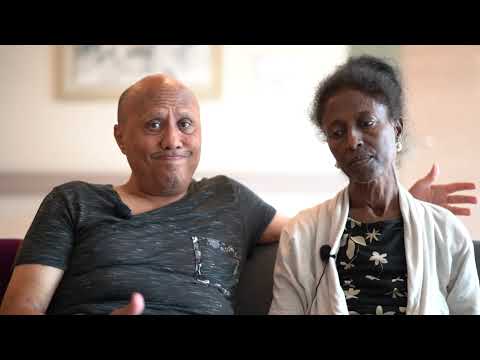


.png)





Share this listing