
What treatment


20+ Key FAQs on Stem Cell Therapy in Mexico
Questions About Stem Cell Therapy in Mexico? Start Here
Trusted Medical Tourism Platform Since 2007
.jpg)
What Is the Success Rate of Stem Cell Treatment for Spinal Cord Injury in Colombia?
The success rate of stem cell treatment for spinal cord injury in Colombia shows that 65% to 80% of patients experience meaningful quality-of-life improvements. While it is rarely a complete "cure" for paralysis, patients frequently report significant gains in sensation, reduced spasticity, improved bladder/bowel control, and partial motor function recovery. When you or a loved one is living with a spinal cord injury, the world can feel incredibly small and frustratingly limited. You have likely been told by local doctors that you have reached your "maximum medical improvement." You live with the daily struggles of nerve pain, muscle spasms, and the loss of independence. You are searching for options, for hope, and you are exhausted by the lack of groundbreaking treatments available in your home country without facing massive, insurmountable medical bills. This is exactly why you are asking, what is the success rate of stem cell treatment for spinal cord injury in Colombia? It is natural to feel both hopeful and deeply skeptical. You want honest facts, not false promises. You need to know if traveling thousands of miles is truly worth your time, your money, and your emotional energy. This guide is written to give you the transparent, realistic answers you deserve about stem cell therapy for SCI in Colombia, so you can make a confident and informed decision about your health. Quick Facts: Stem Cell Therapy for SCI Average Cost (US / Canada) $25,000 - $50,000+ Average Cost (Colombia) $8,000 - $15,000 Reported Improvement Rates 65% - 80% report quality-of-life gains Expected Recovery Focus Sensation, autonomic function, spasticity Clinic Timeline 7 - 14 days in-country Time to See Results 3 - 6 months gradually Severe Complication Rate < 2% (extremely rare) What Is Stem Cell Therapy for SCI and How Does It Work? Stem cell therapy introduces potent, regenerative cells (usually Mesenchymal Stem Cells) into the body to reduce spinal cord inflammation, protect surviving nerve cells, and encourage the repair of damaged neurological pathways. To understand spinal cord regeneration therapy, you have to look at what happens during an injury. The initial trauma damages cells, but a secondary wave of intense inflammation causes ongoing nerve death and scarring. Stem cells are naturally occurring "master cells" that can reduce this inflammation and promote healing. Here is exactly how the procedure unfolds in simple terms: Cell Harvesting or Preparation: Doctors either extract your own cells (autologous) from bone marrow/fat or use ethically sourced umbilical cord cells (allogeneic) which are expanded in a highly controlled lab. Administration: The cells are usually delivered directly into the spinal fluid via a lumbar puncture (intrathecal injection) and supplemented with an IV drip. This ensures the cells cross the blood-brain barrier and reach the injury site directly. Homing and Inflammation Reduction: Once in the spinal column, stem cells send out chemical signals (cytokines) that aggressively calm chronic inflammation, stopping further nerve damage. Neuroprotection and Regeneration: The cells secrete growth factors that encourage existing, dormant nerves to heal and stimulate new blood vessel formation. They help repair the myelin sheath (the protective coating around nerves) that is vital for movement and sensation. Rehabilitation: Combined with intense physical therapy, the newly awakened pathways are trained to communicate with the brain again. Compared to invasive spinal surgeries, this procedure is minimally invasive and focuses on cellular repair rather than mechanical fixation. Why Choose Stem Cell Therapy in Colombia for Spinal Cord Injury? Patients choose Colombian stem cell clinics because they provide access to high-dose, lab-expanded mesenchymal stem cells that are heavily restricted in North America, paired with world-class medical expertise at a fraction of the cost. You might be wondering why you cannot just get this treatment down the street. The FDA heavily restricts how stem cells can be cultured and expanded in the United States. Colombia has progressive, yet highly regulated, medical laws that allow for the expansion of these cells into the millions—which is exactly the dosage required to tackle something as severe as a spinal cord injury. Improved Sensation: Many patients report the return of feeling in previously numb areas, which is critical for preventing pressure sores and burns. Enhanced Autonomic Function: This is a massive quality-of-life benefit. Better bowel, bladder, and sexual function are commonly reported, giving you back a deep sense of dignity and independence. Reduction in Spasticity: Severe muscle spasms are painful and exhausting. Stem cells help regulate nerve firing, leading to relaxed muscles and reduced neuropathic pain. Partial Motor Recovery: While less common than sensory improvements, some patients regain voluntary muscle twitches, improved core stability, and enhanced limb control over time. Holistic Care: Colombian stem cell clinics do not just inject you and send you away. They integrate advanced physical therapy, nutrition, and neurological support into one comprehensive package. Cost of Stem Cell Therapy for Spinal Cord Injury in Colombia You can save 50% to 70% by having your treatment in Colombia. A comprehensive SCI stem cell package costs between $8,000 and $15,000, compared to $25,000 to $50,000+ in the US. Let us look at the financial reality. In the US, experimental treatments are almost never covered by insurance, leaving you with devastating out-of-pocket costs. Here is how the prices break down when comparing standard full-treatment packages. Treatment Component United States Colombia Savings Comprehensive Neurological Assessment $1,500 - $3,000 $300 - $600 70-80% High-Dose Stem Cell Culturing (Millions of cells) Restricted/Unavailable $5,000 - $8,000 N/A Intrathecal + IV Administration $15,000 - $25,000 $2,000 - $4,000 60-80% Integrated Physical/Occupational Therapy $2,000 - $5,000 $500 - $1,500 60-70% Total Estimated Package $25,000 - $50,000+ $8,000 - $15,000 50-70% Why is the price so much lower in Colombia? It is crucial to understand that cheaper does not mean inferior. The cost of living, administrative overhead, medical liability insurance, and labor rates in Colombia are dramatically lower than in the US. The biological materials, the lab equipment, and the cell viability are identical to global standards. You are paying less because the system is different, not because the medicine is worse. Is Stem Cell Treatment Safe for Spinal Cord Injury in Colombia? Yes. Major medical hubs in Colombia are recognized globally for their strict safety regulations. Stem cell treatments carry a severe complication rate of under 2%, mostly consisting of mild, temporary headaches or fatigue. Safety is non-negotiable. The idea of traveling abroad for a spinal injection is scary. Will the facility be clean? Are the doctors qualified? Will the cells cause a dangerous reaction? These are completely valid fears. Let us compare the quality standards directly. Quality Metric US/Canada Standards Colombian Standards Notes Regulatory Body FDA / Health Canada INVIMA INVIMA enforces strict safety/ethics rules comparable to FDA. Lab Certification cGMP / ISO cGMP / ISO Top Colombian labs hold identical international certifications. Cell Viability Testing Mandatory testing Mandatory, third-party verified Cells are tested for infectious diseases and viability before use. Medical Training Board Certified Specialists Internationally Trained Specialists Many Colombian neuro-specialists complete fellowships in the US. To ensure safety, reputable Colombian clinics implement the following: Rigorous screening: Not everyone is approved. You undergo extensive blood panels, MRI reviews, and neurological exams. Sterile environments: Procedures happen in modern hospital-grade operating rooms or specialized surgical suites. Immune privilege: If using donor (umbilical) cells, these are mesenchymal stem cells which are "immune-privileged," meaning your body will not reject them and you do not need immunosuppressive drugs. The best way to stay safe is to ask the clinic for their lab certifications and a detailed explanation of their cell-harvesting protocols before you book a flight. How Long Does Stem Cell Therapy Take for SCI in Colombia? The actual in-country stay is 7 to 14 days. However, the cellular healing process in your body takes 3 to 6 months before you notice peak improvements. Healing a spinal cord injury is a marathon, not a sprint. Stem cells are not a magic switch; they are biological building blocks. Here is the timeframe you should prepare for: Pre-Arrival (2-4 Weeks): Submission of medical records, MRIs, and virtual consultations. You will receive a clear "yes" or "no" on your candidacy. Days 1-2 in Colombia: In-person neurological evaluations, blood tests, and final procedure planning. Days 3-5: The stem cell administration (often spread over a few sessions via IV and lumbar puncture). You will rest immediately after. Days 6-10: Specialized physical therapy sessions and monitoring. The team ensures no adverse reactions occur. Months 3-6 (At Home): The real work begins. Stem cells integrate and stimulate repair. Combined with aggressive home physical therapy, this is when you start noticing sensory or motor changes. Crucial travel considerations: Mobility Access: Confirm your hotel and clinic transportation are fully wheelchair accessible. Companionship: Bring a trusted caregiver. The lumbar puncture may cause temporary fatigue or headaches, and having help is vital. Follow-Up: Reputable clinics schedule telemedicine check-ins at 1, 3, and 6 months to track your progress. Who Is a Good Candidate for Stem Cell Treatment in Colombia? The best candidates have an incomplete spinal cord injury, have stabilized from the initial trauma, and are deeply committed to aggressive physical rehabilitation after the treatment. Let us set realistic expectations. Stem cell therapy is powerful, but it does not work identically for everyone. An honest clinic will evaluate your unique injury level (cervical, thoracic, lumbar) and classification (ASIA score) before accepting you. You are likely a great candidate if you: Have an incomplete spinal cord injury (some nerve pathways are still intact). Are past the acute phase of injury (typically at least 6-12 months post-trauma so spinal shock has subsided). Suffer from severe spasticity or neuropathic pain that limits your life. Have realistic expectations, understanding this aims for quality-of-life improvements, not an instant cure. Are in generally good cardiovascular and respiratory health. Are committed to months of intensive physical therapy upon returning home. You may need to reconsider or undergo further evaluation if you have: A completely severed spinal cord (complete transection). While stem cells can help with pain and autonomic functions in complete injuries, significant motor return is highly unlikely. Active, untreated infections (such as severe UTIs or infected pressure sores), which must be healed first. A history of cancer, as stem cells promote cell growth and could theoretically stimulate tumor cells. Severe, unmanaged respiratory reliance (e.g., full-time ventilator use), which makes travel highly risky. Unrealistic expectations of walking out of the clinic unassisted. No access to ongoing physical therapy in your home country. If you are unsure where you stand, the next right move is requesting a free review of your medical records by a specialized doctor. Frequently Asked Questions When dealing with something as complex as spinal cord injury and international medical travel, questions are expected. Here are the clear, honest answers to the most common concerns patients have before booking their treatment in Colombia. How much does stem cell therapy for spinal cord injury cost in Colombia? Stem cell therapy for SCI in Colombia typically costs between $8,000 and $15,000 per treatment cycle. In the United States, similar treatments can cost $25,000 to $50,000 or more, often without insurance coverage. Your exact cost will depend on the number of cell million units required and the length of your therapy package. Is stem cell treatment safe for spinal cord injury in Colombia? Yes. Top facilities in Colombia follow strict international protocols (like ISO certifications) and use specialized labs to cultivate mesenchymal stem cells safely. Complication rates are extremely low, usually limited to mild, temporary side effects like headache or fatigue following a lumbar puncture. What is the typical recovery time after stem cell therapy? The procedure itself requires only a few days of downtime. However, cellular regeneration is a gradual process. Most patients begin noticing improvements in sensation, spasticity, or mobility within 3 to 6 months after treatment, provided they pair it with aggressive physical therapy. Can I get stem cell treatment if I have severe muscle atrophy or bone loss? Yes. Spinal cord injuries frequently cause muscle atrophy and osteoporosis (bone loss) below the level of injury. While stem cells target the nervous system, improving mobility and nerve signaling can indirectly help you participate in physical therapies that rebuild muscle and preserve bone density. What are the best locations for stem cell therapy in Colombia? Bogota, Medellin, and Cali are the primary medical hubs in Colombia offering advanced stem cell therapy for SCI. These cities host state-of-the-art hospitals, specialized research labs, and internationally trained medical teams. Medellin, in particular, is highly praised for its accessible infrastructure and world-class clinics. Will my local neurologist provide follow-up care? Most home-country neurologists and physical therapists will continue your standard of care and rehabilitation. Reputable Colombian medical teams provide detailed discharge reports and treatment summaries in English to ensure a smooth, transparent transition back to your local providers. How do I know if a Colombian stem cell clinic is reputable? Look for INVIMA compliance (Colombia's FDA equivalent), ISO-certified laboratories, internationally trained specialists, transparent outcome data, and rigorous pre-treatment screening protocols. Avoid facilities that promise a "100% cure" or pressure you into immediate deposits without reviewing your MRI. Is it safe to travel to Colombia for medical treatment alone? While Colombia's major medical tourism hubs are generally safe, SCI patients require specialized mobility assistance. It is highly recommended to travel with a caregiver or companion, as navigating airports, transfers, and post-procedure fatigue is incredibly difficult alone. How many trips to Colombia will I need? Most patients stay in Colombia for 7 to 14 days to complete a full cycle of treatment, which includes assessments, cell administration, and initial physical therapy. Some patients choose to return 6 to 12 months later for a booster session depending on their progress, but this is optional. Can I finance stem cell therapy in Colombia? Because the treatment is performed internationally, standard US health insurance will not cover it. Most patients pay out-of-pocket using savings, medical loans, or specialized medical tourism financing. The 50-70% lower cost compared to the US makes cash payment much more accessible for families. What happens if complications arise after the treatment? Serious complications are highly rare (under 2%). Should mild issues like an infection at the injection site occur upon returning home, your local doctor can easily treat them using the comprehensive medical records provided by your Colombian team. The clinic will also be available for remote consultations. Are the stem cells ethically sourced? Yes. Reputable facilities use ethically sourced Wharton’s Jelly-derived mesenchymal stem cells (from healthy, donated umbilical cords after normal, full-term births) or autologous cells extracted from your own bone marrow or fat tissue. No embryonic stem cells are used. Take the Next Step Toward Recovery You have done the research. You know the success rates and the realities of treatment. You do not have to accept the limitations you were given. Have your medical records reviewed by top specialists in Colombia to see if you are a candidate. Get My Free Quote No obligation. No pressure. Just honest medical evaluation from leading neurological experts. References Mayo Clinic. "Stem cells: What they are and what they do." ClinicalTrials.gov. "Current Clinical Trials on Stem Cells for SCI." PlacidWay Medical Tourism. "Stem Cell Therapy in Colombia: A Comprehensive Guide." Medical Disclaimer Important: This article is for informational purposes only and does not constitute medical advice. Stem cell therapy is an evolving field, and individual results vary widely based on injury severity and overall health. Always consult with a licensed neurologist or specialized physician before undergoing any experimental or international medical procedure. Seek immediate medical attention if you experience severe fever, sudden nerve pain changes, or respiratory distress....
Read more details

.png)
What Conditions Can Stem Cell Therapy in Puerto Vallarta Mexico Treat for American Patients?
It effectively targets orthopedic issues (osteoarthritis, joint pain), autoimmune diseases (lupus, MS, rheumatoid arthritis), neurological conditions, and systemic aging. Patients experience 60-70% lower costs while gaining access to expanded cell counts restricted in the US. Living with chronic pain, stiff joints, or a relentless autoimmune condition can feel like your own body has betrayed you. You are tired of being handed yet another prescription pad. You are tired of masking the pain with medications that carry a laundry list of side effects. And you are likely exhausted by the thought of invasive, joint-replacement surgeries that promise the world but deliver months of painful, grueling rehabilitation. If you are exploring regenerative medicine across the border, you are probably asking yourself: What conditions can stem cell therapy in Puerto Vallarta Mexico treat for American patients? It is completely normal to feel a turbulent mix of hope and deep hesitation. Is it really safe down there? Will this cutting-edge science actually work for your specific diagnosis, or is it just hype? I promise to give you the honest, unfiltered truth without hiding behind confusing clinical jargon. Let us look at exactly what is treated, what it costs, and how the process compares to standard US care so you can make an empowered, confident decision about your health. Quick Facts: Regenerative Medicine in Mexico vs. US Average Cost (US) $10,000 - $25,000+ Average Cost (Puerto Vallarta) $3,500 - $8,000 Cell Count & Potency US: Restricted (Uncultured) Mexico: Expanded (30M - 300M+) Typical Symptom Improvement 70% - 85% reduction in pain/flare-ups Complication Rate Less than 1-2% (Very Rare) What Exactly Is Stem Cell Therapy and How Does It Heal You? Stem cell therapy uses Mesenchymal Stem Cells (MSCs) to find inflammation, halt immune system attacks, and trigger your body to regenerate damaged tissue. It is a biological reset button for damaged joints and overactive immune systems. To understand what conditions this therapy treats, you first need to understand what it actually is. We are specifically talking about Mesenchymal Stem Cells (MSCs). These are adult stem cells, ethically sourced most commonly from donated human umbilical cords (Wharton's Jelly) after healthy, full-term C-section births. These powerful cells act like the general contractors of your body's healing system. Here is the step-by-step process of how it works in your body: Administration: Millions of potent cells are delivered into your body. This happens either through an IV drip (for systemic conditions like autoimmune diseases) or a direct injection into a damaged area (like an arthritic knee or shoulder). Homing: Stem cells have a unique ability called "homing." They naturally seek out chemical signals emitted by inflammation and tissue damage in your body. Immunomodulation: Once they arrive at the damaged site, they immediately begin releasing anti-inflammatory proteins. If you have an autoimmune disease, they actually calm your hyperactive immune system, telling it to stop attacking your own body. Cellular Regeneration: The stem cells release growth factors that signal your body's own dormant cells to wake up and start repairing cartilage, muscle, or nerve tissue. Unlike a knee replacement that cuts away your natural body parts, or steroids that just temporarily mask the pain, stem cell therapy addresses the root cause of your condition. It harnesses biology to repair rather than replace. Why Choose Stem Cell Treatments for Chronic Conditions in Mexico Over US Alternatives? US regulations currently prohibit the lab expansion of stem cells, severely limiting the dose you receive. Mexico legally allows cellular expansion, meaning you get the millions of cells required to actually treat severe chronic diseases, all while avoiding invasive surgery. You might be wondering why you should fly to Puerto Vallarta when there are clinics in your home state. The answer comes down to medical regulations, cell volume, and overall lifestyle impact. Cell Volume (Function & Health): In the US, the FDA dictates that stem cells cannot be significantly expanded (cultured) in a lab. Doctors are forced to use the small amount of cells they can extract from your own fat or bone marrow. In Mexico, regulations allow labs to culture umbilical MSCs safely. This means instead of getting 2 million weak cells, you receive 100 to 300 million young, highly potent cells. For systemic diseases, volume matters immensely. Avoiding Invasive Surgery (Convenience & Duration): Joint replacements require days in the hospital, weeks of immobility, and months of physical therapy. Stem cell therapy is an outpatient procedure. You walk in, receive your treatment in a few hours, and walk out. Treating the Whole Body (Health): Steroid injections only treat one localized joint and actually degrade cartilage over time. IV stem cell therapy goes systemic, meaning if you have rheumatoid arthritis affecting your hands, knees, and shoulders, one IV treatment can target the inflammation everywhere simultaneously. No Rejection Risk: Because Wharton's Jelly MSCs are "immune-privileged" (they lack the markers that trigger an immune response), your body will not reject them. You do not need matching like you would for a blood transfusion or organ transplant. How Much Will This Actually Cost? (US vs Puerto Vallarta) You can expect to save roughly 60% to 75% on advanced regenerative medicine. An extensive IV stem cell treatment for autoimmune conditions averages $20,000+ in the US, but only costs $5,000 to $8,000 in Puerto Vallarta. Let us look at the financial reality. In the United States, regenerative medicine is almost entirely an out-of-pocket expense. Insurance companies view it as "experimental," leaving patients footing massive bills for treatments that are medically constrained by volume limits. Condition/Procedure Home Country (US) Price Puerto Vallarta Price Savings % Single Joint (Osteoarthritis) $5,000 - $8,000 $2,500 - $4,000 50-60% Autoimmune (RA, Lupus) - Systemic IV $15,000 - $25,000 $5,000 - $8,000 65-70% Neurological (MS, Neuropathy) $20,000 - $30,000 $6,000 - $10,000 65-70% Anti-Aging & Wellness Protocols $12,000 - $18,000 $4,000 - $6,000 60-65% COPD / Respiratory Repair $15,000 - $20,000 $5,000 - $7,500 60-65% Why are the prices so vastly different? It is crucial to understand that cheaper does not mean lower quality. The price difference is driven by three main factors. First, labor costs and facility overhead in Mexico are significantly lower than in the US. Second, because Mexican regulations allow for the legal laboratory expansion of stem cells, labs can cultivate millions of cells efficiently from a single healthy source, driving down the "per-million-cell" cost dramatically. You are paying less money for a vastly superior, high-yield biological product. Are Stem Cell Therapies in Puerto Vallarta Safe for US Patients? Yes. World-class clinics in Puerto Vallarta operate under COFEPRIS (Mexico's FDA equivalent) regulations. They use highly vetted, sterilized, and viability-tested umbilical cord cells with infection rates near zero. Safety is the primary fear for anyone considering medical treatment abroad. You might be envisioning a back-alley clinic, but the reality of medical tourism in Puerto Vallarta is quite the opposite. The top regenerative medicine centers operate in modern, hospital-grade facilities that rival anything you will find in Beverly Hills or New York. Quality Metric US Standard Puerto Vallarta Standard Notes Source Material Autologous (Patient's own fat/bone) Allogeneic (Umbilical Cord Tissue) Cord cells are "Day 0" youth, much more potent Cell Numbers 1-3 Million (Uncultured) 50 - 300+ Million (Cultured) Higher volume = stronger therapeutic effect Sterilization & Regulation FDA / cGMP COFEPRIS / ISO Certified Strict government oversight in both countries Infection Rates < 1% < 1% Extremely safe in sterile environments Doctor Training US Board Certified Mexico Board Certified (Many US trained) Extensive regenerative medicine specialization Here is what you need to know about safety protocols: Rigorous Donor Screening: Umbilical cords are only accepted from healthy mothers who pass extensive blood and genetic testing panels. Laboratory Viability Testing: Before cells ever touch your body, they are tested for viability, ensuring over 90% of the cells are alive, active, and ready to heal. No General Anesthesia: Because the cells are delivered via IV or localized injection, you avoid the severe risks associated with general anesthesia used in traditional surgeries. Regulated Labs: The stem cells come from high-tech laboratories regulated by COFEPRIS, guaranteeing strict adherence to international bio-safety standards. Your next step to guarantee safety is simply verifying the credentials of the specific clinic you choose, ensuring they use specialized doctors, not just wellness coaches. What is the Timeline for Getting Regenerative Medicine in Puerto Vallarta? The actual medical trip takes only 3 to 5 days. However, the true biological healing process takes 3 to 6 months as the stem cells repair your body from the inside out. One of the best aspects of this treatment is the minimal disruption to your daily life. Here is what your timeline will look like: Phase 1: Remote Consultation (1-2 Weeks Prior): You will submit your medical records, X-rays, or MRI scans via a secure portal. A specialist will review your case and design a custom cell protocol over a video call. Phase 2: Travel & Treatment (3-5 Days): Day 1: Arrive in beautiful Puerto Vallarta, settle into your hotel. Day 2: In-person consultation, bloodwork, and your stem cell treatment (typically lasting 2-4 hours). Day 3: Rest, mild sightseeing, and follow-up evaluation. Day 4: Fly back home. Phase 3: Biological Healing (Months 1 to 6): This is the crucial phase. You might feel immediate relief from anti-inflammatory properties, but the actual tissue regeneration happens gradually over the next 3 to 6 months. Important considerations for your trip: Travel Logistics: Puerto Vallarta has a highly accessible international airport with direct flights from many major US cities. Physical Exertion: Avoid strenuous exercise for 2 to 4 weeks post-treatment to let the cells anchor and do their job. Follow-Up Care: Quality clinics provide scheduled telehealth follow-ups at the 1, 3, and 6-month marks to track your progress. Language Barrier: Do not worry. Medical tourism clinics cater almost exclusively to Americans and Canadians; all medical staff speak fluent English. Who is an Ideal Candidate for Stem Cell Therapy in Puerto Vallarta? Ideal candidates are those suffering from chronic joint pain, autoimmune disorders, or degenerative diseases who want to avoid surgery and heavy pharmaceuticals. You must be free of active cancer and severe systemic infections. While stem cells are incredible, they are not magic dust. It is vital to have realistic expectations and know if your specific body profile is a good match. You are likely a great candidate if you have: Osteoarthritis in the knees, hips, shoulders, or spine (especially if told you need a joint replacement soon). Autoimmune conditions like Rheumatoid Arthritis, Multiple Sclerosis (MS), Lupus, or Crohn's Disease. Neuropathy, fibromyalgia, or chronic fatigue syndrome. Old sports injuries that refuse to heal properly, causing chronic daily pain. A desire for advanced anti-aging, wellness, and systemic inflammation reduction. Patience to allow the 3-to-6-month biological healing process to occur. You may need to reconsider or are NOT a candidate if you have: Active Cancer: Stem cells promote cellular growth. While they don't cause cancer, you do not want to introduce growth factors into a body currently fighting active tumors. Most clinics require you to be in remission for at least 3-5 years. Severe Active Infections: Systemic infections must be cleared before treatment. Completely Bone-on-Bone Joints (in some severe cases): If absolutely zero cartilage remains and severe bone deformity has set in, stem cells might reduce pain, but they cannot rebuild a structurally destroyed joint. Unrealistic Expectations: If you expect to run a marathon three days after treatment, this isn't for you. Regeneration takes time. Inability to travel: You must be healthy enough to take a short commercial flight to Mexico. The only way to know for sure is to have your medical files reviewed. Requesting a free evaluation is the absolute best next step you can take. Frequently Asked Questions When Americans research traveling to Puerto Vallarta for regenerative medicine, the same critical concerns always come up. Here are the 12 most frequently asked questions regarding cost, safety, the healing process, and the logistics of getting treated in Mexico. How much does stem cell therapy cost in Puerto Vallarta, Mexico? Stem cell therapy in Puerto Vallarta generally costs between $3,500 and $8,000, depending on the number of cells needed and the condition treated. In the US, similar treatments often run $10,000 to $25,000 or more. The cost includes the high-volume cultured cells, medical fees, and often local transportation. Are stem cell treatments in Mexico safe for US patients? Yes, stem cell treatments in Mexico are safe when administered by specialized doctors in COFEPRIS-regulated clinics. They utilize ethically sourced, rigorously tested Mesenchymal Stem Cells (MSCs) with a complication rate of less than 1-2%. The labs follow international ISO standards for viability and sterilization. What is the recovery time for stem cell therapy? Initial physical recovery takes just 2 to 3 days, mostly involving mild fatigue or minor soreness at the injection site. However, the cellular regeneration and tissue repair process continues for 3 to 6 months. You can return to work almost immediately, but should avoid heavy lifting or intense sports for a few weeks. Can stem cell therapy help if I have severe cartilage loss or joint degeneration? Yes. While it cannot magically regrow an entirely missing joint, high-dose MSCs can significantly reduce chronic inflammation, halt further degeneration, and promote the repair of damaged cartilage tissues in many patients. It serves as a powerful alternative to delay or entirely prevent invasive joint replacement surgeries. What happens if I experience a complication after returning to the US? Reputable clinics provide ongoing post-treatment telehealth support. Because the cells are immunoprivileged, rejection is extremely rare. Any minor issues, like localized swelling, can easily be managed by your local primary care physician. Severe complications are statistically incredibly rare. Why is stem cell therapy for autoimmune diseases better in Mexico? Mexican regulations allow for the legal laboratory expansion (culturing) of stem cells. This means you can receive 100 million to 300 million highly potent cells necessary for systemic immunomodulation, which is currently restricted in the US. These massive doses are required to effectively "reset" an overactive immune system. Is Puerto Vallarta a good destination for medical tourism? Absolutely. Puerto Vallarta is a world-renowned, incredibly safe resort destination with modern international airports, English-speaking medical staff, and state-of-the-art medical facilities tailored specifically to American and Canadian tourists. You can recover while enjoying ocean views rather than a sterile hospital room. Will my US doctor support my decision to get stem cells abroad? Many progressive US doctors support regenerative medicine and will help monitor your bloodwork and progress upon your return. Open communication with your local specialist before traveling is highly recommended. Provide them with the clinical protocols your Mexican doctor supplies. How can I verify if a regenerative medicine clinic in Mexico is legitimate? Look for COFEPRIS licensing (Mexico's equivalent to the FDA), a transparent breakdown of cell counts and sources, specialized medical staff, verifiable patient testimonials, and clean, hospital-grade facilities. Avoid clinics that promise 100% cure rates or employ high-pressure sales tactics. Is it safe to travel to Puerto Vallarta for medical treatment by myself? Yes, thousands of Americans travel solo to Puerto Vallarta for medical care. Clinics often provide VIP concierge services, including airport pickups and dedicated ground transportation to ensure your safety and comfort. The tourist zones and medical districts are exceptionally secure. How many trips to Mexico will I need for stem cell treatment? Most patients only require a single trip lasting 3 to 5 days. For progressive or severe degenerative diseases, a booster treatment trip may be recommended 6 to 12 months later, but this depends entirely on your specific biological healing response. Can I finance stem cell therapy in Mexico? While international treatment limits traditional US health insurance coverage, many specialized medical tourism financing companies offer medical loans. Because the treatments are 60-70% cheaper, many patients comfortably pay out of pocket using savings or credit cards. You Have Suffered Long Enough. Take Control Today. You have done the research. You know the life-changing benefits of expanded stem cells. You know Puerto Vallarta offers safe, world-class care at a fraction of the cost. The only thing left is taking the first step. Request a free case evaluation today and get a personalized regenerative treatment plan. Get My Free Quote No obligation. No pressure. Just honest answers from real medical specialists. References National Institutes of Health (NIH). "Mesenchymal Stem Cells in Autoimmune Diseases." Mayo Clinic. "Frequently Asked Questions About Stem Cell Research." COFEPRIS (Federal Commission for the Protection against Sanitary Risk). "Regulatory Guidelines for Cellular Therapies in Mexico." PlacidWay Medical Tourism. "Comprehensive Guide to Stem Cell Therapy in Mexico." Medical Disclaimer Important: This article is strictly for educational and informational purposes only and does not constitute medical advice. Regenerative medicine and stem cell therapy outcomes vary greatly by individual. Always consult with a licensed medical professional, specialist, or surgeon regarding your specific medical diagnosis before making any healthcare decisions or traveling abroad for treatment. Seek immediate emergency medical attention if you experience extreme swelling, high fever, or signs of systemic infection after any medical procedure....
Read more details.png)
How Do I Travel From the USA to Puerto Vallarta Mexico for Stem Cell Therapy?
Traveling from the USA to Puerto Vallarta for stem cell therapy is surprisingly straightforward: book a direct flight to PVR airport, bring your US passport, and your clinic will typically handle the rest via VIP transport. Treatments cost 60-70% less than in the US, with most patients completing their medical tourism in Puerto Vallarta over a simple 3 to 5 day stay. If you are living with chronic joint pain, a frustrating autoimmune condition, or systemic inflammation, you already know how exhausting it is when conventional treatments stop working. You might feel like you are running out of options, constantly battling discomfort while watching your quality of life slip away. It is completely normal to feel overwhelmed, especially when you start looking into regenerative medicine and see the staggering, out-of-pocket price tags in the United States. You might find yourself researching, "How do I travel from the USA to Puerto Vallarta Mexico for stem cell therapy?" and wondering if taking this step is the right choice for your health. I want to promise you one thing right now: you are not alone in this, and getting answers should not be stressful. Many people just like you are safely traveling to Mexico for stem cells to find relief without draining their retirement savings. In this guide, I will walk you through exactly what to expect, from booking your flight to your safe return home, giving you the honest facts and reassurance you need. Quick Facts: Stem Cell Therapy (USA vs Puerto Vallarta) Average Cost per Treatment (US) $8,000 - $25,000+ Average Cost per Treatment (Mexico) $3,000 - $8,000 Live Cell Count Permitted US: Typically < 10 Million | Mexico: 100 - 300+ Million Trip Duration 3 to 5 Days Complication Rate < 1% (Extremely safe) What Exactly Is Regenerative Stem Cell Therapy? Stem cell therapy introduces potent, young Mesenchymal Stem Cells (MSCs) into your body to reduce inflammation, regulate your immune system, and signal your body to repair damaged tissue. It is a biological upgrade for your healing processes. Think of Mesenchymal Stem Cells (MSCs) as your body's master repair workers. When you are young, you have an abundance of them, which is why children heal from injuries so quickly. As we age, our stem cell supply depletes drastically, and the cells we do have become sluggish. Regenerative medicine introduces a massive dose of active, young MSCs typically sourced from ethically donated umbilical cord Wharton's Jelly to jumpstart your healing. Here is how the procedure generally works: Evaluation: Your doctor reviews your medical records to pinpoint the exact protocol you need (e.g., localized injection for knees or IV infusion for systemic issues). Preparation: The lab thaws the specific quantity of cultured, live stem cells customized for your treatment plan. Administration: For joints, the doctor uses ultrasound guidance to inject the cells precisely into the damaged tissue. For systemic conditions, the cells are delivered via a gentle intravenous (IV) drip over 1 to 2 hours. Activation: Once inside, the cells seek out inflammation, calm the immune response, and release growth factors (exosomes) that instruct your own cells to regenerate. Unlike invasive joint replacement surgeries or immune-suppressing medications, stem cell treatment leverages biology rather than mechanics or harsh chemicals, offering profound benefits with minimal downtime. What to Expect During Stem Cell Therapy in Mexico and Why Choose It? Choosing Mexico allows you to access laboratory-expanded stem cells, meaning you get millions more live healing cells than US regulations permit. This massive cell count is the key to life-changing results. You might be wondering why you should travel across borders instead of going to a local clinic. The biggest difference between the US and Mexico is the regulatory environment regarding cell expansion (culturing). When planning how do I travel from the USA to Puerto Vallarta Mexico for stem cell therapy, keep these massive benefits in mind: Exponentially higher cell counts: The FDA strictly limits manipulating stem cells, meaning US clinics cannot culture them. Mexico's regulatory body (COFEPRIS) allows safe lab expansion. You get 100 to 300 million cells in Mexico compared to a fraction of that in the US. Minimally invasive: Compared to orthopedic surgery, which requires months of painful rehab, joint injections take minutes and you walk out the same day. Targeted pain relief: The MSCs directly attack the source of inflammation, offering long-lasting relief rather than just masking the pain like daily opioids or NSAIDs. Holistic immune support: For autoimmune conditions (like MS, Lupus, or RA), IV stem cells help "reset" the immune system rather than merely suppressing it, improving overall health and energy. Ultimate convenience: You receive world-class care, dedicated medical concierges, and an oceanfront recovery in Puerto Vallarta all in less than a week. Cost of Stem Cell Therapy in Puerto Vallarta vs USA You will typically save 60% to 70% stem cell therapy in Puerto Vallarta. A comprehensive joint treatment costs about $3,500 to $5,000, while severe autoimmune or neurological IV protocols cost $5,000 to $8,000. In the US, similar but less potent treatments exceed $15,000. Let us talk numbers, because financial stress is a massive barrier to healing. In the US, insurance does not cover regenerative medicine because it is deemed "experimental." This leaves patients footing astronomical bills. Puerto Vallarta stem cell clinics offer transparent, dramatically lower pricing. Treatment Protocol USA Estimated Price Puerto Vallarta Price Average Savings Single Joint Injection (Knee/Shoulder) $6,000 - $10,000 $2,500 - $4,000 60% Double Joint Injection $10,000 - $15,000 $4,000 - $6,000 65% Anti-Aging / Wellness IV $12,000 - $18,000 $3,500 - $5,500 70% Autoimmune / Neurological Protocol (High Cell Count) $20,000 - $35,000+ $6,000 - $9,000 75% Why is US to Mexico stem cell travel so much cheaper? The savings are driven by economics, not a lack of quality. Mexico has a significantly lower cost of living, which translates to lower overhead, facility costs, and labor costs for highly trained specialists. Furthermore, because stem cell expansion is legally streamlined in Mexico, labs can produce high-yield, premium MSCs at scale, driving the cost per cell down dramatically. Is It Safe to Travel to Puerto Vallarta for Stem Cell Therapy? Yes. Top clinics in Puerto Vallarta operate under stringent COFEPRIS regulations, use internationally certified ISO labs, and employ US-trained or board-certified specialists. The city itself is incredibly welcoming and safe for international medical tourists. Safety is usually the first objection people have. You are dealing with your body, and traveling to another country feels like a leap of faith. I completely understand that fear. But when you look at the protocols established by premier Puerto Vallarta stem cell clinics, the anxiety quickly turns to confidence. Quality Metric USA Standard Mexico Standard Why It Matters Stem Cell Source Bone Marrow / Adipose / Cord Wharton's Jelly (Umbilical Cord) Cord tissue provides the youngest, most robust MSCs available. Cell Culturing Heavily Restricted Allowed & Regulated Culturing creates millions of potent cells needed for serious healing. Regulatory Body FDA COFEPRIS Both enforce strict hygiene, sterilization, and ethical sourcing laws. Lab Testing Standard lab tests Third-party viability testing Ensures the cells you receive are alive, free of pathogens, and potent. Here is exactly why you can feel secure: Strict Donor Screening: The umbilical cords are ethically donated by healthy mothers after normal, full-term cesarean births. Donors undergo rigorous blood testing for communicable diseases, identical to US blood bank standards. No Rejection Risk: MSCs are "immune-privileged." This means they do not possess the markers that would cause your body's immune system to attack them. You do not need a blood match to receive them safely. Puerto Vallarta is a safe haven: As one of Mexico's premier vacation and medical hubs, Puerto Vallarta is highly secure. Clinics provide private door-to-door transportation, so you never have to navigate public transit or taxis alone. Bilingual Staff: From the front desk to the head physician, you will be surrounded by fluent English speakers who ensure you understand every step of the process. As long as you do your due diligence and choose a verified, reputable clinic, the medical risks are incredibly low. What Is the Timeline for Stem Cell Therapy in Puerto Vallarta? The entire trip only takes 3 to 5 days. You arrive, have your consultation and labs on day one, receive your treatment on day two, rest on day three, and fly home. When planning "how do I travel from the USA to Puerto Vallarta Mexico for stem cell therapy," the logistics are simpler than you might think. Here is what a typical timeline looks like: Preparation (At Home): You submit your medical records, MRIs, or blood work to the clinic for a free virtual evaluation. Once approved, you select your treatment dates. Day 1 - Arrival: Fly into PVR airport. A VIP concierge holding a sign with your name picks you up and takes you to your oceanfront hotel. You may visit the clinic for initial blood work and a final doctor consultation. Day 2 - Treatment Day: The clinic shuttle picks you up. You receive your stem cell injections or IV infusion. The process takes anywhere from 1 to 3 hours. Afterward, you return to your hotel to relax. Day 3 - Rest & Recovery: Enjoy the beautiful views of Puerto Vallarta. You might feel slightly fatigued, which is your body actively starting the healing process. Day 4/5 - Departure: The shuttle takes you back to PVR airport for your flight home. Crucial Travel Logistics to Remember: Passport: Ensure your US passport is valid for at least 6 months past your travel dates. No medical visa is required. Flights: Direct flights to PVR are available from major hubs like Los Angeles, Dallas, Houston, and Chicago. What to pack: Comfortable, loose-fitting clothing. If you are getting a knee or shoulder injection, bring clothes that allow easy access to the joint. Payment: Notify your bank about international travel if you plan to use a credit card. Most clinics accept major cards or wire transfers. Who Is a Good Candidate for Stem Cell Treatment in Mexico? Ideal candidates suffer from joint degeneration, autoimmune diseases, or chronic inflammation, and have realistic expectations about the 3-6 month tissue regeneration timeline. Active cancer patients are not candidates. Regenerative medicine is powerful, but it is not a magic wand for absolutely every condition. You need an honest assessment to ensure your investment will yield results. You are likely a great candidate if you have: Osteoarthritis or joint degeneration (knees, hips, shoulders, spine) where there is still some cartilage remaining Autoimmune conditions like Multiple Sclerosis (MS), Rheumatoid Arthritis (RA), or Lupus Chronic inflammation or neuropathy A desire to avoid invasive joint replacement surgery Patience to wait 3 to 6 months for the cells to fully regenerate tissue Overall stable health to travel safely to Mexico You may need to reconsider or are not eligible if you have: Active cancer: Stem cells promote growth. While they are safe for healthy tissue, doctors will not administer them to patients with active tumors to avoid potentially accelerating cancer cell growth. Zero cartilage (Bone-on-Bone): If an MRI shows absolutely no cartilage left in a joint, stem cells have nothing to build upon. Surgery might be your only option. Active, severe infections: Systemic infections must be cleared before treatment. Unrealistic expectations: Healing takes time. If you expect to run a marathon the day after treatment, you will be disappointed. If you are unsure, the smartest next step is to request a free medical evaluation. A qualified doctor will review your records and tell you truthfully if you are a match. Frequently Asked Questions You have questions; I have answers. Here are the most common concerns people bring up when researching the best way to travel to Puerto Vallarta for medical treatment. How much does stem cell therapy cost in Puerto Vallarta compared to the USA? Stem cell therapy in Puerto Vallarta typically costs $3,000 to $8,000 depending on the protocol, compared to $8,000 to $25,000+ in the US. This represents a 60% to 70% savings for a treatment that often includes a vastly higher live cell count. Is it safe to travel to Puerto Vallarta for stem cell therapy? Yes, it is very safe. Puerto Vallarta is a premier medical tourism destination with modern infrastructure. Reputable clinics use private VIP transportation to take you directly from the PVR airport to your hotel and the clinic, ensuring a secure, stress-free experience. What is the recovery time after receiving stem cells? Immediate recovery is very fast. You may experience mild soreness or fatigue for 24 to 48 hours. Most patients resume normal light activities within 2 to 3 days. Full cellular regeneration and tissue repair take 3 to 6 months to manifest completely. Are the stem cells used in Mexico better than in the US? Because of different regulatory frameworks, Mexico allows the ethical expansion (culturing) of Mesenchymal Stem Cells (MSCs). This means you can receive 100 million to 300 million live, highly potent cells in Mexico, whereas US clinics are legally restricted from expanding cells, usually providing far fewer. What happens if I experience complications after returning home? Complication rates are extremely low (under 1%). However, reputable Mexican clinics provide ongoing telemedicine follow-ups for 6 to 12 months. If you need physical medical attention, your primary care doctor in the US can safely monitor your progress. Can I get stem cell treatment for severe joint degeneration? Yes. Stem cell therapy is highly effective for osteoarthritis and joint degeneration. The cells are injected directly into the joint to reduce inflammation and stimulate cartilage repair. However, if you have absolutely 'bone-on-bone' with zero cartilage left, you may still need a replacement. What is the best way to travel to Puerto Vallarta for medical treatment? The best way is flying directly into Puerto Vallarta International Airport (PVR). Major US hubs like LAX, DFW, and ORD offer direct flights daily. You only need a valid US passport; no special medical visa is required for stays under 180 days. Will my US doctor provide follow-up care? Most US doctors will happily run follow-up blood work or X-rays to track your progress. While some traditional doctors may be skeptical of medical tourism, they will still provide your standard healthcare and monitor your improvements. How do I verify a Puerto Vallarta stem cell clinic is legitimate? Look for clinics licensed by COFEPRIS (Mexico's FDA equivalent). Verify that they use third-party lab testing for cell viability, have US-board certified or internationally trained specialists, and are transparent about their cell sources (ethically donated Wharton's Jelly). Is it safe to travel alone to Puerto Vallarta for medical tourism? Yes, many patients travel solo. The procedure is usually minimally invasive (IV or localized injection), meaning you will not be incapacitated. With clinic-provided airport shuttles and medical concierges, solo travelers are well-supported. How many trips to Mexico will I need for this treatment? Typically, you only need 1 trip lasting 3 to 5 days. The consultation, lab work, and treatment are completed within this window. Some chronic conditions may benefit from a booster treatment 6 to 12 months later, but this is optional. Can I finance my stem cell treatment in Mexico? Yes. While US health insurance does not cover offshore stem cell therapy, many patients use medical tourism financing companies, personal loans, or health savings accounts (HSAs) to fund their trip, though cash or credit card is most common due to the affordable pricing. Ready to Start Your Healing Journey? You have done the research. You know the logistics. You know that relief is possible without emptying your bank account. The only thing left is taking the first step to reclaim your life. Request a free case review today. Get My Free Quote No obligation. No pressure. Just honest medical advice. References COFEPRIS (Mexican Health Regulatory Agency). "Regulations on Cellular Therapies and Regenerative Medicine." PlacidWay Medical Tourism. "Cost of Stem Cell Therapy in Mexico." Medical Disclaimer Important: This article is for informational purposes only and is not intended as medical advice, diagnosis, or treatment. Always consult with a licensed healthcare professional before undergoing any medical procedure or traveling abroad for care. Individual results vary significantly. Seek immediate medical attention if you experience severe fever, swelling, or adverse reactions after any medical treatment....
Read more detailsDiscover your treatment options with a free, no-obligation quote!
Get your quote now!.png)
Can Stem Cell Therapy in Puerto Vallarta Mexico Help American Patients Avoid Knee Replacement Surgery?
Yes, it absolutely can. Stem cell therapy in Puerto Vallarta has a 70% to 80% success rate for helping patients delay or permanently avoid knee replacement. The procedure costs $3,000 to $6,000 per knee (a 50-70% savings compared to the US) and uses highly concentrated, ethically sourced mesenchymal stem cells to reduce inflammation and stimulate knee cartilage regeneration. You are reading this because your knees hurt, really hurt. The sharp, stabbing pain when climbing a simple flight of stairs, the stiffness that locks your joints every morning, and the deep aching that keeps you awake at night are taking a serious toll on your life. Your US-based orthopedic surgeon has probably looked at your X-rays, shaken their head, and told you that a total knee replacement is the only option left. But the thought of major surgery, spending months in painful physical rehabilitation, and having parts of your natural bone sawed away is genuinely terrifying. You want a way out. You want your life back without going under the knife. So, you start researching alternatives and find yourself asking: Can stem cell therapy in Puerto Vallarta Mexico help American patients avoid knee replacement surgery? We know you need honest, transparent answers, not just hyped-up marketing promises. It is completely normal to feel hesitant about traveling to a different country for medical care, especially for something as critical as your mobility. In this guide, we are going to walk you through exactly how stem cell treatment for knees in Mexico works, what it really costs, the safety standards you can expect, and whether it is truly the right choice to help you get your active, pain-free life back. Quick Facts: Stem Cells vs. Knee Replacement (US vs. Mexico) Average Cost per Knee (US) $8,000 - $15,000 (Stem Cells) / $30,000+ (Surgery) Average Cost per Knee (Puerto Vallarta) $3,000 - $6,000 (Stem Cells) Clinical Success Rate (Avoiding Surgery) 70% - 80% sustained relief at 5+ years Average Recovery Time 2-3 days downtime (Stem Cells) vs. 3-6 months (Surgery) Complication Risk Under 1% (Stem Cells) vs. 2-5% for joint replacement What Exactly Is Stem Cell Treatment for Knees in Mexico? Regenerative stem cell therapy uses high concentrations of specialized cells to target severe joint inflammation and promote natural tissue repair. It is a same-day injection that harnesses cellular biology to heal osteoarthritis from the inside out. Instead of cutting out your damaged joint and replacing it with titanium and plastic, stem cell therapy acts as a biological upgrade for your knee. The procedure utilizes Mesenchymal Stem Cells (MSCs). These are "blank slate" master cells that have the unique ability to home in on inflammation, halt cartilage degradation, and orchestrate the repair of damaged tissue and synovial fluid. Here is how the simple, non-surgical process works when you visit a Puerto Vallarta stem cell clinic: Cell Preparation: Depending on the protocol, cells are either harvested from your own body (bone marrow or body fat) or, more commonly in Mexico due to advanced regulations, obtained from ethically screened, healthy umbilical cord tissue. These donor cells are highly potent and expanded in a lab to yield millions of active cells. Local Anesthesia: You remain entirely awake. The doctor applies a local anesthetic to your knee to ensure you feel minimal to no discomfort. Image-Guided Injection: Using advanced ultrasound or fluoroscopy (live X-ray), the doctor pinpoints the exact area of cartilage damage and injects the concentrated stem cells directly into the joint capsule. This precision ensures 100% of the cells go exactly where they are needed. Cellular Healing: Over the next 3 to 6 months, these cells release growth factors, reduce toxic joint inflammation, and stimulate your body to rebuild healthy cartilage and lubricate the joint. Unlike steroid injections that simply mask the pain and actually degenerate your cartilage over time, stem cell therapy aims to heal the root cause of your osteoarthritis. Success Rates of Stem Cells vs. Knee Replacement: Why Choose This Alternative? By choosing stem cells, you preserve your natural joint, avoid the risks of general anesthesia, completely skip a brutal 6-month physical therapy rehabilitation, and eliminate the risk of rejecting metal implants. If you are trying to avoid knee replacement with stem cells, it helps to look closely at what you are gaining by choosing the biological route over the surgical one. Joint Preservation (Function): Once you replace a knee, you can never go back. Stem cell therapy preserves your natural joint anatomy. Your knee still moves, bends, and feels like *your* knee, not a mechanical hinge. Zero Scarring (Appearance): Total knee replacements leave massive, 6-to-8 inch vertical scars down your leg. A stem cell injection leaves a mark no larger than a standard blood draw. Minimal Downtime (Duration & Convenience): A surgical replacement requires a 3 to 5 day hospital stay, followed by weeks on a walker, and up to 6 months of grueling physical therapy. With stem cells in Mexico, you walk out of the clinic the same day and can resume normal light activities within 48 to 72 hours. Lower Systemic Risk (Health): Major surgery involves general anesthesia, blood clot risks, and a higher chance of severe hospital-acquired infections. Stem cell injections use local anesthesia and carry a complication rate of less than 1 percent. Repeatability: Artificial knees wear out after 15 to 20 years, often requiring a complex "revision" surgery. Stem cell therapy can safely be repeated years down the line if symptoms ever return. How Much Does Stem Cell Therapy for Knees Cost in Mexico? You will save roughly 50% to 70% by crossing the border. A high-dose stem cell treatment that costs $12,000 in the US will generally cost between $3,500 and $5,000 in Puerto Vallarta. Let us talk about the financial reality. In the United States, stem cell therapy is largely considered "investigational" by health insurance companies and Medicare. That means you are paying 100% out of pocket. Furthermore, US FDA regulations strictly limit how stem cells can be cultured and expanded, meaning US doctors often have to charge astronomical fees for lower cell counts. Mexico’s progressive medical framework allows for safe lab expansion of cells, driving down costs while increasing potency. Procedure Type United States Price Puerto Vallarta Price Estimated Savings Unilateral Knee (One Knee) $6,000 - $10,000 $3,000 - $4,500 50-60% Bilateral Knees (Both Knees) $12,000 - $18,000 $5,000 - $7,000 60-70% High-Dose Wharton's Jelly MSCs $15,000+ (Highly Restricted) $4,000 - $6,000 70%+ PRP (Platelet-Rich Plasma) Add-on $800 - $1,500 $300 - $500 50-60% Why is it so much more affordable? It is crucial to know that the lower cost does not mean lower quality. The savings come from economics. The cost of running a high-tech medical laboratory in Mexico including facility rent, physician salaries, and administrative overhead is a fraction of what it costs in California, Texas, or New York. These savings are passed directly to you, allowing you to access higher cell counts for a much lower price. Is Stem Cell Therapy in Puerto Vallarta Safe for American Patients? Yes. Puerto Vallarta boasts world-class medical tourism infrastructure. Reputable regenerative clinics are strictly regulated by COFEPRIS (the Mexican equivalent of the FDA) and maintain international safety and sterilization protocols. It is perfectly natural to worry about safety when crossing the border. But the medical landscape in Puerto Vallarta is tailored specifically to North American standards because Americans and Canadians make up the vast majority of their patients. Let us look at how the safety metrics stack up: Quality Metric US Clinics Puerto Vallarta Clinics Notes Regulatory Body FDA COFEPRIS Both enforce strict biological handling laws. Cell Expansion Highly Restricted Legally Permitted Mexico allows multiplying cells to higher therapeutic doses. Cell Viability Testing Standard Standard (Certificate of Analysis) Reputable Mexican labs prove cell counts before injection. Physician Training Board Certified Board Certified, often US-trained Many PV doctors hold dual-country certifications. Here are the safety facts you need to know: Strict Donor Screening: If using donor umbilical cord cells, mothers are rigorously screened for infectious diseases, genetic histories, and overall health, mirroring US blood bank standards. Sterile Environments: Injections are performed in highly sterile clinical environments, minimizing the already low risk of joint infection. Targeted Placement: By using ultrasound guidance, doctors ensure the needle does not damage surrounding nerves or blood vessels. Immune Privilege: Mesenchymal Stem Cells are "immune-privileged," meaning your body will not reject them or mount an allergic reaction, even if they come from a donor. As long as you choose a verified, COFEPRIS-licensed clinic rather than a pop-up spa for your medical safety is incredibly well protected. Recovery Time for Knee Stem Cell Injections in Mexico and the Trip Timeline You only need to be in Puerto Vallarta for 3 to 5 days. After the injection, you will rest for 48 hours. Most patients are back to their daily routines within a week, with major pain relief happening in weeks 3 to 6. The beauty of avoiding surgery is avoiding the agonizing rehabilitation. Here is what your timeline and process will likely look like: Day 1 - Arrival: Fly into Puerto Vallarta International Airport (PVR). A clinic concierge usually picks you up and takes you to your hotel. Day 2 - Consultation & Imaging: You meet your orthopedic specialist, undergo a physical exam, and get fresh X-rays or an MRI to map the exact joint damage. Day 3 - The Procedure: You arrive at the clinic. The injection takes about 45 to 60 minutes. You walk out under your own power. Day 4 - Rest: Relax at your resort. You may feel a slight fullness or aching in the knee as the inflammation response begins (this is the cells working!). Day 5 - Journey Home: You are cleared to fly back to the US. Important considerations for your trip: Travel Logistics: Puerto Vallarta is a quick, direct flight from many major US cities (like LA, Houston, and Chicago). Language Barrier: Do not worry. Medical tourism clinics in PV have fully bilingual staff, and all your medical documents will be in English. Bone Preparation / Subchondral Health: If you have bone lesions beneath the cartilage, the doctor may recommend specialized joint preparation (sometimes akin to localized bone grafting or PRP mixing) to ensure the stem cells have a healthy surface to attach to. Follow-Up Care: Your Mexican doctor will do virtual follow-ups at the 1, 3, and 6-month marks to track your progress. Insurance Limitations: Expect to pay cash or use a credit card, as US health insurance will not cover treatments rendered abroad. Best Candidates for Stem Cell Knee Therapy in Mexico The ideal candidate has mild to moderate osteoarthritis, chronic joint pain, and wants to proactively delay or avoid a total knee replacement. Regenerative medicine is powerful, but it is not magic. It works best when applied to the right patient at the right time. You are likely a great candidate if you have: Mild to moderate knee osteoarthritis (Stage 2 or 3) Chronic knee pain that hasn't responded to physical therapy or NSAIDs A desire to delay joint replacement surgery for several years Cartilage thinning, meniscus tears, or mild ligament damage Good overall systemic health Realistic expectations about the 3-to-6 month cellular healing timeline You may need to reconsider, or set different expectations, if you have: Severe "Bone-on-Bone" Arthritis: If there is absolutely zero cartilage left (Stage 4), stem cells cannot grow a new joint from nothing. They can severely reduce pain and inflammation, but they won't regrow structure. Active Cancer: Stem cells promote growth; active cancer patients are generally disqualified to ensure safety. Active Systemic Infections: Infections must be cleared before introducing biological therapies. Severe Joint Deformity: If your leg is visibly bowed or physically misaligned, cells cannot fix structural mechanics. Bleeding Disorders: Since the procedure involves injections, unmanaged bleeding disorders pose a risk. Unmanaged Autoimmune Diseases: A hyperactive immune system might interfere with the healing mechanisms. If you are tired of living in pain and want to know for sure if you qualify, the absolute best next step is to have a medical professional review your X-rays or MRI. Frequently Asked Questions We know this is a massive decision. We have compiled the most common questions American patients ask when considering crossing the border to save their knees. Here is everything you need to know about costs, safety, logistics, and recovery. How much does stem cell therapy for knees cost in Mexico? Stem cell therapy for knees in Mexico typically costs between $3,000 and $6,000 per joint. This is a 50% to 70% savings compared to the US, where similar treatments can cost $8,000 to $15,000 and are rarely covered by insurance. The price varies depending on the number of cell millions prescribed for your specific cartilage wear. Is stem cell therapy in Puerto Vallarta safe for American patients? Yes, it is highly safe when performed at certified clinics. Mexico has strict regulations under COFEPRIS (their FDA equivalent) for stem cell extraction, expansion, and application. Infection rates are extremely low, typically under 1%. Puerto Vallarta is a premier medical hub heavily geared toward North American safety standards. What is the recovery time for knee stem cell injections in Mexico? The initial recovery takes 2 to 3 days of resting the joint. You can walk immediately, but should avoid strenuous activity. True cellular healing and cartilage regeneration take 3 to 6 months, though many patients feel pain relief within 3 to 4 weeks as the intense joint inflammation subsides. Can stem cell treatment for knees in Mexico fix severe cartilage loss? Stem cells can significantly improve mild to moderate cartilage loss by reducing inflammation and promoting tissue repair. However, if you have severe 'bone-on-bone' osteoarthritis, stem cells may only provide pain relief rather than complete structural regeneration. A doctor will need to review your MRI to give an honest prognosis. What happens if I have complications after returning to the US? Complications are extremely rare, but reputable Puerto Vallarta clinics provide comprehensive follow-up via telemedicine. If local intervention is needed, the procedure is minimally invasive enough that any US orthopedic doctor or primary care physician can evaluate and treat the joint without needing specialized international paperwork. How do success rates of stem cells vs knee replacement compare? Knee replacement has a 90% long-term success rate but involves major surgery and a 3-6 month painful recovery. Stem cell therapy has a 70-80% success rate for delaying or entirely avoiding surgery for 5+ years, with almost zero downtime. Many patients gladly take the 80% chance to avoid the surgeon's saw. Why are Puerto Vallarta stem cell clinics cheaper than the US? The savings stem from Mexico's significantly lower cost of living, reduced clinical overhead, and more affordable laboratory expansion processes. The quality of the mesenchymal stem cells is identical or superior, as Mexican laws allow for advanced cell expansion that the US currently limits, meaning you pay less for a higher dosage. Will my US orthopedic doctor provide follow-up care? Yes, most US physical therapists and orthopedic specialists will happily assist with your post-injection rehabilitation. You simply provide them with the treatment notes and lab certificates from your Mexican provider. While some old-school surgeons are skeptical of stem cells, they will not refuse routine follow-up joint care. How do I verify a Mexican stem cell clinic is reputable? Look for a COFEPRIS license, board-certified orthopedic specialists, transparent cell counts (asking for a Certificate of Analysis), and clear before-and-after protocols. Avoid clinics that promise 'miracle cures' for every disease. A reputable clinic will focus specifically on orthopedic/joint regeneration and honest patient screening. Is it safe to travel solo to Puerto Vallarta for medical treatment? Yes. Puerto Vallarta is one of the safest medical tourism destinations in Mexico, known for its welcoming resort atmosphere. Because the procedure is a minimally invasive injection, you will not be incapacitated. Many patients travel alone, though having a companion makes the beach recovery much more enjoyable. How many trips to Mexico are needed for knee stem cell therapy? Only one trip is required. You will typically stay for 3 to 5 days to allow for the initial consultation, the injection, and a day or two of rest before flying home. All major follow-up appointments and progress check-ins are conducted over video calls. Can I finance the cost of stem cell therapy in Mexico? While most patients use savings or credit cards because the cost ($3,000-$6,000) is drastically lower than US options, some medical tourism agencies offer third-party financing or payment plans to make the trip completely stress-free. It is best to ask your clinic representative about available financial partnerships during your consultation. You have done the research. Let's save your knees. You know the success rates. You know it is safe. The only thing left is taking the first step to avoid surgery. Request a free MRI review and consultation today to find out if you are a candidate. Get My Free Quote No obligation. No pressure. Just honest medical advice. References National Institutes of Health (NIH). "Mesenchymal Stem Cells in Knee Osteoarthritis Treatment." International Society for Cellular Therapy. "Standards for MSC Processing and Expansion." PlacidWay Medical Tourism. "Cost and Guide to Stem Cell Therapy in Mexico." Medical Disclaimer Important: This article is for informational purposes only and does not constitute medical advice. Consult a licensed orthopedic specialist before undergoing any medical or regenerative procedure. Individual results vary based on health status and cartilage condition. Seek immediate medical attention if you experience severe swelling, high fever, or intense, radiating pain after any joint injection....
Read more details.png)
What Is the Difference Between Stem Cell Therapy in Puerto Vallarta and the USA?
The main differences are treatment cost, cell volume, and regulatory freedom. In Puerto Vallarta, doctors can legally multiply (culture) young mesenchymal stem cells, delivering 50-100+ million live cells per treatment for $3,000-$8,000. In the US, regulations restrict cell culturing, meaning you often receive a fraction of the cells while paying $8,000 to $25,000+. If you are living with chronic pain, an autoimmune disease, or a degenerative joint condition, you know the exhausting cycle all too well. The endless doctor appointments, the physical therapy that only takes the edge off, and the daily handful of medications that mask your symptoms without actually healing your body. You are likely frustrated, feeling let down by a conventional medical system that seems to focus more on managing your decline than restoring your vitality. You have probably heard whispers about regenerative medicine and started wondering exactly what is the difference between stem cell therapy in Puerto Vallarta and the USA. It can feel incredibly overwhelming. You see clinics in the States charging the price of a new car for a single treatment, while international clinics offer what seems like superior treatment for a fraction of the cost. You might be asking yourself: "Is it really safe to go to Mexico? Will I actually get better? Am I making a mistake?" These are perfectly valid fears. This guide was created to give you the transparent, honest facts about stem cell treatment Mexico vs US, so you can stop guessing and start making a confident decision about your health and future. Quick Facts: Stem Cell Therapy in the USA vs Puerto Vallarta Average Cost (US) $8,000 - $25,000+ Average Cost (Puerto Vallarta) $3,000 - $8,000 Live Cell Count per Dose (US) Usually 1 - 5 million (due to FDA restrictions) Live Cell Count per Dose (Puerto Vallarta) 50 - 150+ million (cultured cells allowed) Primary Source of Cells (US) Autologous (your own aging fat or bone marrow) Primary Source of Cells (Puerto Vallarta) Allogeneic (young, highly potent umbilical cord tissue) Procedure Discomfort (US) Moderate to high (requires bone marrow aspiration or liposuction) Procedure Discomfort (Puerto Vallarta) Minimal (simple IV drip or direct joint injection) Facility Regulations FDA Compliant (US) vs COFEPRIS Licensed (Mexico) Average Savings 60% - 70% What Is Regenerative Medicine and How Do Stem Cells Work? Stem cell therapy introduces potent, healing cells into your body to repair damaged tissue, reduce extreme inflammation, and modulate your immune system. Instead of masking pain, it treats the root cause of tissue degradation. To understand the power of this treatment, you have to understand what a stem cell actually is. Think of Mesenchymal Stem Cells (MSCs) as the body's master contractors. Whenever you are injured or suffer from disease, these cells rush to the site of damage, reduce inflammation, and coordinate the repair process by signaling other cells to regenerate tissue. The problem? As you age, your natural supply of these stem cells depletes dramatically, and the ones you have left become sluggish. Here is what the actual procedure looks like in Puerto Vallarta in plain language: Medical Evaluation: You meet with a specialized physician to review your bloodwork, imaging (like MRIs or X-rays), and medical history to create a personalized dosing plan. Cell Thawing and Preparation: Young, ethically sourced umbilical cord stem cells are retrieved from an ISO-certified cryo-lab. They are carefully thawed and prepared just minutes before your treatment to ensure maximum cell viability. Administration: Depending on your condition, the cells are administered either through a simple IV drip (for systemic issues like autoimmune diseases or anti-aging) or injected directly into a damaged area (like an arthritic knee or shoulder). The Healing Cascade: Over the next 3 to 12 weeks, the introduced cells secrete growth factors (exosomes) that tell your body to turn off chronic inflammation and begin repairing damaged cartilage, nerve, or muscle tissue. Unlike invasive joint replacement surgeries or lifelong immunosuppressants, stem cell therapy uses biology to heal biology. It is minimally invasive and designed to tackle the root cause of your pain. Why is regenerative medicine abroad a better option for you? Choosing Puerto Vallarta for stem cells means receiving 10 to 50 times the number of live cells than permitted in the US, using younger and more potent umbilical cord tissue, all without the painful bone marrow extraction required by US clinics. You might be asking, "If this therapy is so great, why can't I just get the exact same thing down the street in the US?" The answer comes down to rigid FDA regulations regarding cell manipulation. By traveling to Mexico, you unlock several massive benefits: Superior Cell Volume: In the US, the FDA considers multiplying (culturing) stem cells in a lab to be creating a "drug." Therefore, US clinics are legally barred from culturing cells. In Mexico, COFEPRIS (the health authority) allows lab expansion. This means you can receive 100 million potent cells in Mexico, compared to the meager 1 to 5 million older cells you might get in the US. Younger, Healthier Cells: US clinics largely rely on autologous treatments—meaning they extract stem cells from your own fat or bone marrow. If you are 60 years old, your stem cells are 60 years old and lack vigor. Puerto Vallarta clinics use allogeneic Wharton's Jelly (umbilical cord) MSCs from healthy, screened donors. These "Day 0" cells are bursting with regenerative potential. Painless Procedure: Getting stem cells in the US often means undergoing a painful bone marrow aspiration (drilling into your hip) or a mini-liposuction. In Puerto Vallarta, because the cells come from the lab, your treatment is as simple as sitting back and receiving an IV drip or a quick joint injection. Holistic Treatment Scope: Mexican clinics often combine your high-dose stem cell therapy with hyperbaric oxygen therapy, IV nutrition, and exosome therapy to create an environment where the cells thrive, leading to better long-term health outcomes. Stem cell therapy cost comparison: US vs Puerto Vallarta Patients routinely save 60% to 70% in Puerto Vallarta. A comprehensive systemic IV treatment that would cost over $20,000 in the US (if it were even legally available) costs roughly $5,000 to $7,000 in Mexico. Let us look at the actual numbers. Keep in mind that comparing US and Mexican stem cell treatments is often like comparing apples to oranges because the cell counts in Mexico are vastly superior. Even so, the base financial savings are staggering. Procedure Type Home Country (US) Price Puerto Vallarta Price Estimated Savings Single Joint Injection (e.g., Knee) $5,000 - $8,000 $2,500 - $3,500 50-60% IV Therapy (Autoimmune/Systemic) $10,000 - $18,000 $4,500 - $6,500 60-70% Neurological Protocol (High Dose) $20,000 - $35,000 $6,000 - $9,000 65-75% Anti-Aging / Wellness Protocol $12,000 - $20,000 $4,000 - $6,000 65-70% Multiple Joints + IV Combo $25,000+ $7,000 - $10,000 60-70% Why is how much does stem cell therapy cost in Mexico so much less? You might worry that cheaper means lower quality, but in this case, that is completely false. The quality of the lab equipment, the cleanrooms, and the medical expertise in top-tier Mexican clinics mirror or exceed US standards. The price difference comes from macroeconomics: real estate, administrative overhead, malpractice insurance premiums, and labor costs (for doctors, nurses, and lab technicians) are dramatically lower in Mexico. You are paying for the medical science, not the inflated US healthcare markup. Is stem cell therapy safe in Mexico compared to the US? Yes. Top-tier clinics in Puerto Vallarta operate out of high-tech hospitals, use ISO-certified cleanroom laboratories, and are strictly regulated by COFEPRIS. Adverse reactions are incredibly rare, sitting at less than 1%. Safety is the number one concern for anyone crossing a border for healthcare. You want to be sure you are not walking into a sub-par facility. It is entirely normal to feel anxious. But when you look closely at the objective metrics of quality, you will see that premium clinics in Puerto Vallarta take safety as seriously as any hospital in your hometown. Quality Metric Home Country (US) Puerto Vallarta (Mexico) Notes Governing Body FDA COFEPRIS Both strictly enforce biologic safety Lab Certification cGMP standards cGMP / ISO Class cleanrooms Identical sterilization environments Donor Screening Strict disease testing Strict disease testing Screened for HIV, Hep, Syphilis, etc. Cell Viability Testing Often skipped in autologous Mandatory before infusion Mexican labs issue a Certificate of Analysis Physician Training Board certified Board certified (Many US-trained) Medical expertise is highly comparable Here is how elite clinics ensure your safety in Mexico: Rigorous Donor Screening: The umbilical cords used come from healthy mothers who undergo rigorous screening for infectious diseases and genetic anomalies, matching international blood bank protocols. Immune Privilege: Wharton's Jelly MSCs are "immune-privileged," meaning they do not possess the markers that cause tissue rejection. You do not need to be blood-type matched, and your body will not attack the cells. Certificate of Analysis (COA): Reputable clinics provide you with a laboratory document proving the exact number of live cells you are receiving and confirming they are free of bacteria or pathogens. Modern Facilities: Treatments are often performed in modern hospital settings or specialized luxury clinics that rival the cleanliness and technology of high-end US private practices. Your next step is simple: When you contact a clinic, ask to see their COFEPRIS license and a sample Certificate of Analysis. A trustworthy clinic will happily provide this immediately. Timeline for stem cell treatment in Puerto Vallarta The entire medical trip usually takes just 3 to 5 days. You arrive, undergo an evaluation, receive your treatment, and can fly home shortly after. Peak biological healing occurs over the next 3 to 6 months. One of the best aspects of regenerative medicine abroad is the efficiency. You do not need to spend weeks away from your family or job. Here is a typical timeline for your journey: Pre-Arrival (Weeks 1-2): You send your medical records, MRIs, and bloodwork to the clinic for a free medical review. The doctors determine your customized dosage and protocol. Day 1 in Puerto Vallarta: You fly into the PVR airport. Many clinics provide a private chauffeur to take you to your hotel or directly to the clinic for an in-person consultation and final bloodwork. Day 2 to 3 (Treatment Days): Depending on your protocol, you will receive your IV infusion or targeted joint injections. An IV drip usually takes just 60 to 90 minutes. You may also receive adjunct therapies like hyperbaric oxygen. Day 4 to 5 (Departure): After a final check-up to ensure you feel well, you are cleared to fly back home. Crucial considerations for your trip: Travel Safety: Puerto Vallarta is a highly secure, welcoming tourist and expat haven. Traveling alone is common and safe. Language Barrier: Do not worry. The doctors and medical staff at international clinics are fluent in English. Follow-up Protocols: Make sure your clinic offers scheduled telemedicine check-ins at the 1, 3, and 6-month marks to track your progress. Immediate Recovery: You might feel a little tired or have slight soreness at the injection site for 24 to 48 hours. This is a normal immune response as the healing process begins. Who is a good candidate for stem cell therapy in Mexico? Ideal candidates are those suffering from joint degeneration, autoimmune disorders (like MS or Rheumatoid Arthritis), or seeking aggressive anti-aging treatments. Active cancer patients are not eligible. As incredible as stem cell therapy is, it is not a magic wand that works for absolutely everyone. A reputable doctor will be honest with you about your chances of success. You are likely a great candidate if you have: Osteoarthritis, meniscus tears, or rotator cuff injuries, and you want to avoid joint replacement surgery. Autoimmune conditions such as Multiple Sclerosis (MS), Rheumatoid Arthritis (RA), Lupus, or Crohn's Disease, and you want to reduce chronic inflammation. Neuropathy or neurodegenerative symptoms where conventional medicine has stalled. A desire for systemic anti-aging, improved energy, and optimized cellular function. Generally stable cardiovascular and organ health to endure a mild immune response. Realistic expectations—understanding that tissue regeneration takes months, not minutes. You may need to reconsider if you have: Active Cancer: Stem cells promote growth. If you have active tumors, introducing cells that stimulate tissue growth is extremely dangerous. Severe Active Infections: You must clear bacterial or viral infections before undergoing systemic stem cell therapy. Complete Cartilage Loss (Bone-on-Bone): While stem cells reduce pain, they cannot magically regrow an entire knee joint if absolutely zero cartilage framework remains. Blood Clotting Disorders: Serious coagulation issues must be managed prior to IV or injection treatments. Pregnancy: It is standard medical protocol to avoid elective cellular therapies while pregnant. If you fit the "great candidate" profile, the next step is crucial: gather your medical records and request an evaluation. Let the science tell you what is possible. Frequently Asked Questions You probably still have specific questions regarding logistics, long-term care, and the realities of traveling for healthcare. Below, we address the most common concerns patients have when exploring stem cell treatments abroad. What is the difference between stem cell therapy in Puerto Vallarta and the USA? The main difference lies in regulations, cell volume, and cost. The US FDA restricts culturing (multiplying) stem cells, limiting you to lower cell counts. Puerto Vallarta clinics operate under COFEPRIS regulations, allowing them to legally culture mesenchymal stem cells, delivering 50 to 100+ million live cells per treatment at 60-70% less cost. How much does stem cell therapy cost in Mexico? Stem cell therapy in Mexico typically costs between $3,000 and $8,000 depending on the condition treated and the number of cells required. In the United States, comparable treatments often run from $8,000 to $25,000 or more, making Mexico highly cost-effective. Is stem cell therapy safe in Mexico? Yes, stem cell therapy is safe in Mexico when performed at licensed facilities. Reputable clinics in Puerto Vallarta are regulated by COFEPRIS (Mexico's FDA equivalent), use highly screened umbilical cord tissue, and process cells in ISO-certified cleanroom laboratories to prevent infection. Why is stem cell therapy cheaper in Puerto Vallarta? The savings come directly from lower labor costs, reduced administrative overhead, and fewer facility fees. The biological materials and laboratory standards are world-class, but the operational costs of running a medical facility in Mexico are 60 to 70 percent lower than in the US. What types of stem cells are used in Mexico vs the US? The US primarily uses autologous stem cells (harvested from your own fat or bone marrow). Puerto Vallarta clinics frequently use allogeneic Wharton's Jelly derived Mesenchymal Stem Cells (MSCs) from donated umbilical cords, which are younger, more robust, and free from the aging factors of adult cells. Who is a good candidate for stem cell therapy? Good candidates include individuals suffering from osteoarthritis, autoimmune disorders, chronic inflammation, or neurodegenerative conditions who are in generally stable health. A medical evaluation is required to review your medical history and determine if you will respond well to treatment. How many trips to Mexico will I need for stem cell treatment? Most patients only need a single trip lasting 3 to 5 days. The consultation, preliminary testing, and the infusion or injection process are completed over a few days, allowing you to return home shortly after to begin your recovery. What happens if I experience complications after returning home? Complications are exceedingly rare, with adverse reaction rates below 1%. However, reputable clinics in Puerto Vallarta provide comprehensive post-care protocols and offer telemedicine follow-ups. You can also share your treatment records with your local primary care doctor for ongoing monitoring. Will my US doctor provide follow-up care for stem cell therapy? Yes, most progressive US doctors are willing to monitor your progress. It is highly recommended to inform your primary care physician or specialist about your plans so they can establish a baseline before you travel and track your improvements upon your return. Can I finance my stem cell treatment in Mexico? While international clinics do not typically accept US health insurance, many patients use medical travel financing companies, personal loans, or health savings accounts (HSAs) if applicable. Because costs are dramatically lower, many patients are able to pay out-of-pocket. Is it safe to travel alone to Puerto Vallarta for medical procedures? Puerto Vallarta is one of the safest resort cities in Mexico and is highly accustomed to medical tourists. Many clinics provide VIP transport from the airport to your hotel and clinic. Traveling alone is common, though bringing a companion can make the recovery process more comfortable. How long is the recovery time for stem cell therapy? Physical recovery from the injection or IV takes 1 to 3 days, mostly involving mild fatigue or localized soreness. However, the biological repair process takes time. Most patients begin noticing significant symptom relief between 3 weeks and 3 months post-treatment. Take Control of Your Healing Journey Today You have done the research. You now understand the profound difference in cell quality, volume, and cost. It is time to stop letting chronic pain dictate your life. Request a free medical review today to see exactly how stem cells can work for your unique condition. Get My Free Quote No obligation. No pressure. Just clear, honest medical advice. References National Institutes of Health (NIH). "Stem Cell Information: Basics." COFEPRIS (Mexico). "Regulación de Células Madre y Medicina Regenerativa." PlacidWay Medical Tourism. "Stem Cell Therapy Cost in Mexico: A Complete Patient Guide" Medical Disclaimer Important: This article is for informational and educational purposes only and does not constitute medical advice. Regenerative medicine is continually evolving. Always consult with a licensed primary care physician or specialist before undergoing any cellular therapy or traveling abroad for medical care. Individual results will vary. Seek immediate medical attention if you experience severe fever, persistent swelling, or signs of infection after any medical procedure....
Read more details.png)
Is It Legal for Canadian Patients To Receive Stem Cell Therapy in Puerto Vallarta Mexico?
Yes, it is 100% legal. Medical tourists from Canada can legally receive stem cell therapy in Puerto Vallarta. Mexico’s health regulatory agency (COFEPRIS) safely permits the use of expanded mesenchymal stem cells a highly effective treatment that Health Canada heavily restricts at home. By traveling, Canadians access advanced, legally regulated therapies at 50% to 70% lower costs. If you are living with chronic joint pain, osteoarthritis, or a debilitating autoimmune condition in Canada, you know the quiet frustration of the waiting game. The endless months spent on specialist waitlists. The realization that your doctor’s only solutions are managing the pain with heavy medications or waiting until your joints degrade enough to warrant invasive replacement surgery. You want to heal, but you feel trapped in a system that is moving too slowly to give you your life back. You have likely heard about regenerative medicine. You have read the incredible success stories of people regaining their mobility and living pain-free. But when you ask about it locally, you hit a regulatory wall. That is exactly why thousands of people are asking: Is it legal for Canadian patients to receive stem cell therapy in Puerto Vallarta Mexico? You need honest, clear information so you can make a choice for your health without fear. This guide is written for you to clear up the confusion, explain the science, and show you exactly how you can safely get the treatment you deserve. Quick Facts: Stem Cell Therapy Canada vs Puerto Vallarta Average Cost Per Joint $8,000 - $15,000 (Private CA) vs $3,000 - $5,000 (PV) Stem Cell Types Legally Allowed Autologous/Bone Marrow (CA) vs Expanded Allogeneic Cord Tissue (PV) Live Cell Count Low/Variable (CA) vs 30 to 100+ Million (PV) Specialist Wait Times 12 to 24 months (CA) vs 1 to 3 weeks (PV) Overall Success/Improvement Rate ~60-70% (CA methods) vs ~80-85% (PV expanded cells) What Is Regenerative Stem Cell Therapy and How Does It Work? Stem cell therapy uses the body's natural "master cells" to repair diseased or damaged tissue. In Mexico, doctors can legally use expanded Mesenchymal Stem Cells (MSCs) from donated umbilical cords to powerfully reduce inflammation and trigger deep cellular healing. Think of stem cells as your body’s internal repair team. When you are young, you have an abundance of these cells, which is why a child recovers from a scraped knee so quickly. As you age, your stem cell count drops drastically, making it harder to heal cartilage, joints, and tissue. Regenerative medicine introduces a massive dose of young, vibrant cells directly to the area that needs healing. Here is the typical step-by-step process when you undergo this treatment: Consultation and Imaging: The doctor reviews your MRIs or X-rays to pinpoint the exact location of the damage or inflammation. Cell Sourcing and Thawing: Instead of painful bone marrow extractions (common in Canada), Mexican clinics use ethically sourced, lab-expanded umbilical cord tissue cells (MSCs). These are safely thawed to ensure maximum viability. Targeted Injection or IV: For joint pain, the doctor uses ultrasound guidance to inject the cells precisely into the damaged joint space. For autoimmune conditions, the cells are administered via an IV drip into your bloodstream. Activation and Repair: Once inside your body, these cells get to work. They release cytokines and growth factors, drastically lowering inflammation and instructing your own body to regenerate healthy tissue over the coming weeks and months. Unlike invasive surgeries that cut away bad tissue, stem cell therapy actually focuses on growing new, healthy tissue. The goal is to fix the root cause of the pain, not just mask it with painkillers. Your next step: Understand exactly how this treatment compares to your other options back home. Why Traveling to Mexico for Stem Cells from Canada Makes Sense You avoid 2-year waitlists, avoid painful surgery, and get access to highly potent, lab-expanded stem cells that are not legally available for standard care in Canada. Superior Cell Quality: Health Canada largely restricts treatments to your own bone marrow or fat cells (autologous), which are old and depleted. Mexico legally permits expanded umbilical cord cells, giving you 50 to 100 times more young, potent cells. Avoid Surgical Complications: Joint replacement surgery requires general anesthesia, cutting bone, and months of painful rehab. Stem cell injections are minimally invasive outpatient procedures with zero scarring. Immediate Access: Skip the 18-month wait to see an orthopedic surgeon in Canada. You can book a consultation and procedure in Puerto Vallarta within a few weeks. Preserve Your Natural Anatomy: Once you replace a knee with metal and plastic, there is no going back. Stem cell therapy aims to preserve and heal your original, natural joint function. Whole-Body Health: IV stem cell protocols provide systemic benefits, regulating the immune system, improving energy levels, and addressing underlying inflammation that localized surgeries completely ignore. Convenience and Comfort: Puerto Vallarta is a world-class destination. Recovering in a warm, relaxing climate by the ocean beats navigating icy Canadian sidewalks on crutches. Your next step: Review the costs to see how affordable this option actually is. How Much Can You Really Save on Stem Cells in Puerto Vallarta? Canadians save between 50% and 70% by choosing Puerto Vallarta. A high-dose joint injection costs $3,000 to $5,000 in Mexico, compared to the $10,000+ it costs at private regenerative clinics in North America. Let us look at the real numbers. Because provincial health plans (like OHIP or MSP) do not cover stem cell therapy, you are paying out of pocket whether you stay in Canada or fly south. Here is what you can expect to pay. Procedure Type Private Clinic (Canada) Puerto Vallarta, Mexico Savings % Single Joint Injection (Knee/Shoulder) $8,000 - $12,000 $3,000 - $4,500 60% Two Joints (Bilateral) $14,000 - $20,000 $5,000 - $7,000 65% Systemic Autoimmune IV Protocol $20,000+ (Often Unavailable) $6,000 - $10,000 50-70% Anti-Aging / Wellness Protocol $15,000 - $25,000 $4,500 - $8,000 65% Why is it so much cheaper in Mexico? The answer is simple economics, not a drop in quality. Operating a state-of-the-art clinic and a sterile laboratory costs significantly less in Mexico due to lower real estate costs, lower administrative overhead, and the general cost of living. You are paying for the medicine and the medical expertise, not for inflated North American healthcare administration costs. Your next step: Evaluate the safety protocols to ensure you are choosing a quality provider. Safety of Stem Cell Therapy in Puerto Vallarta for Canadian Patients Yes, it is remarkably safe. Regulated clinics use rigorous ISO-certified laboratories. The umbilical cord tissue is strictly screened for all infectious diseases, and the complication rate is under 2%. It is totally normal to feel anxious about traveling abroad for a medical procedure. You might wonder if Mexican clinics cut corners. The truth is, the regenerative medicine sector in Mexico is heavily regulated and highly advanced because it caters almost exclusively to North American medical tourists expecting premium care. Quality Metric Canada Puerto Vallarta, Mexico Notes Regulatory Body Health Canada COFEPRIS Both have strict safety protocols. Laboratory Standard ISO / GMP certified ISO / GMP certified Labs follow the same global sterility rules. Live Cell Verification Not always applicable Certificate of Analysis Provided Top PV clinics prove cell viability before injection. Infection Rate < 1% < 1% Identical minimal risks with sterile techniques. Here is what guarantees your safety when you choose a reputable clinic: COFEPRIS Oversight: Mexico's equivalent to the FDA and Health Canada strictly regulates who can run a stem cell lab and how cells are tested. Stringent Donor Screening: Umbilical cord tissue is ethically collected from healthy, full-term cesarean births. The tissue undergoes exhaustive screening for HIV, Hepatitis, Syphilis, and other communicable diseases. No Rejection Risk: Mesenchymal stem cells are "immune-privileged." This means your body will not recognize them as foreign, reducing the risk of rejection to practically zero. Specialized Medical Staff: Treatments are administered by licensed orthopedic surgeons, immunologists, and highly trained specialists, not medical hobbyists. Your next step: Understand what the actual travel and treatment timeline looks like. Step-by-Step Process for Canadian Medical Tourists in Puerto Vallarta The entire medical portion takes just 3 to 5 days. You will fly in, have your consultation, receive your treatment, and have plenty of time to rest by the pool before flying home. Traveling for medical care is easier than you think. Reputable clinics have patient coordinators who guide you through every single step. Here is what a typical timeline looks like: Pre-travel Consultation (Remote): You will submit your medical records, MRIs, and blood work for the doctors in Mexico to review. You receive a personalized treatment plan and a firm price quote. Arrival in Puerto Vallarta (Day 1): Fly direct from Vancouver, Calgary, Toronto, or Montreal. A clinic representative meets you at the airport and drives you to your hotel. In-Person Consultation (Day 2): You meet your doctor, discuss the procedure, undergo any final blood tests, and prepare for treatment. Treatment Day (Day 3): The stem cells are administered via localized injection or IV drip. The actual procedure usually takes only 1 to 2 hours. Rest and Recovery (Day 4-5): You relax at your hotel. Mild soreness is normal. The clinic team checks in on you, and you fly home feeling ready to begin the healing process. Important considerations to keep in mind: Travel Documents: Ensure your Canadian passport is valid for at least 6 months beyond your travel dates. Travel Insurance: Standard travel insurance covers flight cancellations and lost baggage, but consider medical tourism insurance for added peace of mind. Language: Puerto Vallarta is highly accommodating to expats and tourists. Clinic staff speak fluent English. Follow-up: Ask the clinic about their telemedicine follow-up schedule (usually at 1, 3, and 6 months) to track your progress once back in Canada. Your next step: Find out if your specific condition makes you a good candidate. Are You a Good Candidate for Regenerative Medicine in Mexico? Ideal candidates are seeking alternatives to joint surgery, suffer from chronic inflammation, or have autoimmune conditions. You must be free of active cancer and severe infections to qualify. While stem cell therapy is powerful, it is not magic, and it is not right for everyone. A reputable clinic will be honest if they do not think you will benefit from the treatment. You are likely a great candidate if you have: Osteoarthritis (knees, hips, shoulders, spine) and want to delay or avoid replacement surgery. Chronic joint pain or sports injuries (meniscus tears, rotator cuff tears). Autoimmune diseases like Rheumatoid Arthritis, Lupus, or Multiple Sclerosis. Neuropathy or chronic inflammatory conditions. A proactive mindset and a willingness to follow post-treatment physical therapy guidelines. Realistic expectations and understanding that tissue regeneration takes 3 to 6 months. You may need to reconsider or seek alternative options if you have: Active cancer: Stem cells promote cellular growth, which is strictly contraindicated for anyone with active tumors. Bone-on-bone arthritis with zero cartilage left: Stem cells need a biological scaffold to work. If there is absolutely no cartilage remaining, surgery might be the only option. Active, severe infections: Systemic infections must be cleared before treatment. Certain blood disorders: Depending on the specific condition, IV stem cells may not be recommended. Unwillingness to modify lifestyle: Smoking heavily limits the effectiveness of stem cells, as poor circulation stops the cells from surviving. Expectation of overnight miracles: Healing biology takes time. If you need pain relief tomorrow, stem cells are not an instant fix. Your next step: Review our most frequently asked questions to clear up any lingering doubts. Frequently Asked Questions We know you have specific questions about logistics, quality comparisons, and what happens when you return to Canada. Here are the clear, honest answers you need to plan your trip to Puerto Vallarta with confidence. How much does stem cell therapy cost in Puerto Vallarta? Stem cell therapy in Puerto Vallarta typically costs between $3,000 and $8,000 depending on the condition and cell count required. This is a 50-70% savings compared to the $10,000 to $20,000+ it often costs at private clinics in Canada or the US. An exact quote is always provided after your initial remote medical review. How does Puerto Vallarta quality compare to Canadian clinics? The quality of care in reputable Puerto Vallarta clinics is world-class. Regulated by COFEPRIS, these clinics utilize highly advanced, expanded mesenchymal stem cells from ISO-certified labs. In Canada, regulations heavily restrict expanding cells, meaning Mexican clinics often provide much higher cell counts (30 million to 100+ million) with superior viability, leading to better outcomes. What is the recovery time for stem cell therapy? Immediate recovery takes 1 to 3 days, during which you may experience mild soreness or swelling at the injection site. Most patients return to normal light activities within a week. The biological regeneration process where the cells actively build new tissue—takes 3 to 6 months to see peak clinical results. What happens if I have complications after returning home? Serious complications from stem cell therapy are incredibly rare (under 1-2%). If mild swelling or joint stiffness occurs, it can easily be managed by your local Canadian physician. Reputable Mexican clinics provide extensive medical records and offer ongoing telemedicine follow-ups to monitor your progress safely. Can stem cell therapy help with bone loss and cartilage damage? Yes. Mesenchymal stem cells are highly effective for osteoarthritis, cartilage degradation, and localized bone loss in joints. The cells secrete growth factors that reduce inflammation and stimulate your body's natural ability to regenerate damaged cartilage and bone tissue over 4 to 8 months. Which are the best locations in Mexico for stem cell therapy? Puerto Vallarta, Cancun, Tijuana, and Los Cabos are top destinations. Puerto Vallarta stands out for Canadian medical tourists because it offers direct flights from major Canadian cities, excellent healthcare infrastructure, and a safe, relaxing, oceanfront environment for post-treatment recovery. Will my Canadian doctor do follow-up care? Most Canadian family doctors and physiotherapists are happy to assist with your standard recovery protocol, such as prescribing physical therapy or ordering follow-up MRIs. While they cannot perform the stem cell procedure themselves, they can monitor your joint health. It is best to have an open conversation with your physician before you travel. How do I know if a Puerto Vallarta clinic is reputable? Look for a clinic operating legally under COFEPRIS guidelines. They should use ISO-certified laboratories, provide a Certificate of Analysis detailing the live cell count prior to injection, have specialists (like orthopedic surgeons) administering the treatment, and boast verifiable patient reviews. Is it safe to travel to Mexico for stem cells alone? Yes, thousands of Canadians safely travel solo for medical tourism in Puerto Vallarta every year. The procedure is minimally invasive, so you will not be incapacitated. However, having a companion can make navigating airports, handling luggage, and your first 24 hours of rest more comfortable. How many trips to Mexico will I need? For orthopedic and most localized treatments, only one trip of 3 to 5 days is required. The cells are injected, and the healing continues back home in Canada. Some severe autoimmune or chronic systemic conditions may benefit from a booster treatment 6 to 12 months later, but the primary protocol is completed in a single visit. Can I finance stem cell therapy in Mexico from Canada? While Mexican clinics generally do not offer direct cross-border financing, many Canadian patients utilize medical tourism financing companies in Canada, personal lines of credit, or health spending accounts (HSAs) to cover the costs, which are already 50-70% lower than domestic private options. Take the First Step Toward a Pain-Free Life You have done the research. You know it is safe, legal, and highly effective. You do not have to settle for years on a waitlist or accept chronic pain as your normal. Request a free consultation today to see if stem cell therapy is right for you. Get My Free Quote No obligation. No pressure. Just honest medical feedback from certified specialists. References Health Canada. "Cellular Therapy Policy and Regulations in Canada." COFEPRIS. "Federal Commission for the Protection against Sanitary Risk - Regenerative Medicine Standards." National Institutes of Health (NIH). "Efficacy of Mesenchymal Stem Cells in Osteoarthritis Treatment." PlacidWay Medical Tourism. "Cost of Stem Cell Therapy in Mexico - A Complete Guide" Medical Disclaimer Important: This article is for informational purposes only and is not intended to replace professional medical advice, diagnosis, or treatment. Always consult a licensed physician or specialist before undergoing stem cell therapy or any medical procedure. Individual results vary based on age, condition severity, and overall health. Seek immediate medical attention if you experience severe swelling, high fever, or severe pain after any medical procedure....
Read more details.png)
Why Are Canadian Patients Choosing Stem Cell Therapy in Puerto Vallarta Mexico Over Domestic Options?
Canadian patients choose stem cell therapy in Puerto Vallarta because they can legally access high-dose, expanded Mesenchymal Stem Cells (MSCs) that Health Canada strictly restricts. By traveling, patients save 50-70% on treatment costs, bypass 6-18 month domestic waitlists, and achieve 80-85% success rates for chronic joint pain and autoimmune conditions in top-tier, internationally regulated medical facilities. Living with chronic joint pain, an autoimmune condition, or a degenerative disease is exhausting. It drains your energy, limits your mobility, and slowly steals the activities you love. But what might be even more frustrating is the waiting. Waiting months just to see a specialist, only to be told that your options in the Canadian healthcare system are limited to heavy painkillers, temporary steroid shots, or highly invasive surgeries with year-long waitlists. You have probably hit a wall with domestic options. You hear about the miracles of regenerative medicine, but in Canada, advanced stem cell expansion is heavily restricted by health authorities, making the most effective treatments illegal or prohibitively expensive. If you find yourself asking, why are Canadian patients choosing stem cell therapy in Puerto Vallarta Mexico over domestic options?, you are absolutely not alone. Thousands of people are making this exact journey every year. I promise to give you honest, fluff-free information so you can understand the exact costs, safety protocols, and medical realities. By the end of this guide, you will know exactly why so many are looking south for healing, and whether it is the right next step to reclaim your life. Quick Facts: Stem Cell Therapy in Canada vs. Puerto Vallarta Treatment Availability (Canada) Limited to unexpanded PRP/bone marrow Treatment Availability (Puerto Vallarta) Advanced, high-dose expanded MSCs Average Cost per Treatment (Canada) $8,000 - $15,000+ (for basic treatments) Average Cost per Treatment (Puerto Vallarta) $3,500 - $6,500 Wait Times (Canada) 6 - 18+ months for specialist approval Wait Times (Puerto Vallarta) 1 - 3 weeks Success Rate for Joint Issues (Canada) 60% - 70% (due to low cell count) Success Rate for Joint Issues (Puerto Vallarta) 80% - 85% (due to millions of expanded cells) Recovery Environment Cold winters, limited physical therapy access / Tropical, stress-free healing What Exactly Is Stem Cell Therapy and How Does It Work? Stem cell therapy uses your body's (or ethically sourced donor) powerful healing cells to repair damaged tissue, reduce extreme inflammation, and regenerate cartilage. Instead of masking your pain with drugs, it treats the root biological cause of your condition. To put it simply, stem cells are your body’s master builder cells. They have the unique ability to transform into other types of cells—like cartilage, muscle, or tendon cells—and they act as powerful anti-inflammatory agents. In a healthy young body, these cells rush to an injury to fix it. But as we age, our supply of these master cells drops dramatically, which is why an injured knee at 55 doesn't heal the way it did at 15. Regenerative medicine in Mexico works by introducing millions of fresh, highly concentrated stem cells back into your damaged tissues. Here is the step-by-step process: Pre-Treatment Evaluation: Before you even book a flight, medical experts review your X-rays, MRIs, and medical history virtually to ensure you are a genuine candidate. Cell Preparation: Mexican clinics utilize advanced laboratories to expand (multiply) Mesenchymal Stem Cells (MSCs). This creates a customized dose of 25 million to over 100 million potent cells—something that is not legally allowed in Canadian labs. Targeted Delivery: The cells are introduced into your body. For localized orthopedic pain (like a bad knee or shoulder), they are injected directly into the joint using ultrasound guidance. For systemic issues (like autoimmune diseases or anti-aging), they are administered via a simple IV drip. Cellular Regeneration: Once inside, the cells get to work. Over the next 3 to 6 months, they actively reduce inflammation, recruit your body's own healing factors, and physically rebuild damaged tissue. The crucial difference? In Canada, doctors are legally bound to only use "same-day" treatments (like spinning your own blood in a centrifuge for PRP). They cannot legally grow the cells in a lab to therapeutic numbers. Puerto Vallarta clinics have the regulatory freedom to provide the high dosages your body actually needs to heal. What Are the Main Benefits of Regenerative Medicine in Mexico Compared to Traditional Surgery? Choosing stem cell therapy over traditional joint replacement means zero hospital stays, no general anesthesia, no painful physical therapy to learn how to walk again, and returning to your normal life in weeks, not months. When you are staring down the barrel of a major surgery, the alternatives suddenly become very important. Here is why Canadians are opting for stem cell therapy in Puerto Vallarta instead of going under the knife back home: It is minimally invasive: Surgery requires cutting through muscle, bone, and tissue. Stem cell therapy requires a needle. There are no scars, no stitches, and no lengthy hospital stays. Drastically faster recovery: A knee replacement requires 3 to 6 months of grueling, painful rehabilitation just to function normally. With stem cell injections, you are walking the same day and generally return to light exercise within 2 to 4 weeks. You keep your natural body parts: Joint replacements wear out. Metal and plastic joints typically last 15 to 20 years before requiring a massive, complicated revision surgery. Stem cell therapy aims to save and regenerate your natural joint. Whole-body anti-inflammatory effects: If you receive IV stem cells for an autoimmune condition, the cells travel systemically, seeking out inflammation wherever it exists in your body. Patients often report improved energy, better sleep, and mental clarity. Zero Canadian waitlists: You do not have to put your life on hold for two years waiting for the public system to assign you a surgical date while your condition deteriorates. You dictate your timeline. How Much Can You Save on the Cost of Stem Cells in Mexico? You can easily save 50-70% on treatments. An advanced expanded stem cell procedure that would cost upwards of $10,000 to $15,000 in North American private clinics (if you can find it) costs just $3,500 to $6,500 in Puerto Vallarta. Let's talk about the money. While the Canadian public healthcare system covers many things, it strictly considers expanded stem cell therapies as "experimental," meaning it covers exactly $0 of the cost. If you go to a private clinic in North America, the price tag is staggering. Here is how the costs break down: Procedure Type North American Private Price Puerto Vallarta Price Savings Single Joint Injection (Knee, Shoulder) $6,000 - $10,000 $2,500 - $4,000 50% - 60% Multiple Joints (e.g., Both Knees) $12,000 - $18,000 $5,000 - $7,500 50% - 60% IV Infusion for Autoimmune / Systemic Heavily Restricted / Unavailable $4,000 - $8,000 N/A Anti-Aging & Wellness IV $10,000+ $3,500 - $5,500 50% - 65% Why is it so much more affordable? It has absolutely nothing to do with inferior medical quality. Puerto Vallarta's medical tourism sector operates with significantly lower overhead costs from facility rent and electricity to administrative staff salaries. Additionally, because the Mexican government (via COFEPRIS) has established clear regulatory frameworks for regenerative medicine, top-tier laboratories can operate efficiently without the massive legal and bureaucratic costs that stifle innovation in Canada. Is Stem Cell Therapy Safe for Canadians Traveling Abroad to Mexico? Yes. Puerto Vallarta is home to some of the most advanced, regulated regenerative medicine facilities in the world. Reputable clinics use strictly screened, ethically sourced cells processed in ISO-certified labs. It is totally normal to feel anxious about leaving the safety net of the Canadian medical system. You are conditioned to believe that the best care is at home. But when it comes to regenerative medicine, Mexico is actually leaps and bounds ahead in terms of clinical application. Quality Metric Canadian Standard Puerto Vallarta Standard Notes Regulatory Body Health Canada COFEPRIS Both have strict safety mandates. Laboratory Certifications ISO standard ISO 9001 / ISO 14644 standard PV labs meet global cleanroom standards. Cell Screening Standard viral screening Rigorous pathogen & genetic screening Donor cells undergo intense testing. Medical Training Canadian Medical Boards Mexican Boards + Int. Fellowships Many PV doctors trained in US/Europe. Here is what you need to know about your safety: Regulated, not rogue: Top clinics are strictly licensed by COFEPRIS (the Mexican equivalent of Health Canada/FDA). They are subject to surprise inspections and rigorous audits. Ethical sourcing: Mesenchymal stem cells (MSCs) are derived from the Wharton's Jelly of umbilical cords from healthy, full-term, c-section births with full maternal consent. No embryos are ever used. Immune privilege: MSCs do not contain human leukocyte antigen (HLA) markers, meaning your body will not reject them. The risk of an allergic reaction or graft-versus-host disease is virtually zero. Stringent lab testing: Every batch of cells is tested for bacteria, viruses (including HIV and Hepatitis), and genetic stability before it ever reaches a syringe. The key to safety is choosing a verified, accredited provider—not just the cheapest option you find on a Google search. What Is the Recovery Time for Stem Cell Therapy in Mexico? The medical trip itself takes just 3 to 5 days. After returning to Canada, expect 2 to 3 days of mild soreness. True tissue regeneration occurs gradually over 3 to 6 months. One of the biggest reliefs for patients is realizing they do not need to pause their life for months. Here is what your timeline actually looks like: Phase 1: The Trip (Days 1-5): You arrive in beautiful Puerto Vallarta. Day one is usually settling in. Day two involves bloodwork and final consultations. Day three is your actual treatment, which takes just a few hours. Day four is rest, and day five you fly home. Phase 2: Immediate Post-Treatment (Weeks 1-2): If you had a joint injection, you might experience minor swelling or a "full" feeling in the joint. You will avoid anti-inflammatory meds (like Advil) because we actually want the cellular inflammation process to kickstart healing. Phase 3: The Healing Window (Weeks 3-12): The stem cells are actively multiplying and repairing tissue. You will slowly notice an improvement in mobility and a decrease in daily pain. Phase 4: Full Maturation (Months 3-6): Maximum tissue regeneration is achieved. Cartilage has rebuilt, inflammation is drastically lowered, and you are enjoying a quality of life you haven't felt in years. Important considerations for your trip: Travel logic: Puerto Vallarta is a direct, easy flight from most major Canadian cities (Vancouver, Calgary, Toronto). Language: Reputable medical teams are fully bilingual in English and Spanish. You will never feel lost in translation. Vacation mindset: Stress limits healing. Recovering in a tropical, sunny environment with ocean views is significantly better for your nervous system than recovering in the dead of a Canadian winter. Can Canadians Get Stem Cell Therapy Abroad If They Have Severe Conditions? Yes, but you must be a qualified candidate. Good candidates have moderate to severe joint damage, autoimmune disorders, or chronic inflammation. However, it is not a magic cure for every single condition. Integrity matters in medicine. A reputable clinic will tell you if you are NOT a good fit. This isn't about selling a treatment; it is about providing genuine healing. You are likely a great candidate if you have: Osteoarthritis, rheumatoid arthritis, or severe joint pain (knees, hips, shoulders, spine). Soft tissue injuries like torn meniscus, rotator cuff tears, or severe tendonitis. Autoimmune conditions such as Lupus, MS, or Crohn's Disease (systemic IV treatments). Chronic fatigue, fibromyalgia, or long-term systemic inflammation. Been told you need a joint replacement but want to avoid surgery. Realistic expectations about the timeline of biological healing. You may need to reconsider or seek alternative care if you have: Active cancer: Stem cells promote cellular growth. They cannot be administered if you have active cancer tumors. Active systemic infections: Infections must be fully cleared before regenerative treatments. End-stage, extreme bone-on-bone deformity: If your joint has completely collapsed and structurally deformed, stem cells cannot create new bone structure. Surgery may be your only path. Pregnancy: Treatments are paused during pregnancy out of an abundance of caution. Severe blood disorders: Certain clotting or bleeding conditions require complex clearance. Unrealistic expectations: If you expect to run a marathon two days after an injection, this is not for you. Healing takes time. The only way to know for sure is to submit your medical imaging (X-rays/MRIs) for a free virtual evaluation before you make any decisions. Frequently Asked Questions When making a significant health decision, questions are completely natural. Here are the exact answers to the most common concerns Canadian patients have before booking their medical trip to Mexico. How much does stem cell therapy cost in Puerto Vallarta compared to Canada? Stem cell therapy in Puerto Vallarta costs between $3,500 and $8,000 depending on the condition and cell count. In Canada, the limited unexpanded treatments available typically cost $8,000 to $15,000, meaning you save 50-70% in Mexico for a more advanced treatment. Are stem cell treatments in Mexico safe for Canadian patients? Yes, stem cell treatments are very safe when performed at COFEPRIS-regulated facilities. Reputable clinics use highly screened, ethically sourced Mesenchymal Stem Cells (MSCs) processed in ISO-certified laboratories, yielding safety profiles identical to or better than North American standards. What is the recovery time for stem cell therapy in Mexico? Initial recovery from the injection takes 2 to 5 days of mild soreness. However, the actual cellular regeneration process takes 3 to 6 months. Most patients notice significant pain relief and improved mobility within 4 to 8 weeks. Do I need specialized joint injections or IV stem cell therapy? It depends on your condition. Localized issues like knee osteoarthritis require direct joint injections. Systemic conditions like autoimmune diseases or general anti-aging require IV infusions. Your medical team will determine the best delivery method via a pre-trip consultation. What happens if something goes wrong with my stem cell treatment? Adverse reactions to purified stem cells are incredibly rare (less than 1-2%). If minor swelling occurs, it can be managed with standard ice and rest protocols. Reputable clinics provide long-term virtual follow-up care to monitor your progress and handle any concerns. Can I get stem cell therapy in Mexico if I have severe cartilage loss? Yes, in many cases. While completely bone-on-bone joints with severe structural deformity might still require surgery, stem cell therapy can successfully regenerate cartilage and reduce inflammation in patients with moderate to severe cartilage loss. Which areas in Puerto Vallarta are best for medical tourism? The Hotel Zone (Zona Hotelera) and Marina Vallarta are the safest, most accessible, and highly developed areas for medical tourists. They offer luxury recovery accommodations just minutes away from top-tier private hospitals and regenerative medicine clinics. Will my Canadian doctor do follow-up care after Mexico stem cell therapy? Most Canadian GPs and specialists will monitor your progress through standard imaging (like MRIs or X-rays) and blood work upon your return. Be upfront with your doctor about your decision so they can remain an active part of your long-term health plan. How do I know if a Mexican regenerative medicine clinic is reputable? Look for COFEPRIS licensing, laboratories with ISO 9001 certifications, transparent pricing, verifiable patient testimonials, and highly qualified specialists. Never choose a clinic that guarantees a 100% cure, as ethical medicine cannot make absolute guarantees. Is it safe to travel to Puerto Vallarta alone for medical treatment? Yes. Puerto Vallarta is consistently ranked as one of the safest cities in Mexico for international tourists. While having a companion is nice for the first 24 hours of recovery, many Canadians travel solo using clinic-provided VIP airport shuttles and concierge services. How many trips to Mexico will I need for stem cell therapy? Most patients only need one single trip lasting 3 to 5 days. The consultation, specialized lab work, and the actual treatment are typically completed in a single, well-coordinated visit. Some patients choose to return annually for booster therapies. Can Canadians finance stem cell therapy in Mexico? Because treatment costs are roughly 50-70% lower than in North America, many patients pay out-of-pocket. However, there are Canadian medical financing companies (like Medicard) that provide personal health loans you can use for medical tourism abroad. You Have Done the Research. Ready for the Next Step? You know why thousands of Canadians are leaving the waitlists behind. You know the science is safe, and the savings are real. The only thing left is finding out if you are a candidate. Request a free, confidential consultation with a board-certified specialist today. Get My Free Quote No obligation. No pressure. Just honest answers about your health. References National Institutes of Health (NIH). "Mesenchymal Stem Cells in Regenerative Medicine: Focus on Articular Cartilage and Bone Regeneration." International Society for Cell & Gene Therapy (ISCT). "Global Standards for Stem Cell Handling and Delivery." Government of Mexico - COFEPRIS. "Regulation and Safety of Regenerative Medicine Facilities." PlacidWay Medical Tourism. "A Guide to Stem Cell Therapy in Mexico." Medical Disclaimer Important: This article is for informational purposes only and does not constitute medical advice. Consult a licensed physician or specialist before undergoing any regenerative medicine or stem cell therapy procedure. Individual results vary based on age, health condition, and lifestyle. Seek immediate medical attention if you experience severe swelling, sudden fever, or unusual pain following any medical procedure....
Read more detailsDiscover your treatment options with a free, no-obligation quote!
Get your quote now!.png)
How Much Can Canadian Patients Save on Stem Cell Therapy by Going to Puerto Vallarta Mexico?
Canadians typically save 50% to 70% on advanced regenerative medicine. While basic, restricted stem cell treatments in Canada can cost up to $15,000 CAD, superior lab-expanded Mesenchymal Stem Cell (MSC) therapies in Puerto Vallarta average between $4,000 and $8,000 CAD, utilizing world-class, heavily regulated medical protocols. Living with chronic pain, severe joint deterioration, or an autoimmune condition in Canada can feel incredibly isolating. You are likely dealing with months sometimes years of waiting lists just to see a specialist. When you finally do, the options presented are often limited to heavy prescription painkillers, cortisone shots that wear off, or highly invasive surgeries with long recovery times. You know there has to be a better way to heal your body. You have probably read about regenerative medicine and wondered, "How much can Canadian patients save on stem cell therapy by going to Puerto Vallarta Mexico?" The truth is, traveling for medical care is a big decision. You might be feeling anxious about the safety of going abroad, wondering if the clinics in Mexico are legitimate, or worried about what your local doctor will say. This guide is written specifically for you. We are going to strip away the complex medical jargon and look honestly at the costs, the incredible benefits of modern stem cells, and exactly why thousands of Canadians are flying south to reclaim their health, their mobility, and their lives. Quick Facts: Stem Cell Therapy Cost Canada vs Mexico Average Cost (Canada - Autologous) $8,000 - $15,000+ CAD Average Cost (Puerto Vallarta - Expanded MSCs) $4,000 - $8,000 CAD Average Savings 50% - 70% Cell Quality Available Canada: Unexpanded & older cells / Mexico: Millions of highly potent, young MSCs Wait Time to Treatment Canada: Months to years / Mexico: 1 to 3 weeks What Exactly Is Stem Cell Therapy and How Does It Work? Stem cell therapy uses the body's raw cellular material (Mesenchymal Stem Cells) to reduce deep inflammation, regulate the immune system, and regenerate damaged tissues like cartilage, tendons, and organs. It treats the root cause of pain rather than just masking symptoms. Think of stem cells as your body’s master repairmen. They are "blank slate" cells that have the unique ability to turn into other types of cells like cartilage, muscle, or bone—wherever your body is injured. In Puerto Vallarta, the most effective treatments utilize Wharton’s Jelly Mesenchymal Stem Cells (MSCs). These are ethically sourced from donated umbilical cords after healthy, normal births. They are incredibly powerful, young, and contain massive amounts of growth factors. Here is how the regenerative process unfolds when you visit Mexico: Evaluation and Custom Protocol: Doctors review your medical records, bloodwork, and imaging to map out exactly how many millions of cells you need for optimal healing. Laboratory Expansion: In high-tech ISO-certified labs, these young MSCs are cultivated and multiplied to reach therapeutic doses (often 30 million to 100+ million cells). Note: This lab expansion process is heavily restricted by Health Canada, which is why you cannot get this quality of treatment at home. Painless Administration: Depending on your condition, the cells are introduced to your body either via a simple IV drip (systemic delivery for autoimmune or whole-body repair) or a targeted injection directly into a damaged joint like a knee or shoulder. The Homing Effect: Once inside your body, these smart cells send out signals to locate inflammation and tissue damage. They migrate straight to the source of your pain. Regeneration: Over the next 3 to 6 months, the MSCs actively reduce chronic inflammation, modulate an overactive immune system, and promote the growth of new, healthy tissue. Why Choose Puerto Vallarta for Stem Cell Therapy Over Traditional Options? Choosing Puerto Vallarta means accessing superior, lab-expanded stem cells that bypass invasive surgeries, reduce reliance on painkillers, and offer a healing vacation environment with direct flights from major Canadian cities. You might be asking why you should travel instead of just taking the surgery your Canadian doctor suggested. Here is why medical tourism in Mexico for stem cells is changing lives: Access to Superior Cells: Health Canada classifies cultured (lab-expanded) stem cells as drugs, severely limiting what local clinics can do. In Canada, you mostly get PRP or autologous cells (harvested from your own fat or bone marrow). If you are 60 years old, your stem cells are 60 years old—and less effective. Mexico allows the use of day-zero umbilical cord MSCs, which are vibrant and exponentially more powerful. Avoiding the Knife: Joint replacement surgery requires months of painful rehab, physical therapy, and carries risks of blood clots and infections. Stem cell injections take minutes and require almost zero downtime. Treating the Root Cause: Pain medications and cortisone steroids only mask symptoms (and steroids actually deteriorate your bone over time). Stem cells actively rebuild the tissue that is causing the pain in the first place. Holistic Healing Environment: Puerto Vallarta is stunning. Recovering from your treatment by the ocean at sea-level (which provides higher oxygen concentration for healing) is vastly superior to recovering in a stressful, snowy climate. Zero Wait Times: You control your health timeline. You can be evaluated and scheduled for treatment in a matter of weeks, completely skipping the Canadian backlog. Breaking Down the Costs: Stem Cell Therapy Cost Canada vs Mexico By choosing Puerto Vallarta, you save thousands. A comprehensive IV systemic protocol costs roughly $5,000 to $7,000 in Mexico, delivering tens of millions of potent cells. A far less effective autologous treatment in Canada costs $10,000 or more. Let us look closely at the numbers. It is important to note that you are not just paying less in Mexico; you are actually getting a superior, higher-dose product for a fraction of the cost. Treatment Type Canada (Basic Autologous) Puerto Vallarta (Expanded MSCs) Savings % Single Joint (Knee, Shoulder) $6,000 - $9,000 CAD $3,500 - $4,500 CAD 50% Multiple Joints $10,000 - $14,000 CAD $5,000 - $6,500 CAD 55% Systemic IV (Autoimmune/Anti-aging) $12,000 - $18,000 CAD $4,500 - $7,000 CAD 60% Advanced Neurological Protocol Often Unavailable $8,000 - $12,000 CAD N/A Why are the prices so much more affordable in Mexico? It is all about economics, not a compromise in quality. The cost of running an advanced biological laboratory, facility rent, administrative overhead, and specialist salaries are fundamentally lower in Mexico than in Canada. Furthermore, because Mexico's regulations encourage the advancement of regenerative medicine, the labs can produce cells efficiently and at scale, passing those massive savings directly onto you. Is Safe Regenerative Medicine in Mexico a Reality for Canadians? Yes, it is incredibly safe. Mexican stem cell therapies are governed by COFEPRIS (the equivalent of Health Canada), which strictly mandates infectious disease screening, ethical sourcing, and ISO laboratory sterilization protocols. It is perfectly normal to feel protective of your health. You want absolute certainty that the facility you choose is sterile, professional, and world-class. You will be relieved to know that medical tourism in Mexico for stem cells is a highly scrutinized, globally respected industry. Quality Metric Canadian Clinics Puerto Vallarta Clinics Notes Regulatory Body Health Canada COFEPRIS Both have stringent medical standards Cell Sourcing Your own bone marrow/fat Donated umbilical cords Umbilical MSCs are immune-privileged (no rejection) Lab Standards Standard Clinical ISO 9001 / cGMP Certified Highest international lab benchmarks Cell Viability Varies with patient age Guaranteed 90%+ viable PV labs issue official viability certificates Here are the safety facts that will put your mind at ease: No Rejection Risk: Wharton’s Jelly MSCs are "immune-privileged." This means they do not contain the markers that trigger your immune system to attack them. You will not experience a rejection response. Rigorous Screening: Every umbilical cord donation is heavily screened for infectious diseases, viruses, and genetic abnormalities before it is ever accepted into the lab. COFEPRIS Oversight: COFEPRIS performs random, strict audits on medical labs in Mexico. Facilities must maintain pristine records of sterility, storage temperatures, and cell viability to keep their licenses. To ensure a safe experience, it is vital to simply ask for transparency. A reputable clinic will proudly show you their lab certifications and their doctors' credentials. What is the Recovery Time and Process for Stem Cell Treatments in Mexico? The process requires only 3 to 5 days in Puerto Vallarta. Most patients experience a very fast recovery time, returning to normal activities within a week, while deep tissue regeneration continues over the next 6 months. Your journey to Puerto Vallarta is designed to be stress-free. Here is exactly what the timeline looks like from the moment you decide to go: Pre-Arrival Planning: You will complete a medical intake form and video consultation with a specialist from the comfort of your Canadian home. Your personalized protocol and exact price are set. Day 1 (Arrival in PV): You fly directly into Puerto Vallarta. A bilingual medical concierge picks you up at the airport and takes you to your resort or hotel. Day 2 (Evaluation): You visit the clinic for final blood work, physical evaluation, and any necessary imaging. You spend the rest of the day relaxing by the ocean. Day 3 (Treatment Day): The actual procedure is surprisingly fast. Whether it is a targeted joint injection or an IV drip, it usually takes between 1 to 3 hours. It is outpatient, meaning you walk out the same day. Day 4 (Observation & Rest): You relax. Some patients feel a slight burst of energy, while others feel mild fatigue (this is normal as your immune system reacts to the cells). Day 5 (Return Home): You fly back to Canada. Over the next 3 to 6 months, your clinic will check in via telemedicine to track your mobility, pain reduction, and overall progress. Are You a Good Candidate for Stem Cell Treatment in Puerto Vallarta? Excellent candidates are those seeking alternatives to joint replacement, or looking to manage autoimmune conditions, chronic inflammation, or early-stage neurological disorders. Stem cell therapy works miracles for many, but it is not a magic wand for absolutely everything. Being an informed patient means knowing if this is truly the right path for you. You are likely a great candidate if you are dealing with: Osteoarthritis, meniscus tears, or severe joint degeneration Chronic back pain or degenerated discs Autoimmune conditions (Lupus, Rheumatoid Arthritis, Crohn's Disease) Early-to-mid stage neurological conditions (Multiple Sclerosis, Parkinson's) Systemic inflammation or chronic fatigue syndrome A strong desire to avoid invasive surgeries and heavy pharmaceuticals You may need to reconsider or seek specialized clearance if you have: Active Cancer: Because stem cells promote cellular growth, treatment is strictly contraindicated for anyone with active tumors or undergoing chemotherapy. Severe Active Infections: Systemic infections must be cleared before introducing stem cells. Advanced Terminal Stages: While stem cells improve quality of life, they cannot reverse advanced, end-stage organ failure. Unrealistic Expectations: Healing takes time. If you expect a 100% cure overnight without doing the necessary physical therapy or diet adjustments at home, you will be disappointed. The smartest next step is always a free evaluation. Let the medical experts review your specific case before you book a single flight. Frequently Asked Questions We know you have specific concerns about costs, logistics, and safety. Here are the clear, honest answers to the questions Canadian patients ask most often. How much can Canadian patients save on stem cell therapy by going to Puerto Vallarta Mexico? Canadian patients typically save 50% to 70% on stem cell therapy in Puerto Vallarta. While basic, unexpanded autologous treatments in Canada can cost $8,000 to $15,000 CAD out-of-pocket, highly potent, lab-expanded MSC treatments in Puerto Vallarta generally cost between $4,000 and $8,000 CAD depending on the protocol. Is safe regenerative medicine in Mexico a reality for Canadians? Yes, stem cell therapy in Mexico is highly regulated. Reputable facilities operate under strict guidelines enforced by COFEPRIS (Mexico's equivalent to Health Canada) and use ISO-certified laboratories to ensure cell viability, sterility, and safety. What is the recovery time for stem cell therapy? Immediate recovery takes 1 to 3 days, during which you may experience mild fatigue or localized soreness. True cellular healing and tissue regeneration occur over 3 to 6 months. Most patients return to normal activities within a week. What happens if there are complications from my stem cell treatment? Adverse reactions to ethically sourced Mesenchymal Stem Cells (MSCs) are extremely rare, typically limited to mild flu-like symptoms for 24 hours. Reputable clinics provide post-treatment medical follow-up via telemedicine to monitor your progress once you return to Canada. Why are stem cells from Puerto Vallarta different from what I get in Canada? Canada restricts the expansion (multiplying) of stem cells in labs, limiting patients to their own aged cells. Mexico allows the use of ethically sourced, lab-expanded Wharton's Jelly MSCs, which provide millions of young, highly potent cells for superior regeneration. Why choose Puerto Vallarta for stem cell therapy over other locations? Puerto Vallarta offers direct flights from major Canadian cities, a highly developed medical tourism infrastructure, internationally trained medical staff, and a safe, relaxing, sea-level environment which is ideal for post-treatment recovery. Will my Canadian doctor provide follow-up care? Most Canadian GPs and specialists will monitor your progress, order follow-up blood work, or perform MRIs, though they cannot administer the stem cells themselves. Bring your treatment documentation back to your local doctor to keep them informed. How to verify stem cell clinics in Puerto Vallarta? Look for COFEPRIS licensing, ISO-certified laboratory partnerships, board-certified specialists, transparent pricing, live cell viability reports (over 90%), and clear patient reviews. Avoid facilities that promise guaranteed cures. Is it safe to travel to Puerto Vallarta for medical treatment alone? Yes, Puerto Vallarta is one of the safest medical tourism destinations. Reputable providers offer VIP concierge services, including airport pickup and transportation to all appointments, making solo travel secure and stress-free. How many trips to Mexico will I need for stem cell therapy? Most stem cell protocols require only a single trip lasting 3 to 5 days. For severe degenerative or chronic conditions, your medical team might suggest a booster treatment 6 to 12 months later, but the primary protocol is completed in one visit. Can I finance my medical tourism trip from Canada? While Mexican clinics generally require direct payment, many Canadians utilize personal lines of credit, medical financing companies in Canada (like Medicard), or health spending accounts to cover the highly discounted cost of their treatment. Do stem cell treatments in Mexico require surgery? No. Unlike invasive bone marrow aspirations required in Canada, treatments utilizing Wharton's Jelly MSCs in Mexico are administered via simple intravenous (IV) drips or direct, minimally invasive localized joint injections. Ready to Get Your Life Back? You have done the research. You know the financial and physical benefits of choosing Puerto Vallarta. The only thing left is taking the first step toward a pain-free life. Request a free, confidential consultation today and get a personalized treatment plan. Get My Free Quote No obligation. No pressure. Just honest answers from medical experts. References National Institutes of Health (NIH). "Mesenchymal Stem Cells in Regenerative Medicine." International Society for Cell & Gene Therapy (ISCT). "Global Regulatory Standards for Stem Cell Therapy." COFEPRIS (Mexican Health Authority). "Regulation of Cellular Therapies and Regenerative Medicine." PlacidWay Medical Tourism. "Stem Cell Therapy Costs and Destinations Worldwide." Medical Disclaimer Important: This article is for informational purposes only and does not constitute medical advice. Stem cell therapy is a complex biological treatment, and individual results vary. Always consult with a licensed healthcare professional or specialist before altering your medication, discontinuing current treatments, or undergoing regenerative medicine procedures. Seek immediate medical attention if you experience adverse reactions such as severe fever, shortness of breath, or sudden swelling following any medical procedure....
Read more details.png)
Can Stem Cell Therapy in Puerto Vallarta Mexico Help Patients With Multiple Sclerosis From the USA?
Yes, stem cell therapy in Puerto Vallarta is actively helping US patients with Multiple Sclerosis halt disease progression. Patients access world-class regenerative medicine at a 65-75% discount compared to the US, achieving 70-80% success rates in managing symptoms, reducing inflammation, and dramatically improving their quality of life. Living with Multiple Sclerosis feels like your own body has betrayed you. Some days you wake up feeling fine, and other days the extreme fatigue, muscle spasms, or brain fog make it impossible to get out of bed. The fear of losing your mobility or independence is a heavy weight to carry. You are likely exhausted by the endless cycle of expensive disease-modifying therapies (DMTs) that only manage symptoms but fail to stop the neurological condition at its source. You need real answers, and you are not alone in seeking them outside the traditional medical system. If you are asking, can stem cell therapy in Puerto Vallarta Mexico help patients with multiple sclerosis from the USA?, I want to reassure you that you are looking in the right place. Every year, thousands of Americans travel across the border to access advanced stem cell treatment for MS in Mexico. It is entirely normal to feel hesitant or scared about medical tourism. But this guide will give you the honest, number-backed truth about the protocols, costs, and safety standards in Puerto Vallarta, so you can make a confident, empowered decision for your health. Quick Facts: Stem Cell Therapy for MS (USA vs. Puerto Vallarta) Average Cost (US) $80,000 - $150,000 (Rarely covered by insurance) Average Cost (Puerto Vallarta) $8,000 - $35,000 (Depending on protocol) Clinical Success Rate (Progression Halted) 75% - 85% (US) vs 70% - 80% (Mexico) Cell Viability & Quality 90-95% FDA standards vs 90-95% COFEPRIS standards Post-Treatment Follow-up In-person vs Comprehensive 6-12 month Tele-health What Is Stem Cell Therapy for MS and How Does It Work? Stem cell therapy uses your body's (or a donor's) master cells to reset the immune system or repair tissue. It aims to stop your immune cells from attacking your nervous system and creates an environment where damaged nerves can heal. Multiple Sclerosis is an autoimmune disease where your immune system mistakenly attacks the myelin sheath the protective covering of your nerves. Stem cell therapy aims to interrupt this destructive cycle. There are two primary approaches used in Puerto Vallarta: Mesenchymal Stem Cell (MSC) Therapy and Hematopoietic Stem Cell Transplantation (HSCT). Here is exactly how the process works for an MSC protocol (the most common and least invasive option): Evaluation & Lab Work: Doctors review your current neurological condition, MRIs, and Kurtzke Expanded Disability Status Scale (EDSS) score to tailor the cellular dosage to your specific needs. Cell Harvesting or Sourcing: Millions of high-quality, ethically sourced mesenchymal stem cells (often derived from Wharton's Jelly in umbilical cords) are prepared in an ISO-certified laboratory. These young cells are powerful anti-inflammatories. Administration: Over 3 to 5 days, the cells are introduced into your body. This is usually done through an IV drip (systemic delivery) and sometimes via a lumbar puncture (intrathecal) to deliver cells directly into the spinal fluid and central nervous system. Immunomodulation: Once inside, these smart cells travel to areas of severe inflammation. They instruct your aggressive immune cells to calm down, effectively hitting the "reset button" on the immune attack. Healing & Remyelination: The stem cells release growth factors that stimulate your native cells to begin repairing the myelin sheath over the next 3 to 6 months, leading to reduced symptoms. Unlike traditional pharmaceuticals that simply suppress your immune system and leave you vulnerable to illness, stem cells actively work to repair the damage and rebalance your body's natural defenses. Why Choose Stem Cell Treatment for MS in Mexico Over Traditional Meds? Traditional MS medications cost $70,000+ per year and carry harsh side effects just to manage symptoms. Stem cell therapy offers a one-time treatment protocol aimed at long-term remission, halting progression, and actively improving your quality of life. Targeting the Cause, Not Just Symptoms: DMTs (Disease-Modifying Therapies) manage flare-ups. Stem cells aim to fundamentally reboot the immune system, stopping the disease progression at a cellular level. Long-Term Remission Potential: Clinical studies show that 70% to 80% of relapsing-remitting MS patients achieve long-term remission (5+ years) without needing daily medications after successful stem cell protocols. Fewer Harsh Side Effects: While traditional immune-suppressants can cause liver damage, severe fatigue, and high infection risks, MSC therapy uses natural biological materials that have a near-zero rejection rate. Holistic Healing: Stem cells release cytokines and neurotrophic factors that don't just stop the attack; they actively encourage the regeneration of the myelin sheath. Convenience & Quality of Life: Instead of monthly expensive infusions at home, you complete a 5 to 30-day comprehensive protocol in Puerto Vallarta, then return home to heal. Cost of Stem Cell Therapy for MS: US vs Puerto Vallarta You can save up to 75% by traveling to Mexico. A comprehensive MSC therapy package costs $8,000 to $15,000 in Puerto Vallarta, compared to $35,000 to $50,000+ for similar out-of-pocket experimental treatments in the US. When you are fighting a chronic illness, financial toxicity is real. Many US patients are shocked to find out that their insurance will not cover stem cell therapy for MS, labeling it "experimental." This leaves patients facing six-figure bills. Puerto Vallarta offers the exact same technology for a fraction of the price. Procedure / Protocol United States Price Puerto Vallarta Price Estimated Savings Mesenchymal Stem Cells (MSC) IV $20,000 - $35,000 $6,000 - $10,000 70% Intrathecal Injection (Spinal) $15,000 - $25,000 $4,000 - $6,000 75% Full HSCT Protocol (Immune Reboot) $125,000 - $150,000 $25,000 - $35,000 80% Pre-treatment Diagnostics & Scans $5,000 - $8,000 $1,000 - $2,000 75% Total Comprehensive Care Package $45,000+ $8,000 - $15,000 65-70% Why is the cost so different? It has nothing to do with lower quality. In the United States, healthcare pricing is hyper-inflated due to administrative bloat, massive insurance overhead, and high litigation costs. Mexico's medical system operates with significantly lower operational overhead, and the government regulation (COFEPRIS) allows for wider clinical application of stem cells, driving down the cost of laboratory cell expansion. You are paying for the medicine, not the bureaucracy. Is Stem Cell Therapy Safe for MS Patients in Puerto Vallarta? Yes, absolutely. Puerto Vallarta clinics operate under strict international ISO 13485 standards and are heavily monitored by COFEPRIS. The cells undergo rigorous multi-stage testing for diseases, ensuring a safety profile that rivals top US hospitals. I know the thought of traveling internationally for a major medical procedure is intimidating. Your safety is paramount. Let us look objectively at how Puerto Vallarta protocols stack up against what you would expect at home. Quality Metric US Standards Puerto Vallarta Standards Notes Regulatory Body FDA COFEPRIS Equally rigorous cell screening laws Lab Certification cGMP / ISO certified cGMP / ISO 13485 certified Identical global clean-room standards Infectious Disease Testing Extensive screening 3-stage viral/bacterial screening 100% sterile cell lines guaranteed Medical Team Neurologists/Specialists Board-certified Specialists Many trained in US/Europe Here are the safety facts you need to know: No Rejection Risk: If you receive Mesenchymal stem cells (Wharton's Jelly), they are "immune-privileged." This means they do not contain the markers that trigger an allergic or rejection response in your body. Regulated Laboratories: Reputable Puerto Vallarta clinics do not process cells in a back room. They use multi-million dollar, state-of-the-art biological laboratories that are rigorously audited by health authorities. US-Trained Doctors: Puerto Vallarta is a premier medical tourism hub. The doctors leading these protocols frequently attend and present at US regenerative medicine conferences. Comprehensive Monitoring: Before any cell is infused, you will undergo thorough blood panels, EKG, and neurological assessments to ensure your body can safely handle the treatment. The key is diligence. As long as you choose a fully certified, specialized regenerative medicine clinic, the safety profile is incredibly high. What Does the Multiple Sclerosis Stem Cell Treatment Timeline Look Like? Expect a 5 to 7-day stay in Puerto Vallarta for MSC therapy. Once you return home, your body enters a 3 to 6-month healing phase where the cells integrate, reduce inflammation, and repair tissue. Planning your trip is straightforward. Here is exactly what the timeline looks like for the standard MSC protocol: Pre-Arrival (2-4 Weeks Prior): Virtual consultation, review of your MRIs and medical records, and finalization of your customized cell dosage. Day 1 in Puerto Vallarta: Arrival at the clinic, comprehensive blood work, physician evaluation, and stabilization. Days 2-4 (Treatment Phase): Daily visits to the clinic (usually 2 to 3 hours each). You will receive your IV infusions in a comfortable, private suite. If required, a specialist will administer the intrathecal injection. Day 5 (Discharge): Final evaluation, provision of dietary and supplement protocols to support cell growth, and clearance to fly home. Months 1-6 (Integration at Home): This is when the magic happens. You will have monthly tele-health check-ins with your Mexican medical team while your symptoms gradually improve. Crucial considerations for your trip: Travel Support: Puerto Vallarta airport (PVR) has direct flights from most major US cities. The clinic usually provides VIP airport transportation. Bring a Companion: Because MS affects mobility, having a family member or friend with you in the hotel makes the logistics much less stressful. Avoid Toxins: You will be advised to stop smoking and reduce alcohol consumption weeks prior, as toxins severely degrade stem cell viability in your body. Follow-up MRIs: You will need to coordinate with your US neurologist to get follow-up MRIs at the 6-month and 12-month marks to track disease stabilization. Am I a Candidate for Stem Cell Therapy in Mexico? The best candidates have relapsing-remitting MS, are relatively healthy otherwise, and have realistic expectations. Patients with advanced primary progressive MS may not experience significant symptom reversal but could halt further decline. Regenerative medicine is powerful, but it is not magic. It works better for some patients than others. A thorough medical review is required, but you can use this as a baseline. You are likely a great candidate if you have: A formal diagnosis of Relapsing-Remitting MS (RRMS) or early Secondary Progressive MS (SPMS). An EDSS (Expanded Disability Status Scale) score of 6.0 or lower (meaning you can still walk, even if a cane or rest is required). Active inflammatory lesions visible on recent MRIs. Overall good organ function (heart, liver, kidneys). A commitment to post-treatment physical therapy and healthy lifestyle changes to support cell growth. Realistic expectations—understanding this is about halting progression and improving quality of life, not an overnight "cure." You may need to reconsider or adjust expectations if you have: Advanced Primary Progressive MS (PPMS): If your EDSS is over 7.0 and nerve death has been permanent for many years, stem cells cannot bring dead nerves back to life, though they may stop further decline. Active severe infections: You must be clear of infections (like UTIs or pneumonia) before receiving treatment. Recent cancer history: Stem cells promote growth; therefore, you usually must be cancer-free for 5 years to ensure they do not feed undetected tumors. Severe heart or lung disease: Which makes the travel and mild physical stress of the procedures risky. Inability to pause certain medications: Some heavy immunosuppressants must be paused before treatment. If you cannot do this safely, you may not qualify. Heavy smoking habits: Smoking suffocates stem cells. If you cannot quit, your investment will be wasted. The only way to know for sure is to submit your medical records for a free evaluation. Do not disqualify yourself before speaking to a professional. Frequently Asked Questions When you are making a decision this big, you need specific, direct answers. We have compiled the most common questions US patients ask before booking their MS stem cell treatments in Puerto Vallarta. How much does stem cell treatment for MS in Mexico cost? Stem cell therapy for MS in Mexico typically costs between $8,000 and $35,000 depending on the protocol. Mesenchymal stem cell (MSC) therapy averages $8,000 to $15,000, while intensive HSCT protocols range from $25,000 to $35,000. This is a 65-75% savings compared to the US, where similar treatments can exceed $100,000. Is stem cell therapy safe for MS patients traveling to Puerto Vallarta? Yes, stem cell treatment in Puerto Vallarta is safe when performed at certified facilities. Reputable labs are regulated by COFEPRIS (Mexico's equivalent to the FDA) and follow strict ISO 13485 sterilization and cell expansion standards, maintaining complication rates below 2-3%. Puerto Vallarta's top clinics rival US hospital standards. What is the success rate of HSCT for MS in Mexico? For patients with relapsing-remitting MS, HSCT has a 70% to 80% success rate in halting disease progression for 5 years or more. Mesenchymal stem cell therapies see a 65% to 75% response rate in significantly improving symptoms, reducing fatigue, and improving overall mobility and quality of life. How long does the multiple sclerosis stem cell treatment timeline take? MSC treatments usually require a 5 to 7-day stay in Puerto Vallarta. Intensive HSCT protocols require a longer 28 to 30-day stay. Once you return home, your immune system will take 3 to 6 months to fully integrate the cells, reduce neuro-inflammation, and show maximum symptom improvement. What happens if I have complications after returning to the USA? Serious complications are rare (1-3%). Reputable clinics provide extensive discharge protocols and follow-up tele-health monitoring for 6 to 12 months. Most local primary care doctors or ERs can handle general post-treatment issues if necessary, and your Mexican doctors will happily consult with your US medical team. Am I a candidate for stem cell therapy in Mexico? Ideal candidates have relapsing-remitting MS, are between 18 and 60 years old, and have a Kurtzke EDSS score of 6.0 or lower. Patients with advanced primary progressive MS or severe organ dysfunction may not be eligible. A medical review of your recent MRIs and bloodwork is required to confirm eligibility. How does stem cell therapy rebuild the myelin sheath? Mesenchymal stem cells release neurotrophic factors that reduce brain and spinal cord inflammation. While they do not directly turn into new myelin, they create a microenvironment that stimulates your body's native repair mechanisms to potentially remyelinate damaged nerves, leading to restored function. Which type of stem cells are best for multiple sclerosis? For resetting the immune system completely, Hematopoietic Stem Cells (HSCT) are considered the gold standard. For managing inflammation, repairing tissue, and reducing daily symptoms with less downtime and less risk, Wharton's Jelly-derived Mesenchymal Stem Cells (MSCs) are highly effective and the most popular choice. Is Puerto Vallarta safe for medical tourists traveling alone? Yes, Puerto Vallarta is one of the safest medical tourism destinations globally. It caters heavily to US and Canadian expats. However, because MS affects mobility, bringing a companion to assist you during your 1 to 4-week stay is highly recommended to ensure you can rest properly between treatments. How many trips to Mexico will I need for MS stem cell treatment? Most patients only need 1 trip. The complete protocol, whether a 5-day MSC infusion or a 30-day HSCT procedure, is finished in a single visit. Any necessary follow-ups are typically conducted virtually via video calls over the subsequent 6 to 12 months. Can I finance stem cell therapy in Mexico? Yes. While US insurance will not cover Mexican treatments, many patients use medical tourism financing companies, personal loans, or home equity. Because costs are 70% lower, paying out of pocket is much more attainable than US prices, and some clinics partner directly with US-based credit providers. Will my US neurologist provide follow-up care? Most US neurologists will continue your routine care and MRI monitoring. While some may be initially skeptical of medical tourism due to differing medical philosophies, they have a duty to care and will manage your ongoing MS care once you provide them with your detailed Mexican treatment records. You Have Done the Research. Now Take the Next Step. You know the success rates. You know it is safe, and you know there are affordable options outside the US medical system. Stop letting Multiple Sclerosis dictate your future. Request a free consultation today to see if you qualify. Get My Free Quote No obligation. No pressure. Just honest answers from medical professionals. References National Multiple Sclerosis Society. "Stem Cell Therapy for MS." National Library of Medicine. "Mesenchymal Stem Cells for Multiple Sclerosis: A Review." International Society for Cell & Gene Therapy (ISCT). "Global Standards in Stem Cell Processing." COFEPRIS Mexico. "Regulatory Framework for Regenerative Medicine." PlacidWay Medical Tourism. "Stem Cell Treatment for Multiple Sclerosis Cost Worldwide." Medical Disclaimer Important: This article is for informational purposes only and is not intended as a substitute for professional medical advice, diagnosis, or treatment. Always seek the advice of your physician, neurologist, or other qualified health provider with any questions you may have regarding a medical condition. Individual treatment results vary. Seek immediate medical attention if you experience severe fever, sudden loss of consciousness, or signs of infection following any medical procedure....
Read more details.png)
Can Americans With Rheumatoid Arthritis Get Stem Cell Therapy in Puerto Vallarta Mexico?
Yes. Every year, thousands of Americans travel to Mexico to receive high-dose, culture-expanded stem cell treatments that are legally restricted in the US. In Puerto Vallarta, stem cell therapy for RA typically costs $4,500 to $8,500 which is a 60% to 70% savings compared to US clinics while utilizing highly potent, ethically sourced Mesenchymal Stem Cells (MSCs) to significantly reduce joint inflammation and pain. If you have rheumatoid arthritis, you know the daily, exhausting battle. It is the morning stiffness that makes getting out of bed feel like a marathon. It is the sudden flare-ups that force you to cancel plans with your family. It is the constant anxiety of wondering if the heavy biologics, steroids, and immunosuppressants are doing more harm to your liver and immune system than they are helping your joints. You are tired of merely "managing" the pain while your body slowly attacks itself. So, you start researching alternatives and the same question keeps popping up: Can Americans with rheumatoid arthritis get stem cell therapy in Puerto Vallarta Mexico? It sounds like a dream combining a beautiful, relaxing destination with a cutting-edge medical procedure that could potentially give you your life back. But naturally, you are worried. Is it legal? Is it actually safe down there? Will the cells be real and viable? I am here to promise you honest, transparent, and completely factual information. We are going to walk through the exact costs, the science behind why Mexico offers better stem cell options than the US, and what you can expect, so you can make a decision with confidence, not fear. Quick Facts: Stem Cell Therapy in US vs. Mexico Average Cost for RA Treatment (US) $12,000 - $25,000+ (for limited, non-expanded cells) Average Cost for RA Treatment (Mexico) $4,500 - $8,500 (for highly expanded, potent MSCs) Cell Expansion Allowed? US: No (FDA restricted) | Mexico: Yes (COFEPRIS approved) Typical Symptom Improvement Rate 70% - 85% of patients report significant relief within 3-6 months Complication Rate Under 2% (usually limited to mild, temporary fatigue) What Is Stem Cell Therapy for Rheumatoid Arthritis? Stem cell therapy uses Mesenchymal Stem Cells (MSCs) administered via IV to target inflammation. These potent cells act as "managers" in your body, signaling your overactive immune system to calm down, halting the attack on your joints, and promoting tissue repair. Rheumatoid arthritis is an autoimmune disease where your immune system mistakenly attacks your own joint linings. Traditional medications simply suppress your entire immune system to stop this attack. Stem cell treatment for RA takes a completely different approach using Mesenchymal Stem Cells (MSCs). These cells possess a unique ability called "immunomodulation," meaning they can teach your immune system to behave normally again. Here is how the process works when you visit a clinic in Mexico: Comprehensive Consultation & Bloodwork: The medical team evaluates your current joint damage, inflammatory markers (like CRP), and overall health to determine the exact dosage of cells you need. Cell Preparation: The laboratory thaws and prepares a customized dose of umbilical cord-derived MSCs. Because they are from healthy, donated Wharton's Jelly, they are young, potent, and do not trigger a rejection response. Administration: You relax in a comfortable room while the stem cells are administered. This is typically done through a standard Intravenous (IV) drip so the cells can circulate systemically, though localized joint injections may also be used for severely damaged areas. Post-Care & Healing: You return to your hotel to rest. Over the next 3 to 12 weeks, the cells actively seek out inflammation in your body, secreting anti-inflammatory proteins and stimulating your body's natural healing mechanisms. The major benefit here is the potential to drastically reduce your reliance on toxic, daily medications while addressing the root cause of the inflammation, rather than just masking the symptoms. Why Choose Puerto Vallarta Stem Cell Clinics for Your RA Treatment? Puerto Vallarta clinics offer safely expanded, high-dose MSCs (50 to 100+ million cells) that are legally unavailable in the US. Combined with a world-class tourism infrastructure, you get superior medical efficacy in a stress-free, healing environment. You might be wondering why you cannot just get this done in your hometown. The reason comes down to medical regulations. In the United States, the FDA dictates that stem cells cannot be "cultured" or expanded in a lab before being given to a patient. This means US doctors can only extract your own (often older and RA-compromised) stem cells and inject them back into you in very low quantities. Here is why Puerto Vallarta is the superior choice for stem cells for autoimmune diseases: Access to High-Dose Therapy: Mexican regulations allow laboratories to legally culture and multiply stem cells. Instead of getting 2 million weak cells in the US, you can receive 50 million to 150 million young, robust cells in Mexico. No Painful Extractions: US therapies often require drilling into your bone marrow or extracting fat tissue to get your own cells. Mexican clinics use ethically donated umbilical cord tissue, meaning your treatment is completely pain-free (just a simple IV). World-Class Medical Facilities: Puerto Vallarta is home to internationally accredited hospitals and specialized clinics that feature state-of-the-art clean rooms and ISO-certified laboratories. Expertise in Autoimmune Protocols: Many doctors in PV specialize heavily in rheumatoid arthritis relief in Mexico, treating hundreds of international patients annually with refined, evidence-based protocols. The Healing Environment: Stress is a massive trigger for RA flare-ups. Recovering in a beautiful, warm coastal city rather than a sterile, stressful hospital environment actively contributes to your physiological healing. How Much Does Stem Cell Therapy for RA Cost in Puerto Vallarta? You can expect to save 60% to 75% on stem cell therapy. A comprehensive RA treatment protocol in Puerto Vallarta costs between $4,500 and $8,500, whereas a much less potent treatment in the US can easily exceed $15,000 to $25,000. Let us look at the numbers. Pricing in the stem cell world is almost entirely based on the number of cells you receive. Because the US restricts cell expansion, getting a high volume of cells requires multiple painful extraction procedures, driving costs through the roof. In Mexico, efficient lab expansion allows clinics to offer massive, highly effective doses for a fraction of the price. Procedure / Treatment Element United States Cost Puerto Vallarta Cost Savings Systemic IV MSC Therapy (High Dose) $15,000+ (rarely available) $3,500 - $6,500 70%+ Targeted Joint Injections (per joint) $3,000 - $6,000 $800 - $1,500 70-75% Exosome Add-on Therapy $4,000 - $8,000 $1,500 - $2,500 60-65% Specialized Bloodwork & Immunology Panel $500 - $1,500 $150 - $300 70-80% Comprehensive RA Protocol Package $20,000 - $35,000 $4,500 - $8,500 65-75% Why is the cost of stem cell therapy in Mexico so affordable? Aside from sensible regulations that allow for cost-effective lab expansion, you are also benefiting from lower general labor costs, lower commercial real estate rates, and a medical system that is not artificially inflated by insurance company bureaucracy. You are paying strictly for premium biological materials and medical expertise. Is it Safe for Americans to Get Stem Cell Therapy for Rheumatoid Arthritis in Puerto Vallarta Mexico? Yes, absolutely. The stem cells used in reputable Mexican clinics are rigorously screened for infectious diseases, processed in highly sterile ISO-certified environments, and regulated by COFEPRIS. The safety profile is exceptionally high. I know the anxiety of seeking medical care abroad. You might have friends or family members telling you it is dangerous. But when you look at the strict, scientific reality of modern Mexican medical tourism, those fears quickly dissolve. The clinics catering to Americans in Puerto Vallarta operate at standards that rival or exceed typical US outpatient centers. Quality Metric US Standards Mexican Standards (Reputable PV Clinics) Notes Regulatory Body FDA COFEPRIS Strict oversight on biologics in both countries. Tissue Screening AATB Guidelines International standards (HIV, Hep B/C, Syphilis, etc.) Identical rigorous donor testing required. Cell Viability Testing Often skipped (same-day use) Mandatory testing prior to infusion Mexico guarantees 90%+ live, active cells. Facility Sterilization Standard US protocols ISO Class 7 or Class 5 Clean Rooms Highest level of laboratory sterilization. Here is why you can feel secure in your decision: No Rejection Risk: Wharton's Jelly MSCs lack HLA-DR markers. In simple terms, they are "immune-privileged." Your body will not recognize them as foreign, meaning there is virtually zero risk of graft-versus-host disease or allergic rejection. Strict Donor Screening: The cells come from healthy, full-term, C-section pregnancies. The mothers undergo exhaustive blood testing for genetic and infectious diseases long before the tissue is accepted. Certificates of Analysis: Top clinics will provide you with a physical certificate from the lab showing the exact cell count, viability percentage, and negative infectious disease screening for your specific batch of cells. Highly Trained Specialists: The doctors administering your therapy are often board-certified immunologists, rheumatologists, or regenerative medicine specialists who regularly attend international medical conferences. As long as you choose a verified, COFEPRIS-licensed clinic—and avoid "too good to be true" back-alley offers your safety profile is incredibly strong. What is the Timeline When Getting Stem Cells for Autoimmune Diseases in Mexico? The entire medical trip usually takes 3 to 5 days. It involves a consultation, the 1-to-2 hour treatment session, and a day of rest before flying home. Planning your trip is much easier than you might think. Puerto Vallarta has a major international airport (PVR) with direct flights from dozens of US cities. Here is the standard timeline for an RA stem cell patient: Day 1: Arrival & Acclimation. You fly into PVR. A clinic concierge picks you up and drives you to your resort or hotel to settle in. Day 2: Consultation & Prep. You meet with your medical team. They review your joint mobility, draw blood if needed, and finalize the treatment protocol. Day 3: Treatment Day. You arrive at the clinic. The IV drip takes about 1 to 2 hours. You might feel slightly sleepy afterward, but there is no acute pain. You return to your hotel to rest. Day 4: Follow-up & Relaxation. A quick check-in with the doctor to ensure you are feeling well. You spend the rest of the day enjoying the ocean view or relaxing by the pool. Day 5: Departure. You fly back home to begin your healing journey. Crucial considerations for your trip: Travel Documents: You must have a valid US passport with at least 6 months of validity remaining. Medication Continuity: Do not abruptly stop your current RA medications (like Methotrexate or Humira) before traveling unless explicitly instructed by your Mexican medical team. Aftercare at Home: The stem cells do their heavy lifting over the following 3 to 6 months. It is important to maintain a clean, anti-inflammatory diet when you return home to give the cells the best environment to work. Am I a Good Candidate for Stem Cell Treatment for RA in Puerto Vallarta? Ideal candidates have diagnosed RA, are looking to reduce reliance on heavy pharmaceuticals, and have realistic expectations. Patients with active cancers or severe, active infections will likely be disqualified. Stem cell therapy is a powerful tool, but it is not magic, and it is not right for absolutely everyone. A reputable clinic will always review your medical records before taking your money. You are likely a great candidate if you: Have a confirmed clinical diagnosis of rheumatoid arthritis. Are experiencing frequent flare-ups, joint stiffness, and chronic fatigue. Are suffering from severe side effects from your current biologics or corticosteroids. Have reached a plateau where traditional medications are no longer improving your condition. Are committed to making positive lifestyle and dietary changes post-treatment. Understand that stem cells take weeks to months to remodel your immune system. You may need to reconsider or be delayed if you have: Active Cancer: Stem cells promote growth and blood vessel formation. If you have an active tumor, stem cells could theoretically feed it. You must be cancer-free for at least 3 to 5 years. Severe Active Infections: Conditions like pneumonia, sepsis, or active hepatitis must be fully resolved first. Complete Joint Destruction: If your cartilage is 100% gone and the joint has fused (bone-on-bone), stem cells cannot magically regrow an entire joint from nothing; you may require joint replacement surgery instead. Pregnancy: Treatments are deferred for pregnant or nursing mothers out of an abundance of caution. Unrealistic Expectations: If you expect to run a marathon the day after treatment, you will be disappointed. Healing is gradual. If you match the good candidate profile, your next logical step is to have a doctor review your specific case. Frequently Asked Questions It is completely normal to have a dozen questions running through your mind right now. Below, I have compiled the most common questions we hear from Americans seeking RA relief in Mexico to give you the clear, direct answers you deserve. How much does stem cell therapy for rheumatoid arthritis cost in Puerto Vallarta? Stem cell therapy for rheumatoid arthritis in Puerto Vallarta typically costs between $4,500 and $8,500 depending on the cell count and administration method. This is a 60-70% savings compared to similar unexpanded treatments in the US, which can exceed $15,000. Are stem cell treatments for RA in Mexico safe for Americans? Yes, stem cell treatments in Mexico are safe when performed at COFEPRIS-licensed facilities. Reputable Puerto Vallarta clinics use thoroughly screened, ethically sourced Mesenchymal Stem Cells (MSCs) processed in ISO-certified clean rooms, maintaining rigorous international safety standards. What is the recovery time for stem cell therapy for autoimmune diseases? The procedure itself is outpatient with minimal downtime. Most patients experience mild fatigue for 24-48 hours. However, the immune-modulating effects and tissue healing take time. Most patients begin noticing significant symptom relief within 3 to 12 weeks after treatment. What type of stem cells are used for RA in Puerto Vallarta Mexico? Clinics in Mexico primarily use expanded allogeneic Mesenchymal Stem Cells (MSCs) derived from donated Wharton's Jelly (umbilical cord tissue). These cells are highly potent, non-immunogenic (won't cause rejection), and expertly expanded in a lab to provide the high doses needed to calm autoimmune responses. What happens if I have a complication after stem cell therapy in Mexico? Serious complications are incredibly rare (under 2%). Reputable clinics provide extensive post-treatment follow-up via telemedicine for 6 to 12 months. Any minor, localized reactions at injection sites can generally be managed by your local US doctor under the guidance of your Mexican medical team. How does stem cell therapy compare to traditional RA medications? Unlike traditional DMARDs or biologics that broadly suppress your immune system and require lifelong daily or weekly use, stem cell therapy aims to fundamentally 'reboot' the immune system and repair damaged tissue. It is designed to reduce reliance on pharmaceuticals, though it is not a guaranteed cure. Which areas of Puerto Vallarta are best for medical tourism? The Marina Vallarta and the Hotel Zone are the primary hubs for top-tier medical facilities in Puerto Vallarta. These areas are highly secure, English-friendly, located just 10-15 minutes from the international airport, and feature modern hospitals and specialized wellness clinics. Will my US rheumatologist do follow-up care after Mexico stem cell therapy? Most US rheumatologists will continue your standard care, monitor your blood markers (like CRP and ESR), and track your joint health. It is highly recommended to inform your doctor about your plans so they can establish a baseline before you travel. How do I know if a Puerto Vallarta stem cell clinic is reputable? Ensure the clinic holds current COFEPRIS (Mexican FDA equivalent) licensing, uses ISO-certified laboratories for cell expansion, provides certificates of viability (showing 90%+ live cells), and employs board-certified physicians rather than just technicians. Is it safe to travel to Puerto Vallarta alone for stem cell treatment? Yes. Puerto Vallarta is one of the safest tourist and medical destinations in Mexico. Many clinics offer VIP concierge services, including airport pickup, translation, and transportation between your hotel and the clinic, making solo travel highly manageable and safe. How many trips to Mexico will I need for RA stem cell therapy? Most patients only need a single trip lasting 3 to 5 days for their primary stem cell infusion. Some patients with severe rheumatoid arthritis opt to return 6 to 12 months later for a 'booster' session to maximize their long-term remission. Can I finance stem cell therapy for rheumatoid arthritis in Mexico? While US health insurance will not cover medical tourism or stem cell therapies, many third-party medical financing companies (like CareCredit or specialized medical lenders) can be used. Because the cost is 60-70% lower in Mexico, many patients simply pay out of pocket using savings. Take Control of Your Joint Health Today You have done the research. You know the facts about MSC therapy and how Puerto Vallarta offers safer, high-dose treatments that could finally provide relief. Stop letting rheumatoid arthritis dictate your life. Take the next step to see if you qualify. Get My Free Quote No obligation. No pressure. Speak confidentially with an RA stem cell specialist. References COFEPRIS (Federal Commission for the Protection against Sanitary Risk). "Guidelines for Regenerative Medicine in Mexico." International Society for Cellular Therapy. "Global Standards for Stem Cell Handling and Administration." PlacidWay Medical Tourism. "Stem Cell Therapy for Rheumatoid Arthritis in Mexico." Medical Disclaimer Important: This article is for educational and informational purposes only. It is not intended to be a substitute for professional medical advice, diagnosis, or treatment. Always seek the advice of your physician or other qualified health provider with any questions you may have regarding a medical condition, such as rheumatoid arthritis. Individual results from stem cell therapies can vary. If you experience severe side effects, high fever, or severe sudden joint pain, seek immediate emergency medical care....
Read more details.jpg)
How effective are the affordable stem cell treatments in Mexico City for repairing severe kidney damage?
Stem cell therapy in Mexico for severe kidney damage effectively slows disease progression by regenerating renal tissue and reducing inflammation. Treatments cost between $4,000 and $8,000, offering affordable hope compared to US prices. Key Takeaways: Renal Care & Regeneration Regenerative Power: Mesenchymal cells target renal inflammation and stimulate deep tissue repair. Cost Efficiency: Programs save patients up to 60% compared to North American experimental therapies. Strict Regulations: Top clinics operate under rigorous COFEPRIS government oversight for ultimate safety. Symptom Relief: Patients frequently report improved energy, better filtration rates, and reduced swelling. Holistic Approach: Care packages bundle cellular infusions with advanced nutritional and metabolic therapies. How does stem cell therapy repair severe kidney damage? Stem cells naturally migrate to damaged renal tissue to reduce inflammation and promote cellular repair. They release growth factors that stimulate your body to regenerate healthy kidney cells and improve overall organ function. Stem cells possess a unique biological homing ability that allows them to detect areas of severe inflammation and tissue degradation within the kidneys. Once they reach the target site they begin secreting exosomal proteins and vital growth factors that actively halt the progression of renal scarring or fibrosis. This process is absolutely crucial for patients suffering from chronic kidney disease as it preserves the remaining healthy nephrons from further deterioration. Furthermore these powerful regenerative cells modulate the immune system to stop autoimmune attacks on the renal system. By effectively resetting the immune response they create a highly favorable microenvironment for deep tissue healing. Patients who undergo stem cell therapy in Mexico often report rapid improvements in their daily energy levels and a notable stabilization of their overall glomerular filtration rate following the procedure. Finally the regenerative potential of these cells encourages the formation of new healthy blood vessels a complex biological process known as angiogenesis. Enhanced blood flow to the kidneys ensures that the organs receive the vital oxygen and nutrients required to filter metabolic waste efficiently. By restoring this microvascular network the therapy actively delays the progression of the disease and reduces the immediate need for highly invasive dialysis treatments. Treatment Feature Standard Conventional Care Regenerative Cellular Therapy Primary Goal Manage symptoms and slow decline Actively repair and regenerate tissue Inflammation Control Relies on daily pharmaceuticals Natural immunomodulation at the cellular level Vascular Healing Minimal to none Promotes strong angiogenesis (new blood vessels) What is the average stem cell treatment cost in Mexico for kidney disease? The stem cell treatment cost in Mexico ranges from $4,000 to $10,000 depending on the severity of the kidney damage and the cell count required. This pricing offers a highly affordable alternative to North American healthcare systems. Comprehensive medical evaluation and pre treatment blood panels to accurately determine exact kidney function levels. The extraction and precise preparation of millions of high viability mesenchymal stem cells tailored specifically for renal repair. Intravenous or highly localized administration of the cellular therapy performed under strict clinical medical supervision. Post treatment follow up consultations designed to closely monitor improvements in glomerular filtration rates and overall kidney health. Supportive adjunctive therapies including specialized nutritional guidance and vital vitamin infusions to maximize cellular engraftment. Unrestricted access to modern medical facilities featuring state of the art laboratory technology and dedicated specialized medical staff. How do I choose a reputable stem cell clinic in Mexico City? Selecting a trusted stem cell clinic in Mexico requires verifying government accreditations COFEPRIS licenses and the medical backgrounds of the specialists. Top facilities strictly adhere to international quality standards for cell harvesting. When seeking regenerative treatment for severe kidney damage patient safety must always remain the absolute highest priority. You should only consider facilities that operate under the strict rigorous oversight of the Mexican health regulatory authority known as COFEPRIS. This governing body ensures that medical laboratories maintain pristine sterile conditions and utilize exclusively ethical practices for cellular expansion and patient administration. A prime example of a highly regulated and trusted facility is MexStemCells Clinic which is renowned for offering affordable stem cell treatments in Mexico City using the most advanced medical protocols available. Reputable clinics like this one prioritize completely transparent patient communication detailed preliminary medical screenings and highly personalized treatment regimens rather than utilizing a dangerous one size fits all approach. Additionally it is incredibly vital to research historical patient testimonials and directly ask the clinic about their documented success rates regarding renal function stabilization. A transparent and honest clinic will eagerly provide detailed case studies demonstrating exactly how their protocols have helped previous patients successfully manage chronic kidney disease symptoms and drastically improve their overall quality of life. Did You Know? Mexico City has rapidly transformed into a global powerhouse for regenerative medicine. Because the regulatory environment encourages safe clinical application alongside research, patients have access to advanced mesenchymal cell expansions that might take years to become available in other North American regions. What types of stem cells are best for treating severe kidney disease? Mesenchymal stem cells derived from umbilical cord tissue or bone marrow are highly preferred for renal therapies. These specific cells possess exceptional anti-inflammatory properties and a strong capacity for tissue regeneration. Umbilical cord derived mesenchymal stem cells are incredibly youthful and replicate at a much faster rate than adult derived cells. These highly potent cells are immune privileged meaning they do not provoke rejection responses making them exceptionally safe for all blood types. They produce massive amounts of vital cytokines which act as powerful anti inflammatory signals to rapidly soothe irritated and damaged kidney tissue. Bone marrow derived cells are sometimes utilized for their uniquely strong homing capabilities toward bone and vascular structures supporting renal blood flow. Both types of regenerative cells undergo extremely rigorous screening processes in certified laboratories to ensure maximum viability and absolutely zero risk of disease transmission. Are the results of stem cell therapy for kidneys permanent? While stem cell therapy significantly halts disease progression and repairs damaged tissue it is not considered an absolute permanent cure. Patients often experience sustained benefits for several years but may require subsequent booster treatments. The overall longevity of the positive effects heavily depends on the fundamental root cause of the kidney damage and the patient lifestyle following the medical procedure. For individuals with chronic ongoing conditions like diabetic nephropathy or severe hypertension the stem cells can effectively repair the existing damage and drastically reduce immediate inflammation. However if the underlying disease remains entirely uncontrolled it can eventually damage the newly regenerated tissue over time. Many patients joyfully enjoy a stabilized glomerular filtration rate and a dramatic reduction in difficult symptoms like severe fatigue and painful fluid retention for a prolonged period. This crucial stabilization provides a critical window of opportunity to implement rigorous dietary changes and better manage blood pressure or blood sugar levels. Proactive and dedicated health management dramatically extends the lifespan of the newly repaired renal cells. Physicians specializing in regenerative medicine often recommend routine monitoring and occasional booster infusions to maintain optimal kidney function over the decades. By treating the cellular therapy as a vital component of a much broader holistic health strategy patients can maximize the therapeutic window and potentially delay or completely avoid the devastating need for continuous dialysis or major organ transplantation. Am I a good candidate for regenerative kidney treatments? Ideal candidates are individuals in the early to moderate stages of chronic kidney disease who wish to preserve their remaining renal function. Those with severe end stage renal failure may experience symptom relief but might not regain complete function. Patients currently formally diagnosed with Stage 2 to Stage 4 chronic kidney disease generally see the most significant and lasting improvements in tissue regeneration. Individuals suffering from complex autoimmune related kidney issues like severe lupus nephritis benefit greatly from the potent immune modulating effects of the cells. Candidates must absolutely have a stable overall health profile completely devoid of active systemic infections or severe uncontrolled cardiovascular diseases. People desperately seeking viable alternatives to long term dialysis often explore this therapy to drastically improve their daily energy levels and metabolic waste clearance. A highly comprehensive medical evaluation including recent extensive bloodwork and detailed ultrasound imaging is absolutely mandatory to determine cellular viability. What does a typical stem cell treatment timeline look like? A standard protocol usually requires a stay of three to five days. This timeline allows for thorough pre treatment evaluations the actual infusion process and a brief period of vital post operative monitoring. The healing journey properly begins on the very first day with an exhaustive and detailed medical consultation where attending physicians carefully review your complete medical history and conduct fresh laboratory tests. This critical step ensures your body is fully prepared to safely receive the cellular infusion and allows the medical team to adjust the cell dosage precisely to your current renal functional capacity. The second and third days of the program are typically reserved for the actual administration of the highly advanced therapy which is usually performed via a simple intravenous drip. The intravenous method is entirely painless and allows the mesenchymal stem cells to circulate systematically before naturally homing in on the specific areas of severe inflammation within the kidneys. Patients rest comfortably reading or watching television during this straightforward outpatient procedure. The final days involve thorough post treatment evaluations where doctors meticulously monitor your initial physical response to the therapy and provide highly comprehensive discharge instructions. You will receive detailed written guidelines regarding mandatory dietary restrictions specific hydration goals and specialized supplement protocols designed entirely to support the engraftment and robust proliferation of the new cells once you return to your home country. How does medical tourism enhance the kidney treatment experience? Engaging in medical tourism in Mexico allows patients to combine world class regenerative healthcare with a relaxing recovery environment. Top destinations provide specialized concierge services that ensure a highly comfortable healing journey. Direct access to elite multidisciplinary medical teams who have trained globally and specialize exclusively in highly advanced regenerative protocols. Significant and meaningful cost savings compared to domestic healthcare systems allowing patients to comfortably afford multiple treatment sessions if medically necessary. Fully bilingual medical staff and dedicated patient coordinators who completely eliminate all frustrating language barriers and ensure crystal clear medical communication. The wonderful opportunity to recover in a serene culturally rich environment which actively lowers destructive stress hormones and promotes significantly faster cellular healing. Highly comprehensive care packages that seamlessly bundle the clinical treatments with necessary medical consultations and specialized diagnostic imaging into one transparent price. Why choose PlacidWay for stem cell therapy in Mexico? PlacidWay acts as your ultimate medical companion connecting you with highly vetted and globally accredited regenerative medicine facilities. We ensure your journey toward better kidney health is transparent safe and perfectly aligned with your medical needs. Rigorous Facility Vetting: We conduct exhaustive background checks on all partner clinics ensuring they possess active government licenses and maintain strict sterile laboratory protocols. Absolute Price Transparency: Our platform provides completely transparent pricing structures so you can easily compare regenerative treatment costs without ever worrying about hidden medical fees. Direct Specialist Access: We connect you directly with board certified regenerative specialists who offer highly personalized telemedicine consultations before you ever commit to a major procedure. Comprehensive Record Management: Our dedicated medical support team assists in securely gathering and translating your local medical records to ensure the foreign clinic completely understands your exact case. Commitment to Ethical Science: We exclusively partner with advanced medical facilities that utilize only the most ethical stem cell harvesting and sophisticated cultivation techniques available globally today. Frequently Asked Questions Is stem cell therapy for kidney disease FDA approved in the United States? No currently it is considered experimental by the FDA which is why many patients seek treatment in Mexico where it is legally regulated and available under government oversight. How long does it take to see results after kidney stem cell treatment? Most patients begin to notice improvements in their daily energy levels and reduced fluid retention within three to six weeks as the newly introduced cells begin the active repair process. Can stem cells completely reverse end stage renal disease? While they can significantly improve symptoms and potentially delay the need for dialysis they cannot completely reverse end stage renal disease once total and irreversible organ failure has occurred. Are there any serious side effects associated with stem cell infusions? The therapy is generally very safe with mild side effects like temporary fatigue or a slight low grade fever occurring rarely. Severe adverse reactions or rejections are extremely uncommon. Do I need to stop my current kidney medications before treatment? You should never stop your prescribed medications without consulting your primary nephrologist. The clinic doctors will provide strict guidelines on how to manage your current prescriptions before the procedure. Why is Mexico City a popular hub for regenerative medicine? Mexico City boasts state of the art medical infrastructure highly trained specialists and progressive healthcare regulations that strongly support advanced cellular research and effective therapies. Can stem cell therapy help with diabetic nephropathy? Yes mesenchymal cells are highly effective at addressing the severe vascular damage and chronic inflammation specifically caused by prolonged high blood sugar levels in the renal system. How are the stem cells administered for kidney repair? The most common and effective delivery method is through a standard intravenous drip allowing the regenerative cells to circulate through the bloodstream directly into the damaged kidneys. Is age a limiting factor for receiving stem cell treatments? Age itself is not a strict barrier to treatment. Medical eligibility depends entirely on your overall physical health cardiac stability and the specific stage of your current renal condition. Will my health insurance cover stem cell therapy in Mexico? Traditional health insurance plans typically do not cover regenerative therapies performed abroad. Patients usually finance these highly effective procedures out of pocket or through specialized medical loans. Take Control of Your Kidney Health Today Do not wait for your renal function to decline further. PlacidWay connects you with globally accredited regenerative clinics in Mexico offering advanced affordable cellular therapies. Get a free comprehensive medical evaluation and start your journey toward cellular healing today. Get Your Free Quote * Secure and confidential process. Our medical coordinators typically respond within 24 hours....
Read more details.jpg)
Can stem cell therapy in Mexico City successfully regenerate pancreatic cells and reverse diabetes?
Stem cell therapy in Mexico shows great promise for regenerating pancreatic cells. While not a definitive cure, many patients experience significant reductions in diabetes symptoms, improved blood sugar control, and lowered insulin dependency. Key Takeaways: Stem Cell Therapy for Diabetes in Mexico Cellular Regeneration: Mesenchymal cells target pancreatic inflammation and encourage beta-cell restoration. Cost Efficiency: Procedures typically save patients thousands compared to experimental therapies in other regions. Safety Standards: Government-regulated laboratories ensure high cellular viability and strict sterility. Symptom Relief: Patients frequently report improvements in HbA1c levels, energy, and neuropathic pain. How does stem cell therapy in Mexico work for diabetes type 1 and type 2? The therapy utilizes mesenchymal stem cells to halt the autoimmune attack on the pancreas in Type 1 diabetes and reduce severe insulin resistance and systemic inflammation in Type 2 diabetes. Understanding the mechanism of cellular regeneration requires looking at how diabetes damages the body. In Type 1 diabetes, the immune system mistakenly attacks the islet beta cells in the pancreas, which are responsible for producing insulin. When patients undergo stem cell therapy in Mexico, the introduced mesenchymal cells act as powerful immunomodulators. They send signaling proteins that calm the overactive immune response, essentially attempting to halt the destruction of any remaining beta cells while encouraging the natural regeneration of damaged pancreatic tissue. For Type 2 diabetes, the issue is primarily insulin resistance combined with chronic, low-grade systemic inflammation. The regenerative cells secrete anti-inflammatory cytokines and exosomes that travel throughout the bloodstream. These secretions help repair damaged cellular receptors, making the body more sensitive to the insulin it already produces. By repairing the underlying inflammatory environment, the pancreas does not have to work as hard, allowing it a chance to heal and function more optimally. Furthermore, these therapies focus on a process called paracrine signaling. The introduced cells act like microscopic physicians, identifying areas of tissue damage and releasing growth factors such as vascular endothelial growth factor. This promotes the creation of new blood vessels, improving blood flow to the pancreas and other organs affected by diabetes, which is vital for long-term functional recovery. Did You Know? Mesenchymal cells possess a unique trait called immune privilege. This means they lack the specific surface markers that typically trigger immune rejection, allowing patients to safely receive cells from a donor without the need for harsh immunosuppressive drugs. What is the average stem cell therapy cost in Mexico for diabetes treatment? The average stem cell therapy cost in Mexico for diabetes ranges from $4,000 to $10,000 USD, depending on the required cell count, administration method, and length of the medical protocol. Financial accessibility is one of the primary drivers for patients seeking alternative treatments abroad. In the United States and Canada, regenerative therapies for chronic conditions like diabetes are often considered experimental by insurance providers, leading to exorbitant out-of-pocket expenses that can easily exceed twenty thousand dollars. Conversely, the pricing structures in Mexican health centers are highly competitive due to lower operational costs and a streamlined regulatory environment that supports medical innovation without sacrificing safety. The total investment for a patient generally covers several key components of the clinical pathway. This includes preliminary medical evaluations, specialized laboratory blood work, the proprietary expansion and purification of the cells, the clinical administration process, and immediate post-treatment care. Protocols utilizing higher cellular yields usually command a higher price, as laboratory cultivation requires meticulous attention and advanced biotechnology resources. Treatment Aspect Estimated Cost Range (USD) Basic IV Infusion Protocol (Mild Symptoms) $4,000 - $6,000 Advanced Multi-Dose Protocol $6,500 - $8,500 Comprehensive Package (Includes Nutrition & Testing) $9,000 - $10,000+ How to choose a reputable stem cell therapy clinic in Mexico for diabetes? A reputable stem cell therapy clinic in Mexico must hold active licenses from COFEPRIS, employ board-certified specialists, and provide transparent data regarding their cellular laboratory practices. Selecting the right medical facility is the most critical decision a patient makes on their healing journey. The landscape of regenerative healthcare is vast, and prioritizing safety ensures the best possible clinical outcome. First and foremost, any facility you consider must be heavily regulated by COFEPRIS, the Mexican federal authority equivalent to the FDA. This certification guarantees that the center complies with stringent sanitation, equipment, and bioethical standards. Patients should also inquire about the specific origin and processing of the biological materials. Leading centers operate their own clean-room laboratories or partner with certified biobanks. They should readily provide a Certificate of Analysis for their treatments, verifying cell viability, quantity, and the absence of pathogens. When searching for advanced treatments, many international patients find exceptional success by booking treatments at established institutions like the MexStemCells Clinic in Mexico City, Mexico, known for their rigorous clinical standards. Furthermore, transparency during the consultation phase is a hallmark of a trustworthy provider. Medical staff should clearly explain the realistic expectations, potential risks, and exactly what the protocol entails without resorting to high-pressure sales tactics. They should offer comprehensive pre-treatment blood analysis to confirm you are a suitable candidate for pancreatic regenerative efforts. What makes medical tourism in Mexico popular for regenerative treatments? Medical tourism in Mexico thrives due to geographic proximity to North America, significantly lower healthcare costs, and a legal framework that permits advanced cell expansion techniques not widely available elsewhere. The global phenomenon of cross-border healthcare has found a thriving hub south of the US border. Every year, thousands of patients travel to metropolitan centers like Mexico City seeking therapies that are either unavailable or financially prohibitive in their home nations. The ease of access via short direct flights from major international airports makes the logistics of receiving therapy incredibly manageable for individuals dealing with chronic illnesses. Another driving factor is the progressive legislative environment regarding biotechnology. While regulatory bodies in some Western nations restrict the laboratory expansion and culturing of mesenchymal cells, Mexican health authorities permit these advanced procedures under strict clinical oversight. This means patients have access to highly concentrated, pure cellular doses that provide maximum therapeutic impact, which is essential when attempting to repair complex organ systems like the pancreas. Additionally, the hospitality and holistic approach found within this region are major draws. Healthcare providers catering to international visitors typically employ fluent English-speaking medical teams and patient coordinators. They focus on delivering a stress-free experience, often integrating nutritional counseling, comprehensive blood profiling, and dedicated follow-up care into their therapeutic packages. Are mesenchymal stem cells used in Mexico safe for pancreatic regeneration? Yes, when prepared in certified laboratories, umbilical cord-derived mesenchymal cells are extremely safe. They carry no risk of tumor formation and do not provoke immune rejection in the recipient. • Stringent Donor Screening: Tissue donors undergo comprehensive genetic and infectious disease panels prior to the collection of the umbilical cord. • Sterile Cultivation: Cell expansion occurs in ISO-certified clean rooms, ensuring absolute sterility and preventing any biological contamination. • No Rejection Risk: These specific cells lack HLA class II antigens, making them biologically invisible to the patients immune system. • Non-Tumorigenic: Unlike embryonic variants, adult mesenchymal tissues do not possess the capacity to form teratomas or uncontrolled cellular growths. • Targeted Healing: The cells naturally home in on signals of inflammation, safely directing their reparative properties straight to the compromised pancreas. How long does it take to see results from stem cell therapy in Mexico? Initial improvements in energy and reduced inflammation often appear within three to four weeks, while measurable changes in blood sugar control and HbA1c levels typically take three to six months to manifest. Cellular regeneration is a biological process that demands time and patience; it is not an overnight remedy. During the first few weeks following the intravenous administration, the freshly introduced cells are actively navigating the circulatory system, seeking out areas of severe inflammation. Patients frequently report an initial boost in vitality, improved sleep architecture, and a reduction in localized neuropathic pain as systemic inflammation begins to subside. The genuine structural repair of the pancreatic tissue happens gradually over the subsequent months. As the newly generated blood vessels improve circulation to the islet cells, and the immune system attack is mitigated, the pancreas slowly begins to recover its functional capacity. It is usually between the third and sixth month that endocrinologists note a stabilization in daily glucose readings and a potential downward trend in routine HbA1c blood tests. Long-term maintenance of these results depends heavily on the patients lifestyle choices post-therapy. Those who adhere to strict nutritional guidelines, maintain an active lifestyle, and manage metabolic stress tend to experience prolonged therapeutic benefits, with some reporting sustained disease management improvements lasting for several years before considering a booster treatment. What are the expected success rates for diabetes stem cell therapy in Mexico? While individual results vary greatly, clinical data indicates that over sixty percent of patients experience tangible improvements in metabolic markers, reduced reliance on synthetic insulin, and relief from secondary diabetic complications. • Disease Duration Impact: Patients who seek treatment in the earlier stages of their diagnosis generally experience higher rates of pancreatic recovery compared to those with decades of severe tissue degradation. • Medication Reduction: A successful outcome is often defined not as a total cure, but as a significant decrease in daily insulin requirements or oral diabetic medications. • Complication Management: High success is routinely noted in the reversal of peripheral neuropathy and the acceleration of slow-healing diabetic ulcers. • Immune System Reset: For Type 1 diabetics, slowing down the autoimmune response is considered a massive therapeutic victory, protecting residual beta-cell mass. • Patient Compliance: Success rates heavily correlate with the patients willingness to implement prescribed dietary modifications following the clinical protocol. What is the difference between diabetes stem cell therapy in Mexico versus the US? The primary differences lie in regulatory restrictions. US clinics are largely limited to using minimally manipulated cells from the patients own body, whereas Mexican clinics are permitted to legally cultivate and expand potent umbilical cord cells in high volumes. The regulatory framework governing biotechnology dictates the type of care available to patients. In the United States, strict guidelines define cultured cellular expansion as the manufacturing of a biological drug. Consequently, most domestic clinics are restricted to harvesting cells from a patients own fat tissue or bone marrow, processing them on the same day, and re-injecting them without expanding their numbers. For a diabetic patient whose own cells may already be compromised by age and chronic illness, this method often yields suboptimal results. Conversely, the medical authorities in Mexican jurisdictions permit licensed laboratories to cultivate tissue-derived mesenchymal cells over several days. This vital process allows scientists to multiply the cells by the millions, ensuring the patient receives a highly concentrated, robust dose. Utilizing young, vibrant day-zero cells from umbilical cords provides a far superior regenerative capacity compared to aging autologous cells. Cost and accessibility formulate the secondary divide. By operating outside the inflated pricing models of the American insurance and pharmaceutical systems, modern centers situated south of the border can offer cutting-edge protocols at a fraction of the price, democratizing access to advanced medical science for thousands of individuals battling chronic metabolic disorders. Expert Insight Receiving a therapeutic dose of over one hundred million robust mesenchymal cells is standard practice in advanced international facilities, a protocol that is logistically and legally difficult to replicate in many domestic North American settings. Why choose PlacidWay for your stem cell therapy in Mexico? PlacidWay removes the guesswork from international healthcare by connecting patients exclusively with fully vetted, globally accredited regenerative medicine specialists dedicated to ethical and transparent patient care. Embarking on a journey for advanced healthcare requires immense trust and meticulous planning. PlacidWay serves as an indispensable bridge between patients seeking relief from chronic conditions and the premier medical facilities capable of providing that care. Here is how our comprehensive service guarantees peace of mind: Pre-Evaluation Medical Coordination: We facilitate the secure transfer of your medical records and blood work to top specialists, ensuring you receive a customized, clinically sound treatment protocol before making any commitments. Rigorous Facility Vetting: Our team strictly partners with centers that possess active governmental health certifications, maintain sterile ISO-certified laboratories, and employ internationally board-certified medical professionals. Transparent Financial Guarantees: We provide detailed, all-inclusive pricing outlines upfront. By leveraging our established partnerships, we negotiate the best possible rates, eliminating hidden medical fees and unexpected hospital surcharges. Direct Specialist Access: Patients are granted direct communication lines with their assigned medical team. This allows for comprehensive Q&A sessions regarding the scientific mechanisms of the procedure, establishing deep mutual trust. Long-Term Aftercare Support: Our commitment does not end when you leave the clinic. We assist in coordinating ongoing tele-health follow-ups with your physician to monitor your progressive blood sugar stabilization and overall recovery. Frequently Asked Questions Are there age restrictions for diabetes stem cell treatments in Mexico City? Most facilities evaluate patients on a case-by-case basis rather than enforcing strict age limits. Generally, adult patients between eighteen and eighty are eligible, provided their cardiovascular and overall health can support the regenerative protocols without elevated risk factors. Can regenerative medicine in Mexico help with diabetic neuropathy? Yes, many patients report substantial improvements in diabetic neuropathy symptoms. The infused cells release growth factors that promote neurogenesis and improve microcirculation in the extremities, often reducing pain, tingling, and numbness associated with nerve damage. Do I need to stop my current insulin medication before the procedure? Patients are rarely advised to stop their insulin or oral hypoglycemic medications abruptly. The medical team will monitor blood glucose levels closely and adjust dosages gradually as the newly introduced cells begin to modulate the immune system and potentially improve endogenous insulin production. What type of pre-operative screening is required for pancreatic cell regeneration? Comprehensive blood work is mandatory, including complete blood counts, metabolic panels, HbA1c levels, inflammatory markers, and infectious disease screenings. Some specialists may also request a pancreatic ultrasound or an electrocardiogram to ensure total systemic stability prior to administration. Is local anesthesia or sedation used during the stem cell administration? The administration method determines the anesthesia requirements. Intravenous infusions require no anesthesia, similar to a standard blood draw. If the protocol involves targeted localized injections or accessing specific vascular pathways, mild local anesthetics or light twilight sedation may be utilized for patient comfort. How do clinics in Mexico City source their stem cells ethically? Top-tier Mexican laboratories source mesenchymal cells from donated human umbilical cords obtained from healthy, full-term pregnancies following rigorous ethical guidelines. The donors undergo exhaustive infectious disease testing, and the cells are processed in federally regulated sterile environments. What dietary changes are required after receiving regenerative diabetes treatments? To maximize cellular survival and therapeutic efficacy, specialists strongly recommend an anti-inflammatory diet rich in antioxidants, lean proteins, and low-glycemic vegetables. Avoiding processed sugars, excessive alcohol, and smoking is crucial to create a hospitable biological environment for the regenerating tissues. Can international patients receive financing for treatments in Mexico City? Direct in-house financing is uncommon for non-residents due to international credit verification challenges. However, many patients secure medical loans through third-party financial institutions in their home countries, and major credit cards are widely accepted at certified facilities. What happens if a patient experiences an adverse reaction while in Mexico? Accredited facilities have comprehensive emergency protocols and are often affiliated with full-service hospitals. While adverse reactions to purified mesenchymal cells are exceedingly rare due to their immune-privileged nature, medical staff are fully equipped to manage any unexpected allergic responses or discomfort immediately. Are there specific medical visa requirements for undergoing clinical therapies in Mexico City? Citizens of the United States, Canada, and most European nations do not require a specialized medical visa for stays under 180 days. A standard tourist entry permit, granted upon arrival, is perfectly sufficient to undergo outpatient clinical therapies and enjoy the local recovery period. Start Your Journey to Better Health Today Do not let diabetes control your future. PlacidWay connects you with globally recognized specialists for advanced regenerative protocols. Secure your free, no-obligation medical evaluation and discover customized treatment options designed for your unique health needs. Get Your Free Quote * Responses typically within 24 hours. Privacy completely guaranteed....
Read more details
How successful is stem cell therapy in Mexico City at regenerating brain tissue and reversing Parkinson’s disease symptoms?
Stem cell therapy for Parkinsons in Mexico offers a highly promising approach to symptom management. While it does not cure the disease, it helps regenerate damaged neural pathways, drastically improving motor function and quality of life. Key Takeaways: Neurological Regeneration in Mexico Targeted Delivery: Intrathecal administration allows cells to bypass the blood-brain barrier for direct impact. Symptom Reversal: Patients frequently experience reduced tremors, better balance, and decreased muscle rigidity. Cost Advantage: Treatments are often 50 to 70 percent more affordable compared to equivalent North American protocols. Premium Facilities: Regulated facilities ensure safe, high-vitality cell expansion and clean-room protocols. Expert Specialists: Board-certified neurologists and researchers lead customized patient care plans. How Does Stem Cell Therapy for Parkinsons in Mexico Regenerate Brain Tissue? Stem Cell Therapy for Parkinsons in Mexico utilizes mesenchymal cells that release neurotrophic factors. These factors stimulate the brains natural repair mechanisms and protect surviving dopamine producing neurons. The core philosophy behind regenerating brain tissue lies in the unique abilities of mesenchymal stem cells. When introduced into the body, these cells possess a homing mechanism that guides them directly to areas of high inflammation and tissue damage. In patients with neurodegenerative conditions, the substantia nigra region of the brain is severely compromised, leading to dopamine depletion. The introduced cells migrate toward this distressed neural environment to initiate the healing process. Once they reach the damaged brain regions, the cells engage in paracrine signaling. This means they secrete specialized proteins, cytokines, and growth factors that essentially instruct the surrounding damaged cells to repair themselves. This process promotes neurogenesis, which is the formation of new neural connections, and angiogenesis, which improves blood flow to oxygen-starved brain tissues. By enhancing the microenvironment of the brain, the therapy helps awaken dormant neurons. Furthermore, these therapies exhibit profound immunomodulatory effects. Neuroinflammation is a massive driver of continued cellular death in degenerative diseases. The introduced cells actively calm the overactive immune responses within the central nervous system, halting the toxic environment that kills dopamine producing cells. This neuroprotective shield is essential for preventing further cognitive and physical decline, giving the patient a much-needed foundation for recovery. Expert Insight The goal is not just to replace dead cells but to rescue the dying ones. By altering the inflammatory landscape of the brain, regenerative medicine creates a fertile ground where surviving dopamine neurons can thrive and reconnect. What Are the Expected Results of Stem Cell Therapy for Parkinsons in Mexico? Patients undergoing this therapy can expect gradual improvements over three to six months. The treatment primarily focuses on mitigating severe motor symptoms and enhancing daily independence. Reduction in Tremors: Uncontrollable shaking often decreases in frequency and intensity, allowing patients to perform fine motor tasks with greater ease. Alleviation of Rigidity: Muscle stiffness is frequently reduced, leading to smoother, less painful, and more fluid bodily movements throughout the day. Improved Bradykinesia: The frustrating slowness of movement often improves, helping patients initiate actions like walking or standing up much faster. Enhanced Posture and Balance: Strengthening neural pathways helps correct stooped posture and minimizes the risk of dangerous falls. Better Sleep Architecture: Many patients report significant improvements in sleep quality, reducing the severe fatigue commonly associated with the disease. Medication Optimization: As natural dopamine function is supported, patients may find their traditional medications work better or that they require lower dosages. How Much Does Stem Cell Therapy for Parkinsons Cost in Mexico Compared to the US? Stem Cell Therapy for Parkinsons cost in Mexico typically ranges from $5,000 to $12,000 USD per complete protocol. This offers a massive financial relief compared to North American clinics which charge upwards of $25,000 USD. Treatment Aspect Cost in United States (Estimated) Cost in Mexico City (Estimated) Intrathecal Application $20,000 - $35,000 $6,000 - $9,000 IV Booster Infusions $10,000 - $15,000 $3,000 - $5,000 Pre-treatment Blood Work $1,000 - $2,500 Included in Package The vast difference in the Stem Cell Therapy for Parkinsons cost in Mexico is not a reflection of lower medical quality or compromised standards. Instead, it is driven by systemic economic factors. The cost of laboratory operations, real estate, administrative overhead, and medical malpractice insurance is significantly lower in Latin America. These operational savings are directly passed down to the patient, making world-class treatments highly accessible. Furthermore, regulatory pathways play a huge role in pricing. While rigorous, the health authorities in the region have established clear, streamlined frameworks for regenerative medicine. This allows specialized centers to cultivate high-quality biological materials without the multi-million dollar bureaucratic hurdles found in the United States, thereby keeping the final therapy price well within reach for international travelers. Most premier destinations bundle these services into comprehensive, all-inclusive packages. When evaluating costs, patients will find that Mexican programs often cover airport transfers, medical translation services, localized transportation, and all hospital fees. This transparent approach prevents unexpected medical bills and allows families to budget accurately for their medical journey. What Makes a Top Stem Cell Therapy for Parkinsons Clinic in Mexico Stand Out? A premier facility guarantees pristine cell cultivation, board-certified neurological oversight, and tailored medical protocols. Excellent facilities like MexStemCells Clinic in Mexico City, Mexico represent the pinnacle of regenerative care. Identifying the right facility is paramount to achieving successful clinical outcomes. The most reputable centers distinguish themselves through their laboratory standards. They utilize on-site or closely affiliated clean-room laboratories that adhere to strict ISO compliance. This ensures that every biological batch administered to a patient is thoroughly tested for viability, cell count, and absolute sterility before it ever leaves the lab. Patients seeking a top rated stem cell therapy for Parkinsons clinic in Mexico should always request documentation regarding cell vitality. Another defining characteristic of an elite Stem Cell Therapy for Parkinsons clinic in Mexico is the presence of multidisciplinary medical teams. Rather than a one-size-fits-all approach, these centers employ specialized neurologists who conduct exhaustive evaluations prior to treatment. They assess the specific stage of neurodegeneration, the patients current medication list, and overall physiological health to calculate the precise dosage and optimal delivery method required for maximum efficacy. Lastly, superior clinical environments prioritize holistic patient experiences. From the moment of arrival, patients receive continuous monitoring and compassionate care. They offer comfortable recovery suites, advanced diagnostic imaging, and post-treatment physiotherapy recommendations. This dedication to comprehensive wellness ensures that patients are supported physically and emotionally throughout their entire restorative journey. Did You Know? Intrathecal administration, commonly used in these premium clinics, allows healing factors to bypass the highly restrictive blood-brain barrier. This ensures a much higher concentration of therapeutic cells reaches the brain stem compared to standard IV drips. Am I a Good Candidate for Stem Cell Therapy for Parkinsons in Mexico? Ideal candidates are individuals diagnosed with early to mid-stage disease progression who possess a strong desire to improve their quality of life. Medical evaluation is crucial to confirm suitability based on overall health. Confirmed Diagnosis: Patients must have a verified neurological diagnosis from their primary physician outlining the specific type and stage of their condition. Stable Overall Health: Candidates should not have active cancers, severe infections, or unmanaged cardiovascular issues that could complicate the procedure. Realistic Expectations: Understanding that the treatment manages symptoms and halts progression rather than providing a magical overnight cure is vital. Medication Responsiveness: Individuals who still respond to traditional dopamine medications often show highly favorable outcomes with regenerative therapies. Adequate Support System: Having a family member or caregiver to assist during the travel and immediate post-treatment recovery phase is highly recommended. What Types of Stem Cells Are Used for Neurological Treatments in Mexico? Specialists primarily utilize ethically sourced allogeneic mesenchymal stem cells derived from Wharton Jelly in human umbilical cords. These boast the highest vitality and regenerative potential for neurological repair. The science of regenerative medicine has evolved tremendously, shifting focus away from controversial embryonic sources to highly effective adult and perinatal cells. In leading Mexican facilities, Wharton Jelly derived mesenchymal stem cells are the gold standard. Sourced from donated umbilical cords following healthy, full-term pregnancies, these cells are incredibly potent. Because they are virtually brand new, their capacity to duplicate and release growth factors far exceeds that of older cells harvested from an adult patient. Another major advantage of utilizing umbilical cord tissue is its immune privilege. Unlike organ transplants, these specific biological materials do not express the markers that trigger rejection in a recipients body. This eliminates the need for harsh immunosuppressive drugs and makes the treatment inherently safer. The cells can be administered smoothly, allowing them to travel through the nervous system completely undetected by the hosts immune defenses. While some centers still offer autologous treatments where cells are drawn from the patients own fat or bone marrow, this is becoming less common for neurodegenerative diseases. As the body ages, its innate cell reserves lose their vigor and regenerative capacity. For an individual battling a chronic illness, utilizing youthful, robust donor cells ensures a much stronger therapeutic response, maximizing the potential for significant neurological symptom reversal. How Long Do the Effects of Stem Cell Therapy for Parkinsons in Mexico Last? The benefits can last anywhere from one to three years, depending on the severity of the condition at the time of treatment. Most patients observe sustained symptom relief well past the first year mark. The timeline for experiencing the benefits of Stem Cell Therapy for Parkinsons in Mexico requires patience and realistic expectations. Unlike pharmacological drugs that force an immediate chemical change, regenerative treatments initiate deep biological healing. Patients typically begin to notice subtle improvements in energy levels and reduced stiffness within the first four to eight weeks as neuroinflammation subsides. The peak therapeutic window generally occurs between the three and six-month mark. During this period, the paracrine effects have fully activated, and neurogenesis is actively reinforcing damaged neural pathways. Patients at this stage frequently report their most significant milestones, such as regaining the ability to write legibly, enjoying deeper sleep cycles, and experiencing vastly reduced daily tremor severity. Because neurodegeneration is inherently progressive, the results are not permanently permanent. Over time, the underlying disease process may slowly resume. To maintain optimal function, many individuals opt to return for smaller booster treatments every eighteen to twenty-four months. This proactive maintenance strategy continuously refreshes the neuroprotective environment, allowing patients to enjoy extended periods of high-quality, independent living. Is Medical Tourism in Mexico Safe for Parkinsons Patients? Yes, accessing healthcare abroad is exceptionally safe when organized through verified channels. Major metropolitan hubs boast internationally accredited hospitals that cater specifically to the comfort of foreign patients. The landscape of medical tourism in Mexico has transformed dramatically over the last decade. Cities like the capital feature world-class medical infrastructure that rivals top hospitals in the United States and Europe. These modern facilities are equipped with the latest diagnostic technology, robust emergency response protocols, and luxurious recovery suites specifically designed to accommodate the unique mobility needs of neurological patients. Safety extends far beyond the operating room. Elite medical programs provide end-to-end concierge services to eliminate travel-induced stress, which is vital for individuals prone to fatigue. From the moment patients disembark the plane, they are greeted by bilingual staff, transported in private, accessible vehicles, and guided seamlessly through their daily medical itineraries without having to navigate a foreign city alone. Furthermore, the physicians leading these programs are highly decorated professionals. Many have completed advanced fellowships in North America or Europe, hold memberships in international neurological societies, and are fluent in English. This ensures clear communication regarding treatment protocols, post-care instructions, and emotional support, making the entire journey secure, comfortable, and professionally managed from start to finish. Why Choose PlacidWay for Stem Cell Therapy for Parkinsons in Mexico? PlacidWay acts as your ultimate medical advocate, connecting you only with heavily vetted facilities and certified specialists. We remove the guesswork from international healthcare to ensure a safe, successful medical journey. Rigorous Facility Vetting: We perform extensive background checks on all partner clinics, ensuring they possess active COFEPRIS licenses, clean-room laboratory certifications, and impeccable safety records. Comprehensive Record Review: Before any commitments are made, our team facilitates secure transfers of your medical files so specialized neurologists can determine your candidacy accurately. Absolute Price Transparency: We provide detailed, all-inclusive quotations with zero hidden hospital fees, allowing you to compare options and make financially sound healthcare decisions. Dedicated Patient Coordination: You are assigned a personal medical coordinator who advocates for your needs, schedules direct consultations with head doctors, and answers all pre-procedure questions. Continuous Post-Care Support: Our commitment does not end when your treatment concludes; we assist in facilitating vital follow-up communication between you and your attending physician during your recovery. Frequently Asked Questions How many days must I stay in Mexico City for Parkinsons stem cell treatment? Most protocols require a stay of five to eight days in the city. This timeframe allows for initial consultations, necessary blood work, the actual infusions, and critical post-treatment monitoring before you are cleared to return home safely. Are stem cells used in Mexico FDA approved? While treatments in Mexico fall outside the jurisdiction of the US FDA, reputable facilities operate under strict regulations mandated by COFEPRIS, which is the Mexican equivalent of the FDA. These regulations ensure that all biological materials meet rigorous international safety and sterility standards. Can stem cells completely cure Parkinsons disease? Currently there is no absolute cure for this condition. The goal of regenerative medicine is to significantly slow disease progression, reduce the severity of symptoms, and improve overall quality of life by repairing damaged neural networks. How are stem cells administered for neurological disorders in Mexico? For neurological conditions, specialists typically use a combination of intravenous infusions and intrathecal injections. The intrathecal method introduces cells directly into the spinal canal, allowing them to bypass the blood-brain barrier and reach affected brain tissues more effectively. Is it safe to fly after receiving stem cell therapy in Mexico City? Yes, it is generally safe to fly within 48 hours after your final session. Medical staff will conduct a final evaluation to ensure you are stable, and they often provide specific instructions regarding hydration and movement during your flight home. What side effects are associated with mesenchymal stem cell infusions? Mesenchymal stem cells are highly well tolerated because they are immune privileged, meaning they rarely trigger rejection. Mild side effects may include temporary fatigue, low grade fever, or slight headache, which usually resolve within 24 to 48 hours. How do Mexican clinics ensure the quality and viability of stem cells? Leading facilities utilize specialized clean room laboratories equipped with advanced cell counting and viability testing technology. They screen all donor tissue extensively for infectious diseases and provide a certificate of analysis detailing the cell count and vitality percentage prior to infusion. Does health insurance cover stem cell treatments in Mexico? Because these procedures are often considered elective or investigational in North America, standard health insurance policies typically do not cover them. Patients usually pay out of pocket, which is why the affordable pricing structure in Latin America is highly beneficial. Can I combine stem cell therapy with my current Parkinsons medications? Yes, regenerative medicine is designed to complement your existing pharmacological protocol rather than replace it immediately. Over time, as neural function improves, your primary neurologist may gradually adjust your levodopa or other medication dosages. What is the success rate of stem cell therapy for neurodegenerative diseases in Mexico? Success rates vary based on disease staging and individual patient biology. However, clinical observations indicate that approximately 70 to 80 percent of patients report measurable improvements in motor function, reduced tremors, and enhanced energy levels within the first six months post-treatment. Regain Your Independence and Vitality Today Do not let neurological decline dictate your future. PlacidWay connects you with globally accredited clinics offering cutting-edge regenerative solutions. Reach out now to receive a free medical evaluation and a fully transparent price quote tailored to your unique health needs. Get Your Free Quote * Responses typically within 24 hours. Privacy guaranteed....
Read more details.jpg)
Can stem cell therapy in Mexico City stop the progression of Multiple Sclerosis and repair nerve damage?
Stem cell therapy for MS in Mexico uses mesenchymal cells to modulate the immune system, halt disease progression, and promote nerve repair. Treatments cost between $6,000 and $15,000, offering patients an effective alternative to manage symptoms. Key Takeaways: Neurological Regeneration Protocols Halting Progression: Cellular therapy effectively stops the immune system from attacking healthy nerve tissue. Nerve Repair: Specialized cells encourage the remyelination process, potentially restoring lost motor and sensory functions. Cost Efficiency: Programs offer premium medical care at a fraction of the cost found in Northern America. High Safety Standards: Accredited clinics adhere strictly to international safety and ethical guidelines. Comprehensive Care: Treatment encompasses advanced diagnostics, targeted infusions, and nutritional guidance. How does stem cell therapy for MS in Mexico work to repair nerve damage? The treatment utilizes specialized cells to reduce neuroinflammation and stimulate the regeneration of the myelin sheath. This helps restore nerve function and slow down the progression of Multiple Sclerosis. Understanding the mechanism of stem cell therapy for MS in Mexico requires looking at the root cause of the condition. Multiple Sclerosis is an autoimmune disorder where the body mistakenly attacks the protective myelin sheath covering nerve fibers. This results in disrupted communication between the brain and the rest of the body. When therapeutic cells are introduced into the patient via intravenous or intrathecal methods, they migrate directly to the areas of highest inflammation within the central nervous system. Once these cells reach the damaged sites, they perform a dual function. First, they exert a powerful immunomodulatory effect. They release specific proteins and cytokines that signal the overactive immune system to calm down, effectively stopping the ongoing attack on healthy nerve tissue. This is the crucial step in halting disease progression and preventing further disability from occurring. The second function is neuroregeneration. The introduced cells secrete neurotrophic factors which stimulate the bodys natural healing mechanisms. This encourages resident cells in the brain and spinal cord to begin repairing the damaged myelin sheath, a process known as remyelination. Over time, this restored protective layer allows nerve impulses to travel smoothly again, which can lead to significant improvements in mobility, balance, and cognitive function. Expert Insight The ability of mesenchymal cells to cross the blood-brain barrier is what makes this treatment highly effective for neurological conditions. They act as microscopic paramedics, homing in on tissue damage and delivering anti-inflammatory agents exactly where they are needed most. What is the stem cell therapy for MS cost in Mexico compared to other countries? The stem cell therapy for MS cost in Mexico generally ranges from $6,000 to $15,000 per session. This represents a significant saving of up to seventy percent compared to identical procedures in the United States or Europe. Financial considerations are often a major factor for patients seeking alternative treatments. In regions like North America or Western Europe, regenerative treatments are frequently classified as experimental, meaning they are rarely covered by traditional insurance. Out of pocket expenses in these areas can easily exceed forty thousand dollars for a comprehensive protocol. The high overhead costs of medical facilities and stringent regulatory expenses drive these prices upward. In contrast, the pricing structure south of the border is much more accessible. The lower cost of living and reduced administrative overhead allow top tier clinics to offer these advanced therapies at a fraction of the price. Crucially, this reduction in price does not correlate with a reduction in quality. Leading specialists utilize the exact same state of the art laboratory equipment and high viability cell lines found in global medical hubs. A comprehensive treatment package typically includes the initial medical consultations, advanced neurological diagnostics, the cell cultivation and expansion process, the actual infusion sessions, and post treatment follow up care. Patients are advised to always request a fully itemized quote to understand exactly what is included in their specific medical program. Treatment Location Estimated Cost Range (USD) Cell Types Commonly Used Mexico City $6,000 - $15,000 Mesenchymal, Wharton's Jelly United States $25,000 - $45,000 Autologous Bone Marrow Europe $20,000 - $35,000 Adipose-derived, Mesenchymal How do I select a reputable stem cell therapy for MS clinic in Mexico? Patients should look for facilities with international accreditations, board-certified specialists, and transparent success records. Choosing a verified stem cell therapy for MS clinic in Mexico ensures high medical standards and patient safety. Making the decision to travel for medical care requires thorough research and careful consideration. The most critical step is evaluating the laboratory standards of the potential facility. A reputable clinic will operate an onsite or closely partnered cleanroom facility that complies with Good Manufacturing Practices. This guarantees that the biological materials are cultivated in a sterile environment, maximizing cell count and ensuring patient safety. Another vital factor is the expertise of the medical team. Neurological conditions require highly specialized knowledge. Ensure the primary physician overseeing the procedure has extensive background training in neurology and regenerative medicine. Patients often seek highly specialized centers like MexStemCells Clinic in Mexico City, Mexico, which maintains an exclusive focus on advanced cellular medicine and sophisticated neurological regeneration techniques. To ensure you are accessing the highest level of care, you can explore options like stem cell therapy for MS at MexStemCells Clinic in Mexico City. Transparency is key; a trustworthy facility will gladly provide details regarding the exact source of their cells, the targeted cell count of their infusions, and realistic discussions regarding expected outcomes and potential risks. Why is medical tourism in Mexico an excellent choice for MS patients? Medical tourism in Mexico provides access to innovative cellular treatments that might not be available or affordable locally. The country combines elite healthcare infrastructure with highly trained medical professionals. The landscape of global healthcare has shifted dramatically, and certain destinations have emerged as leaders in specialized fields. The capital city has invested heavily in state of the art medical infrastructure, boasting hospitals that rival or exceed the standards found in developed Western nations. This commitment to medical excellence has made it a premier hub for patients seeking innovative treatments for chronic conditions. Geographic proximity plays a massive role for North American patients. Chronic conditions like Multiple Sclerosis can make extensive travel physically exhausting and logistically difficult. Direct, short haul flights into modern international airports reduce travel fatigue significantly. Furthermore, the climate is generally mild, which is beneficial for MS patients who often suffer from severe heat intolerance. Beyond the medical procedure itself, the culture of care in these specialized hospitals is highly personalized. Instead of the rushed, fifteen minute appointments common in crowded domestic health systems, international patients receive comprehensive, holistic attention. Medical teams take the time to understand the complete health history and daily struggles of the patient, formulating a robust, long term management strategy. Did You Know? Many physicians practicing regenerative medicine in top tier Mexican clinics have completed advanced fellowships at prestigious universities in the United States and Europe, bringing global expertise back to their home country. Which types of cells are utilized during stem cell therapy for MS in Mexico? Most protocols use Mesenchymal Stem Cells derived from ethically sourced umbilical cord tissue or the bone marrow of the patient. These cells are preferred due to their high regenerative capacity and minimal risk of rejection. The efficacy of regenerative medicine relies entirely on the quality and type of biological material used. In modern neurological treatments, Mesenchymal Stem Cells are the absolute gold standard. These specific cells are uniquely capable of transforming into various tissue types, including neural support cells, making them perfectly suited for combating demyelinating diseases. Many elite clinics prefer to use allogeneic cells derived from Wharton's Jelly, which is found inside donated human umbilical cords. These tissues are collected from healthy, full term cesarean births with full maternal consent. The advantage of these younger cells is their immense vitality and rapid proliferation rate. Because they are immunologically privileged, they do not carry the markers that trigger an immune system rejection, making blood matching completely unnecessary. Alternatively, some specific protocols may utilize autologous cells harvested directly from the hip bone marrow or adipose fat tissue of the patient. While this requires a minor surgical extraction process, it guarantees that the patient receives their exact genetic material. The managing physician will determine the most appropriate cell source based on the patient age, disease progression, and overall physical health. What is the typical recovery timeline after stem cell therapy for MS in Mexico? Patients typically resume normal daily activities within a few days after receiving the infusion. Noticeable improvements in energy levels and mobility usually begin to manifest between three to six months post-treatment. One of the most appealing aspects of cellular treatments is the minimally invasive nature of the procedure itself. Immediately following the intravenous infusion, a patient might experience mild fatigue or a low grade fever. This is a completely normal biological response indicating that the immune system is actively interacting with the newly introduced cells. Rest and hydration are usually the only requirements during the first forty eight hours. The real work happens on a microscopic level in the weeks following the procedure. During the first month, the immunomodulatory effects begin to take hold. Patients frequently report a noticeable decrease in generalized nerve pain and a lifting of the severe fatigue that characterizes Multiple Sclerosis. This stabilization period is crucial for setting the stage for deeper tissue repair. Between months three and six, the neuroregenerative processes reach their peak. As remyelination occurs, patients may observe tangible improvements in motor skills, better bladder control, and increased balance. It is important to remember that healing is not linear; continued physical therapy and a strict adherence to a healthy lifestyle are required to maximize and sustain these long term neurological gains. Can stem cell therapy for MS in Mexico completely cure the disease? While not a definitive cure, cellular therapy is highly effective at halting disease progression and improving the quality of life. It focuses on managing symptoms and repairing existing nerve damage rather than completely eradicating the condition. Setting realistic expectations is paramount before embarking on any medical journey. Currently, there is no scientifically proven total cure for Multiple Sclerosis in the world. The goal of regenerative medicine is to alter the trajectory of the disease, shifting the focus from inevitable decline to stabilization and functional recovery. It offers a powerful tool for disease modification that traditional pharmaceuticals often fail to achieve. The primary marker of success is a halt in the progression of the Expanded Disability Status Scale score. If a patient remains stable and experiences no new lesions on subsequent MRI scans, the treatment is considered a profound success. By calming the overactive immune system, the therapy drastically reduces the frequency and severity of relapses, keeping patients out of the hospital and functioning independently. Furthermore, the enhancement in daily quality of life cannot be overstated. Even if the underlying autoimmune tendency remains dormant in the body, regaining the ability to walk without assistance, experiencing clear cognitive function, and living without chronic pain represents a massive victory for patients who had previously lost hope. Are there specific eligibility requirements for stem cell therapy for MS in Mexico? Ideal candidates are those in the early to middle stages of Multiple Sclerosis who have not responded well to traditional medications. A comprehensive medical evaluation is required to determine if the patient will benefit from the procedure. Disease Classification: Patients diagnosed with Relapsing-Remitting MS generally see the most robust and immediate benefits, though progressive variations can also be treated to stabilize decline. Current Health Status: Candidates must be free from active infections, severe cardiovascular disease, and active cancer, as the therapy heavily influences the immune system. Neurological Records: Providing comprehensive and recent MRI scans, blood work panels, and detailed neurology reports is mandatory for the initial medical board review. Age Considerations: While there is no strict upper age limit, younger patients with higher intrinsic healing capacities often experience faster and more pronounced remyelination. Commitment to Aftercare: Successful candidates must demonstrate a willingness to engage in necessary post treatment physical therapies and adhere to strict nutritional guidelines. Why Choose PlacidWay for stem cell therapy for MS in Mexico? PlacidWay simplifies your healthcare journey by connecting you with certified medical providers and ensuring transparent pricing. Our dedicated team supports you at every step to guarantee a safe and seamless medical experience. Verified Medical Facilities: We implement a rigorous vetting process, partnering exclusively with accredited clinics that demonstrate excellence in laboratory standards and clinical outcomes. Transparent Cost Structures: Our team negotiates directly with healthcare providers to secure comprehensive, all inclusive pricing models, completely eliminating hidden medical fees and unexpected hospital charges. Personalized Healthcare Planning: We assign a dedicated patient coordinator who listens to your unique medical history and pairs you with the most appropriate neurological specialist for your specific condition. Comprehensive Medical Team Coordination: We seamlessly facilitate the transfer of your sensitive medical records, MRI scans, and physician notes directly to the international medical board for prompt evaluation. Strict Quality Assurance Protocols: Patient safety is our primary concern; we continuously monitor the success rates and patient feedback of our global partners to ensure elite standards are maintained year round. Frequently Asked Questions Is stem cell therapy for MS safe to undergo in Mexico City? Yes, undergoing cellular treatments in Mexico City is highly safe when performed at accredited medical facilities. Top hospitals follow strict international protocols for cell harvesting, expansion, and infusion, ensuring that patients receive sterile and highly viable therapeutic cells. How many treatment sessions are required for Multiple Sclerosis patients? The number of required sessions depends heavily on the severity of the neurological condition. Most standard protocols involve a comprehensive multi-day program that includes preparatory therapies followed by one to three targeted infusions over the course of a single week. Will my local health insurance cover treatments done in Mexico? Traditional health insurance providers in the United States and Canada typically do not cover cellular treatments performed abroad. Patients generally pay out of pocket, but the significantly lower costs make it a highly viable option even without insurance coverage. What language is spoken at medical tourism hospitals in Mexico? Leading medical facilities catering to international patients employ bilingual staff who are fluent in English and Spanish. Doctors, nurses, and patient coordinators ensure clear communication regarding medical procedures, risks, and post-treatment care instructions. Are the cellular treatments regulated by Mexican health authorities? Yes, regenerative medicine practices are strictly regulated by COFEPRIS, the Mexican equivalent of the FDA. Accredited facilities must adhere to rigorous federal guidelines concerning the processing, handling, and administration of biological materials. Do patients experience any pain during the cellular infusion process? The infusion process is minimally invasive and generally painless, functioning much like a standard intravenous drip. Patients relax in a comfortable setting while the cells are administered, though some mild discomfort at the IV insertion site may occur. How soon can I fly back home after receiving the cellular treatment? Most physicians recommend resting for at least twenty four to forty eight hours after the final infusion before taking a commercial flight. This brief observation period allows the medical team to ensure there are no immediate adverse reactions and that the patient is stable. What dietary changes are recommended after the cellular procedure? Doctors strongly advise adopting an anti-inflammatory diet rich in omega fatty acids, antioxidants, and fresh vegetables. Avoiding processed foods, excessive sugars, and alcohol helps create an optimal internal environment for the newly introduced cells to thrive. Can patients with Primary Progressive MS benefit from this treatment? While Relapsing-Remitting MS shows the most dramatic response rates, many patients with Primary Progressive MS also experience benefits. The treatment aims to slow down the rapid degeneration and help stabilize symptoms, though reversing long-term damage is more challenging. Are blood tests required before arriving in Mexico City for treatment? Yes, a comprehensive panel of blood tests, along with recent MRI scans, must be submitted to the medical team for review prior to approval. These diagnostics ensure the patient is physically capable of receiving the treatment and helps customize the therapeutic approach. Take Control of Your Neurological Health Today Do not let Multiple Sclerosis dictate your future. PlacidWay connects you with world renowned, fully accredited regenerative medicine specialists. Access customized care plans, transparent pricing, and cutting edge medical technology. Get Your Free Medical Evaluation * Responses typically within 24 hours. Full patient confidentiality guaranteed....
Read more details.jpg)
Is stem cell therapy in Mexico City a permanent solution for reversing severe arthritis and chronic joint pain?
Stem cell therapy in Mexico City provides long-lasting relief for severe arthritis by reducing inflammation and promoting tissue repair. While not a permanent cure, many patients experience significant improvements that can last for several years. Key Takeaways: Arthritis Regeneration in Mexico Symptom Management: Effectively reduces chronic joint pain and halts rapid cartilage degradation. Advanced Protocols: Access to highly concentrated, expanded mesenchymal cells unavailable in many regions. Financial Viability: Patients save up to sixty percent on world-class regenerative procedures. Surgical Alternative: Delays or entirely prevents the immediate need for total knee or hip replacements. Strict Regulations: State-of-the-art laboratories strictly monitored by the Mexican health authority. How does stem cell therapy in Mexico work for severe arthritis? The treatment introduces concentrated regenerative cells directly into the damaged joint cavity. These biological agents actively target inflammation and signal the body to repair degraded cartilage tissue. Severe arthritis, particularly osteoarthritis, is characterized by the progressive wearing down of the protective cartilage at the ends of your bones. When seeking stem cell therapy in Mexico, specialists utilize mesenchymal stem cells to intervene directly in this degenerative cycle. Once injected into the articular space, these cells do not simply mask the pain like traditional corticosteroid injections. Instead, they interact with your immune system through a process called immunomodulation, significantly down-regulating the harmful inflammatory proteins that cause swelling and discomfort. Beyond reducing inflammation, these multipotent cells have the unique ability to release powerful growth factors and cytokines. These biological signals stimulate the dormant cells within your own joints, encouraging them to multiply and synthesize new collagen and extracellular matrix. This paracrine effect creates a highly restorative microenvironment, shifting the joint from a state of chronic degradation into a state of active biological healing. While the cartilage may not regrow to the exact thickness of a healthy twenty-year-old joint, the structural stabilization is remarkable. The procedure improves joint lubrication, thickens the remaining cartilage lining, and dramatically decreases the painful bone-on-bone friction. This comprehensive biological approach is what allows patients to regain lost mobility and return to their favorite physical activities without relying on daily pain medication. What is the average stem cell therapy cost in Mexico compared to the US? Treatments south of the border typically range from three thousand to eight thousand dollars per joint. This represents a savings of fifty to seventy percent compared to similar protocols in North America. Laboratory Efficiency: The reduced stem cell therapy cost in Mexico is largely due to lower domestic laboratory overhead and localized biotechnology manufacturing. Regulatory Advantages: Because cell expansion is legally permitted, clinics can produce highly concentrated therapeutic doses without requiring multiple expensive extraction procedures. Comprehensive Packages: Pricing often includes the initial specialist consultations, imaging reviews, and follow-up evaluations, preventing unexpected medical bills. US Price Comparison: In the United States, patients frequently pay upwards of ten thousand to fifteen thousand dollars for treatments that utilize a fraction of the cell count allowed in Mexican protocols. No Hidden Fees: International patient coordinators ensure transparent pricing models where the quoted amount covers the entire biological application process from start to finish. How long do the effects of regenerative treatments last for chronic joint pain in Mexico? While not classified as a permanent medical cure, patients commonly experience robust pain relief and increased joint mobility lasting anywhere from three to five years before requiring a booster session. Understanding the longevity of regenerative treatments is crucial for setting realistic expectations. Arthritis is an ongoing degenerative disease, and while these biological treatments dramatically alter the progression curve, they do not pause natural biological aging. The initial injection triggers a healing cascade that peaks around the six-month mark. At this stage, the joint inflammation is minimized, and the protective microenvironment is fully established, granting patients extensive relief from chronic daily pain. The durability of these positive results heavily depends on the individual mechanical stress placed on the joint afterward. Patients who maintain a healthy body mass index, engage in low-impact exercises like swimming or cycling, and avoid heavy repetitive impact are far more likely to extend their pain-free window. Conversely, returning to high-impact sports or carrying excessive body weight can accelerate the breakdown of the newly stabilized tissue, shortening the treatment lifespan. Because the biological agents used are incredibly safe, patients have the flexibility to undergo maintenance injections in the future. Many individuals choose to return for a smaller booster injection every few years to sustain their mobility and keep inflammatory markers low. This ongoing biological management approach proves highly effective for maintaining a high quality of life indefinitely. How do I choose a safe stem cell therapy clinic in Mexico? Selecting a trusted facility involves verifying sanitary licenses, ensuring the presence of board-certified specialists, and confirming the clinic operates its own strictly regulated clean-room laboratories. When searching for a reliable stem cell therapy clinic in Mexico, thorough research is your best defense against substandard care. The paramount factor is identifying facilities that strictly adhere to national health guidelines. You should always look for institutions that openly display their COFEPRIS sanitary licenses, as this guarantees they undergo rigorous governmental inspections regarding their biological handling and patient safety protocols. One prominent example of medical excellence is the MexStemCells Clinic in Mexico City, Mexico. This specialized facility is renowned for integrating advanced biotechnology with personalized orthopedic care. They prioritize complete transparency, from the origin of their cellular products to the exact cell counts administered during therapy. By partnering with dedicated specialists who understand the complex pathology of joint degeneration, they ensure treatments are scientifically grounded and meticulously executed. Additionally, it is vital to evaluate the clinical environment itself. High-end facilities provide comprehensive pre-operative testing and detailed imaging reviews to determine if you are a genuine candidate for the procedure. To confidently navigate your options, you can explore highly rated stem cell clinics in Mexico City for joint regeneration through vetted networks. This ensures you are placing your trust in medical teams with proven track records of success. Did You Know? Quality facilities provide a Certificate of Analysis for your treatment. This document acts as a biological passport, detailing the exact viability percentage and total cellular count of your specific dose, ensuring maximum transparency. What types of stem cells are utilized for arthritis treatment in Mexico City? Specialists primarily utilize ethically sourced allogeneic mesenchymal cells derived from umbilical cord Wharton jelly due to their superior regenerative capacity, rapid division rate, and powerful anti-inflammatory properties. Wharton Jelly Derived: These Day Zero cells are highly robust, completely naive, and have not been exposed to environmental toxins or the natural aging process. Immune Privilege: Umbilical cord mesenchymal cells do not express the surface proteins that trigger immune rejection, making them universally compatible for any patient without tissue matching. Autologous Options: Some clinics offer treatments utilizing cells harvested from the patient's own bone marrow or adipose fat tissue, though these are subject to cellular aging. Cellular Expansion: Mexican laboratories excel at culturing these cells, allowing doctors to administer doses in the tens of millions, drastically outperforming unexpanded treatments. Exosome Integration: Advanced protocols frequently combine cellular injections with exosomes, which act as communication vesicles to amplify the regenerative signals sent to the damaged joint. Is medical tourism in Mexico safe for regenerative medicine patients? Yes, thousands of international patients safely undergo procedures each year. The industry is highly regulated in major metropolitan areas, offering world-class hospital infrastructure and strict adherence to global sanitary standards. The landscape of medical tourism in Mexico has evolved into a highly sophisticated and globally respected sector. Cities like the capital have invested heavily in modern medical infrastructure, creating healthcare districts that rival those in any fully developed nation. The hospitals and clinics catering to international visitors are equipped with cutting-edge diagnostic technology, sterile clean-rooms, and intensive care units, ensuring that patient safety is never compromised for the sake of affordability. At the regulatory level, the Federal Commission for the Protection against Sanitary Risk enforces stringent oversight on all facilities handling biological therapies. Laboratories must pass exhaustive inspections to obtain and maintain their operational licenses. This governmental scrutiny prevents the proliferation of unverified operators and guarantees that the cellular products being utilized are sterile, viable, and ethically sourced from heavily vetted donor networks. Furthermore, the entire patient experience is designed around safety and comfort. Reputable facilities employ dedicated patient coordinators who guide individuals through every step of their medical journey. From private airport transfers to pre-operative cardiac clearance, the logistical and clinical workflows are structured to eliminate stress and provide a secure environment for healing and cellular regeneration. What is the typical recovery timeline after joint injections in Mexico? The procedure requires minimal downtime. Patients experience mild soreness for a few days, notice significant inflammatory reduction within weeks, and observe peak tissue regeneration between three to six months. Unlike invasive orthopedic surgeries that demand months of grueling rehabilitation, intra-articular cellular injections are minimally invasive outpatient procedures. Immediately following the injection, patients might feel a sensation of fullness or mild pressure in the treated joint. Doctors advise against taking non-steroidal anti-inflammatory drugs like ibuprofen during this initial phase, as blocking the early acute inflammatory response can actually hinder the activation of the injected therapeutic cells. During the first two to four weeks, the biological agents begin modulating the hostile joint environment. Many patients report a notable decrease in their baseline pain levels and an improvement in morning stiffness. It is crucial during this window to respect the joint and avoid strenuous activities. The newly introduced cells are establishing themselves within the tissue matrix, and excessive mechanical stress can disrupt this delicate cellular adhesion process. The true regenerative magic unfolds over the subsequent three to six months. As the paracrine signals stimulate the production of new cartilage building blocks and lubricating synovial fluid, joint function steadily improves. Patients typically experience an expanded range of motion, increased stability, and the ability to engage in activities they had previously abandoned. The progress is gradual but cumulative, culminating in profound, long-lasting orthopedic relief. Can stem cell therapy in Mexico prevent the need for joint replacement surgery? For many individuals with mild to moderate degeneration, early cellular intervention can successfully halt disease progression, significantly delaying or entirely eliminating the necessity for invasive joint replacement surgery. One of the primary reasons patients seek out advanced biological treatments is the desire to preserve their natural joints. Total knee or hip replacement surgeries are highly invasive, carry risks of blood clots and infections, and involve extensive, painful rehabilitation periods. Cellular therapy offers a compelling alternative by addressing the root biological cause of arthritis rather than simply amputating the diseased tissue and inserting artificial metal and plastic components. Success heavily depends on proper patient selection and the timing of the intervention. If a patient seeks treatment when there is still a measurable amount of cartilage remaining within the joint space, the cellular agents have a biological scaffolding to work with. They can effectively stabilize the matrix, improve lubrication, and suppress the destructive enzymes that eat away at the tissue. This halts the rapid downward trajectory of the disease, preserving the joint architecture indefinitely. However, it is important to understand clinical limitations. For patients presenting with extreme, end-stage bone-on-bone arthritis where the joint structure has completely collapsed and severe bony deformities exist, cellular injections cannot magically regrow an entirely new joint. Even in these severe cases, the therapy is often utilized to drastically reduce debilitating pain and improve the quality of life for individuals who are not medically cleared to undergo heavy surgical procedures. Why Choose PlacidWay for booking stem cell treatments in Mexico? PlacidWay removes the guesswork from international healthcare by connecting you directly with accredited medical facilities, providing transparent cost outlines, and ensuring you receive care from highly credentialed regenerative specialists. Rigorous Quality Vetting: We conduct extensive background checks on all partnered clinics, ensuring they possess the mandatory governmental licenses and maintain pristine records regarding patient safety and laboratory sterility. Verified Specialist Matching: Our platform connects you exclusively with board-certified orthopedic surgeons and regenerative medicine experts who have verifiable track records in treating complex joint degeneration. Complete Financial Transparency: We advocate for patients by securing comprehensive treatment packages with straightforward pricing structures, ensuring you are never surprised by hidden clinical fees or unexpected laboratory charges. Seamless Medical Coordination: Our dedicated case managers assist with the transfer of your medical records and imaging files directly to the foreign specialists, facilitating a precise preliminary diagnosis before you commit to care. Continuous Patient Advocacy: We remain your dedicated point of contact throughout your entire medical journey, providing unbiased guidance and support to ensure your clinical experience meets the highest international healthcare standards. Frequently Asked Questions Does insurance cover stem cell treatments in Mexico City? Most health insurance providers in the United States and Canada consider regenerative medicine to be elective or experimental. Therefore, they typically do not cover the cost of stem cell treatments in Mexico City. Patients usually pay out of pocket, but the significantly lower prices in Mexico make these procedures highly accessible even without insurance. How many stem cell injections are needed for severe knee arthritis? The number of required injections depends on the severity of cartilage degeneration and the specific protocols of your chosen specialist. Most patients with moderate to severe arthritis receive one comprehensive localized injection per affected joint, sometimes supplemented with an intravenous infusion to promote systemic anti-inflammatory healing. What is the age limit for receiving regenerative joint treatments in Mexico? There is no strict upper age limit for receiving regenerative therapies. Clinics evaluate patients based on their overall health, immune system status, and the specific condition of their joints. Many patients in their seventies and eighties successfully undergo treatments using high-vitality donor cells to avoid the cellular aging limitations of autologous extractions. Are mesenchymal stem cells legal to use in Mexico? Yes, the use of expanded mesenchymal stem cells is entirely legal and highly regulated by COFEPRIS, the Mexican health authority. Unlike strict regulations in some Northern countries that limit cell expansion, Mexican medical laws allow certified laboratories to culture and multiply these cells to optimal therapeutic volumes. How soon can I fly home after knee stem cell injections in Mexico City? Most patients are cleared to fly home within twenty-four to forty-eight hours following their localized joint injections. It is recommended to request wheelchair assistance at the airport to avoid unnecessary stress on the freshly treated joints while the initial cellular adhesion process begins. Can I combine physical therapy with my Mexican stem cell treatment? Absolutely. In fact, post-treatment physical therapy is strongly encouraged to maximize your regenerative results. However, specialists usually advise resting the joint for the first two weeks before starting gentle, guided rehabilitation to strengthen the surrounding muscles without overloading the regenerating cartilage. Are there dietary restrictions before getting stem cells for joint pain? Doctors generally recommend following an anti-inflammatory diet leading up to your procedure. This includes avoiding refined sugars, processed foods, and excessive alcohol for at least two weeks prior. Reducing systemic inflammation helps create a more welcoming environment for the newly introduced regenerative cells. What makes Mexico City a prime destination for orthopedic regenerative care? Mexico City boasts a combination of elite medical infrastructure, internationally trained orthopedic specialists, and advanced biotechnology laboratories. The city provides a comprehensive healthcare ecosystem where patients can receive cutting-edge cellular therapies at a fraction of the cost found in other global medical hubs. Do Mexican stem cell doctors speak fluent English? Yes, the vast majority of specialists catering to international patients are fully bilingual. Many leading orthopedic and regenerative doctors in Mexico City have completed fellowships or continuous medical education in the United States or Europe, ensuring seamless communication regarding your diagnosis and treatment plan. How do clinics in Mexico source their umbilical cord stem cells? Top-tier facilities source umbilical cord tissue exclusively from healthy, full-term pregnancies undergoing scheduled cesarean sections. The donor mothers are rigorously screened for genetic conditions, infectious diseases, and comprehensive health markers to ensure the harvested Wharton jelly provides the safest and most vital mesenchymal cells available. Take the First Step Toward a Pain-Free Life Stop letting arthritis dictate your daily activities. PlacidWay connects you with globally recognized regenerative medicine experts and top-rated clinics. Request a personalized consultation to explore your treatment options and regain your joint mobility. Get Your Free Quote * Responses typically within 24 hours. Strict patient privacy maintained....
Read more details.jpg)
Can Stem Cell Injections in Mexico City Completely Restore Knee Mobility and Help Patients Avoid Joint Replacement Surgery?
Stem cell therapy in Mexico can significantly improve knee mobility and delay or prevent joint replacement surgery for many patients. While not a complete cure, it effectively regenerates cartilage, reduces inflammation, and relieves chronic pain. Key Takeaways: Knee Regeneration In Mexico Non-Surgical Solution: Offers a minimally invasive alternative to total knee replacement surgery. Advanced Technology: Utilizes high-quality Mesenchymal Stem Cells from ethical sources. Cost Effective: Patients save considerably on advanced cellular therapies compared to domestic pricing. Fast Recovery: Walk-in walk-out procedure requiring minimal downtime and physical therapy. Targeted Healing: Cells intelligently seek out inflammation and repair degraded tissue at the cellular level. How does stem cell therapy in Mexico regenerate knee cartilage and restore joint mobility? The biological material actively homes in on areas of high inflammation inside the knee joint to initiate the healing process. These potent cells promote the growth of new cartilage tissue and modulate the immune system to halt further joint degeneration. When you undergo stem cell therapy in Mexico, specialized cells known as mesenchymal cells are injected directly into the synovial capsule of your knee. These intelligent biological building blocks have the unique ability to differentiate into specialized cell types including chondrocytes, which are the primary cells responsible for maintaining and forming healthy cartilage. By transforming into structural joint tissue, they physically help rebuild the degraded cushioning between your thigh bone and shin bone. Beyond physically transforming into new cartilage, these cells function as powerful natural pharmacies. They secrete a rich fluid containing growth factors, exosomes, and cytokines that drastically alter the microenvironment of the damaged knee. This paracrine effect signals your own bodys native repair mechanisms to wake up, significantly boosting blood flow to the joint and reducing the hostile chronic inflammation that causes osteoarthritis pain. Patients who receive this treatment often experience a gradual but profound restoration of joint mobility over several months. Because the biological inflammation is subdued and new tissue begins to form, the mechanical friction within the joint decreases. This allows individuals to bend their knees deeper, walk longer distances without swelling, and return to active lifestyles that were previously limited by severe joint stiffness and discomfort. What is the average stem cell therapy cost in Mexico compared to alternative treatments? Patients can expect the average stem cell therapy cost in Mexico to range between $3,500 and $6,000 for a comprehensive joint injection. This pricing represents a massive saving compared to the United States where similar cell counts cost well over $10,000. The financial aspect of regenerative healthcare is a primary driver for patients exploring alternatives across the border. In North America, strict regulations prevent the mass cultivation of umbilical cord cells, forcing clinics to rely on expensive extraction methods or lower cell count products. In contrast, Mexican medical frameworks allow for sophisticated laboratory expansion of cells, significantly driving down the per-million cell cost while increasing the potency of the treatment provided to the patient. When evaluating the total investment, one must compare it against the cost of ongoing traditional management. Chronic knee pain often requires decades of costly physical therapy, repeated cortisone steroid injections, prescription pain medications, and eventually, invasive joint replacement surgery. A total knee replacement can easily exceed $30,000 out of pocket without comprehensive insurance, accompanied by months of lost wages due to surgical recovery downtime. A single regenerative session presents immense financial value by potentially eliminating these cascading medical expenses. The transparent pricing structures offered by high-quality facilities ensure that there are no hidden hospital fees. Most international patient packages bundle the cost of the biological material, specialist consultation fees, ultrasound imaging, and post-procedure follow-ups into one highly accessible payment. Treatment Type Average Cost in USA Average Cost in Mexico Mesenchymal Stem Cell Injection (Per Joint) $8,000 - $15,000 $3,500 - $6,000 Total Knee Replacement Surgery $30,000 - $50,000 $8,000 - $12,000 PRP Therapy Add-On $800 - $1,500 $300 - $600 Who is the ideal candidate for knee stem cell therapy in Mexico? The perfect candidate is someone experiencing moderate degenerative joint disease who wishes to avoid invasive surgery. They should have realistic expectations about the healing timeline and maintain a relatively healthy immune system to support cellular regeneration. Mild to Moderate Osteoarthritis: Patients diagnosed with stage one through three osteoarthritis see the highest success rates, as there is still a foundational matrix of cartilage remaining for the injected cells to build upon. Meniscus Tear Sufferers: Individuals with partial meniscal tears who suffer from mechanical catching or popping can utilize this treatment to accelerate tissue mending without undergoing arthroscopic trimming. Chronic Joint Inflammation: Those dealing with relentless swelling and heat in their knees that no longer responds to traditional NSAID medications or physical rest. Surgery Avoiders: Patients who are medically unfit for general anesthesia or those who simply refuse to endure the painful six-month rehabilitation process required after joint replacement. Failed Cortisone Patients: Individuals who have reached the safe lifetime limit of corticosteroid injections and are seeking a long-term healing solution rather than a temporary synthetic masking of pain. How do I select a certified stem cell therapy clinic in Mexico for my joint treatment? Choosing the right facility requires verifying health ministry licensing and investigating their cell cultivation standards. Prospective patients must prioritize specialized centers that emphasize strict sterilization protocols and employ board-certified orthopedic specialists. When exploring options for a stem cell therapy clinic in Mexico, it is vital to research their specific laboratory capabilities. The most reliable medical centers operate their own certified clean rooms to process and expand high-quality mesenchymal biological materials. Controlling the cellular expansion in-house guarantees cell viability, ensures zero contamination, and directly impacts the long-term success rate of your knee regeneration journey. Patients seeking exceptional joint care often direct their attention to the highly respected MexStemCells Clinic in Mexico City, Mexico. This leading institution is globally recognized for its highly advanced regenerative medicine protocols targeting degenerative orthopedic diseases. Their meticulously focused approach to cellular healing helps international patients achieve remarkable pain relief and significant improvements in structural joint function without surgical intervention. Furthermore, transparent clinical communication is a hallmark of premium **medical tourism in Mexico**. The top-tier providers mandate comprehensive pre-evaluation consultations to analyze your specific MRI diagnostics. This allows doctors to determine the exact cellular dosage required for your unique degree of cartilage degradation. Reputable specialists never promise absolute miracle cures but rather provide honest, science-backed projections for your recovery. Did You Know? In Mexico City, regenerative clinics are strictly regulated by COFEPRIS, the national health authority equivalent to the FDA. Facilities must pass rigorous bi-annual inspections proving that their cell banking and processing protocols meet stringent international bio-safety standards before treating any patients. What specific types of stem cells are utilized for orthopedic medical tourism in Mexico? The gold standard for orthopedic regeneration involves Umbilical Cord-Derived Mesenchymal Stem Cells. These young, robust cells possess incredible multiplication potential and are specifically chosen for their powerful capability to rebuild connective tissues. While domestic clinics often rely on autologous treatments extracting material from your own fat or bone marrow, progressive medical tourism in Mexico focuses heavily on allogeneic umbilical cord tissue. As humans age, the vitality and quantity of our native stem cells dramatically decrease. Extracting aging cells from a sixty-year-old patient yields a significantly lower therapeutic response compared to utilizing vibrant, day-zero cells harvested from donated Wharton jelly. These umbilical cord cells are entirely immune-privileged. Because they have not yet developed identifying markers that trigger immune responses, your body will not reject them. This unique characteristic makes them universally accepted by any patient blood type. Once injected into the knee, they go to work immediately, completely bypassing the painful and invasive surgical extraction procedures required by older bone marrow aspiration methods. Moreover, top Mexican laboratories culture these cells specifically for high-yield orthopedic applications. They expand the cell count into the tens of millions per dosage, ensuring an overwhelming army of healing agents floods the damaged knee joint. This sheer volume of vital biological material is a major factor in why international patients experience such accelerated cartilage repair and inflammation reduction. How long is the recovery period after receiving stem cell treatments in Mexico? The initial recovery is remarkably brief, requiring only a few days of reduced physical activity. However, the internal biological regeneration is a progressive marathon, with the most significant functional improvements peaking between three and six months. Days 1 to 3: Patients might experience mild soreness or stiffness at the injection site. It is crucial to rest the joint, avoid anti-inflammatory medications like ibuprofen, and use ice therapy only if explicitly approved by the physician. Weeks 1 to 4: The initial immune modulation occurs. Many patients report a sudden decrease in chronic joint pain as the infused cells actively neutralize the hostile inflammatory proteins within the synovial fluid. Months 2 to 3: The physical cartilage regeneration phase enters high gear. Patients notice improved structural stability, less knee grinding sounds, and an increased ability to walk up and down stairs without sharp discomfort. Months 4 to 6: Maximum structural benefits are realized. The newly formed connective tissue matures, allowing patients to confidently return to intensive physical activities like golfing, hiking, and cycling. Post 6 Months: The joint environment has been completely reset. Maintaining a healthy weight and engaging in low-impact strengthening exercises ensures the longevity of the newly regenerated joint matrix. How do physical therapy and stem cell therapy in Mexico work together for knee health? Regenerative injections provide the biological building blocks for cartilage repair, while physical therapy provides the mechanical stimulation needed to mold that new tissue. Together, they form a comprehensive rehabilitation strategy for ultimate joint longevity. Following a successful regenerative injection, the cellular material requires movement and physical loading to understand how to align itself properly. Physical therapy acts as the architect directing the biological construction workers. By engaging in targeted joint exercises, you stimulate blood flow and send essential mechanical signals that encourage the mesenchymal cells to transform into strong, resilient cartilage rather than random fibrous scar tissue. Additionally, chronic knee pain often causes surrounding muscles, like the quadriceps and hamstrings, to atrophy over time due to disuse. Even with a newly repaired internal joint structure, weak supporting musculature will place unnecessary stress back onto the knee. A structured physical therapy program rebuilds this muscular armor, ensuring the knee cap tracks perfectly and absorbs walking impacts efficiently. Premium healthcare providers strongly advocate for initiating gentle physiotherapy around two to three weeks post-injection. This synergistic approach maximizes the value of the medical procedure. Patients who diligently follow their post-treatment movement protocols experience dramatically better functional outcomes and report a significantly higher overall satisfaction rate with their regenerative medicine investment. Expert Insight Orthopedic specialists emphasize that while cellular treatments repair the internal damage, patients must correct the external biomechanical flaws that caused the arthritis initially. Combining biological injections with gait retraining and core strengthening is the ultimate secret to avoiding knee surgery permanently. Are there any side effects associated with stem cell injections in Mexico? The procedure boasts an exceptionally safe profile with minimal risks. Because umbilical cord mesenchymal cells do not trigger immune rejection, the most common side effects are strictly limited to temporary, localized reactions at the needle insertion site. When discussing advanced cellular interventions, safety is the primary concern for international travelers. The utilization of highly purified Wharton jelly derivatives virtually eliminates the risk of graft-versus-host disease. The biological material lacks the specific human leukocyte antigens that normally cause the body to attack foreign invaders. Therefore, severe allergic reactions or cellular rejections are practically non-existent in orthopedic applications. The side effects patients do occasionally encounter are minor and temporary. It is not uncommon to experience a feeling of fullness, mild swelling, or a dull ache in the treated knee for twenty-four to forty-eight hours post-procedure. This is actually a positive indicator of the acute inflammatory cascade activating the healing response. This mild discomfort is easily managed with rest and elevation. Strict sterile techniques implemented by certified medical professionals ensure that infection risks remain incredibly low, akin to receiving a standard flu shot. Because no heavy sedation or surgical incisions are required, patients completely bypass the dangerous complications associated with general anesthesia, blood clots, and deep vein thrombosis that plague traditional joint replacement surgeries. How long do the results of stem cell therapy in Mexico last for osteoarthritis patients? The structural repairs and pain relief generated by the procedure can last anywhere from three to ten years, and sometimes permanently. The longevity of the results heavily depends on the patients postoperative lifestyle and initial joint degradation severity. Unlike cortisone shots that merely mask pain for a few weeks, cellular treatments address the root cause of the ailment by physically regenerating tissue. Once the new cartilage matrix has successfully matured inside the knee, it functions exactly like your original native cartilage. Therefore, it will degrade at a normal biological rate rather than rapidly failing like temporary chemical solutions. To maximize the lifespan of the newly regenerated joint, patients must take proactive lifestyle measures. Maintaining an optimal body weight is absolutely crucial; every extra pound on the torso equates to four pounds of devastating pressure on the knee joints during walking. Furthermore, adopting an anti-inflammatory diet and avoiding high-impact repetitive sports like running on concrete will significantly extend the therapeutic benefits. In cases of progressive genetic osteoarthritis, some patients may opt for a smaller cellular booster injection every few years to maintain joint lubrication and suppress recurrent inflammation. Even if a booster is eventually required, the ability to maintain independent mobility and avoid the trauma of having knee bones amputated for titanium replacements makes the cellular approach an incredibly worthwhile investment. Why choose PlacidWay to book your stem cell therapy in Mexico? PlacidWay removes the stress and uncertainty of international medical exploration by connecting you exclusively with meticulously vetted, globally accredited regenerative healthcare providers. Rigorous Facility Vetting: We conduct exhaustive background checks on laboratory standards, doctor board certifications, and government regulatory compliance so you never have to worry about the legitimacy of your care provider. Expert Medical File Review: Our team securely coordinates the transfer of your MRI scans and medical history directly to specialized orthopedic physicians for accurate, pre-treatment candidate evaluation. Transparent Financial Planning: We secure all-inclusive medical pricing contracts that prevent hidden clinical fees, ensuring you receive the highest quality cellular dosages at pre-negotiated, transparent rates. Continuous Care Coordination: You are never alone during your journey. Our dedicated patient coordinators facilitate clear, bilingual communication between you and the clinical staff from the initial inquiry through post-treatment follow-ups. Ethical Treatment Matching: We prioritize partnering with centers that utilize strictly ethical, laboratory-expanded umbilical cord tissue, ensuring you receive the most potent and safe regenerative materials available in modern medicine. Frequently Asked Questions About Knee Stem Cell Therapy Is a visa required to travel to Mexico City for medical treatments? Citizens of many countries including the United States, Canada, and most European nations do not require a visa to enter Mexico for medical treatment stays under 180 days. You simply need a valid passport to enter as a tourist and receive your regenerative medicine procedures without complex immigration paperwork. Can I walk immediately after receiving stem cell injections in my knee in Mexico? Yes, patients can typically walk out of the clinic independently following their joint injection. Physicians usually advise taking it easy for the first two days and using a supportive brace or crutches if necessary to avoid bearing excessive weight while the biological material settles into the joint capsule. Do I need an MRI before traveling for knee stem cell therapy in Mexico? Providing a recent MRI scan is highly recommended before traveling for your procedure. Orthopedic specialists use these images to accurately grade the severity of your cartilage loss and determine the exact millions of cells required to formulate a successful and personalized regenerative treatment plan. How are stem cells administered during the knee procedure in Mexico City? The regenerative material is administered directly into the synovial capsule of the knee joint using an intra-articular injection. To ensure precise placement and maximize the therapeutic benefits, specialized physicians utilize advanced ultrasound guidance or fluoroscopy imaging to guide the needle exactly to the damaged tissue area. Is it safe to fly back home right after joint stem cell treatment in Mexico? Flying back home the day after your joint injection is generally considered safe and acceptable by most orthopedic specialists. Patients are advised to stay hydrated, perform gentle ankle movements during the flight to promote blood circulation, and request wheelchair assistance at the airport to minimize unnecessary knee strain. What happens if I have bone on bone knee arthritis when visiting a Mexican clinic? Patients with severe bone on bone arthritis face more challenging outcomes and may not achieve complete cartilage regeneration. However, many still experience significant pain reduction and improved mobility due to the powerful anti-inflammatory properties of the cells, often delaying the absolute need for total joint replacement surgery. Are the stem cells used in Mexico ethically sourced? Legitimate regenerative facilities strictly utilize ethically sourced biological materials. Mesenchymal cells are typically harvested from the Wharton jelly of donated human umbilical cords following healthy, full-term cesarean section births, with full maternal consent and rigorous laboratory disease screening protocols in place. Does health insurance cover stem cell procedures performed in Mexico? Standard health insurance policies generally classify regenerative medicine as experimental and do not provide coverage for these specific treatments domestically or internationally. Patients traveling abroad for these orthopedic solutions typically pay out of pocket, utilizing the significant cost advantages provided by medical tourism destinations. Are there age limits for receiving regenerative medicine in Mexico City? There is no strict upper age limit for receiving these joint treatments as long as the patient is in stable overall health. Older adults suffering from degenerative osteoarthritis are actually among the most common demographic seeking this therapy, as umbilical cord-derived cells provide youthful vitality regardless of the recipient age. What makes Mexico City a prime destination for regenerative healthcare? The capital city offers a unique combination of highly regulated modern medical facilities, internationally trained specialists, and progressive healthcare laws that permit the expansion of advanced cellular therapies. It also provides excellent international flight connectivity and premium hospitality infrastructure for visiting global patients. Restore Your Knee Mobility Today Stop letting chronic joint pain dictate your life. Partner with PlacidWay to access the most advanced cellular healing technologies available in Latin America. Get a free case evaluation from certified specialists and unlock your path to a pain-free, active lifestyle without invasive surgery. Get Your Free Quote * Responses typically within 24 hours. Privacy guaranteed....
Read more details.jpg)
How effective is stem cell therapy in Mexico City for healing severe hip injuries without invasive surgery?
Stem cell therapy in Mexico effectively treats severe hip injuries by regenerating damaged cartilage and reducing inflammation without invasive surgery. Patients often experience significant pain relief and improved mobility within just a few months. Key Takeaways: Healing Hip Injuries with Stem Cells Non-Surgical Healing: Regenerative medicine repairs labral tears and cartilage damage without the extensive downtime associated with hip replacement surgery. Significant Cost Savings: Treatment packages are considerably more affordable compared to North American healthcare systems while maintaining premium quality. Advanced Protocols: Top facilities utilize highly concentrated mesenchymal cells guided by precision fluoroscopy or ultrasound for maximum efficacy. Rapid Recovery Time: The minimally invasive nature of the procedure allows patients to return to daily routines in a fraction of the time required for surgical interventions. Severe hip injuries can dramatically reduce your quality of life transforming simple tasks like walking or climbing stairs into agonizing challenges. Historically patients facing extensive cartilage degradation labral tears or avascular necrosis were given very few options aside from highly invasive joint replacement surgeries. Today the landscape of orthopedic medicine has fundamentally shifted. Regenerative therapies have emerged as a powerful scientifically backed alternative for patients seeking natural joint repair. How does stem cell therapy work for severe hip injuries? Stem cell therapy repairs hip injuries by injecting regenerative cells directly into the damaged joint to stimulate tissue growth. This natural process reduces chronic inflammation and promotes the healing of torn cartilage and injured ligaments. The science behind joint regeneration relies on the extraordinary ability of mesenchymal cells to transform into specialized tissue types. When a physician administers stem cell therapy in Mexico for a hip injury they utilize advanced imaging technology like fluoroscopy or ultrasound to ensure precise delivery. The injected cells home in on the specific areas of tissue degradation responding directly to the inflammatory signals emitted by the injured hip joint. Once inside the damaged environment these powerful biological agents begin releasing a massive payload of growth factors cytokines and essential proteins. This localized biochemical reaction immediately works to shut down the chronic inflammation that causes daily pain. Furthermore the cells recruit the bodys own natural healing mechanisms to clear away dead tissue paving the way for fresh cellular integration. Over the subsequent weeks and months the introduced cells actively participate in rebuilding the structural integrity of the joint. They facilitate the synthesis of new collagen and cartilage helping to resurface degraded bone ends and repair microscopic tears in the labrum. This comprehensive biological overhaul restores smoother joint mechanics dramatically increasing range of motion and functional capability without altering the natural anatomy of the hip. Did You Know? The hip is a complex ball-and-socket joint that supports the entire upper body. Because it bears so much weight cartilage degradation can accelerate rapidly. Stem cell injections create a microenvironment that not only repairs existing damage but also protects the remaining healthy cartilage from further friction and deterioration. What is the stem cell therapy cost in Mexico for hip treatments? The stem cell therapy cost in Mexico for hip injuries ranges from $3,500 to $8,000 depending on the protocol. This provides a highly affordable alternative to the exorbitant prices often found in the United States or Canada. Understanding the financial aspects of regenerative medicine is crucial for international patients. In countries like the United States a single comprehensive joint injection can easily exceed fifteen thousand dollars often completely out of pocket since insurance rarely covers advanced orthobiologics. However by crossing the border patients can access identical or even superior medical protocols at a fraction of the financial burden. The variance in pricing usually depends on the specific source of the regenerative cells and the complexity of the laboratory processing required. Autologous procedures which involve harvesting cells from the patients own body might sit at the lower end of the spectrum while treatments utilizing ethically sourced highly expanded umbilical cord cells may cost slightly more. These premium packages often include multiple joint injections and intravenous therapies to support systemic healing. Most reputable centers provide highly transparent all-inclusive pricing structures. These comprehensive packages generally cover the initial specialist consultations all required diagnostic imaging the proprietary cellular expansion process in the laboratory and the precise imaging-guided injection. By eliminating hidden hospital fees patients can effectively budget for their entire medical journey without fear of unexpected financial surprises. How to choose the best stem cell therapy clinic in Mexico? Selecting the right stem cell therapy clinic in Mexico requires verifying board certifications and ensuring the facility follows strict international safety protocols. You should prioritize centers that utilize advanced laboratory equipment for cell processing. The success of regenerative joint treatment relies heavily on the expertise of the medical team and the quality of the biological materials used. Your first step should be evaluating the credentials of the presiding orthopedic specialists. Ensure they hold recognized board certifications and possess extensive specialized training in image-guided orthobiologic injections. A highly skilled physician understands the complex biomechanics of the hip joint and can place the cells with pinpoint accuracy. Laboratory standards represent another critical factor in your decision-making process. The best medical centers operate their own on-site state-of-the-art cleanrooms or partner with internationally accredited cell banks. These facilities must adhere to rigorous quality control measures verifying cellular viability purity and concentration counts before any injection takes place. High cell viability directly correlates with better regenerative outcomes for severe joint injuries. Patients seeking highly specialized care often look towards renowned institutions like the MexStemCells Clinic in Mexico City, Mexico for their treatments. If you are exploring targeted options you can seamlessly connect with an advanced stem cell clinic for hip injury recovery in Mexico to review their specific cell viability protocols. Thoroughly researching patient testimonials and requesting clear post-treatment outcome data will further empower your decision. What makes medical tourism in Mexico ideal for stem cell treatments? Medical tourism in Mexico offers an exceptional blend of world-class healthcare top-tier specialists and significant cost savings. Patients receive cutting-edge treatments while enjoying a comfortable recovery in a welcoming environment. Over the past decade the country has firmly established itself as a global epicenter for advanced regenerative medicine. The regulatory environment allows certified specialists to legally perform highly progressive treatments that might be heavily restricted or bogged down by bureaucratic delays in other nations. This means patients have immediate access to the latest breakthroughs in cellular expansion and joint preservation technologies. Geographic proximity plays a massive role in the appeal for North American patients. Major metropolitan hubs boast international airports with short direct flights from most major cities. This easy accessibility is crucial for individuals suffering from severe hip pain who cannot tolerate long uncomfortable international journeys. Upon arrival patients find modern hospital infrastructures that rival the most prestigious medical centers globally. Furthermore the level of personalized care experienced during international health journeys is frequently cited as superior to domestic healthcare experiences. Bilingual medical staff dedicated patient coordinators and culturally warm hospitality ensure that international visitors feel completely supported. From the moment you land until your post-treatment discharge the entire ecosystem is designed to minimize stress and maximize healing. Are there different types of stem cells used for hip regeneration? Yes physicians primarily use mesenchymal stem cells derived from either bone marrow adipose tissue or ethically sourced umbilical cord tissue. Each type possesses unique regenerative properties suited for different levels of hip joint damage. • Bone Marrow Aspirate: This traditional method involves extracting cells directly from the patients own pelvic bone before processing them in a centrifuge. It is highly effective for bone-related joint issues and offers excellent osteogenic potential. • Adipose-Derived Cells: Harvested from the patients abdominal fat using a mini-liposuction technique these cells are abundant and provide a strong structural matrix perfect for padding degraded hip joints. • Umbilical Cord Wharton's Jelly: Sourced ethically from healthy full-term pregnancies these highly concentrated youthful cells multiply rapidly and secrete immense amounts of healing growth factors. • Exosome Therapy Add-ons: Frequently combined with cellular injections exosomes act as communication messengers that amplify the regenerative signal maximizing the overall healing response in the damaged hip. • Customized Protocols: Leading orthopedic specialists often blend different cellular sources tailored specifically to the patients age joint condition and individual metabolic health profile. How long does recovery take after stem cell therapy for the hip? Recovery from hip stem cell injections is remarkably fast with most patients resuming light daily activities within two to three days. Full joint regeneration and maximum pain relief typically occur progressively over three to six months. Unlike invasive joint replacement surgeries that require extensive hospital stays and grueling months of physical rehabilitation the cellular injection process is strictly an outpatient procedure. In the first twenty-four to forty-eight hours post-injection patients may experience a mild inflammatory response. This temporary swelling is actually a positive indicator demonstrating that the cells have successfully activated the bodys natural healing cascade. During the first two weeks physicians strongly advise avoiding strenuous physical exertion heavy lifting or high-impact exercises. The regenerative materials need this crucial window of time to properly anchor themselves to the damaged cartilage and labral tissues without being disrupted by excessive mechanical stress. Gentle stretching and normal walking on flat surfaces are generally encouraged to maintain joint mobility. As patients transition into the second and third months the true biological magic unfolds. The newly formed cartilage begins to mature significantly improving the structural integrity of the hip joint. Patients consistently report a drastic reduction in daily pain accompanied by a profound restoration of flexibility allowing them to return to beloved activities like golfing hiking or swimming without limitation. Who is an ideal candidate for hip stem cell treatments? Ideal candidates are individuals suffering from mild to moderate hip osteoarthritis labral tears or chronic joint pain who wish to avoid surgery. A thorough medical evaluation is necessary to ensure the joint space is not completely degraded. • Moderate Osteoarthritis Patients: Those experiencing joint stiffness and pain due to cartilage thinning respond exceptionally well as the cells can effectively resurface the damaged areas. • Active Individuals with Labral Tears: Athletes or active adults suffering from sports-induced labral injuries can utilize the therapy to repair soft tissue tears without resorting to arthroscopic surgery. • Patients Seeking Alternatives to Joint Replacement: Individuals who want to delay or completely avoid the risks and massive downtime associated with total hip arthroplasty are prime candidates. • Early-Stage Avascular Necrosis: Patients experiencing early signs of restricted blood flow to the femoral head can benefit greatly from the potent vascular regeneration properties of mesenchymal cells. • Those with Adequate Joint Space: A successful outcome requires at least some remaining joint space visible on an MRI to allow the new cellular matrix room to properly expand and grow. What are the potential risks of hip stem cell therapy? Stem cell therapy is incredibly safe with the most common side effects being mild swelling or temporary soreness at the injection site. Because the procedure is minimally invasive the risk of severe complications or infections is extremely low. Safety is often the primary concern for patients investigating advanced medical procedures abroad. The beauty of regenerative orthopedics lies in its exceptional safety profile. When utilizing autologous treatments where cells are drawn directly from your own body the risk of allergic reaction or tissue rejection is literally non-existent. Even when utilizing highly purified umbilical cord derivatives the immune-privileged nature of mesenchymal cells ensures adverse autoimmune responses do not occur. The risks associated with the physical procedure are identical to any standard joint injection. Patients might experience temporary localized bruising mild stiffness or minor discomfort that resolves entirely within a few days. Strict adherence to international sterilization protocols in modern clinical environments essentially eliminates the risk of joint infection ensuring the healing process begins immediately without complications. The most significant risk patients actually face is the possibility of an incomplete response. If a patient is poorly vetted and has severe bone-on-bone degradation the biological material simply may not have enough existing scaffolding to generate new tissue. This underscores the absolute necessity of selecting highly reputable medical centers that perform rigorous pre-evaluations and rely on accurate MRI diagnostics before ever agreeing to treat a patient. Why choose PlacidWay for stem cell therapy in Mexico? PlacidWay connects you with globally accredited medical centers and board-certified specialists to ensure a safe and transparent healthcare journey. We prioritize your health and peace of mind by facilitating seamless access to premier regenerative treatments. Navigating international healthcare options can feel overwhelming when dealing with chronic joint pain. Partnering with a dedicated medical facilitation expert transforms a daunting process into a streamlined path to recovery. Here are the core reasons why patients trust PlacidWay for their joint regeneration needs: Global Accreditation Verification: We strictly partner with clinics that maintain verifiable international medical credentials ensuring the highest standards of laboratory safety and clinical excellence. Transparent Price Negotiation: Our platform guarantees highly competitive pre-negotiated treatment packages allowing you to understand your total financial commitment upfront without hidden medical fees. Comprehensive Medical Pre-Evaluation: We facilitate secure digital transfers of your MRI scans and medical records directly to top orthopedic specialists ensuring you receive an accurate assessment before making any decisions. Dedicated Patient Advocacy: Our support coordinators act as your personal health advocates guiding you through medical consultations and translating complex clinical protocols into understandable terms. Access to Advanced Medical Technology: By utilizing our network you gain direct entry to state-of-the-art facilities equipped with the absolute latest cellular expansion laboratories and precision imaging technologies. Frequently Asked Questions Is stem cell therapy for hips painful? The procedure is highly tolerable and minimally invasive. Physicians typically use local anesthesia to numb the injection site ensuring patient comfort throughout the process. While you might feel mild pressure during the injection severe pain is exceptionally rare. Can stem cells completely cure hip osteoarthritis? While stem cells cannot reverse end-stage bone-on-bone osteoarthritis they are highly effective at halting disease progression and regenerating degraded cartilage in mild to moderate cases. Many patients experience massive reductions in pain and avoid the need for joint replacement surgery entirely. How many stem cell sessions are needed for a hip injury? Most patients achieve their desired results with a single comprehensive stem cell injection. However severe or chronic injuries might require a secondary booster treatment six to twelve months later depending on how the joint responds to the initial cellular regeneration protocol. Do I need an MRI before getting stem cells in Mexico? Yes an updated MRI is absolutely essential before undergoing any regenerative joint treatment. Specialists require high-resolution imaging to accurately map the extent of cartilage loss labral tearing and inflammation ensuring the stem cells are injected into the exact areas requiring repair. Are mesenchymal stem cells safe for hip injections? Mesenchymal stem cells are incredibly safe and possess a unique immune-privileged status meaning they do not trigger rejection or allergic reactions. Clinics adhere to strict international laboratory standards to guarantee cell purity viability and maximum safety during the injection process. How long do the effects of hip stem cell therapy last? The regenerative benefits can last anywhere from several years to a lifetime depending on the underlying condition and the patients lifestyle. By successfully regenerating new tissue rather than just masking symptoms the therapy provides long-term structural improvement to the hip joint. Can I walk immediately after hip stem cell injections? Patients can usually walk out of the clinic unassisted immediately following the procedure. However physicians strongly advise limiting weight-bearing activities and taking it easy for the first few days to allow the regenerative cells to properly anchor to the damaged tissues. What is the success rate of stem cell therapy for hip pain? Clinical outcomes show an impressive success rate with over eighty percent of carefully selected patients reporting significant pain relief and enhanced joint mobility. Success heavily relies on proper patient screening accurate cell placement and adherence to post-treatment rehabilitation protocols. Is physical therapy required after stem cell treatment? Targeted physical therapy is highly recommended a few weeks after the injection to maximize outcomes. Gentle strengthening exercises help stimulate the newly forming tissue improve blood circulation to the joint and restore full biomechanical function to the hip area. How quickly will I see results from hip stem cell therapy? Initial relief from acute inflammation often occurs within the first three to four weeks post-injection. However true structural regeneration is a biological process so maximum improvements in cartilage thickness and joint mobility typically manifest between three and six months. Start Your Joint Healing Journey Today Do not let chronic hip pain limit your life. PlacidWay connects you with top-rated government-accredited regenerative medicine centers worldwide. Get a free no-obligation quote receive a personalized medical evaluation from board-certified specialists and unlock an exclusive path to a pain-free future. Get Your Free Quote * Responses typically within 24 hours. Privacy completely guaranteed....
Read more details.jpg)
Can stem cell therapy in Mexico City provide permanent non-surgical relief for chronic back and spinal injuries?
Stem cell therapy in Mexico City offers effective, non-surgical relief for chronic back injuries. Costs average $4,000 to $8,000, providing long-lasting cellular repair and reduced inflammation compared to expensive surgeries in the US. Key Takeaways: Spinal Regeneration in Mexico Regulatory Advantage: Mexico allows cell expansion, yielding millions of robust cells per treatment. Cost Efficiency: Patients save up to 70 percent compared to limited alternative therapies in North America. Non-Surgical Focus: Treatments avoid hardware implants and long painful rehabilitations. Ethical Sourcing: Facilities strictly utilize tested, safe, and regulated umbilical cord tissue. Fast Recovery: Outpatient procedures mean patients resume normal activities within days. How does stem cell therapy in Mexico treat chronic back and spinal injuries? Stem cell therapy in Mexico targets the root cause of spinal pain by regenerating damaged tissue. The injected cells reduce inflammation and promote the healing of spinal discs and nerves. When dealing with debilitating back conditions, the standard approach often involves prescribing heavy pain medications or suggesting highly invasive spinal fusion procedures. These conventional methods frequently fail to address the underlying cellular degeneration. Regenerative medicine steps in as a powerful biological alternative. By delivering potent Mesenchymal Stem Cells directly into the affected spinal area, the body receives a massive boost of building blocks required to repair damaged cartilage, torn ligaments, and deteriorating intervertebral discs. The science behind this involves paracrine signaling. When stem cells are injected near a damaged spinal disc, they release growth factors and cytokines. These microscopic signals command the local surrounding tissues to begin the healing process, dramatically reducing nerve inflammation that causes sciatica and chronic aching. Furthermore, these robust cells have the unique ability to differentiate into the exact type of tissue required, whether that is bone, cartilage, or muscle fibers supporting the spine. Orthopedic specialists working in regenerative medicine utilize advanced imaging technology, such as fluoroscopy or ultrasound guidance, to ensure precise placement. This means the therapeutic payload is delivered directly into the facet joints or epidural space exactly where the structural damage exists. This level of precision is why patients experience such profound, long-lasting relief from mechanical back pain without ever needing a scalpel. Did You Know? Mesenchymal Stem Cells are immune-privileged. This biological characteristic means they do not trigger an immune response or rejection when injected, making allogeneic treatments incredibly safe for international patients seeking spinal recovery. What makes a stem cell therapy clinic in Mexico different from US clinics? A stem cell therapy clinic in Mexico can legally culture and expand stem cells to yield higher cell counts. This expansion process provides more potent treatments compared to restricted regulations in the US. The primary difference driving patients across the border lies in federal medical regulations. In the United States, regulations prohibit laboratories from culturing or multiplying stem cells prior to administration. Doctors are restricted to extracting whatever limited number of cells a patient currently possesses, doing minimal processing, and re-injecting them immediately. For an older adult with a worn-out spine, their native stem cell count is naturally low and lacks the vitality needed for true regeneration. In contrast, medical regulations governed by COFEPRIS allow specialized laboratories south of the border to ethically cultivate umbilical cord-derived cells over several days. This process, known as cell expansion, allows a single dose to contain tens of millions of highly active, youthful cells. When you visit a facility like MexStemCells Clinic in Mexico City, Mexico, you are receiving a therapeutic dose that is biologically impossible to legally obtain within the United States. This high concentration is the critical factor required to conquer severe spinal degeneration. Furthermore, these specialized centers dedicate their entire practice to regenerative protocols rather than treating it as a side business. They invest heavily in sophisticated clean rooms and cryopreservation technologies. If you are searching for an advanced stem cell treatment center for spinal injuries in Mexico, you will find that these dedicated clinics offer comprehensive care plans. They combine high-dose injections with supplementary therapies like hyperbaric oxygen and intravenous vitamin drips to create the perfect internal environment for tissue repair. What is the average stem cell therapy cost in Mexico for spinal treatments? The stem cell therapy cost in Mexico ranges from $4,500 to $9,000 depending on the severity of the back injury. This represents a massive saving compared to similar or less effective treatments up north. Understanding the financial aspect of regenerative medicine is crucial for patients planning their health journey. Because insurance companies typically deny coverage for advanced biological treatments, out-of-pocket affordability becomes the deciding factor. In North America, a basic autologous treatment yielding a very low cell count can easily exceed $10,000 per joint or spinal segment. Worse, traditional spinal fusion surgery can bankrupt families with costs skyrocketing past $80,000. By comparison, the transparent pricing structures found internationally are highly appealing. The comprehensive cost covers the vital laboratory expansion phase, the highly skilled orthopedic specialists performing the image-guided injections, and all necessary pre-procedure medical evaluations. Patients are essentially paying for biological superiority at a fraction of the cost. The economic differences in operating state-of-the-art medical laboratories allow these savings to be passed directly to the patient. To provide a clearer perspective, consider the basic breakdown of typical expenses related to spinal care. The comprehensive nature of these international packages often means that post-procedure physical therapy recommendations and nutritional supplements are included in the upfront quote, ensuring no surprise bills appear upon discharge. Treatment Type Location Estimated Cost (USD) Cell Count Potency Expanded Umbilical MSCs Mexico City, MX $4,500 - $9,000 Extremely High (Millions) Basic Bone Marrow Extract United States $8,000 - $12,000 Low to Moderate Spinal Fusion Surgery United States $70,000+ N/A (Hardware Implant) What types of stem cells are used for back injuries during medical tourism in Mexico? Doctors primarily use Wharton Jelly derived Mesenchymal Stem Cells for back injuries during medical tourism in Mexico. These ethically sourced cells offer the highest regenerative capabilities for cartilage and disc repair. • Wharton Jelly MSCs: Sourced from the umbilical cords of healthy, full-term deliveries, these cells are biologically young and highly energetic. They are exceptional at regenerating the tough cartilage found in spinal discs. • Exosome Therapy: Often combined with stem cells, exosomes are the microscopic communication vesicles that instruct surrounding spinal cells to ramp up their natural repair mechanisms and drastically lower inflammation. • Bone Marrow Aspirate: While less common for international travelers due to the painful extraction process, some specialized protocols still utilize the patients own bone marrow cells if specific orthopedic conditions demand it. • Adipose Derived Cells: Extracted from the patients own abdominal fat, these cells are excellent for soft tissue injuries but are generally considered less potent than umbilical origins for severe bone and joint degradation. • Platelet Rich Plasma (PRP): Used as an activator, doctors spin the patients own blood to concentrate growth factors, which are injected alongside the stem cells to provide a nutrient-rich scaffolding for the new cells to thrive upon. Who is an ideal candidate for stem cell therapy in Mexico for back pain? Ideal candidates for stem cell therapy in Mexico are individuals suffering from degenerative disc disease, sciatica, or osteoarthritis. Patients seeking to avoid invasive spinal fusion surgery often benefit the most. Regenerative medicine is incredibly versatile, but proper patient selection is the cornerstone of clinical success. The best candidates are adults who have experienced chronic, unyielding back pain for longer than six months despite attempting physical therapy, chiropractic adjustments, and conventional pain management. If an MRI reveals thinning intervertebral discs, facet joint arthritis, or minor disc herniations, the structural environment is perfectly suited for cellular regeneration. Conversely, patients with completely collapsed discs resting entirely bone-on-bone might face limitations. While stem cells can profoundly eliminate the inflammatory pain associated with severe degradation, they cannot spontaneously regenerate a disc space that has zero remaining cartilage scaffolding. This highlights the importance of timely intervention; seeking cellular therapy before structural integrity is entirely lost yields the most spectacular rehabilitative outcomes. Medical evaluations are rigorous before any approval is granted. Leading specialists will thoroughly review recent MRI and X-ray imaging alongside the patients complete medical history. Individuals currently undergoing treatment for active cancers, severe blood disorders, or widespread systemic infections are generally advised against the procedure until their primary health issues are completely resolved. What is the recovery timeline after stem cell therapy in Mexico? Recovery from stem cell therapy in Mexico is remarkably fast, with most patients returning to light activities within days. Full tissue regeneration and maximum pain relief typically occur between three to six months. • Days 1 to 3: Patients may experience mild soreness or a feeling of fullness at the injection sites. This is a normal inflammatory response as the cells begin interacting with the damaged tissue. Rest and hydration are vital. • Weeks 1 to 2: Initial pain relief begins as the intense anti-inflammatory properties of the stem cells take effect. Patients typically resume basic daily routines, walking, and light stretching while avoiding heavy lifting. • Month 1: Cellular proliferation is actively occurring. At this stage, doctors encourage engaging in gentle physical therapy to promote blood flow and help align the newly forming collagen fibers within the spinal discs. • Months 3 to 6: This is the peak regeneration window. Patients usually report dramatic improvements in spinal flexibility, significant reductions in chronic pain, and an ability to return to sports or physically demanding hobbies. • Long-Term Outlook: Because the therapy structurally rebuilds the damaged tissues rather than merely masking pain, the restorative effects are enduring. Many patients remain pain-free for several years without needing further orthopedic intervention. Are there other popular destinations for medical tourism in Mexico for stem cells? Yes, medical tourism in Mexico offers exceptional facilities across various cities including Tijuana, Cancun, and Guadalajara. Each location provides top-tier orthopedic specialists and accredited facilities for international patients. While the capital city boasts spectacular advanced medical infrastructure, patients seeking healing have multiple outstanding geographic options depending on their logistical preferences. Border cities like Tijuana and Los Algodones are incredibly popular for North American residents due to the sheer convenience of driving across the border. These hubs cater almost exclusively to international medical travelers, featuring pristine clinics and bilingual medical staff trained to the highest global standards. For those looking to combine their cellular regeneration with a tranquil recovery environment, resort destinations like Cancun and Puerto Vallarta offer world-class hospitals situated minutes from the beach. Recovering from an orthopedic procedure is significantly less stressful when looking out over the ocean, and these locations excel at providing seamless VIP concierge services that handle airport transfers and luxury hotel accommodations. Finally, major metropolitan centers like Guadalajara provide a deeply authentic cultural experience alongside exceptional medical universities and research hospitals. Regardless of the specific region chosen, the overarching advantage remains the same: access to highly skilled physicians utilizing legally expanded, potent cellular therapies that are fundamentally transforming how chronic joint and spine diseases are conquered. How safe is stem cell therapy in Mexico for severe spinal conditions? Stem cell therapy in Mexico is highly safe when performed at accredited facilities following strict COFEPRIS regulations. The use of ethically screened, lab-tested umbilical cord cells minimizes any risk of rejection or infection. Patient safety is the absolute highest priority at internationally recognized regenerative centers. The primary concern many travelers voice revolves around the biological safety of the cells themselves. To address this, premier clinics only source umbilical tissue from thoroughly screened, healthy donor mothers who undergo comprehensive blood panels. Following extraction, the cells are sent to specialized independent laboratories where they are tested extensively for endotoxins, viruses, and bacterial contaminants before they are cleared for therapeutic use. The injection process itself is equally governed by rigorous safety protocols. Attempting a blind injection near the delicate spinal cord is archaic and dangerous. Elite specialists perform spinal procedures utilizing real-time fluoroscopic x-ray or advanced ultrasound guidance. This visual technology allows the physician to navigate the needle with millimeter precision, avoiding vital nerves and blood vessels while depositing the regenerative payload exactly into the deteriorating disc or arthritic facet joint. Furthermore, post-procedure monitoring ensures any rare adverse reactions are immediately addressed. Because the procedure is minimally invasive, the surgical risks associated with traditional spine fusion, such as deep vein thrombosis, hardware failure, or massive hospital-acquired infections, are entirely eliminated. The holistic approach prioritizes natural biological healing within a highly controlled, clinically sterile environment. Why choose PlacidWay for your stem cell therapy in Mexico? PlacidWay simplifies your journey by connecting you with certified and thoroughly vetted regenerative medicine clinics. Our patient coordination team ensures you receive transparent pricing and expert medical consultations. Strict Clinic Verification: We only partner with facilities that maintain active COFEPRIS licensing and operate state-of-the-art clean room laboratories, ensuring absolute biological safety for our patients. Direct Doctor Consultations: Our platform facilitates seamless pre-evaluations where you can share your MRI imaging directly with top orthopedic specialists to confirm your candidacy before making any commitments. Transparent Cost Structures: We believe in total financial clarity. The quotes provided through our network explicitly detail all clinical fees, laboratory cell expansion costs, and required post-procedure medications with zero hidden fees. Dedicated Patient Advocacy: Every patient is assigned a knowledgeable representative who assists in navigating medical questionnaires and serves as a direct liaison between you and the international medical team. Specialized Orthopedic Focus: We excel at identifying centers that specialize specifically in complex spinal degradation rather than general wellness, ensuring your precise biomechanical needs are met with ultimate expertise. Frequently Asked Questions How long do the results of stem cell therapy in Mexico last for back pain? The results from stem cell therapy in Mexico can last for several years or even be permanent depending on the severity of the spinal injury. Because the cells actively regenerate damaged cartilage and reduce chronic inflammation, patients experience long-term structural improvements rather than just temporary symptom masking. Is stem cell therapy in Mexico FDA approved? The United States FDA does not have jurisdiction over international medical procedures. However, stem cell therapy in Mexico is strictly regulated and approved by COFEPRIS, which is the Mexican equivalent of the FDA. Accredited facilities strictly follow these federal guidelines for cell harvesting, expansion, and application. Do I need multiple sessions of stem cell therapy in Mexico for spinal injuries? Most patients seeking relief for chronic back pain only require a single comprehensive session. Because doctors in Mexico can culture and expand the stem cells to reach millions of live cells per dose, a single targeted injection often provides the necessary cellular volume to trigger massive tissue regeneration. What is the success rate of stem cell therapy in Mexico for degenerative disc disease? Clinical observations at top Mexican regenerative centers report a success rate between 75 and 85 percent for patients with degenerative disc disease. Success is defined as a significant reduction in pain, improved spinal mobility, and a reduced need for traditional pain medications. Are umbilical cord stem cells used in Mexico safe from genetic diseases? Yes, umbilical cord stem cells used in certified Mexican clinics undergo incredibly rigorous screening. The donor mothers are screened extensively during pregnancy, and the resulting cord tissue is subjected to comprehensive third-party laboratory testing to ensure it is free from infectious diseases, viruses, and genetic anomalies. How do I prepare for stem cell therapy in Mexico before my procedure? Doctors generally recommend stopping anti-inflammatory medications like ibuprofen at least two weeks prior to your procedure, as inflammation is the signal stem cells use to locate damaged tissue. You will also be advised to avoid smoking, limit alcohol, and maintain a highly nutritious diet to prepare your body for cellular repair. Can stem cell therapy in Mexico fix a herniated disc completely? While stem cells cannot physically push a protruding disc back into place, they excel at repairing the torn annulus fibrosus, which is the outer layer of the disc. By healing this tear and drastically reducing nerve inflammation, patients often experience complete relief from sciatica and nerve compression symptoms. What age is best for receiving stem cell therapy in Mexico for back issues? There is no strict age limit, and adults ranging from 30 to 80 years old have found profound success. Because the therapy utilizes healthy, day-zero umbilical cord cells rather than the patients own aging cells, elderly patients experience the same potent regenerative benefits as younger individuals. Will my insurance cover the stem cell therapy cost in Mexico? Currently, most US and Canadian health insurance providers classify regenerative medicine as experimental and do not cover the treatment, especially when performed abroad. Patients typically pay out of pocket, which is why the significantly lower costs in Mexico make this life-changing treatment accessible to so many. How quickly will I feel pain relief after stem cell therapy in Mexico? Some patients report a reduction in acute pain within the first two weeks due to the massive anti-inflammatory properties of the stem cells. However, actual structural regeneration of spinal tissue takes time, with the most significant improvements in mobility and chronic pain reduction peaking around the three to six-month mark. Start Your Transformation Journey with PlacidWay Today Do not let chronic back pain dictate your life. Connect with the most advanced regenerative medicine clinics internationally and discover how cellular therapy can restore your mobility. Request your free, no-obligation medical assessment now. Get Your Free Quote * Patient privacy guaranteed. Secure your consultation within 24 hours....
Read more details.jpg)
Is stem cell therapy in Mexico City a proven non-surgical alternative for curing chronic neck pain?
Stem cell therapy in Mexico City offers a promising non-surgical alternative for chronic neck pain, focusing on tissue regeneration and inflammation reduction. Costs range from $3,500 to $8,000, significantly less than US prices, with high safety. Key Takeaways: Regenerative Neck Pain Solutions Minimally Invasive Focus: Procedures are performed via injection, avoiding the risks of complex spinal fusion surgery. Biological Healing: Treatments aim to repair degenerated discs and damaged facet joints at a cellular level. Affordable Excellence: Patients save up to sixty percent on procedure costs while receiving top-tier international healthcare. Stringent Safety: Top facilities are heavily regulated by national health authorities ensuring safe protocols. Rapid Recovery: Downtime is minimal compared to traditional operations, allowing a faster return to normal activities. How does regenerative medicine target chronic neck pain biologically? Regenerative treatments work by delivering concentrated healing cells directly into damaged cervical areas. These biological agents reduce chronic inflammation and stimulate the natural repair of degraded spinal tissues. When injected into the cervical spine, mesenchymal biological cells initiate a powerful healing cascade. They release special proteins called cytokines and growth factors that communicate with your bodys existing cells. This communication instructs the local environment to switch from a chronic inflammatory state, which causes pain and stiffness, to an active healing state. Furthermore, these potent cells have the unique ability to modulate the immune system. In many cases of chronic neck pain, the body is constantly attacking its own joint tissues in a misguided attempt to heal. By calming this hyperactive immune response, the therapy provides profound and lasting pain relief that traditional painkillers simply cannot match. Finally, the treatment promotes the synthesis of new extracellular matrix, including collagen and cartilage. For patients suffering from degenerative disc disease in their neck, this means the biological materials can help rehydrate the spinal discs and fortify the structural integrity of the cervical joints, ultimately restoring mobility and preventing further mechanical breakdown. Did You Know? Unlike steroid injections that can weaken cartilage over time, regenerative biological treatments actively encourage the strengthening and thickening of joint cartilage, providing a sustainable solution to cervical osteoarthritis. What is the stem cell therapy cost in Mexico for cervical conditions compared to North America? The average stem cell therapy cost in Mexico ranges from $3,500 to $8,000 depending on the protocol. This provides massive savings compared to the United States where similar treatments easily exceed $15,000. Treatment Location Estimated Cost Range (USD) Primary Cell Source Used United States $10,000 - $25,000 Bone Marrow / Adipose Canada $8,000 - $18,000 Bone Marrow Mexico City, Mexico $3,500 - $8,000 Umbilical Cord / Bone Marrow The total price you pay at a specialized facility typically encompasses the complete medical package. This usually includes your initial specialist consultation, advanced imaging reviews, the biological materials, the application procedure using fluoroscopic guidance, and immediate post-operative medical monitoring. Such transparency ensures patients are not burdened with hidden hospital fees. One of the main reasons for this price difference is the lower cost of medical labor, laboratory operations, and administrative overhead in Latin America. American clinics must navigate highly expensive malpractice insurance and complex administrative networks, costs which are inevitably passed down to the patient. Facilities south of the border bypass these exorbitant overheads without compromising laboratory quality. It is important to note that while the procedures are highly affordable, patients must still budget for their personal travel expenses. Fortunately, the destination is incredibly accessible via major international airports, and many top-tier medical facilities offer bundled packages that cover ground transportation and discounted rates at nearby recovery-friendly hotels. How do you select a reputable stem cell therapy clinic in Mexico? Selecting a trustworthy stem cell therapy clinic in Mexico requires verifying government accreditation and laboratory standards. Facilities must hold valid operational licenses and utilize certified clean rooms for biological processing. When researching where to have your neck procedure, your first step is checking for COFEPRIS approval. COFEPRIS is the federal health regulatory agency corresponding to the FDA in the United States. A legitimate medical center will proudly display their current government licenses and biological handling permits. Never proceed with a provider who evades questions regarding their regulatory compliance. Another crucial factor is the transparency of their medical team and laboratory partnerships. Elite providers offer comprehensive details about their leading specialists, including their board certifications and specific training in regenerative orthopedics. For example, patients frequently discover innovative non-surgical solutions at MexStemCells Clinic in Mexico City, Mexico, where strict adherence to international laboratory protocols ensures optimal patient safety and high cellular viability. Finally, prioritize clinics that insist on comprehensive pre-screening. A reputable specialist will mandate recent MRI scans of your cervical spine before approving you for treatment. They will honestly evaluate your specific spinal pathology and inform you if biological intervention is appropriate, rather than making unrealistic guarantees of a complete cure. What types of biological cells are utilized for cervical spine degeneration? Medical professionals primarily utilize mesenchymal biological agents sourced from either the patients own body or ethically donated umbilical cords. Each type possesses unique benefits for treating spinal degradation. Autologous Bone Marrow Aspirate: Extracted directly from the patients hip bone, this method uses the bodys own natural healing agents. It is highly effective for localized bone and joint repair, though it requires a minor extraction procedure. Adipose-Derived Agents: Harvested from the patients abdominal fat via a mini-liposuction technique. Fat tissue contains an extraordinarily high volume of reparative cells, making it excellent for treating widespread joint inflammation. Allogeneic Umbilical Cord Wharton Jelly: Sourced from healthy donated umbilical cords post-birth. These cells are brand new, highly robust, and multiply rapidly, making them incredibly potent for severe degenerative cases without requiring a painful extraction from the patient. Exosome Therapy Integration: Often used alongside primary treatments, exosomes are tiny vesicles that act as messengers. They enhance cell-to-cell communication, essentially supercharging the injected cells to begin repairing damaged neck tissues immediately. Platelet-Rich Plasma Combination: Doctors frequently blend the biological agents with plasma derived from the patients own blood. The plasma is rich in growth factors and provides a nutritional scaffold that helps the new cells survive and thrive inside the cervical disc space. How long does it take to experience relief after stem cell therapy in Mexico? Patients typically begin noticing a reduction in neck pain within three to six weeks post-procedure. The biological healing process continues internally for several months, with peak results usually appearing around the six-month mark. The timeline for recovery operates in distinct phases. Immediately following the procedure, patients might actually experience a slight temporary increase in stiffness or mild soreness. This is a positive indicator known as the inflammatory phase. It means the introduced biological materials are actively clearing out dead cellular debris and setting the stage for structural regeneration in the cervical spine. By the second month, the proliferative phase dominates. The cells are rapidly multiplying and beginning to repair the microscopic tears in the spinal discs and facet joints. During this period, individuals usually report a significant decrease in daily chronic pain and note that their neck feels more stable. Nerve compression symptoms, such as tingling radiating down the arms, also begin to subside. From months three to six, the remodeling phase occurs. The newly formed tissues mature and strengthen. At this stage, patients often achieve their maximum range of motion and experience the most profound pain relief. Because this process mirrors the bodys natural healing mechanisms, the resulting structural improvements are highly sustainable over the long term. Expert Insight Healing is not perfectly linear. Patients should expect good days and mildly stiff days during the first few months. Adhering to post-procedure instructions, maintaining proper posture, and staying adequately hydrated are crucial factors that can accelerate the biological integration timeline. Who makes an ideal candidate for non-surgical cervical disc treatment? Ideal candidates are individuals suffering from chronic cervical pain who have exhausted physical therapy and conventional medications, but wish to avoid the risks of invasive spinal fusion surgery. Degenerative Disc Disease Patients: Those suffering from age-related wear and tear where the spinal discs have lost hydration and structural height. The therapy helps reduce the resulting inflammation and may improve disc integrity. Cervical Facet Syndrome Sufferers: Individuals experiencing pain due to osteoarthritis in the small joints located at the back of the spine. Biological injections directly into these joints can restore smooth movement and reduce grinding. Whiplash Injury Survivors: People dealing with lingering chronic pain from old auto accidents or sports injuries. The treatment effectively targets the persistent soft tissue damage and ligament laxity in the neck. Failed Neck Surgery Syndrome: Patients who have previously undergone cervical operations but continue to experience severe pain. Regenerative medicine can address the residual inflammation without necessitating another invasive operation. Herniated Disc Patients without Severe Nerve Blockage: Those with mild to moderate disc bulges that irritate surrounding nerves. If there is no complete mechanical spinal cord compression, biological therapy is highly appropriate. Why is medical tourism in Mexico expanding rapidly for orthopedic conditions? Medical tourism in Mexico is booming because it offers immediate access to advanced biological treatments that are restricted elsewhere, combined with world-class medical facilities and highly affordable pricing. One primary driver is the regulatory environment. While the FDA in the United States restricts the expansion and culturing of biological materials, Mexican health authorities permit these advanced laboratory processes under strict safety protocols. This allows specialized clinics to deliver significantly higher cell counts to patients, maximizing the therapeutic potential for severe spinal conditions without waiting years for domestic approvals. Geographic proximity plays a massive role as well. For patients living in North America, traveling south is convenient and requires only a short direct flight. There are no major time zone differences to navigate, making the journey far less exhausting than traveling to clinics in Asia or Eastern Europe. The modern infrastructure in the capital city caters specifically to international health travelers. Furthermore, the caliber of medical professionals is exceptional. Many leading doctors operating in these advanced facilities have completed fellowships or specialized training in the United States or Europe. They bring international expertise back to their modern private hospitals, ensuring that foreign patients receive bilingual, compassionate, and highly competent medical care. What are the potential risks associated with cervical spine biological injections? Biological injections are overwhelmingly safe, carrying very low risk profiles compared to surgery. Minor risks include temporary injection site pain, mild swelling, and incredibly rare instances of localized infection. Because the procedure is minimally invasive, performed via a needle rather than an open incision, the severe complications associated with general anesthesia, major blood loss, and surgical hardware failure are entirely bypassed. The most commonly reported side effect is simple post-procedure soreness, easily managed with over-the-counter pain relievers or brief rest. Concerns regarding tissue rejection are minimal to non-existent. If an autologous procedure is performed using the patients own bone marrow, the body inherently recognizes the material. When utilizing umbilical cord derivatives, the cells are immune-privileged. This means they do not express the specific markers that trigger a rejection response from the patients immune system, making them universally compatible. To mitigate the risk of infection, specialized doctors perform all spinal injections within a sterile clinical environment utilizing real-time fluoroscopic imaging. This advanced imaging technology ensures the needle is guided precisely to the damaged disc or facet joint, avoiding critical nerves and blood vessels completely. Why Choose PlacidWay for booking regenerative medicine abroad? PlacidWay is a premier medical tourism facilitator that simplifies your healthcare journey by connecting you with rigorously vetted international clinics, ensuring safety, transparency, and superior patient outcomes. Strict Clinic Verification: We conduct comprehensive background checks on all partner facilities. We ensure they hold proper government accreditations, utilize certified laboratories, and maintain flawless safety records in regenerative treatments. Transparent Direct Pricing: We believe in honest healthcare pricing. Through our platform, you receive clear, all-inclusive medical quotes upfront, eliminating hidden hospital fees and financial surprises. Seamless Medical Coordination: Our dedicated team helps securely transfer your MRI scans and medical history directly to specialized international doctors, ensuring you receive an accurate clinical evaluation before making any commitments. Bilingual Patient Support: Navigating healthcare in a foreign country can be intimidating. We provide continuous support with dedicated patient coordinators who assist with communication, ensuring you fully understand your prescribed medical protocol. Access to Elite Specialists: We only collaborate with board-certified orthopedic and regenerative medicine experts. You gain access to globally recognized professionals who utilize the most advanced cellular technologies available today. Frequently Asked Questions Are stem cell injections for the neck painful? Patients generally report minimal discomfort during the procedure. Local anesthesia is applied to the injection site to numb the area completely. Some individuals might experience mild soreness or stiffness in the cervical region for a few days following the injection, which is a normal inflammatory response as the healing process begins. Doctors often prescribe mild analgesics to manage this temporary post-procedure discomfort. Can regenerative medicine fix a herniated cervical disc completely? While regenerative medicine cannot mechanically push a herniated disc back into place, it excels at reducing the associated severe inflammation and repairing damaged surrounding tissues. Many patients experience significant pain relief and improved mobility as the biological agents help heal annular tears and reduce nerve root compression symptoms, making it a highly effective alternative to invasive spinal fusion surgery. How many treatment sessions are typically required for chronic pain? Most individuals require only a single comprehensive treatment session to achieve lasting relief from chronic cervical pain. The concentrated biological materials continue to work inside the body for several months after the initial application. In cases of severe degeneration, a specialist might recommend a secondary booster injection after six to twelve months to maximize tissue repair and functional recovery. Is it safe to fly immediately after cervical spine injections in Mexico City? Medical professionals strongly advise against flying on the exact same day of your spinal procedure. Changes in cabin pressure and prolonged sitting can exacerbate post-injection soreness. It is generally recommended to rest in your hotel for at least forty-eight hours before undertaking a flight back home, allowing the initial localized swelling to subside and ensuring the injected biological material settles properly. Do Mexican clinics use ethically sourced biological materials? Yes, highly regulated facilities strictly adhere to ethical guidelines established by national and international health authorities. When utilizing allogeneic umbilical cord tissue, the materials are exclusively harvested from healthy consenting mothers following full-term normal deliveries. There is no use of embryonic materials. The harvested tissues undergo rigorous laboratory screening for infectious diseases and genetic abnormalities prior to any therapeutic application. Can I combine physiotherapy with regenerative treatments? Combining targeted physical therapy with regenerative treatments is highly encouraged and often yields the best clinical outcomes. However, doctors typically advise waiting two to four weeks post-injection before beginning rigorous physiotherapy. Once cleared, a specialized physical therapist can help you strengthen the cervical muscles, improve posture, and enhance range of motion, which supports and protects the newly regenerating spinal tissues. What is the success rate of cervical regenerative procedures? Clinical observations indicate that approximately seventy to eighty percent of patients experience a significant reduction in pain and a notable increase in functional mobility. Success rates depend heavily on patient selection, the severity of the spinal degeneration, and adherence to post-care protocols. While not a guaranteed cure for everyone, it presents a statistically high probability of improving quality of life without surgical intervention. Will my domestic health insurance cover treatments done in Mexico City? Currently, most traditional health insurance providers in the United States and Canada consider these regenerative procedures to be experimental and do not provide coverage, regardless of whether the treatment is performed domestically or abroad. Patients should expect to pay out of pocket. However, the significantly lower cost of care in Latin America makes this self-pay option accessible to many individuals. How long do the effects of the treatment last? The longevity of pain relief varies from patient to patient, but many report sustained benefits lasting anywhere from two to five years, and sometimes longer. Because the therapy actually aims to repair cellular damage rather than just masking pain symptoms like corticosteroid injections do, the biological improvements can provide long-term structural stability to the cervical spine. Are there age restrictions for receiving regenerative therapies abroad? There is no strict upper age limit for receiving these treatments. Many successful candidates are in their sixties, seventies, and eighties. The primary determining factor is overall health rather than chronological age. Patients with active severe infections, active cancer, or certain blood disorders may be disqualified. A thorough medical evaluation is always conducted prior to approval to ensure patient safety and optimal results. Start Your Journey to a Pain-Free Life Today Stop letting chronic neck pain dictate your daily activities. PlacidWay connects you with leading, government-accredited regenerative specialists across Latin America. Request a comprehensive medical review of your MRI and discover affordable, non-surgical solutions tailored specifically to your spinal health needs. Get Your Free Medical Quote * Personalized doctor evaluations. Complete privacy guaranteed....
Read more details.jpg)
How long does it take to restore full wrist function and mobility using stem cell therapy in Mexico City?
Patients typically notice initial pain relief within 3 to 4 weeks after stem cell therapy in Mexico. Full wrist function and mobility restoration usually take 3 to 6 months as the regenerative process rebuilds damaged cartilage and tissues. Key Takeaways: Wrist Mobility Recovery Rapid Pain Relief: Inflammation decreases significantly within the first month. Tissue Regeneration: Cartilage and ligament repair peaks between months three and six. Cost Effectiveness: Stem cell therapy cost in Mexico is generally 50 to 70 percent lower than in North America. Outpatient Procedure: Most treatments are completed in a single day with minimal downtime. High Success Rates: Ideal for osteoarthritis, tendonitis, and sports injuries in the wrist. How does regenerative medicine repair wrist joint damage? The biological components target inflammation directly while stimulating the body to generate healthy new cartilage and ligament cells in the wrist joint. This non-surgical approach addresses the root cause of joint degradation rather than just masking symptoms. When biological treatments are administered into the damaged wrist capsule, the concentrated cells act as a natural repair system. They immediately release cytokines and growth factors that significantly calm the harsh inflammatory environment causing the pain and stiffness. This initial phase is crucial because a highly inflamed joint cannot heal properly on its own. Over the following weeks, the cells begin the structural repair phase. They signal the existing local cells to multiply and differentiate into the specific types of tissues needed, whether that is cartilage for bone-on-bone arthritis or collagen fibers for torn ligaments. This process effectively resurfaces the damaged areas inside the complex carpal structure. Because the wrist is comprised of eight small carpal bones connected by a complex web of ligaments, the targeted liquid injection easily bathes the entire joint space. This ensures that the healing factors reach micro-tears and degraded cartilage that surgical instruments might miss, leading to comprehensive functional restoration. Did You Know? The wrist joint is actually a complex collection of multiple smaller joints working together. Regenerative injections provide global healing to all these interconnected areas simultaneously, making it highly superior to localized surgical interventions for generalized arthritis. What makes a facility reliable for wrist treatments? A reliable facility strictly follows international safety standards, utilizes advanced imaging for precise injections, and employs board-certified specialists. Quality clinics guarantee ethical cell sourcing and transparent medical protocols. Finding a high-quality stem cell therapy clinic in Mexico requires looking beyond marketing materials. Top-tier medical facilities are heavily regulated by health authorities and maintain state-of-the-art sterile laboratories. They prioritize comprehensive patient evaluations over quick procedures, ensuring you are an appropriate candidate before accepting you for treatment. Precision is everything when treating a joint as intricate as the wrist. Leading centers utilize advanced ultrasound or fluoroscopic guidance to deliver the biological material exactly into the damaged spaces. Blind injections are completely ineffective for complex carpal injuries, so advanced imaging capability is a strict requirement for a top facility. For patients seeking reliable outcomes, securing an advanced stem cell treatment at MexStemCells Clinic in Mexico City, Mexico ensures adherence to all these strict medical protocols. Such elite facilities combine highly concentrated cell counts with personalized rehabilitation advice, creating the optimal environment for complete wrist restoration. What is the average investment required for this wrist procedure? The financial investment for wrist treatments typically ranges between 3500 and 6000 USD depending on the specific protocol used. This is drastically more affordable than similar treatments offered in northern countries without compromising safety. Understanding the stem cell therapy cost in Mexico helps patients plan their medical journey effectively. The price variation depends primarily on the source of the biological material, the required cell count based on the injury severity, and whether multiple joints are treated simultaneously. Compared to average prices in the United States, which can easily exceed 10000 USD for a similar joint injection, patients save thousands of dollars while receiving equivalent or superior care. These savings do not reflect lower medical standards but rather the reduced administrative overhead and favorable currency exchange rates present in the local economy. Most comprehensive treatment packages cover the initial consultation, advanced imaging diagnostics, the cell preparation in a specialized laboratory, and the guided injection process. Below is a comparative look at why many choose cross-border healthcare for this specific procedure. Aspect North American Clinics Top Mexican Clinics Average Cost $8,000 to $12,000 $3,500 to $6,000 Cell Types Available Strictly limited by regulations Wide variety of ethical options Cell Culturing Allowed Generally prohibited Permitted for higher cell counts Who is considered an ideal candidate for wrist mobility restoration? The best candidates are adults experiencing chronic wrist pain, stiffness, or reduced range of motion who want to avoid invasive fusion surgeries. Ideal patients have mild to moderate joint damage with some remaining cartilage. Patients with osteoarthritis: Those suffering from age-related wear and tear in the carpal joints respond exceptionally well to regenerative treatments that rebuild degraded cartilage. Athletes with chronic injuries: Golfers, tennis players, and weightlifters dealing with persistent tendonitis or micro-tears benefit greatly from accelerated cellular healing. Individuals rejecting surgery: Those who face long recovery times from joint fusion or replacement often choose this non-surgical alternative to maintain natural wrist mechanics. People with early stage rheumatoid issues: While immune conditions require holistic management, local injections can severely reduce the intense joint inflammation associated with early flare-ups. Generally healthy adults: Ideal patients are non-smokers without active infections who are willing to commit to the necessary post-procedure physical rehabilitation. What specific wrist conditions respond best to these treatments? Osteoarthritis, Triangular Fibrocartilage Complex injuries, and chronic tendinopathy show the highest response rates. The biological cells naturally target and heal these areas by lowering inflammation and generating structural connective tissues. Osteoarthritis of the wrist is perhaps the most common successfully treated condition. As the protective cartilage wears away over time, bone rubs on bone, causing severe pain and limiting the ability to bend the hand. Regenerative fluids introduce rich growth factors that help cushion the joint and stimulate the remaining cartilage cells to regenerate. Triangular Fibrocartilage Complex tears are notoriously difficult to heal because this cartilage structure on the ulnar side of the wrist has very poor blood supply. Direct guided injections place the healing elements exactly where the tear is located, bypassing the blood supply issue and allowing for robust tissue repair without surgical scopes. De Quervain tenosynovitis and other chronic tendon issues also show excellent outcomes. Tendons heal slowly by nature, but flooding the affected area with highly concentrated biological repair agents dramatically speeds up recovery. This allows patients to return to their normal daily activities without the weakness often caused by continuous cortisone injections. How does healthcare quality for this procedure compare internationally? The healthcare quality in top-tier Latin American medical centers equals and frequently surpasses options available elsewhere. Advanced regulatory frameworks allow doctors to utilize expanded cell expansion techniques that improve patient outcomes. A major driving force behind medical tourism in Mexico is the progressive yet highly safe regulatory environment regarding regenerative medicine. While agencies in the United States strictly limit how biological tissues can be handled and multiplied in a lab, Mexican health authorities allow for ethical cell expansion. This means patients receive a much higher cell count per injection. Higher cell counts directly correlate with better tissue repair and faster pain relief. Top specialists in the region are internationally trained, frequently attending medical symposiums in Europe and the US. They operate out of modern hospital wings equipped with the same advanced ultrasound and fluoroscopy machinery found in premium global medical centers. Furthermore, the culture of patient care is distinctively warm and attentive. Medical tourists often remark on the unhurried nature of their consultations, where doctors spend an hour or more explaining the procedure, analyzing imaging, and answering questions. This highly personalized approach significantly reduces patient anxiety and builds immense trust. Expert Insight The ability to safely expand mesenchymal cells in a certified laboratory before injection is a game-changer for joint therapies. It allows specialists to deliver millions of potent repair cells directly into the wrist, a protocol that dramatically outpaces the results of simple bedside centrifuge treatments. What does the rehabilitation process look like for wrist mobility? Rehabilitation involves a gradual increase in movement starting with rest and gentle bracing. Light mobility exercises begin in the second week, transitioning to strengthening routines over the next few months to support the newly forming tissue. The first few days post-injection require maximum joint protection. Patients are advised to keep the wrist relatively immobilized in a comfortable brace to allow the cellular material to adhere properly to the damaged areas. Mild swelling is expected and actually desired, as it indicates the healing response is active and blood flow to the joint has increased. By the second week, gentle range-of-motion exercises are introduced. These non-weight-bearing movements prevent joint stiffness and help organize the newly forming collagen fibers in a functional pattern. Physical therapists recommend simple stretches and rotations that do not provoke sharp pain. Around the six-week mark, as the new cartilage and ligaments become structurally sound, resistance training begins. Strengthening the forearm muscles and hand grip takes pressure off the healing carpal bones, ensuring long-term joint stability. Full return to heavy activities like tennis or golf is typically cleared between three and six months based on individual healing rates. Are there any medical risks associated with this type of procedure? When performed by certified professionals, the risks are remarkably low and generally limited to temporary injection site soreness. Because the treatments utilize natural biological materials, the risk of allergic reaction or rejection is virtually zero. Minimal Infection Risk: Since the procedure relies on a needle injection rather than large surgical incisions, the chance of joint infection is incredibly rare when performed in a sterile clinic environment. No General Anesthesia Needed: Avoiding full sedation eliminates the cardiovascular and respiratory risks associated with traditional orthopedic wrist surgeries. Immune System Compatibility: Autologous treatments use your own body tissues, while ethically sourced allogeneic treatments lack the antigens that trigger immune rejection, making them universally compatible. Temporary Swelling: The most common side effect is localized inflammation and stiffness lasting three to five days, which is a normal biological response indicating active tissue repair. No Structural Alteration: Unlike joint fusion surgery, this therapy does not permanently alter your bone structure, preserving all future medical options if the arthritis progresses naturally over decades. Why choose PlacidWay for organizing your regenerative medicine journey? PlacidWay connects you exclusively with internationally accredited specialists and state-of-the-art facilities. We ensure your healthcare experience is safe, transparent, and completely customized to your specific orthopedic needs. Navigating international healthcare options can feel overwhelming, especially when evaluating highly specialized joint treatments. PlacidWay acts as your dedicated medical advocate, removing the guesswork and ensuring you receive the highest standard of care available in Latin America. Here is why thousands trust our network: Strictly Vetted Medical Facilities: We exclusively partner with clinics that maintain rigorous international safety accreditations, verified laboratory standards, and board-certified medical personnel. Transparent Pricing Models: Our network guarantees comprehensive quotes with zero hidden fees, allowing you to clearly understand the exact cost of your personalized medical protocol before making any commitments. Dedicated Patient Support Coordinators: You receive a personal medical coordinator who facilitates seamless communication between you and the specialist, ensuring all your clinical questions are thoroughly answered. Comprehensive Clinical Planning: We assist in transferring your local MRI scans and medical records to the international experts so your precise treatment blueprint is established well in advance of your clinical admission. Continuous Post-Treatment Monitoring: Our commitment to your health does not end when you leave the clinic; we facilitate ongoing virtual follow-up appointments to track your recovery progress and rehabilitation success. Frequently Asked Questions Is stem cell therapy for wrist joint pain painful? The procedure itself involves minimal discomfort as local anesthesia is applied to the wrist joint prior to injection. Patients might experience slight soreness or swelling for a few days post-treatment, which is a normal inflammatory response indicating the healing process has begun. How long do the results of wrist regenerative treatments last? Results can last for several years, and in some cases, provide permanent relief. The longevity largely depends on the severity of the initial wrist damage, the patient lifestyle, and adherence to physical therapy protocols after returning from the clinic. Can stem cells cure carpal tunnel syndrome without surgery? Regenerative medicine shows promising results in reducing inflammation and promoting nerve healing in carpal tunnel syndrome. While not a guaranteed cure for severe compression, it often prevents the need for invasive release surgeries by naturally repairing surrounding tissues. What type of stem cells are primarily used for joint therapies in Mexico City? Specialists typically utilize mesenchymal stem cells derived either from the patient own bone marrow or adipose tissue, or high-quality ethically sourced umbilical cord tissue. These types are highly effective in orthopedic applications due to their powerful anti-inflammatory and tissue-building properties. Is it safe to fly immediately after my wrist injection procedure? Yes, patients can safely fly within 24 to 48 hours after their injection. Medical professionals recommend keeping the wrist stabilized in a gentle brace during the flight and staying hydrated to minimize travel-induced swelling. Will I need to wear a rigid wrist brace after the procedure? A soft or semi-rigid brace is usually recommended for the first one to two weeks to protect the joint while the cellular repair mechanisms activate. Immobilization prevents unnecessary strain on the newly treated cartilage and ligaments. Do I need multiple sessions to fix my wrist mobility issues? Many patients achieve their desired mobility and pain relief with a single comprehensive session. However, severe degenerative osteoarthritis might require a secondary booster injection six to twelve months later to maximize cartilage regeneration. Can I use my hand for daily computer activities after the injection? Light typing and basic hand functions are usually permissible within a few days, provided they do not cause pain. Heavy lifting, repetitive gripping, or strenuous activities must be avoided for at least four to six weeks to ensure optimal healing. Are the regenerative treatments provided in Mexico City regulated for safety? Yes, reputable facilities operate under strict regulations enforced by COFEPRIS, the national health regulatory agency. This ensures all cellular processing, lab protocols, and injection techniques meet rigorous international safety standards. What is the general success rate of regenerative therapy for wrist arthritis? Clinical observations indicate a high success rate, with approximately 75 to 85 percent of patients reporting significant pain reduction and improved range of motion. Success is highest when combined with customized physical rehabilitation programs. Start Your Path to Pain-Free Mobility Today Stop letting wrist pain dictate your daily life. Explore advanced stem cell therapy in Mexico and discover how elite regenerative medicine can restore your active lifestyle. Let PlacidWay connect you with world-class medical specialists for a custom treatment blueprint. Get Your Free Quote * Responses typically within 24 hours. Privacy guaranteed....
Read more detailsShare with AI
Share this page with AI assistants to get summaries and insights


Table of Contents
- What Is the Success Rate of Stem Cell Treatment for Spinal Cord Injury in Colombia?
- What Conditions Can Stem Cell Therapy in Puerto Vallarta Mexico Treat for American Patients?
- How Do I Travel From the USA to Puerto Vallarta Mexico for Stem Cell Therapy?
- Can Stem Cell Therapy in Puerto Vallarta Mexico Help American Patients Avoid Knee Replacement Surgery?
- What Is the Difference Between Stem Cell Therapy in Puerto Vallarta and the USA?
Explore Stem Cell Therapy: Stories, Testimonials, and Procedures
Watch in-depth videos covering everything from Stem Cell Therapy success stories to detailed procedure explanations. Learn what to expect and hear from real patients.
Elisa’s Breakthrough: A Success Story of Stem Cell Therapy for Autism in Mexico
Stem Cell Therapy
MexStemCells Clinic
Mexico City, Mexico
Treating Autoimmune Lupus-Related Kidney Failure with Stem Cell Therapy in Mexico
Stem Cell Therapy
MexStemCells Clinic
Mexico City, Mexico
Restoring Kidney Function: A Detailed Guide to Stem Cell Therapy for Kidney Failure in Mexico
Stem Cell Therapy
MexStemCells Clinic
Mexico City, Mexico
Dual Relief: A Guide to Stem Cell Therapy for Both Knee and Hip Pain in Mexico
Stem Cell Therapy
MexStemCells Clinic
Mexico City, Mexico
Unlock the Best Stem Cell Therapy Packages Just for You
Discover the ultimate Stem Cell Therapy packages designed to meet your health and wellness goals. Choose the perfect fit for your journey.

Price starting from $13,500
Stem Cell Therapy for Osteoarthritis in Puerto Vallarta, Mexico by Immunotherapy Regenerative Medicine
Immunotherapy Regenerative Medicine in Puerto Vallarta
- Stem Cell Therapy
Puerto Vallarta, Mexico

Price starting from $5,500
Stem Cell Therapy for Kidney Failure Package in Puerto Vallarta, Mexico by CellsTime Clinique
CellsTime Clinique Puerto Vallarta
- Stem Cell Therapy
Puerto Vallarta, Mexico
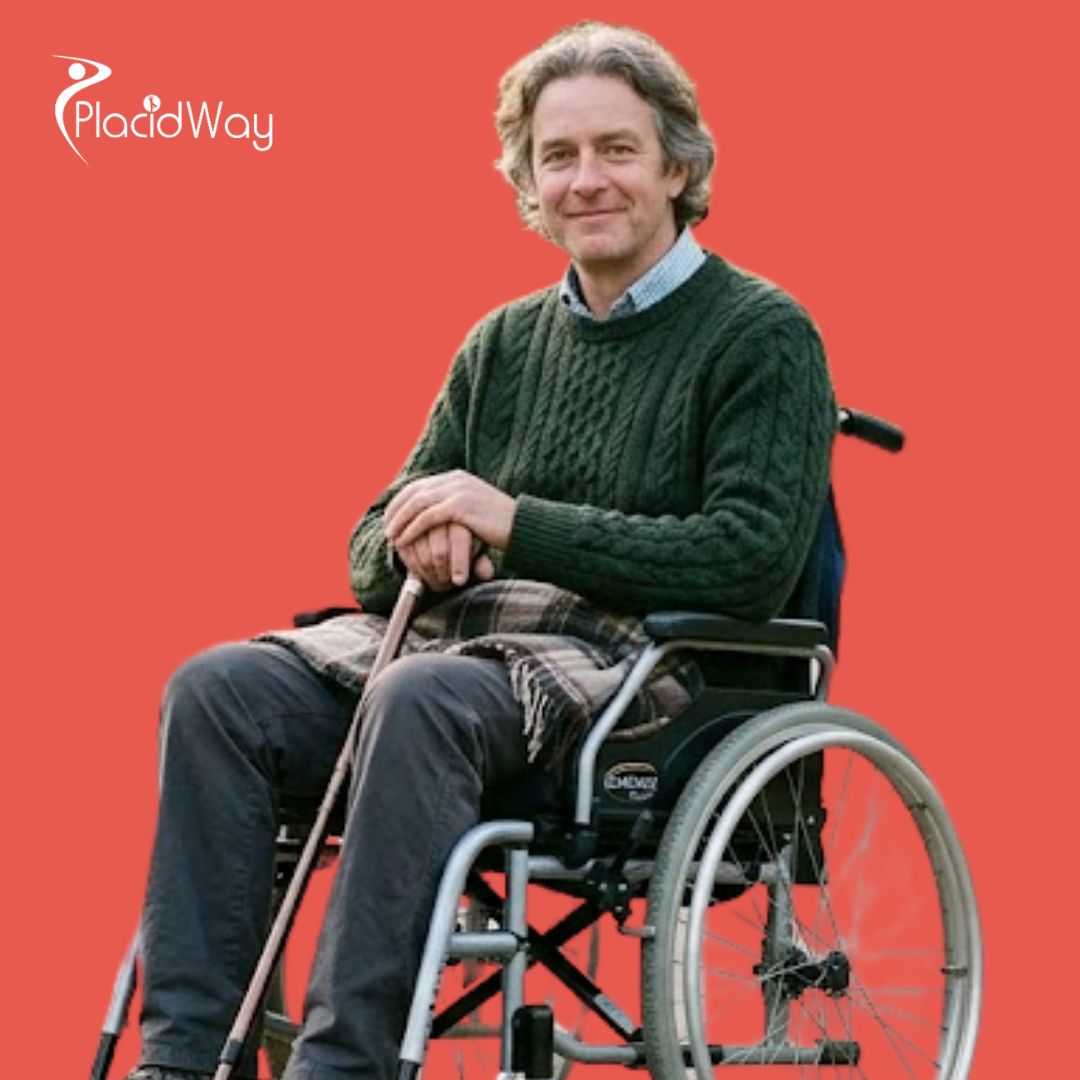
Price starting from $16,500
Stem Cell Therapy for Multiple Sclerosis Package in Puerto Vallarta by Immunotherapy Regenerative Medicine
Immunotherapy Regenerative Medicine in Puerto Vallarta
- Stem Cell Therapy
Puerto Vallarta, Mexico

Price starting from $11,500
Stem Cell Therapy for Shoulder Pain in Puerto Vallarta, Mexico by Immunotherapy Regenerative Medicine
Immunotherapy Regenerative Medicine in Puerto Vallarta
- Stem Cell Therapy
Puerto Vallarta, Mexico
Transformative Stem Cell Therapy Experiences: Dive into Procedure Insights
Discover the power of Stem Cell Therapy through compelling patient experiences. Uncover detailed insights into procedures, recovery journeys, and life-changing results.

Price starting from $16,500
Stem Cell Therapy for Multiple Sclerosis in Puerto Vallarta, Mexico
- Stem Cell Treatment for Multiple Sclerosis, Stem Cell Therapy
Puerto Vallarta, Mexico

Price starting from $15,500
Stem Cell Therapy for Lupus in Puerto Vallarta, Mexico
- Stem Cell Therapy for Lupus, Stem Cell Therapy
Puerto Vallarta, Mexico

Price starting from $19,500
Stem Cell Therapy for Heart Disease in Puerto Vallarta, Mexico
- Stem Cell Therapy for Heart Disease, Stem Cell Therapy
Puerto Vallarta, Mexico

Price starting from $16,000
Stem Cell Therapy for Stroke in Puerto Vallarta, Mexico
- Stem Cell Therapy for Stroke, Stem Cell Therapy
Puerto Vallarta, Mexico







