


Exploring Limb Lengthening in Turkey: Costs & Advantages
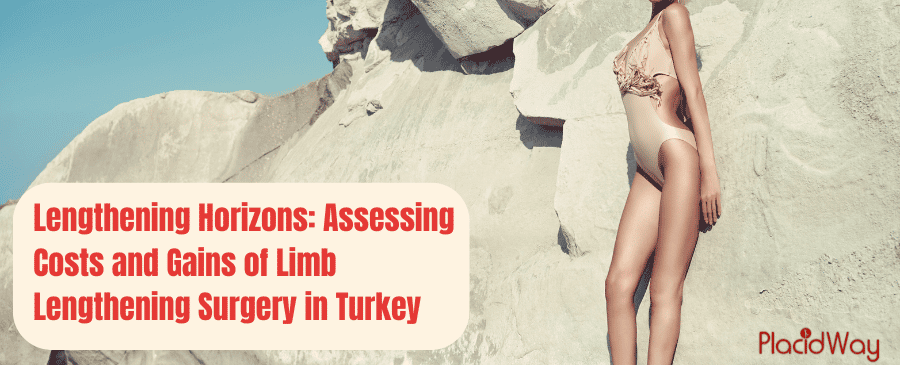
Limb lengthening surgery in Turkey costs between $15,000 and $40,000, depending on the method like LON or Precice 2. Patients achieve 2 to 6 inches of height increase. Turkey offers advanced orthopedic care at a fraction of US prices.
Key Takeaways: Procedure Insights and Advantages
- ? Substantial Financial Savings: Treatment costs are up to seventy percent lower than equivalent procedures in North America or Western Europe.
- ? Cutting Edge Techniques: Availability of highly advanced internal lengthening nails such as Precice and specialized hybrid methods.
- ? Holistic Recovery Support: Comprehensive packages often incorporate daily physiotherapy, nutritional guidance, and psychological support.
- ? Predictable Growth Timeline: Patients can safely achieve one millimeter of bone growth per day during the active distraction phase.
- ? Elite Medical Infrastructure: Joint Commission International accredited facilities ensuring global standards in orthopedic safety.
The pursuit of increased height is no longer confined by genetics or geography. Over the past decade, advancements in orthopedic science have transformed distraction osteogenesis from a reconstructive necessity into a viable cosmetic option. Patients globally are seeking safe, effective, and financially accessible avenues to achieve their desired stature.
At the forefront of this medical revolution is the flourishing sector of medical tourism in Turkey. Combining world-class surgical talent with state-of-the-art hospital infrastructure, the nation has emerged as the premier destination for complex bone lengthening procedures. Understanding the biological mechanisms, financial requirements, and rehabilitative demands is vital for anyone considering this life-altering journey.
What is the average limb lengthening surgery cost in Turkey?
The limb lengthening surgery cost in Turkey ranges from $15,000 to $40,000 based on the chosen surgical method. This includes the hospital stay, surgical fees, and basic postoperative monitoring.
The financial investment required for height increase varies heavily depending on the technological sophistication of the medical hardware utilized. Traditional external fixator methods, such as Ilizarov, sit at the lower end of the pricing spectrum, typically ranging between fifteen thousand and twenty thousand dollars. While highly cost-effective, these methods require a longer duration of external hardware management.
Mid-range pricing generally involves hybrid methods like Lengthening Over Nails. This approach, which costs between twenty thousand and twenty-eight thousand dollars, combines a temporary external fixator with an internal rod. It significantly reduces the time patients must wear the external device, offering a practical balance between comfort and overall expenditure.
At the premium tier, fully internal systems such as the Precice magnetic nail represent the pinnacle of orthopedic comfort and technology. These packages, ranging from thirty thousand to forty thousand dollars, eliminate the need for external pins entirely. The increased cost reflects the sophisticated magnetic engineering of the implants, reducing infection risks and greatly enhancing patient mobility during recovery.
How does the LON method work for limb lengthening in Turkey?
The Lengthening Over Nails method combines an internal intramedullary nail with an external fixator. It offers a shorter time wearing the external device compared to traditional pure external methods.
The Lengthening Over Nails technique begins with an intricate surgery where the orthopedic specialist inserts a titanium rod directly into the marrow cavity of the femur or tibia. Concurrently, an external fixator is attached to the leg using specialized pins that pass through the skin and secure the bone. A precise surgical cut, known as an osteotomy, is then made to separate the bone into two distinct segments.
During the active distraction phase, the patient adjusts the external fixator daily. This gradual pulling separates the bone segments by approximately one millimeter per day, encouraging the body to generate fresh bone tissue in the resulting gap. The internal nail acts as a central guide, ensuring the new bone grows perfectly straight and maintaining correct anatomical alignment throughout the stretching process.
The primary advantage of this hybrid method is apparent once the target height is reached. The internal nail is locked in place using screws, and the bulky external fixator is removed entirely. This allows the patient to undergo the lengthy bone hardening and consolidation phase without the discomfort and infection risks associated with long-term external pin wear.
What makes a limb lengthening clinic in Turkey internationally recognized?
Top facilities feature JCI accreditation and advanced orthopedic technologies. Every premium limb lengthening clinic in Turkey employs highly specialized orthopedic surgeons with extensive reconstructive experience.
International recognition is primarily driven by uncompromising adherence to global safety protocols. The leading clinics proudly hold accreditations from bodies like Joint Commission International, which mandates rigorous standards for surgical hygiene, patient care, and emergency preparedness. This guarantees that international patients receive care equivalent to or exceeding the quality found in top-tier Western hospitals.
Technological superiority is another defining factor. These specialized centers are equipped with cutting-edge diagnostic imaging tools, dedicated orthopedic operating theaters, and advanced sterilization units. They continuously invest in the latest distraction osteogenesis technologies, ensuring patients have access to the safest and most efficient surgical implants available on the global market.
Furthermore, the expertise of the medical personnel is paramount. The surgeons leading these clinics are not merely general orthopedists; they are highly trained specialists who have dedicated their careers to bone deformities and lengthening. They frequently participate in international orthopedic symposiums, bringing innovative techniques and refined surgical practices back to their respective clinics.
How long is the recovery period for limb lengthening surgery in Turkey?
The active lengthening phase takes about two to three months, followed by a consolidation phase. Full weight-bearing recovery and return to normalcy usually takes six to twelve months.
The recovery timeline is divided into two distinct, highly critical phases. The first is the distraction phase, which begins approximately one week after the initial operation. During this period, the bone is lengthened steadily at a rate of one millimeter per day. If a patient aims for three inches of growth, this phase will last approximately two and a half to three months, requiring continuous physical therapy.
Once the desired height is achieved, the consolidation phase commences. The lengthening is stopped, and the newly generated, soft bone tissue is given time to calcify and harden into solid cortical bone. This biological process cannot be rushed and typically requires an additional three to six months. Patients gradually increase their weight-bearing activities during this time under strict medical guidance.
Complete functional recovery depends heavily on the individual dedication to rehabilitation. Muscle tissues, nerves, and blood vessels must adapt to the new skeletal length. While independent walking is usually achieved within half a year, returning to dynamic physical activities and high-impact sports can take up to a full year as the body completely normalizes the new biomechanics.
Bone is one of the few tissues in the human body capable of regenerating completely without leaving scar tissue. The distraction osteogenesis process harnesses this natural ability, essentially tricking the body into healing a fracture that is slowly being pulled apart.
What are the primary risks associated with limb lengthening in Turkey?
Potential risks include infection at the pin sites, nerve compression, and delayed bone healing. Strict medical supervision and daily hygiene protocols minimize these complications significantly.
As with any major orthopedic intervention, complication risks exist and must be carefully managed. For methods utilizing external fixators, pin-site infections are the most common concern. Because the metal pins penetrate the skin and attach to the bone, bacteria can enter the wound. Daily meticulous cleaning and prompt antibiotic treatment at the first sign of redness are vital to preventing deep bone infections.
Soft tissue complications also pose a significant challenge. As the bone lengthens, the surrounding muscles, nerves, and blood vessels are stretched intensely. If the stretching outpaces the tissue ability to adapt, patients can experience nerve compression leading to numbness, or muscle contractures resulting in joint stiffness. This is precisely why intensive, supervised physiotherapy is considered non-negotiable.
Lastly, delayed union or non-union can occur, where the new bone fails to harden properly within the gap. This is more common in patients with poor nutritional habits, those who smoke, or individuals with low bone density. Specialized clinics combat this risk by requiring comprehensive preoperative health screenings and utilizing bone growth stimulators during the consolidation phase.
How much height can I realistically gain with limb lengthening in Turkey?
Most patients safely achieve an increase of two to three inches on a single bone segment. Lengthening both the femurs and tibias consecutively can yield up to six inches total.
The biological limits of height increase are dictated primarily by the elasticity of soft tissues rather than the bone itself. For a single surgery focusing on the femurs, orthopedic specialists generally recommend a maximum growth of roughly eight centimeters, which translates to just over three inches. Attempting to push past this limit drastically increases the likelihood of permanent muscle damage and nerve paralysis.
If the surgery is performed on the lower leg, the tibias, the safe maximum is slightly less. The Achilles tendon and surrounding calf muscles are notoriously tight and less forgiving during the stretching process. Surgeons typically cap tibial lengthening at roughly six centimeters, or about two and a half inches, to maintain proper ankle joint biomechanics.
For individuals seeking extreme transformations, a staged approach is utilized. A patient might gain three inches in the femurs, complete the entire year-long recovery, and then undergo a second independent surgery on the tibias to gain another two and a half inches. This consecutive strategy maximizes total height gain while prioritizing absolute biomechanical safety.
Why is medical tourism in Turkey popular for orthopedic procedures?
The nation offers a perfect blend of transparent pricing and elite healthcare infrastructure. Patients receive premium medical attention without the prohibitive costs or long waiting lists found elsewhere.
The exponential rise of medical tourism in Turkey is heavily rooted in strategic government support and heavy private investment in medical infrastructure. The country has meticulously developed healthcare hubs specifically designed to cater to international patients. This means that from the moment a patient lands, they are enveloped in a seamless ecosystem of medical expertise, translation services, and luxurious recovery accommodations.
Economic advantages play an undeniable role. Favorable exchange rates and lower operational costs allow Turkish hospitals to offer sophisticated procedures like distraction osteogenesis at deeply competitive prices. This affordability does not come at the expense of quality; the implants used are sourced from the same global manufacturers utilized by top clinics in the United States and Germany.
Furthermore, the sheer volume of reconstructive surgeries performed in these hubs means that Turkish orthopedic surgeons possess unparalleled practical experience. In complex procedures where repetitive surgical mastery directly correlates with positive outcomes, this high volume translates directly into enhanced safety and superior cosmetic results for visiting patients.
What kind of physical therapy is required after limb lengthening in Turkey?
Intensive daily physiotherapy is mandatory to prevent muscle contractures and maintain joint flexibility. It begins immediately following surgery and requires strict discipline for several months.
Rehabilitation is arguably as important as the surgical intervention itself. Physical therapy initiates within days of the operation, focusing initially on pain management, reducing swelling, and promoting blood circulation to aid the initial healing phase. Even while confined to the bed, patients undergo guided passive stretching to keep the leg muscles from shortening and seizing up.
During the active distraction phase, the daily therapy regimen becomes rigorous. As the bone grows a millimeter a day, the surrounding muscles must be physically coaxed to elongate at the same pace. Physical therapists employ deep tissue massage, aggressive stretching exercises, and sometimes hydrotherapy to ensure the muscles remain pliable. Failing to adhere to this routine can result in the joints becoming locked in a bent position.
Once the lengthening stops, the focus shifts toward strength building and weight-bearing mechanics. Therapists guide patients through assisted walking exercises, gradually shifting reliance from walkers and crutches to independent walking. This phase rebuilds the weakened leg muscles and helps the new bone density increase properly through progressive mechanical loading.
Why Choose PlacidWay for your limb lengthening surgery in Turkey?
PlacidWay connects you with globally accredited orthopedic centers and board-certified specialists. We ensure transparent medical pricing and prioritize patient safety throughout the clinical process.
Navigating international healthcare systems for complex orthopedic interventions requires specialized expertise and unwavering advocacy. PlacidWay serves as your dedicated medical liaison, ensuring that every clinical aspect of your journey is meticulously managed and verified for maximum safety.
- Rigorous Clinical Vetting: We partner exclusively with hospitals holding esteemed international accreditations, ensuring that strict surgical hygiene and emergency protocols are firmly established.
- Comprehensive Preoperative Coordination: Our team facilitates detailed medical history reviews and virtual consultations directly with leading orthopedic specialists before any financial commitments are made.
- Transparent Financial Mapping: We negotiate bundled medical packages that clearly outline surgical fees, hospital stays, and required medical hardware, eliminating hidden clinical costs.
- Dedicated Medical Advocacy: Patients receive continuous support regarding their treatment plan, ensuring that all clinical concerns are promptly addressed by the medical staff during their recovery.
- Postoperative Rehabilitation Planning: We assist in coordinating the critical physiotherapy schedules and necessary follow-up clinical evaluations vital for successful bone consolidation.
Frequently Asked Questions About The Procedure
Is there an age limit for undergoing limb lengthening surgery in Turkey?
The ideal candidates for this procedure are typically between eighteen and forty years old. Patients must have fully closed growth plates before undergoing the operation. While individuals over forty can theoretically have the surgery, the risks of delayed bone healing and joint stiffness increase significantly with age. A thorough bone density scan and health evaluation are mandatory to determine eligibility for older patients.
Can I lengthen both my femurs and tibias at the same time?
Simultaneous lengthening of all four leg bones is strongly discouraged due to the extreme physical trauma and high risk of severe complications like fat embolism. Instead, surgeons recommend a sequential approach. Patients typically lengthen the femurs first, complete the consolidation phase, and then return months or a year later to lengthen the tibias. This staged process ensures safer recovery and better functional outcomes.
Are the internal nails or external fixators removed after the bone heals?
Yes, hardware removal is a standard part of the long-term process. External fixators used in the LON method are removed once the newly formed bone is hard enough to support the internal nail. The internal intramedullary nails are typically removed in a minor outpatient surgery one to two years after the initial procedure, once the bone has completely solidified and remodeled.
How painful is the daily distraction and lengthening process?
The actual daily distraction, which involves stretching the bone by one millimeter per day, is usually described as an uncomfortable stretching sensation rather than sharp pain. The newly forming nerve endings and muscle fibers adapt gradually. However, patients do experience muscle soreness, tightness, and general discomfort, which is managed effectively with prescribed analgesics and strict adherence to daily physiotherapy routines.
Do I need to stay in Turkey for the entire consolidation phase?
Patients are required to stay in the country during the active lengthening phase, which lasts two to three months, to ensure close medical monitoring and proper physical therapy. Once you reach your target height and the distraction phase ends, you can generally travel back to your home country for the consolidation phase. You will continue to send X-rays to your surgical team for remote monitoring.
Will I have noticeable scars after the limb lengthening procedure?
Scarring depends entirely on the surgical method chosen. Fully internal methods like Precice leave only a few small, faded incision marks on the hip or knee area. External methods like LON will leave multiple small circular scars where the pins pierced the skin. Most patients find that with proper dermatological scar care and time, these marks fade significantly and become unobtrusive.
Can I return to high impact sports like running or weightlifting after full recovery?
Once the bone has fully consolidated and the hardware is removed, the newly generated bone is just as strong as your original bone. Most patients successfully return to recreational sports, jogging, and weightlifting after twelve to eighteen months. However, highly competitive or extreme impact sports might carry a slight risk, and clearance from your orthopedic specialist is required before resuming such activities.
Are the results of cosmetic limb lengthening permanent?
The height gained through distraction osteogenesis is completely permanent. Your body generates actual, living bone tissue to fill the gap created during the lengthening process. Once this new bone calcifies and hardens during the consolidation phase, it integrates seamlessly with your existing skeletal structure, meaning the additional inches will last for the rest of your life.
What type of anesthesia is utilized during the initial leg surgery?
The initial osteotomy and hardware implantation surgery is performed under either general anesthesia or epidural anesthesia combined with deep sedation. The choice depends on the specific surgical method, the duration of the operation, and the anesthesiologist evaluation of your health profile. You will be completely pain-free and unaware during the surgical procedure.
How should I prepare my body physically before traveling for this surgery?
Physical preparation is crucial for a smooth recovery. Patients are strongly advised to begin a rigorous stretching and strengthening routine several months before surgery, focusing on hamstring, quad, and Achilles tendon flexibility. Eating a nutrient-dense diet high in calcium, vitamin D, and protein, along with quitting smoking, will significantly improve your bone healing capacity and reduce postoperative complications.
Take the Next Step Towards Your Desired Height
Do not leave your complex orthopedic journey to chance. PlacidWay connects you with premium, highly vetted specialists to ensure your procedure is as safe and effective as possible. Receive a personalized clinical assessment, explore detailed surgical package breakdowns, and secure your confidence today.
* Patient coordinators respond within 24 hours. Strict medical privacy maintained.
.png)

.png)

-Treatment-Package.png)
.png)

.png)
.png)




Share this listing