



The global obesity epidemic has reached critical proportions, transcending borders and impacting public health systems in virtually every corner of the world. As traditional weight loss methods often prove insufficient for severe cases, bariatric surgery abroad has emerged as a powerful, life-saving intervention for those seeking a permanent solution. Patients today are no longer limited by their local healthcare options, instead looking toward international centers of excellence that offer affordable metabolic surgery. This global movement is fundamentally reshaping how we approach chronic weight management and long-term health restoration.
Choosing to pursue medical tourism for weight loss allows individuals to bypass long waiting lists and high domestic costs while accessing world-class expertise. Most patients experience a significant shift in their metabolic health, leading to a profound improvement in their daily energy and overall life expectancy. International facilities in countries like Mexico, Turkey, and India have become beacons of hope, offering high-quality bariatric care to a global audience. By embracing this international strategy, patients are taking a proactive step in the fight against obesity and its associated life-threatening comorbidities.
Medical tourism isn't a new phenomenon; however, the shift toward traveling for complex metabolic surgeries has grown by over 200% in the last decade due to rising healthcare costs in Western nations.
Understanding the Impact of the Obesity Epidemic on Global Health
The rising obesity rates worldwide are closely linked to a surge in chronic conditions such as type 2 diabetes, cardiovascular disease, and certain types of cancer. These health challenges typically exert immense pressure on individuals and their families, often leading to reduced quality of life and significant financial strain. Specialists generally agree that addressing obesity through effective bariatric procedures can lead to the total remission of many metabolic syndromes. The global community is increasingly recognizing that weight loss surgery is not a cosmetic choice but a medical necessity for many.
As the epidemic progresses, the demand for minimally invasive bariatric surgery has skyrocketed, prompting international clinics to adopt the latest surgical innovations. Most patients experience rapid improvements in their blood sugar levels and blood pressure almost immediately after the procedure. This collective global effort to provide accessible bariatric solutions is critical for slowing the progression of weight-related diseases. By understanding the systemic nature of the obesity crisis, we can better appreciate the vital role that international medical facilities play in providing global health solutions.
The World Health Organization reports that obesity is preventable, yet it is responsible for nearly 4 million deaths annually, making surgical intervention a primary tool for survival in high-risk groups.
Popular Destinations for Affordable Bariatric Surgery Abroad
When looking for safe bariatric surgery abroad, patients are often drawn to specific regional hubs that have established a reputation for clinical excellence and hospitality. Bariatric surgery in Mexico remains the top choice for North Americans due to its proximity and highly competitive all-inclusive packages. Meanwhile, Turkey has emerged as a powerhouse for European and Middle Eastern patients, offering ultra-modern facilities and historic recovery environments. Each of these destinations provides a unique blend of specialized weight loss care tailored to the needs of the international medical traveler.
India and Thailand are also significant players in the global medical tourism market, particularly for patients seeking advanced metabolic treatments at a fraction of Western costs. These countries often feature hospitals that are JCI-accredited, ensuring they meet the same rigorous safety standards as the best clinics in the US. Most patients experience a seamless integration of medical care and recuperation, often assisted by dedicated international patient departments. Choosing the right destination involves balancing travel logistics with the specific expertise of the international bariatric specialists available in each region.
Research the specific city's infrastructure and climate; for instance, recovering in a temperate coastal region may be more comfortable than in a high-altitude or extremely humid environment.
Comparing Bariatric Surgery Costs: Mexico, Turkey, and India
The primary driver for the growth of bariatric medical tourism is undoubtedly the significant disparity in procedure costs between different countries. Patients typically find that affordable gastric sleeve surgery abroad includes the surgeon's fee, hospital stay, and pre-operative testing for one transparent price. These cost-effective weight loss solutions make it possible for individuals without insurance coverage to access life-saving surgery. Comparing the average cost of bariatric surgery across different regions is the first step in planning a budget-friendly medical journey.
It is important to note that lower prices do not generally indicate lower quality; rather, they reflect lower labor costs and operational overhead in these regions. Most patients experience substantial financial savings, often ranging from $10,000 to over $20,000 depending on the specific procedure and destination. When evaluating bariatric surgery prices abroad, always ensure you are comparing "all-inclusive" quotes to avoid unexpected out-of-pocket expenses. This financial transparency allows patients to focus on their health rather than the burden of medical debt.
| Procedure Name | Avg. Cost Abroad (MX/TR/IN) | Avg. Cost in USA |
|---|---|---|
| Gastric Sleeve (VSG) | $3,500 - $6,500 | $15,000 - $25,000 |
| Gastric Bypass (Roux-en-Y) | $5,000 - $8,500 | $20,000 - $35,000 |
| Mini Gastric Bypass | $4,500 - $7,000 | $18,000 - $28,000 |
| Duodenal Switch | $6,500 - $9,500 | $25,000 - $40,000 |
State-of-the-Art Technology in International Bariatric Clinics
Top-tier international bariatric centers often feature the same, if not more advanced, technology as leading hospitals in Western nations. The use of robotic-assisted bariatric surgery and high-definition laparoscopic equipment has become standard in elite clinics worldwide. These advanced weight loss technologies generally lead to smaller incisions, reduced blood loss, and much faster recovery times for the patient. Most patients experience a high degree of clinical precision, which minimizes the risk of post-operative complications.
Furthermore, many clinics utilize digital patient monitoring systems that allow medical teams to track recovery data in real-time. This technological edge is a hallmark of leading medical tourism facilities, ensuring that international standards of care are consistently met. Innovations such as 3D gastric imaging help surgeons customize the procedure to the patient's unique anatomy with incredible accuracy. By choosing a facility that invests in cutting-edge bariatric tools, patients are ensuring the highest level of surgical safety and metabolic success.
Clinics using robotic-assisted techniques have reported a 15% reduction in hospital stay duration and a significant decrease in post-operative pain scores among morbidly obese patients.
The Importance of Choosing Board-Certified Bariatric Surgeons
When traveling for surgery, the expertise of your international bariatric surgeon is the single most important factor for a successful outcome. Many top surgeons in medical tourism hubs hold dual board certifications and have completed extensive fellowships in the US or Europe. It is common to find English-speaking bariatric specialists who are active members of the International Federation for the Surgery of Obesity (IFSO). Most patients experience a high level of confidence when they verify that their surgeon follows globally recognized clinical protocols.
A surgeon's specific volume and experience with complex bariatric revisions is also a key indicator of their skill level. Leading weight loss surgeons abroad typically perform hundreds of successful procedures each year, giving them a level of proficiency that is rare in general surgical practices. Patients should generally look for specialists who provide comprehensive pre-operative evaluations and personalized surgical plans. By prioritizing a surgeon's qualifications and international affiliations, you are laying the foundation for a safe and effective metabolic transformation.
Many bariatric surgeons in Mexico and Turkey are certified by the same international accreditation boards as surgeons in the United States, requiring them to undergo the same rigorous examinations and peer reviews.
Common Types of Weight Loss Procedures in Medical Tourism
International clinics offer a wide array of metabolic surgery options, ensuring that every patient receives the procedure best suited for their BMI and health history. The gastric sleeve (VSG) is currently the most popular choice worldwide due to its simplicity and high efficacy in reducing hunger hormones. For those with severe metabolic issues or high BMI, the gastric bypass (Roux-en-Y) remains the gold standard for long-term weight maintenance. Most patients experience a customized recommendation based on a thorough review of their medical records by the overseas bariatric team.
Emerging procedures like the Mini Gastric Bypass and SADI-S are also becoming more widely available in global medical hubs. These innovative bariatric techniques often offer shorter operative times and potentially better outcomes for specific patient profiles. Additionally, non-surgical options like intragastric balloons are available for those who do not qualify for or desire permanent surgery. Understanding the differences between weight loss procedures is vital for setting realistic expectations and achieving your long-term health goals through medical tourism.
The gastric sleeve procedure involves removing approximately 80% of the stomach, which not only limits food intake but also significantly reduces the production of ghrelin, the 'hunger hormone'.
Candidacy Requirements for Bariatric Surgery Patients
Determining your eligibility for weight loss surgery abroad is a comprehensive process that begins with a professional assessment of your BMI and health markers. Generally, a BMI of 35 or higher with related comorbidities like sleep apnea or hypertension makes you a strong candidate for surgery. Some international clinics may consider patients with a BMI of 30 if they have significant health risks that have not responded to traditional weight loss efforts. Most patients experience a detailed virtual consultation to ensure they meet the safety criteria for bariatric surgery.
In addition to physical health, surgeons generally require a level of psychological preparedness and a commitment to lifelong dietary changes. Contraindications for bariatric surgery typically include active substance abuse, untreated mental health disorders, or severe cardiovascular instability. It is also common for specialists to recommend a specific pre-operative liquid diet to shrink the liver and reduce surgical risks. Being transparent about your complete medical history is the most important step in ensuring you are a suitable candidate for metabolic surgery.
Patients with a history of severe blood clotting disorders or active ulcers must undergo specialized clearance before traveling for surgery, as these factors significantly increase post-operative risks.
Planning Your Medical Tourism Journey for Weight Loss
A successful medical travel experience requires meticulous planning, starting from the moment you decide to pursue surgery in a foreign country. You will need to coordinate with a medical tourism facilitator to manage your medical records, travel visas, and local transportation. Many top clinics offer all-inclusive bariatric packages that include airport transfers, hospital stays, and post-op hotel recuperation. Most patients experience a much smoother journey when they have a dedicated coordinator managing the logistics of surgery abroad.
Timing is also critical; you should allow for at least 7 to 10 days in the destination country to ensure adequate immediate recovery before flying home. It is generally recommended to bring a companion to assist with mobility and emotional support during the first few days post-surgery. Additionally, securing medical complications insurance specifically designed for medical travelers is a prudent way to mitigate financial risks. By following a structured medical tourism checklist, you can focus on your recovery while the logistical details are handled by professionals.
Book your flights with 'aisle seats' to allow for frequent walking during the return trip, which is essential for preventing blood clots after abdominal surgery.
Long-Term Success and Maintenance After Surgery Abroad
The surgery itself is only the beginning of a lifelong commitment to sustained weight loss and nutritional health. Success after bariatric surgery abroad depends heavily on your adherence to the post-operative dietary phases, transitioning slowly from liquids to solid foods. You will need to commit to lifelong bariatric vitamins to prevent nutritional deficiencies that can occur due to malabsorption or reduced intake. Most patients experience the best results when they participate in online bariatric support groups to stay motivated and informed.
Regular follow-up appointments with a local primary care doctor or nutritionist are essential for monitoring your progress and health markers. Specialists typically recommend annual blood work to check for deficiencies in Vitamin B12, iron, and protein levels. It is also common to experience a weight loss plateau at several points; staying consistent with exercise and protein intake is the key to breaking through. By treating the surgery as a tool rather than a final solution, you can achieve permanent weight management and a much healthier lifestyle.
Patients who attend regular support group meetings and follow-up appointments lose an average of 10% more excess body weight than those who attempt to manage their recovery alone.
Risks and Safety Protocols in International Bariatric Care
While bariatric surgery is generally safe, it is a major surgical procedure that carries inherent risks, regardless of where it is performed. Potential complications typically include infection, surgical leaks at the staple line, or issues related to general anesthesia. International clinics generally minimize these risks by adhering to strict JCI safety protocols and utilizing state-of-the-art sterile environments. Most patients experience an uneventful recovery by following the post-operative care instructions provided by their surgical team.
Travel-specific risks, such as Deep Vein Thrombosis (DVT) from long flights, must be addressed through the use of compression socks and frequent movement. Leading bariatric facilities abroad provide detailed risk disclosure documents that patients must review and sign prior to the procedure. It is also vital to ensure that your clinic has a dedicated emergency response team and access to an Intensive Care Unit (ICU) if needed. By understanding and proactively managing these potential surgical risks, you can ensure a safer medical tourism experience.
The risk of major complications following bariatric surgery is currently lower than the risk associated with common procedures like gallbladder removal or hip replacement, estimated at less than 1% in accredited centers.
Patient Perspectives: Transformative Weight Loss Journeys Globally
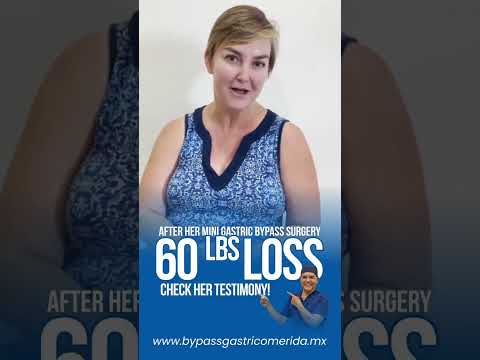
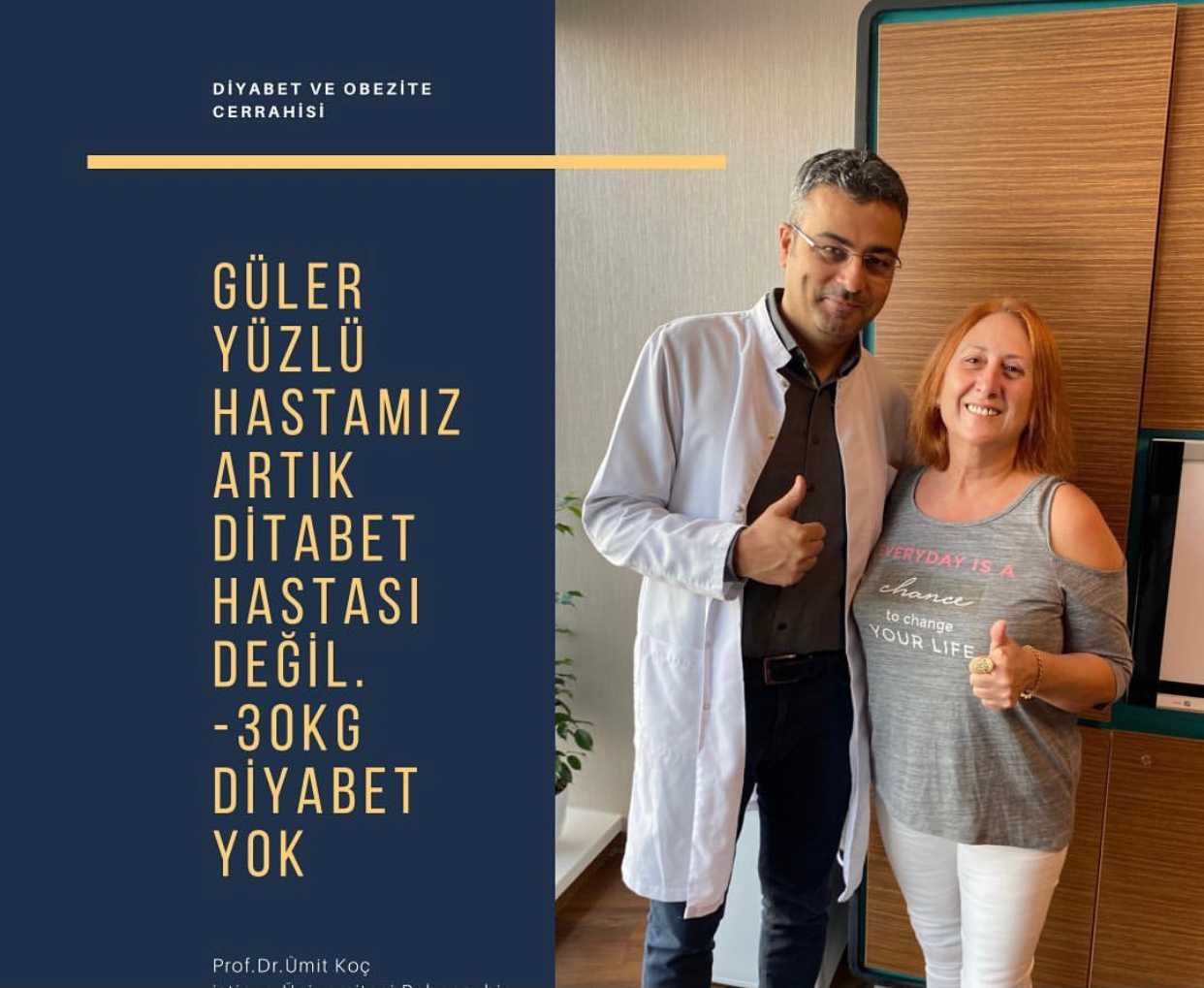
Reading bariatric surgery success stories from real patients can provide the inspiration and clarity needed to begin your own weight loss journey. Many international patients share how traveling to Mexico or Turkey allowed them to access care that was financially out of reach in their home countries. These weight loss testimonials often highlight the compassionate care received from international nursing staff and the high level of surgeon expertise. Most patients experience a sense of renewed freedom as they shed excess weight and resolve chronic health issues.
Beyond physical changes, many patients report a significant improvement in their mental health and self-confidence after surgery. These personal accounts frequently emphasize the importance of preparation and having a realistic view of the recovery process. Authentic patient reviews for clinics abroad are a valuable resource for verifying the quality of care and the actual results achieved by others. By learning from the experiences of medical tourists, you can gain practical insights into what to expect during your own metabolic transformation.
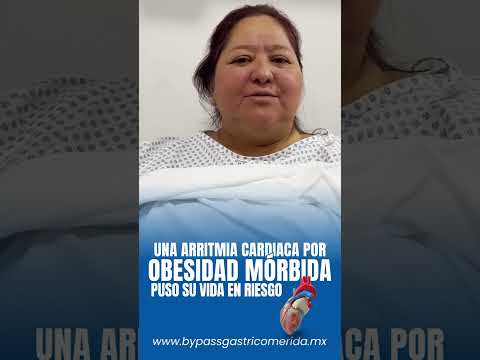
A Life Saved in Mexico
"I struggled with my weight for 20 years and couldn't afford the $20k quote in the US. I traveled to Mexico for a gastric sleeve and lost 100 lbs in 14 months. My diabetes is gone, and I finally have my life back." – Robert, 42
Expert Care in Turkey
"The hospital in Istanbul was like a 5-star hotel. My surgeon was incredibly thorough and answered all my questions in perfect English. The bypass changed my life, and I felt safe every step of the way." – Sarah, 35
India's Compassionate Specialists
"I was nervous about the distance, but the care in India was world-class. The team took care of everything from my visa to my nutrition plan. I've lost 80 lbs and feel 20 years younger." – James, 55
Supportive Global Community
"The online support group for patients who traveled abroad was my lifeline. It helped me navigate the liquid diet phase and stay on track. I am now 2 years post-op and maintaining my goal weight." – Elena, 39
How PlacidWay Assists Your Global Bariatric Surgery Search
Finding a trustworthy bariatric clinic abroad can be overwhelming, which is why having a specialized partner is essential for a secure experience. PlacidWay simplifies the medical tourism process by providing a curated list of accredited hospitals and board-certified surgeons across the globe. You can easily compare bariatric packages, read verified patient reviews, and request direct consultations with international specialists. Most patients experience a significant reduction in stress when their medical travel logistics are managed by a dedicated team.
The platform ensures that you have access to transparent pricing and detailed information about the facilities' certifications and success rates. By facilitating clear communication between patients and clinics, PlacidWay helps you make the most informed decision for your health. Whether you are looking for affordable weight loss surgery in Mexico or advanced bypass procedures in Europe, the right guidance is available. Our mission is to empower you to take control of your health through safe and accessible global medical options.
- Provides access to a global network of JCI-accredited bariatric hospitals.
- Facilitates direct, transparent quotes from board-certified bariatric surgeons.
- Offers comprehensive informational resources to help patients prepare for surgery abroad.
- Assists in managing the logistical requirements for safe international medical travel.
Frequently Asked Questions About Bariatric Surgery Abroad
Navigating the world of international medical travel naturally leads to many questions about safety, logistics, and long-term outcomes. Many patients are curious about visa requirements for medical tourism and how to coordinate follow-up care with their local physicians once they return. Addressing these frequently asked questions transparently is essential for building confidence and ensuring a well-prepared patient. Most patients experience a sense of relief when they find clear, authoritative answers to their most pressing concerns about bariatric care abroad.
We have compiled a list of the most common inquiries to help guide you through your global weight loss journey with clarity. From understanding the cost of gastric sleeve surgery in different regions to knowing what to pack for your recovery, our goal is to provide practical insights. Thorough research is your best defense against uncertainty and is the key to a successful metabolic surgery experience. By staying informed, you are taking the most important step toward a healthier, obesity-free future.
Mexico, Turkey, India, and Thailand are currently the most popular destinations due to their combination of JCI-accredited facilities and highly experienced surgeons. Each country offers unique advantages in terms of proximity and specialized packages. Your choice should depend on your specific medical needs and travel preferences.
Most international patients typically save between 50% and 80% on the total cost of surgery compared to average prices in the US or UK. These savings generally include hospital fees, surgeon fees, and anesthesia. Even after factoring in travel expenses, the financial advantage remains significant.
Surgery abroad is generally safe when patients select accredited facilities that follow international healthcare protocols. Many top bariatric centers abroad are JCI-accredited and employ surgeons with international fellowships. Diligent research into clinic credentials and patient outcomes is essential for a safe experience.
Typical risks include travel-related complications like Deep Vein Thrombosis (DVT) and the challenge of coordinating long-distance follow-up care. There is also a small risk of infection or surgical leaks, similar to domestic procedures. Utilizing medical travel insurance and following strict post-op protocols helps mitigate these risks.
Visa requirements vary significantly by destination; for example, India requires a specific Medical Visa, while Mexico often allows US citizens to enter for short stays with a standard permit. You should always consult the official consulate of your destination country well in advance. Ensuring your passport is valid for at least six months is also mandatory.
Specialists typically recommend staying for at least 7 to 10 days post-surgery to monitor for immediate complications and ensure you are stable for flight. This period allows for initial dietary transitions and the removal of any sutures if necessary. Rushing back home early can increase the risk of travel-related health issues.
Most standard domestic insurance plans do not cover elective weight loss surgery performed outside of their specific network or country. However, some international health insurance plans or specialized medical travel financing may offer options. It is crucial to verify your coverage details directly with your insurance provider before making plans.
Long-term follow-up typically involves regular blood work to monitor vitamin levels and nutritional status, as well as meetings with a dietitian. You will also need occasional check-ups with a bariatric specialist to ensure the surgery remains effective. Establishing a relationship with a local primary care doctor for this monitoring is highly recommended.
Many elite bariatric surgeons in medical tourism hubs have completed fellowships in the US, UK, or Europe and are members of international surgical societies. They often follow the same clinical guidelines set by organizations like IFSO or ASMBS. Verifying a surgeon's specific training and board certifications is a vital part of your research.
While some patients do travel alone, specialists generally recommend bringing a companion to assist with mobility and emotional support during the first few days of recovery. Having a companion also helps in managing logistics and monitoring your condition during the flight home. Many clinics offer companion-friendly recovery packages to facilitate this.
Ready to fight the obesity epidemic and reclaim your health with global expert care? Let PlacidWay connect you with world-class bariatric specialists.
.png)



.png)
.png)

.jpg)

.jpg)








Share this listing