
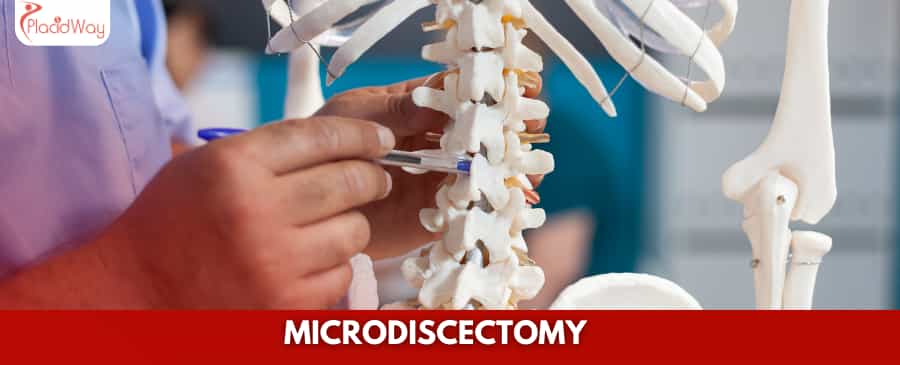
Seeking Lasting Relief from Sciatica and Herniated Disc Pain? Discover Microdiscectomy Abroad
Are you experiencing persistent, debilitating pain radiating down your leg, often accompanied by numbness or weakness? This could be a sign of a herniated disc, a common condition where the soft cushion between your vertebrae pushes out and irritates a spinal nerve. For many, this "pinched nerve in the lower back" leads to severe sciatica pain, making everyday activities a challenge and significantly impacting quality of life.
While conservative treatments like physical therapy and medication are often the first line of defense, they aren't always enough. When chronic pain persists, a microdiscectomy might be the life-changing solution you've been searching for. This advanced, minimally invasive spine surgery aims to relieve pressure on the spinal nerve, offering effective and often immediate relief from the discomfort of a herniated or "slipped disc."
But what if the cost or waiting times in your home country are prohibitive? This is where medical tourism for microdiscectomy shines. Patients globally are discovering high-quality, affordable options for this crucial procedure in destinations renowned for their medical expertise and state-of-the-art facilities. This guide will explore everything you need to know about microdiscectomy, from understanding your symptoms to navigating your journey for treatment abroad, helping you take the first step towards a pain-free life.
What are the Symptoms of a Herniated Disc that Might Lead to Microdiscectomy?
A herniated disc often manifests with a distinct set of symptoms that can range from mild discomfort to severe, incapacitating pain. Understanding these signs is crucial for early diagnosis and treatment. Most commonly, a herniated disc in the lower back (lumbar spine) leads to:
- Sciatica: This is the hallmark symptom, characterized by sharp, shooting pain that radiates from the lower back, through the buttock, and down the leg, sometimes extending to the foot. Patients often describe it as a "pinched nerve in leg" or "radiating leg pain."
- Numbness or Tingling: You might experience a sensation of "pins and needles" or complete numbness in the area served by the affected nerve, often in the leg, foot, or toes.
- Muscle Weakness: The compressed nerve can interfere with muscle function, leading to weakness in the leg or foot. This might result in a "foot drop," where you struggle to lift the front part of your foot.
- Pain Aggravated by Movement: Bending, twisting, coughing, or sneezing can intensify the pain as these actions put additional pressure on the disc and nerve. Sitting for long periods can also worsen symptoms.
- Localized Back Pain: While leg pain is often more prominent, some individuals may also experience pain in the lower back, though this is not always the primary complaint.
If you're searching for "sciatica pain relief" or "herniated disc pain in leg," and these symptoms resonate, seeking a medical evaluation is essential to determine if a herniated disc is the cause and if microdiscectomy is a suitable treatment.
What Causes a Herniated Disc and Who is at Risk?
Understanding "what causes a slipped disc" or "how do you get a herniated disc" helps in prevention and early intervention. A herniated disc occurs when the soft, jelly-like center (nucleus pulposus) of a spinal disc pushes out through a tear in its tougher exterior (annulus fibrosus). This bulging or rupturing disc can then press on nearby spinal nerves, leading to symptoms like sciatica.
Several factors contribute to disc herniation:
- Age-Related Degeneration: As we age, our discs naturally lose water content, becoming less flexible and more prone to tearing. This is the most common cause of a "degenerative disc."
- Trauma or Injury: A sudden impact, fall, or whiplash injury can cause a disc to herniate.
- Improper Lifting Techniques: Using your back instead of your legs to lift heavy objects can put immense strain on the spinal discs, leading to rupture.
- Repetitive Motions: Jobs or activities that involve constant bending, twisting, or prolonged sitting can contribute to disc wear and tear.
- Obesity: Excess body weight puts increased stress on the spinal discs, particularly in the lower back, raising the risk of herniation.
- Sedentary Lifestyle: Lack of regular exercise weakens back and abdominal muscles, which are crucial for spinal support.
- Genetics: Some individuals may be genetically predisposed to developing disc problems.
- Smoking: Nicotine can reduce blood flow to spinal discs, accelerating degeneration.
If you're wondering about "risk factors for back pain" and you fall into one of these categories, it's important to be mindful of your spinal health and consult a doctor if symptoms arise.
What Types of Microdiscectomy and Disc Treatments Are Available?
When searching for "types of back surgery for herniated disc" or "minimally invasive spine surgery," you'll encounter several options, with microdiscectomy being a prominent one. The goal of these treatments is to relieve nerve compression and alleviate pain.
Non-Surgical Treatments (First Line):
- Physical Therapy: Exercises to strengthen core muscles, improve posture, and increase flexibility.
- Medications: Pain relievers, anti-inflammatories, muscle relaxants, and nerve pain medications.
- Epidural Steroid Injections: Injections directly into the spinal canal to reduce inflammation and pain around the affected nerve.
- Rest and Activity Modification: Avoiding activities that aggravate pain.
Surgical Treatments (When Conservative Measures Fail):
- Standard Microdiscectomy: This is the most common surgical approach for a herniated disc. It involves making a small incision (typically 1-2 inches) in the back, using a microscope or loupes to visualize the spine, and carefully removing the herniated portion of the disc that is pressing on the nerve. The goal is to preserve as much of the healthy disc as possible.
- Endoscopic Microdiscectomy: An even less invasive approach, utilizing an endoscope (a thin, flexible tube with a camera) inserted through a tiny incision. This offers a magnified view and allows for disc removal with minimal muscle disruption, potentially leading to faster recovery. Many patients specifically look for "endoscopic spine surgery" due to its benefits.
- Open Discectomy: A more traditional approach with a larger incision and more muscle retraction, typically reserved for complex cases or when other methods are not feasible. This is less common for simple herniations today due to advancements in minimally invasive techniques.
- Laminectomy/Laminotomy: Sometimes, a small part of the vertebral bone (lamina) may need to be removed (laminotomy) or the entire lamina (laminectomy) to create more space and access the herniated disc. This is often performed in conjunction with a discectomy. While "microdiscectomy vs laminectomy" is a common search, they are often complementary rather than mutually exclusive procedures.
Your surgeon will recommend the most appropriate procedure based on the specific location and severity of your herniation, as well as your overall health and symptoms.
Am I an Eligible Candidate for Microdiscectomy?
Deciding "who needs microdiscectomy" or "when is back surgery necessary" involves careful consideration and typically follows a clear diagnostic pathway. While microdiscectomy is highly effective, it's not the first course of action for everyone with a herniated disc. You might be considered an eligible candidate if:
- Persistent Nerve Pain (Sciatica): Your primary symptom is radiating leg pain (sciatica), numbness, or weakness that has not improved after 6-12 weeks of conservative treatments (such as physical therapy, medication, and injections). Surgeons typically look for specific "criteria for herniated disc surgery."
- Clear Evidence of Nerve Compression: Imaging tests like an MRI clearly show a herniated disc pressing on a specific spinal nerve, correlating with your symptoms.
- Significant Functional Impairment: Your pain is severe enough to significantly interfere with daily activities, work, or quality of life.
- Progressive Neurological Deficits: You are experiencing worsening muscle weakness, numbness, or a foot drop, indicating progressive nerve damage. In rare cases, bowel or bladder dysfunction (cauda equina syndrome) necessitates emergency surgery.
- Good Overall Health: You are generally healthy enough to undergo surgery and anesthesia, without significant underlying medical conditions that would make the procedure too risky.
- No Improvement with Other Treatments: You have diligently followed a course of non-surgical treatments without achieving sufficient relief.
It's important to have a thorough evaluation by a spine specialist to determine if microdiscectomy is the right path for your specific condition. They will review your medical history, symptoms, and imaging results to make an informed recommendation.
What is the Typical Microdiscectomy Recovery Time and What Can I Expect?
One of the most appealing aspects of microdiscectomy is its relatively rapid recovery compared to traditional open back surgery. Patients often wonder about the "microdiscectomy recovery timeline" and what "life after microdiscectomy" truly entails.
- Immediately After Surgery:
- Many patients experience immediate relief from leg pain.
- You'll typically stay in the hospital for 1-2 days.
- You'll be encouraged to walk shortly after surgery, often within hours.
- First Few Weeks (2-4 Weeks Post-Op):
- You'll focus on light activity, avoiding heavy lifting, bending, and twisting (these are common "post-op restrictions microdiscectomy" patients need to follow).
- Pain at the incision site is normal and managed with medication.
- Most people can return to light office work or sedentary activities within 2-4 weeks.
- Physical therapy often begins during this period to regain strength and flexibility.
- 1-3 Months Post-Op:
- Gradual increase in activity levels, guided by your physical therapist.
- Return to more strenuous activities, though heavy lifting and contact sports may still be restricted.
- Continued focus on core strengthening and good posture.
- 3-6 Months Post-Op and Beyond:
- Most patients can resume all normal activities, including sports, if cleared by their surgeon and physical therapist.
- Full nerve healing can take several months, so residual numbness or tingling may slowly resolve over time.
It's vital to adhere to your surgeon's instructions and engage actively in physical therapy for optimal long-term results. While recovery is generally quick, individual experiences can vary.
What Are the Risks and Potential Side Effects of Microdiscectomy?
While microdiscectomy is a safe and generally effective procedure, like any surgery, it carries potential risks and side effects. Patients often ask, "is microdiscectomy dangerous?" or "what are the side effects of microdiscectomy?" It's important to be aware of these possibilities, though serious "complications of back surgery" are infrequent.
- Infection: As with any surgical incision, there's a small risk of infection at the surgical site.
- Bleeding: Minor bleeding is normal, but excessive bleeding requiring a transfusion is rare.
- Nerve Damage: Although the surgery aims to relieve nerve compression, there's a very small risk of accidental nerve damage, which could lead to new or worsened weakness, numbness, or pain.
- Dural Tear (Cerebrospinal Fluid Leak): The dura is the protective membrane surrounding the spinal cord and nerves. A tear can occur during surgery, leading to a cerebrospinal fluid leak. This is usually repaired during surgery and typically resolves without long-term issues, but may require a few days of bed rest.
- Recurrent Disc Herniation: The removed portion of the disc cannot herniate again, but other parts of the same disc or an adjacent disc can. The recurrence rate is typically 5-10% and can occur months or years after the initial surgery.
- Anesthesia Risks: Reactions to anesthesia, such as nausea, vomiting, or more severe cardiovascular or respiratory problems, are possible.
- Persistent Pain: In some cases, despite a technically successful surgery, some pain may persist if the nerve was compressed for an extended period or if there are other underlying issues.
Your surgeon will discuss these risks with you in detail, ensuring you understand them before proceeding with the procedure. The benefits of pain relief often far outweigh these potential, relatively rare, risks.
How Much Does Microdiscectomy Cost Worldwide?
One of the primary drivers for patients considering "medical tourism for back surgery" or searching for "cheap herniated disc surgery" is the significant cost discrepancy across different countries. The price of microdiscectomy can vary dramatically depending on the healthcare system, surgeon's fees, hospital stay, and included services.
Here’s a general "microdiscectomy cost comparison" to give you an idea:
| Country | Estimated Cost Range (USD) | Notes |
|---|---|---|
| United States | $25,000 - $60,000+ | Highly variable by state and facility; includes surgeon's fees, anesthesia, hospital stay, facility fees. Often covered by insurance, but high deductibles/copays for uninsured. |
| Canada | Public system: No direct cost; Private: $15,000 - $30,000+ | Long waiting lists in the public system for elective procedures; private options are available but costly. |
| United Kingdom | NHS: No direct cost; Private: £10,000 - £25,000 ($12,000 - $30,000+) | Similar to Canada, long waiting lists for non-emergency procedures in the NHS; private care is expensive. |
| Mexico | $4,000 - $8,000 | Excellent value with modern facilities, JCI-accredited hospitals, and U.S.-trained surgeons, especially in border cities. |
| Turkey | $5,000 - $10,000 | Known for high-quality, advanced medical infrastructure and experienced surgeons, particularly in Istanbul and Ankara. Comprehensive packages often available. |
| India | $3,000 - $7,000 | One of the most affordable options, with world-class hospitals and highly skilled surgeons, particularly in major cities like Delhi, Mumbai, and Chennai. |
| Thailand | $5,000 - $9,000 | Combines excellent medical care with a pleasant recovery environment. Hospitals are often internationally accredited and cater well to foreign patients. |
These prices are estimates and can fluctuate based on the specific clinic, surgeon's reputation, and what's included in the package (e.g., pre-op tests, post-op care, accommodation). When researching "cost of back surgery abroad," it’s crucial to get a detailed quote that covers all aspects of your treatment.
Why Consider Microdiscectomy Abroad for Sciatica and Back Pain?
For many individuals suffering from chronic sciatica and back pain due to a herniated disc, the decision to undergo microdiscectomy is a significant one. When domestic options present challenges, "medical tourism for back surgery" offers a compelling alternative. Here are key reasons why patients choose to look beyond their borders:
- Substantial Cost Savings: As seen in the cost comparison, the price difference for microdiscectomy can be staggering. Patients can often save 50-80% on total treatment costs, even when factoring in travel and accommodation. This is often the primary driver for those without comprehensive insurance or facing high out-of-pocket expenses.
- Reduced Waiting Times: In countries with public healthcare systems (like Canada or the UK), elective surgeries like microdiscectomy can involve long waiting lists, sometimes extending for months. Traveling abroad allows patients to receive timely treatment, preventing prolonged suffering and potential worsening of their condition.
- Access to World-Class Specialists and Technology: Many medical tourism destinations boast internationally recognized spine surgeons who perform a high volume of microdiscectomy procedures using advanced, state-of-the-art technology. These clinics often have JCI accreditation, signifying adherence to global healthcare standards.
- Privacy and Anonymity: Some patients prefer the discretion that comes with receiving medical treatment away from their local community.
- Opportunity for Recovery in a Relaxing Environment: Combining your treatment with a trip allows you to recover in a pleasant, often vacation-like setting, which can contribute positively to your mental and physical well-being.
- Comprehensive Care Packages: Many international clinics and medical tourism facilitators offer all-inclusive packages that cover surgery, hospital stay, accommodation, airport transfers, and even translator services, simplifying the process for international patients.
The combination of "affordable spine surgery overseas" and high-quality care makes medical tourism an increasingly attractive option for those seeking effective relief from herniated disc pain.
Which Countries Offer the Best Value for Microdiscectomy Medical Tourism?
When selecting a destination for your microdiscectomy, "best countries for back surgery tourism" often balance cost-effectiveness with high-quality medical standards, advanced facilities, and a supportive environment for international patients. Several countries have emerged as leaders in this field:
- Mexico: Particularly popular with North American patients due to its proximity. Cities like Tijuana, Cancun, and Guadalajara offer modern hospitals, JCI-accredited facilities, and many U.S.-trained spine surgeons at a fraction of the cost. "Spine surgery in Mexico" often includes excellent post-operative care and easy accessibility.
- Turkey: A rising star in medical tourism, offering world-class care, especially in Istanbul and Ankara. Turkey boasts numerous JCI-accredited hospitals equipped with cutting-edge technology and highly experienced surgeons. Patients often find comprehensive packages for "microdiscectomy in Turkey reviews" praising the quality and value.
- India: Known for its highly skilled doctors and state-of-the-art hospitals, particularly in major cities like Delhi, Mumbai, Chennai, and Bangalore. India offers some of the most competitive prices globally without compromising on quality, making it a top choice for "affordable spine surgery India."
- Thailand: Combining exceptional medical care with famous hospitality, Thailand is a favorite. Hospitals in Bangkok and Phuket are internationally recognized, providing advanced treatments in a comfortable, often luxurious, recovery setting. Many patients choose "back surgery in Thailand" for its holistic approach and vacation-like experience.
- South Korea: Renowned for its technological advancements and highly specialized medical professionals, South Korea offers excellent quality spine care. While slightly higher in cost than some other Asian destinations, it remains significantly more affordable than Western countries for superior technological infrastructure and expertise.
These countries not only offer significant cost savings but also boast robust medical tourism infrastructures designed to cater to international patients, including multilingual staff, patient coordinators, and seamless logistical support.
What to Expect When Traveling Abroad for Your Microdiscectomy?
Embarking on a medical journey abroad might seem daunting, but with proper planning, it can be a smooth and rewarding experience. Here's a general guide on "what to expect when traveling for this procedure" and "how to plan a medical trip for surgery":
- Initial Consultation and Planning:
- Research: Identify reputable clinics and surgeons in your chosen destination.
- Medical Records: Compile and share your medical history, MRI scans, and diagnostic reports with potential clinics for remote evaluation.
- Virtual Consultations: Engage in video calls with surgeons and patient coordinators to discuss your case, treatment plan, and clarify any doubts.
- Quote and Package: Obtain a detailed, all-inclusive quote covering surgery, hospital stay, medications, and perhaps even accommodation and transfers.
- Travel Logistics:
- Visa and Passport: Ensure your passport is valid and check visa requirements for your destination.
- Flights: Book your flights, considering comfort for post-op travel. Many patients opt for business class or extra legroom.
- Accommodation: Arrange for suitable accommodation for pre- and post-operative stays. Many clinics assist with this.
- Travel Insurance: Invest in comprehensive travel insurance that includes medical emergency coverage abroad.
- Upon Arrival:
- Airport Pick-up: Many clinics arrange airport transfers.
- Pre-operative Appointments: You'll have in-person consultations, physical exams, and possibly further diagnostic tests.
- Language Support: Hospitals catering to international patients usually have multilingual staff or dedicated translators.
- During and After Surgery:
- The surgery itself will follow standard medical protocols.
- Post-operative care, including pain management and initial physical therapy, will be provided during your hospital stay.
- You'll receive clear instructions for your recovery period, including activity restrictions and wound care.
- Return Home and Follow-up:
- Ensure you have a detailed medical report and discharge summary to share with your local doctor.
- Plan for follow-up care and physical therapy once you return home.
Working with a reputable medical tourism facilitator like PlacidWay can significantly simplify this process, managing many of the logistics for you and providing peace of mind.
How to Ensure Safety and Quality for Microdiscectomy Abroad?
The thought of undergoing surgery in an unfamiliar country can raise concerns about safety and quality. However, many international hospitals meet, and often exceed, global standards. To ensure a safe and successful "microdiscectomy abroad," consider these crucial steps:
- Look for International Accreditation: Prioritize hospitals and clinics that hold international accreditations, such as those from the Joint Commission International (JCI). JCI accreditation signifies that a healthcare organization meets stringent global standards for patient safety and quality of care. Many "accreditation for overseas hospitals" guides will highlight JCI as the gold standard.
- Verify Surgeon Credentials and Experience: Research your surgeon's qualifications, board certifications, experience with microdiscectomy, and the number of procedures they perform annually. Look for specialists who have received training in internationally recognized medical institutions.
- Read Patient Reviews and Testimonials: Look for "microdiscectomy abroad reviews" and patient success stories from previous international patients. Online forums, medical tourism platforms, and clinic websites can provide valuable insights into other people's experiences.
- Transparent Pricing and Comprehensive Packages: Ensure the clinic provides a detailed, all-inclusive quote that covers all aspects of your treatment, including pre-op tests, surgery, hospital stay, medications, and follow-up care. Avoid clinics with hidden fees.
- Clear Communication and Language Support: Confirm that the medical team can communicate effectively in English or that reliable translation services are readily available. Clear communication is vital for understanding your treatment plan and expressing concerns.
- Advanced Technology and Facilities: Choose clinics that utilize modern surgical techniques and equipment, such as operating microscopes or endoscopic tools, which contribute to better outcomes and faster recovery.
- Pre-Operative Consultation and Evaluation: A thorough pre-operative assessment, ideally via telemedicine, should be conducted by the surgical team to confirm your eligibility and tailor the treatment plan.
By diligently researching and asking the right questions, you can significantly mitigate risks and enhance your "safe medical tourism tips" experience, ensuring you receive high-quality care.
What are Patient Success Stories and Testimonials from Microdiscectomy Abroad?
The real measure of any medical procedure lies in the outcomes experienced by patients. For those considering "microdiscectomy abroad reviews" and "successful back surgery stories," the experiences of others can be incredibly reassuring and inspiring.
Numerous patients who have undergone microdiscectomy in international medical tourism hubs report overwhelmingly positive results:
- Dramatic Pain Relief: A common theme among "patient experiences overseas" is the immediate and significant reduction in chronic leg and back pain that had plagued them for months or even years. Many describe waking up from surgery feeling a profound absence of the radiating pain.
- Restored Mobility and Function: Patients frequently share stories of regaining the ability to walk, stand, sit, and engage in daily activities without limitations. This return to normalcy allows them to enjoy hobbies, work, and family life that were previously curtailed by pain.
- Improved Quality of Life: Beyond just pain relief, testimonials often highlight an overall improvement in mood, energy levels, and psychological well-being. The relief from chronic pain allows individuals to return to an active, fulfilling life.
- High Standard of Care: Many patients commend the personalized attention, professionalism, and compassionate care received from medical staff abroad, often noting that it exceeded their expectations. This includes clear communication, efficient processes, and a clean, modern environment.
- Affordability Without Compromise: A significant portion of "microdiscectomy abroad reviews" emphasize the joy of receiving world-class treatment at a fraction of the cost in their home country, proving that quality care doesn't always come with an exorbitant price tag.
These stories serve as powerful testaments to the efficacy of microdiscectomy and the value proposition of medical tourism, empowering more individuals to seek the relief they deserve.
Take the Next Step with PlacidWay
Ready to explore treatment options abroad? Discover top clinics, compare prices, and get a free quote tailored to your needs with PlacidWay.
Orthopedic Surgery Abroad, Knee Sugery Abroad




.png)

.jpg)






.png)
.png)












Share this listing