
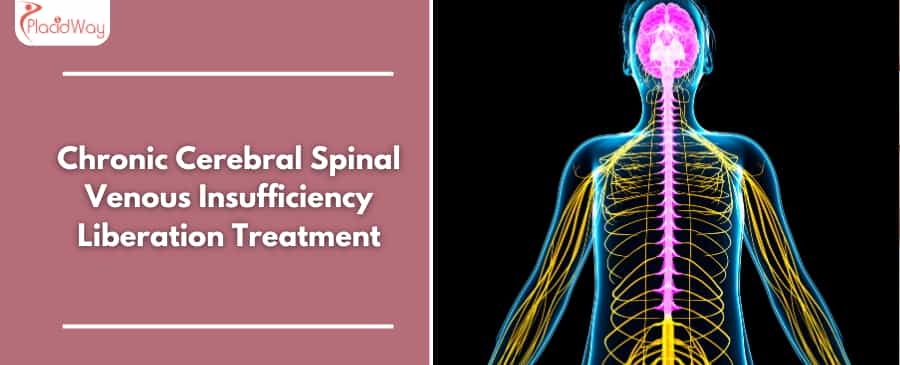
Finding Hope: Understanding Chronic Cerebral Spinal Venous Insufficiency (CCSVI) Liberation Treatment
Living with chronic, debilitating symptoms like persistent fatigue, brain fog, balance issues, or unexplained pain can be a profoundly isolating experience. For some, these challenging health concerns lead them to investigate conditions like Chronic Cerebral Spinal Venous Insufficiency, or CCSVI. This condition involves blockages or narrowing in the veins responsible for draining blood from the brain and spinal cord, potentially affecting neurological function.
While CCSVI remains a subject of ongoing research and debate within the medical community, a "liberation treatment"—often involving a procedure like venoplasty or stenting to open these narrowed veins—has gained attention from patients searching for relief. This article aims to provide a comprehensive, patient-focused look at CCSVI and its liberation treatment, exploring its symptoms, causes, the procedures involved, and practical considerations for those considering treatment, particularly abroad. We'll delve into common questions like "What are the symptoms of CCSVI?" or "Is CCSVI treatment effective?" and help you navigate the complexities of this journey.
Our goal is to offer clarity, empower you with information, and guide you through the various aspects of CCSVI liberation treatment, from understanding who might benefit to what to expect in terms of recovery, risks, and global treatment options. If you're exploring solutions for your chronic symptoms and have encountered information about CCSVI, this guide is designed to help you make informed decisions.
What are the common symptoms of Chronic Cerebral Spinal Venous Insufficiency (CCSVI)?
Patients who investigate CCSVI often report a cluster of symptoms that significantly impact their daily lives. These can be incredibly frustrating due to their chronic nature and the difficulty in pinpointing a clear cause. Common symptoms searched for by patients include:
- Chronic Fatigue and Low Energy: A persistent, overwhelming tiredness not relieved by rest, often described as "bone-deep" exhaustion. Many search for "why am I always tired?" or "chronic fatigue brain fog."
- Brain Fog and Cognitive Issues: Difficulties with concentration, memory, mental clarity, and executive function. Patients might experience "trouble thinking clearly" or "memory problems."
- Headaches and Migraines: Frequent or severe headaches, sometimes with a pulsating quality, often searched as "unexplained headaches" or "migraines and venous issues."
- Dizziness, Vertigo, and Balance Problems: Feelings of lightheadedness, spinning sensations, or instability, leading to searches like "dizzy spells balance issues" or "vertigo causes."
- Sensory Disturbances: Numbness, tingling, burning sensations, or altered sensation in limbs. Patients may look up "tingling limbs numbness" or "sensory changes causes."
- Motor Weakness or Coordination Issues: Difficulty with fine motor skills, muscle weakness, or clumsiness. Searches like "muscle weakness unexplained" or "clumsiness balance problems" are common.
- Visual Disturbances: Blurred vision, double vision, or visual field deficits.
- Sleep Disturbances: Difficulty falling or staying asleep, leading to non-restorative sleep.
It's crucial to understand that these symptoms are non-specific and can be indicative of many different conditions. The association between these symptoms and CCSVI is still a topic of extensive scientific discussion, particularly in relation to neurological disorders like Multiple Sclerosis (MS), where some patients believe CCSVI plays a role.
What causes Chronic Cerebral Spinal Venous Insufficiency and its risk factors?
The core concept behind CCSVI is an impedance of blood outflow from the central nervous system. This "insufficiency" is often attributed to anatomical abnormalities within the major veins, primarily the internal jugular veins and the azygos vein. These abnormalities can include:
- Stenosis: Narrowing of the vein lumen. Patients might search for "narrowed jugular vein" or "azygos vein stenosis."
- Webs or Septa: Internal structures within the veins that act like partial dams, obstructing flow.
- Malformations: Unusual twists or kinks in the veins.
- Compensatory Mechanisms: The body may form collateral veins to bypass blockages, but these might not be efficient enough to restore optimal drainage.
Regarding risk factors, the scientific community is still working to fully understand the condition. Some theories suggest:
- Genetic Predisposition: A family history of venous disorders or connective tissue problems might increase susceptibility.
- Connective Tissue Disorders: Conditions that affect the elasticity and integrity of blood vessels could contribute.
- Environmental Factors: While not definitively proven, some speculate about environmental triggers that could lead to venous remodeling.
It's important to note the significant controversy surrounding CCSVI, particularly its purported link to Multiple Sclerosis. While initial research suggested a strong correlation, subsequent large-scale studies have not consistently replicated these findings, leading many major neurological associations to advise against routine screening and treatment for CCSVI in MS patients outside of research settings. However, patients continue to search for "CCSVI MS connection" and "venous blockages neurological symptoms" out of a desire to understand and treat their conditions.
What types of 'liberation treatment' procedures are available for CCSVI?
The term "liberation treatment" was coined by Dr. Paolo Zamboni, who initially proposed the CCSVI hypothesis. The procedures primarily aim to "liberate" the impeded venous blood flow. The most common interventions include:
- Balloon Venoplasty (Angioplasty): This is a minimally invasive procedure where a catheter with a small balloon is inserted into the affected vein (usually through a small incision in the groin or neck) and guided to the narrowed area. The balloon is then inflated to widen the vein, improving blood flow. Patients often search for "venous angioplasty for CCSVI" or "balloon treatment for blocked veins."
- Stent Placement: In cases where venoplasty alone isn't sufficient or the vein tends to re-narrow, a small mesh tube called a stent might be deployed. The stent acts as a scaffold to keep the vein open. People may search for "stent in jugular vein" or "azygos vein stent."
Both procedures are typically performed under local anesthesia with sedation, though general anesthesia may be used. They are usually guided by imaging techniques like fluoroscopy (live X-ray) to ensure precise placement. The goal is to restore normal or improved venous drainage, theoretically reducing the pooling of blood and improving oxygenation and nutrient delivery to the brain and spinal cord.
While these procedures are standard for treating blockages in other parts of the body, their application for CCSVI is considered experimental by many medical bodies due to the lack of robust, long-term evidence of their efficacy and safety for this specific condition.
Am I eligible for CCSVI Liberation Treatment, and who is it for?
Given the controversial nature of CCSVI and its treatment, eligibility criteria can vary significantly between clinics, especially those offering the procedure abroad. Generally, clinics considering this treatment look for:
- Diagnostic Confirmation: The most critical step is the objective identification of significant venous outflow obstruction. This typically involves:
- Venography (Phlebography): A procedure where contrast dye is injected into the veins and X-ray images are taken to visualize blockages or narrowing. Patients might search for "CCSVI venogram" or "diagnosing jugular vein stenosis."
- Doppler Ultrasound: A non-invasive test to assess blood flow velocity and direction in the neck and chest veins. Often used for initial screening.
- MRV (Magnetic Resonance Venography) or CTV (Computed Tomography Venography): Advanced imaging techniques to visualize the venous structures.
- Symptomatic Profile: Patients usually present with the cluster of chronic symptoms associated with CCSVI as described earlier, often without other clear diagnoses.
- Exclusion of Other Conditions: A thorough medical workup to rule out other medical conditions that could be causing similar symptoms.
- General Health: Patients should be in generally good health to undergo an invasive procedure, with no severe underlying conditions that would contraindicate surgery or anesthesia.
- Informed Consent: A full understanding of the experimental nature of the treatment, potential risks, and uncertain benefits is paramount.
Who is it for? Primarily, it's sought by individuals experiencing chronic, unexplained neurological-like symptoms who have exhausted other conventional treatments or received inconclusive diagnoses, and for whom imaging clearly shows significant venous obstructions. It is particularly popular among those who believe their symptoms are linked to impaired venous drainage, especially in the context of persistent neurological challenges.
What is the typical recovery time and what can I expect after CCSVI treatment?
After a CCSVI liberation procedure, patients can expect:
- Immediate Post-Procedure: You'll typically be monitored for a few hours or overnight in the hospital. The access site (usually groin or neck) may be sore, bruised, or swollen. Most patients can walk within a few hours.
- Short-Term Recovery (Days 1-7):
- Mild pain or discomfort at the incision site is common and manageable with over-the-counter pain relievers.
- You'll likely be advised to avoid strenuous activities, heavy lifting, or prolonged standing for a few days to a week.
- Some patients report feeling an immediate "rush" or change in sensation, while others feel no immediate difference.
- Long-Term Expectations (Weeks to Months):
- Symptom Improvement: This is the most variable aspect. Some patients report significant improvements in fatigue, brain fog, and other neurological symptoms within weeks or months. Others experience gradual, subtle changes, and unfortunately, some report no lasting benefit. Searching for "CCSVI treatment results" or "how long to feel better after CCSVI" shows this concern.
- Follow-up Imaging: Doctors may recommend follow-up ultrasounds or venograms to assess the patency of the treated veins.
- Potential for Re-stenosis: One of the known challenges with venous angioplasty and stenting in general is the potential for the treated vein to narrow again (re-stenosis) over time.
It’s vital to manage expectations. While anecdotal reports of dramatic improvements exist, objective scientific data on long-term benefits and sustained symptom relief for CCSVI is limited and inconclusive. Success varies greatly, and a realistic understanding of potential outcomes, including the possibility of no improvement, is crucial.
What are the risks and potential side effects of CCSVI Liberation Treatment?
Like any invasive medical procedure, CCSVI liberation treatment is not without risks. Patients often search for "CCSVI treatment dangers" or "side effects of venous stenting." Potential complications include:
- General Procedure Risks:
- Bleeding or Hematoma: At the catheter insertion site.
- Infection: At the insertion site or more rarely, systemic infection.
- Allergic Reaction: To contrast dye used during venography or to anesthesia.
- Vessel Damage: Puncture or dissection of the vein during catheter insertion or balloon inflation, which can be serious if it occurs in critical vessels.
- Anesthesia Risks: Standard risks associated with local or general anesthesia.
- Specific Risks Related to Venous Intervention:
- Deep Vein Thrombosis (DVT): Blood clot formation in the treated or adjacent veins.
- Stent-Related Complications: If a stent is placed, risks include stent migration (moving from its intended position), stent fracture, or in-stent restenosis (the vein narrowing again inside the stent).
- Nerve Damage: Though rare, potential for damage to nerves in the neck or chest area.
- Re-stenosis: Even after successful dilation, the vein can narrow again over time, requiring repeat procedures.
- Risks of Unproven Efficacy: Perhaps the most significant "risk" is undergoing an invasive procedure that, for many, provides no lasting benefit or symptom improvement. This can lead to financial strain and emotional distress, as patients often travel significant distances and invest substantial resources based on anecdotal hope rather than robust clinical evidence. This is a key concern when patients search "is CCSVI treatment safe and effective?".
It is paramount for patients to have an honest discussion with their doctors about these risks, the experimental nature of the procedure, and their personal health profile.
How does the cost of CCSVI Liberation Treatment compare worldwide?
One of the primary drivers for patients considering CCSVI liberation treatment abroad is the significant cost difference compared to their home countries, especially if the procedure is not covered by insurance due to its experimental status. Patients often search for "CCSVI treatment cost abroad" or "affordable CCSVI surgery."
Here's a general cost comparison, though these are estimates and can fluctuate:
| Region/Country | Estimated Cost Range (USD) | Key Factors Influencing Cost |
|---|---|---|
| North America (USA, Canada) | $15,000 - $30,000+ | High healthcare costs, often not covered by insurance due to experimental status. |
| Western Europe (e.g., Germany, UK, Switzerland) | $10,000 - $25,000+ | High quality of care, but costs can still be substantial, especially for private clinics. |
| Eastern Europe (e.g., Poland, Serbia, Turkey) | $5,000 - $15,000 | Lower labor and operational costs, strong medical tourism infrastructure. |
| Asia (e.g., India, Thailand, South Korea) | $5,000 - $18,000 | Competitive pricing, advanced facilities, and renowned specialists in medical tourism hubs. |
| Latin America (e.g., Mexico, Costa Rica) | $6,000 - $16,000 | Proximity to North America, often includes travel packages and good infrastructure. |
What's included in the cost? It typically covers the surgeon's fees, anesthesiologist's fees, facility charges, basic pre-operative tests, the procedure itself, and a short hospital stay. It usually does NOT include flights, accommodation, extensive pre-treatment diagnostics, or any post-operative complications.
Always request a detailed, all-inclusive quote from any clinic you consider, specifying what is and isn't included.
Why consider traveling abroad for CCSVI Liberation Treatment?
For many individuals, the decision to pursue medical treatment outside their home country is a significant one, driven by several compelling factors:
- Cost Savings: As highlighted in the cost comparison, the price difference for CCSVI liberation treatment can be substantial. For a procedure that is often not covered by insurance, affordability becomes a key factor. Patients search for "cheap CCSVI treatment" or "affordable medical procedures overseas."
- Access to Treatment: In some countries, CCSVI liberation treatment may not be offered at all, or only within tightly controlled research protocols, due to the ongoing scientific debate. Traveling abroad opens doors to clinics that specialize in this procedure.
- Shorter Wait Times: Even if available domestically, wait lists for specialized procedures can be long. Medical tourism often provides quicker access to appointments and procedures.
- Specialized Expertise: Certain clinics or surgeons abroad may have developed particular expertise or protocols related to CCSVI diagnosis and treatment, attracting patients seeking their specific approach.
- Privacy and Anonymity: Some patients prefer to undergo controversial or experimental treatments away from their local community or public scrutiny.
- Comprehensive Packages: Many international clinics offer medical tourism packages that include accommodation, airport transfers, and interpreter services, making the logistical burden easier for the patient.
However, it's essential to weigh these benefits against the complexities of international travel, different legal standards, and the need for thorough vetting of clinics and practitioners.
Which countries offer the best value and quality for CCSVI Liberation Treatment, and what should I look for?
When searching for "best hospitals for CCSVI abroad" or "top clinics for venous insufficiency," patients often find that certain countries have established themselves as medical tourism hubs with a reputation for both quality and affordability:
- Germany: Known for its advanced medical technology, rigorous standards, and highly skilled physicians. While costs may be higher than in other medical tourism destinations, the quality of care is generally considered excellent.
- Turkey: Offers a compelling combination of modern facilities, experienced doctors, and significantly lower costs compared to Western Europe and North America. It's a popular choice for various medical procedures.
- India & Thailand: These Asian countries boast world-class hospitals, internationally trained staff, and very competitive pricing, making them attractive for patients seeking high-quality care at a lower cost.
- Mexico & Costa Rica: Popular choices for North American patients due to geographical proximity, offering accredited facilities and often bilingual staff.
What to look for to ensure safety and quality abroad:
- International Accreditation: Look for clinics accredited by recognized international bodies like Joint Commission International (JCI). This indicates adherence to global standards of patient safety and quality. Patients often search "JCI accredited hospitals abroad."
- Surgeon Credentials and Experience: Verify the qualifications, board certifications, and specific experience of the vascular or interventional radiologist performing the procedure. How many CCSVI procedures have they performed?
- Transparent Pricing: Request a detailed breakdown of all costs, including pre-operative tests, the procedure, hospital stay, medications, and follow-up care. Beware of hidden fees.
- Technology and Facilities: Ensure the clinic uses modern diagnostic and interventional equipment comparable to what you'd expect at home.
- Patient Testimonials and Reviews: While anecdotal, patient experiences can provide insight into the clinic's service, care, and the overall patient journey. Look for reviews on independent platforms.
- Communication and Language Support: Confirm that the clinic provides interpreter services or has English-speaking staff, especially for complex medical discussions.
- Post-Procedure Care Plan: Understand what follow-up care is offered and how it will be managed once you return home.
Working with a reputable medical tourism facilitator like PlacidWay can significantly simplify this vetting process, as they often have partnerships with pre-screened, high-quality international providers.
Can I find patient success stories and testimonials for CCSVI Liberation Treatment abroad?
For patients considering CCSVI liberation treatment, hearing directly from others who have gone through the process can be immensely reassuring and informative. You can often find patient stories and testimonials by searching for "CCSVI patient reviews," "my CCSVI journey abroad," or "venous liberation treatment testimonials" on platforms such as:
- Online Forums and Support Groups: Dedicated health forums (e.g., for MS or chronic fatigue) often have sections where members discuss CCSVI, share their experiences with treatment abroad, and post updates on their progress.
- Social Media Groups: Facebook groups and other social media platforms can be a rich source of personal narratives, though information sharing can be less curated.
- Medical Tourism Provider Websites: Platforms like PlacidWay often feature patient testimonials, videos, and written stories from individuals who have traveled for various procedures, including CCSVI. These are usually curated but can provide a good overview of the patient journey.
- Clinic Websites: Many international clinics will feature patient success stories on their own websites.
Approaching Testimonials Critically:
While patient stories can provide valuable insights and a sense of community, it's crucial to interpret them critically. Remember that:
- Individual Variability: Every patient's experience is unique. What works for one person may not work for another due to differences in their underlying condition, venous anatomy, and response to treatment.
- Confirmation Bias: People are more likely to share positive outcomes, which can sometimes overshadow negative experiences or those with no change.
- Lack of Scientific Rigor: Testimonials are anecdotal; they do not constitute clinical evidence or prove the efficacy of the treatment.
- Timeframe of Results: Early improvements may not always be sustained long-term. Look for stories that provide updates over extended periods.
Use testimonials as a source of information about the patient experience, logistical aspects of travel, and clinic service, but always base your final medical decisions on comprehensive consultations with qualified medical professionals and a full understanding of the current scientific evidence.
Take the Next Step with PlacidWay
Ready to explore treatment options abroad? Discover top clinics, compare prices, and get a free quote tailored to your needs with PlacidWay.
Vascular Surgery Abroad | Best Vascular Treatment Center




.png)

.png)




.png)
-(11).png)
.png)
.png)










Share this listing