
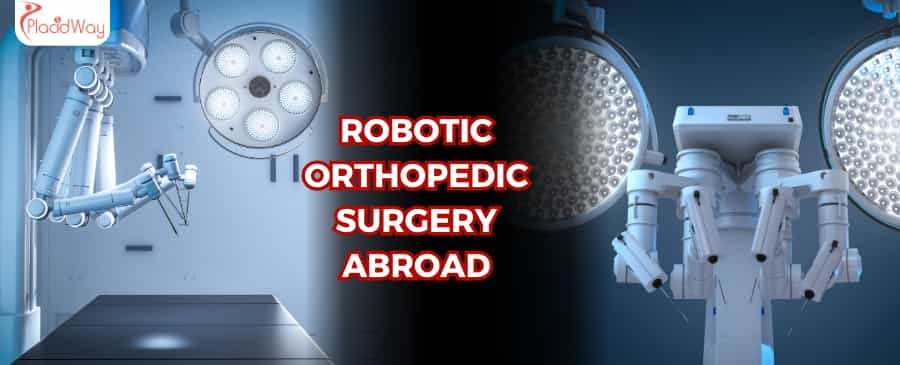
Transform Your Mobility: Discover Robotic Orthopedic Surgery for Lasting Relief
Are you experiencing persistent joint pain, limited mobility, or struggling with the aftermath of an injury? The thought of surgery can be daunting, but advancements in medical technology are making orthopedic procedures more precise, less invasive, and recovery times potentially quicker. One such innovation is Robotic Orthopedic Surgery – a cutting-edge approach that is revolutionizing how we treat a range of bone and joint conditions.
For many, particularly those seeking high-quality care with better value, exploring robotic orthopedic surgery abroad has become an increasingly popular and viable option. This advanced technique leverages robotic assistance to enhance a surgeon’s skill, leading to unparalleled accuracy in procedures like joint replacements, spinal fusions, and complex sports injury repairs. It’s not about robots replacing surgeons, but rather empowering them with tools that allow for a level of precision previously unattainable.
Whether you’re suffering from debilitating arthritis, a chronic disc issue, or a severe ligament tear, understanding the benefits of robot-assisted orthopedic surgery can open doors to a future with less pain and greater freedom of movement. This comprehensive guide will walk you through everything you need to know, from symptoms and causes to what to expect during recovery and why international medical travel might be your best path to recovery.
What symptoms indicate I might need robotic orthopedic surgery?
Recognizing the signs that your orthopedic condition requires advanced intervention is the first step towards relief. Robotic orthopedic surgery addresses a variety of issues, primarily those affecting joints and the spine. Common symptoms that suggest you might be a candidate include:
- Persistent Joint Pain: This could be in your knees, hips, shoulders, or other joints, often worsening with activity and not alleviated by rest or medication. Patients often search for "chronic knee pain solutions" or "severe hip arthritis symptoms."
- Stiffness and Swelling: Particularly noticeable in the morning or after periods of inactivity, making it hard to move the affected joint. Many describe "stiff joints daily" or "swollen knee joint."
- Limited Range of Motion: Difficulty bending, straightening, or rotating a joint fully, impacting simple tasks like walking, climbing stairs, or reaching. Search queries might include "can't fully extend knee" or "restricted hip movement."
- Joint Instability: A feeling that your joint might "give out" or buckle, common in cases of ligament damage.
- Grinding or Clicking Sensations: Sounds within the joint, often accompanied by pain, indicating cartilage wear.
- Numbness or Tingling (Spinal Issues): If related to a spinal condition, you might experience radiating pain, numbness, or weakness in your arms or legs. Patients often look for "sciatica relief" or "cervical radiculopathy symptoms."
These symptoms are typically present when conservative treatments like physical therapy, medication, and injections have failed to provide adequate long-term relief.
What causes the orthopedic conditions treated by robotic surgery?
The conditions necessitating robotic orthopedic surgery often develop due to a combination of factors. Understanding these causes helps in prevention and early intervention:
- Degenerative Diseases:
- Osteoarthritis: The most common cause, involving the breakdown of cartilage that cushions the ends of bones, leading to bone-on-bone friction. This is often searched as "causes of knee arthritis" or "hip degeneration reasons."
- Degenerative Disc Disease: Age-related wear and tear on the spinal discs, leading to pain, instability, and nerve compression. People search for "slipped disc causes" or "lumbar degenerative disc disease."
- Traumatic Injuries: Fractures, ligament tears (like ACL or meniscus tears), and dislocations from sports accidents, falls, or car accidents can cause acute and chronic orthopedic problems. Search terms include "ACL injury causes" or "meniscus tear from sports."
- Repetitive Stress: Overuse injuries from certain occupations, sports, or hobbies can lead to tendonitis, bursitis, and eventual joint damage.
- Inflammatory Conditions: While less common for direct robotic surgery, conditions like rheumatoid arthritis can severely damage joints, eventually requiring surgical intervention.
- Congenital or Developmental Issues: Some people are born with joint abnormalities or develop issues during growth that predispose them to orthopedic problems later in life.
- Obesity: Excess weight places significant stress on weight-bearing joints (knees, hips), accelerating wear and tear.
What types of robotic orthopedic procedures are available?
The application of robotics in orthopedics is expanding, offering precise solutions for various conditions. Key procedures performed with robotic assistance include:
- Robotic Knee Replacement: Both total knee replacement (TKR) and partial knee replacement (PKR) benefit from robotic precision. Systems like MAKOplasty or NAVIO assist surgeons in planning and executing bone cuts with sub-millimeter accuracy, optimizing implant positioning for better function and longevity. Patients often look for "MAKO knee replacement," "NAVIO knee surgery," or "robot-assisted partial knee replacement."
- Robotic Hip Replacement: Total hip replacement (THR) can be performed with robotic assistance, ensuring optimal cup and stem placement, which is crucial for preventing dislocation and maximizing the implant's lifespan. Searches include "robotic total hip replacement" or "hip replacement with MAKO robot."
- Robotic Spine Surgery: Robots like Mazor X or ExcelsiusGPS aid in complex spinal procedures, including spinal fusions, deformity correction, and tumor resections. They help surgeons navigate the intricate anatomy of the spine, precisely place screws and rods, and reduce radiation exposure. Popular queries: "robotic spinal fusion," "Mazor X surgery," or "robot-assisted spine surgery."
- Robotic Shoulder Replacement: While less common than knee or hip, robotic technology is emerging in shoulder arthroplasty to improve glenoid component placement.
- Sports Injury Repair: In some specialized centers, robotic assistance is being explored for ligament reconstruction and other complex soft tissue repairs, providing enhanced visualization and precision.
Am I a good candidate for robotic orthopedic surgery?
Determining your eligibility for robotic orthopedic surgery involves a comprehensive evaluation by an orthopedic surgeon. While robotic assistance offers benefits, the fundamental criteria for surgery remain similar to traditional methods:
- Chronic, Debilitating Pain: Your pain significantly interferes with your quality of life, sleep, and daily activities.
- Failure of Conservative Treatments: You've tried non-surgical options (medication, physical therapy, injections) for an extended period without sufficient relief.
- Diagnosed Orthopedic Condition: Imaging (X-rays, MRI) confirms significant joint degeneration, disc pathology, or severe injury.
- Overall Good Health: You are generally healthy enough to undergo major surgery and anesthesia. Certain pre-existing conditions like uncontrolled diabetes, severe heart disease, or active infections might be contraindications.
- Realistic Expectations: You understand the procedure, potential outcomes, and commitment to rehabilitation.
- Age Considerations: While there isn't a strict age limit, younger, active patients often benefit from the precision, and older patients may still be candidates if they are otherwise healthy.
Your surgeon will assess your specific condition, medical history, and lifestyle to determine if robotic surgery is the most appropriate and beneficial treatment option for you. Don't hesitate to ask, "Is robotic knee replacement right for me?" during your consultation.
What is the typical recovery time after robotic orthopedic surgery?
One of the most appealing aspects of robotic orthopedic surgery for many patients is the potential for a smoother and quicker recovery compared to traditional open surgery. While individual experiences vary, here’s a general timeline:
- Immediate Post-Op (Hospital Stay): Typically 1-3 days. You'll begin gentle movement and pain management. The precision of robotic surgery often means less soft tissue damage, potentially leading to less pain and swelling in the initial days.
- Early Rehabilitation (Weeks 1-6): This phase focuses on reducing swelling, restoring initial range of motion, and starting weight-bearing exercises (if applicable). Physical therapy is crucial. Patients often report feeling "less pain after robotic surgery" early on, aiding adherence to rehab.
- Intermediate Recovery (Months 1-3): You'll gradually regain strength, improve mobility, and reduce reliance on assistive devices like crutches or walkers. Most patients can return to light daily activities, including driving, during this period.
- Long-Term Recovery (Months 3-12+): Continued strengthening and conditioning. Full recovery, where you've regained maximum strength and can resume most normal activities, typically takes 6 to 12 months, sometimes longer for complex spinal procedures. The precision of robotic alignment is believed to contribute to better long-term function.
It's important to remember that robotic surgery is a tool; patient effort in rehabilitation remains paramount for optimal outcomes. Following your physical therapist's instructions is key to maximizing your "recovery after robot knee replacement" or other procedures.
What are the potential risks and side effects of robotic orthopedic surgery?
While robotic assistance enhances precision and may reduce certain risks, it's still a major surgical procedure. Patients considering "robot-assisted joint replacement risks" or "spine surgery complications" should be aware of potential side effects:
- Infection: Any surgery carries a risk of infection at the surgical site.
- Blood Clots (DVT/PE): Formation of blood clots in the legs, which can potentially travel to the lungs. Prophylactic measures are taken to reduce this risk.
- Nerve or Blood Vessel Damage: Although robotic systems aim for precision, there's always a slight risk of injury to surrounding nerves or blood vessels.
- Anesthesia Complications: Reactions to anesthesia, including nausea, allergic reactions, or more severe cardiopulmonary issues.
- Implant-Specific Issues: Loosening, wear, or dislocation of artificial joints (though robotic precision may help mitigate these over the long term).
- Pain and Swelling: Expected post-surgery, managed with medication. Persistent pain is rare but possible.
- Stiffness: Despite efforts, some degree of post-surgical stiffness can occur, often addressed with physical therapy.
- Surgical Site Issues: Scarring, delayed wound healing, or hematoma (blood collection).
- Technology Malfunction: While rare, the possibility of technical issues with the robotic system, though surgeons are trained to manage such situations and switch to traditional methods if necessary.
Your surgeon will discuss these risks in detail, tailored to your specific health profile and the planned procedure, ensuring you make an informed decision about your "robotic orthopedic surgery safety."
How do costs for robotic orthopedic surgery compare globally?
Cost is a major factor for many patients considering robotic orthopedic surgery, especially when insurance coverage is limited or non-existent. Medical tourism offers a compelling alternative for those seeking advanced care without the exorbitant price tag of Western countries. Here’s a general comparison:
| Country/Region | Estimated Cost Range (USD) - Robotic Knee/Hip Replacement | Notes on Value |
|---|---|---|
| USA / Canada | $35,000 - $70,000+ | Highest costs, often due to high administrative fees, insurance complexities, and labor. |
| Western Europe (UK, Germany) | $25,000 - $55,000 | High quality, but costs can still be substantial, especially for private care. |
| India | $7,000 - $15,000 | Excellent value; world-class facilities and highly skilled surgeons at significantly lower prices. Often searched as "robotic knee replacement cost in India." |
| Mexico | $8,000 - $18,000 | Convenient for North American patients, modern hospitals, experienced surgeons. |
| Turkey | $9,000 - $17,000 | Emerging medical tourism hub with advanced technology and competitive pricing. |
| Thailand | $10,000 - $20,000 | Renowned for hospitality and high-quality medical services, good option for "affordable robotic surgery." |
| South Korea | $15,000 - $25,000 | Leading edge technology and medical expertise, slightly higher cost than other Asian destinations but still great value. |
These prices typically include surgeon's fees, hospital stay, anesthesia, and sometimes initial physical therapy, but always confirm what's included in any quoted package. Many patients find that even with travel and accommodation, the total cost for "robotic orthopedic surgery abroad" is significantly less than in their home country.
Why should I consider robotic orthopedic surgery in another country?
For many, the decision to seek medical treatment outside their home country is driven by several compelling factors:
- Significant Cost Savings: As seen in the table above, the primary driver for "medical tourism for robotic surgery" is the drastically lower cost, often without compromising quality. This can make life-changing surgery accessible.
- Access to Advanced Technology & Expertise: Many international hospitals specialize in robotic orthopedic procedures and have invested heavily in the latest technology and highly skilled surgeons trained in these systems. You might find "best robotic orthopedic surgeons" in unexpected places.
- Reduced Waiting Times: In countries with universal healthcare systems, long waiting lists for elective surgeries like joint replacements can mean prolonged pain and disability. Traveling abroad offers immediate access to treatment.
- Privacy and Anonymity: Some patients prefer the discretion and anonymity that medical travel provides.
- Combination of Treatment and Travel: For many, it's an opportunity to combine their recovery with a relaxing vacation, though the primary focus should always be on the medical procedure.
- Personalized Care: Many medical tourism providers and international clinics offer highly personalized care, including language support, travel arrangements, and dedicated patient coordinators.
Which countries are best known for advanced robotic orthopedic surgery for international patients?
When searching for "best country for orthopedic surgery," a few destinations consistently stand out for their blend of quality, technology, and affordability:
- India: A global leader in medical tourism, especially for orthopedics. Hospitals are equipped with the latest robotic systems (MAKO, NAVIO, ExcelsiusGPS), and surgeons are highly experienced. The "cost of robotic surgery in India" is a significant draw.
- Mexico: Popular for North American patients due to proximity. Facilities, particularly in border cities and major hubs, are modern and accredited, with many surgeons trained in the US.
- Turkey: Istanbul and Ankara boast state-of-the-art hospitals with significant investment in medical technology and skilled medical professionals. Its geographical location also makes it accessible from Europe, Asia, and Africa.
- Thailand: Known for its exceptional patient care and luxurious private hospitals, Thailand offers high-quality robotic orthopedic surgery with a strong focus on patient experience and recovery.
- South Korea: A technological powerhouse, South Korea offers highly advanced robotic surgical options and renowned medical expertise, though often at a slightly higher price point than other Asian destinations.
- Poland/Czech Republic: Emerging options in Eastern Europe offering quality care at competitive prices for European patients.
When selecting a country, it's vital to research specific clinics and surgeons and verify their credentials and accreditations.
What steps should I take to plan my robotic orthopedic surgery trip abroad?
A well-planned medical trip ensures a smooth and successful experience. Here’s a general roadmap for "planning orthopedic surgery abroad":
- Initial Research & Consultation:
- Define Your Needs: Clearly understand your diagnosis and what procedure you require (e.g., "robotic knee replacement overseas").
- Seek Recommendations: Look for reputable clinics and surgeons specializing in robotic orthopedics in your target countries.
- Contact a Medical Tourism Facilitator: Companies like PlacidWay specialize in connecting patients with certified international providers, streamlining the process. They can provide "free quotes for robotic surgery abroad" and help compare options.
- Medical Evaluation & Treatment Plan:
- Share Medical Records: Provide your X-rays, MRI scans, medical history, and current diagnoses to the international clinic for their review.
- Virtual Consultation: Schedule a video call with the prospective surgeon to discuss your case, the robotic procedure, and ask any questions.
- Receive Treatment Plan & Quote: Get a detailed outline of the procedure, hospital stay, included services, and total cost.
- Logistics & Travel Arrangements:
- Visa & Passport: Ensure your passport is valid and apply for any necessary medical visas.
- Travel & Accommodation: Book flights and find suitable accommodation for your stay (often a hotel or serviced apartment near the hospital). Facilitators can assist with this.
- Travel Insurance: Purchase comprehensive travel and medical complications insurance.
- Pre-Operative Preparation:
- Pre-Op Tests: Complete any required pre-operative blood tests or examinations before you travel or upon arrival.
- Medication Management: Discuss current medications with your surgeon and understand any adjustments needed before surgery.
- Pack Smart: Bring comfortable clothing, easy-to-wear shoes, and any personal items you’ll need for recovery.
- Post-Operative Care & Follow-up:
- Rehabilitation Plan: Understand your physical therapy regimen and how you'll continue it after returning home.
- Follow-up: Arrange for post-operative check-ups, either locally or virtually with your international surgeon.
Thorough preparation is the cornerstone of a successful medical journey abroad.
Take the Next Step with PlacidWay
Ready to explore treatment options abroad? Discover top clinics, compare prices, and get a free quote tailored to your needs with PlacidWay.




















Share this listing