
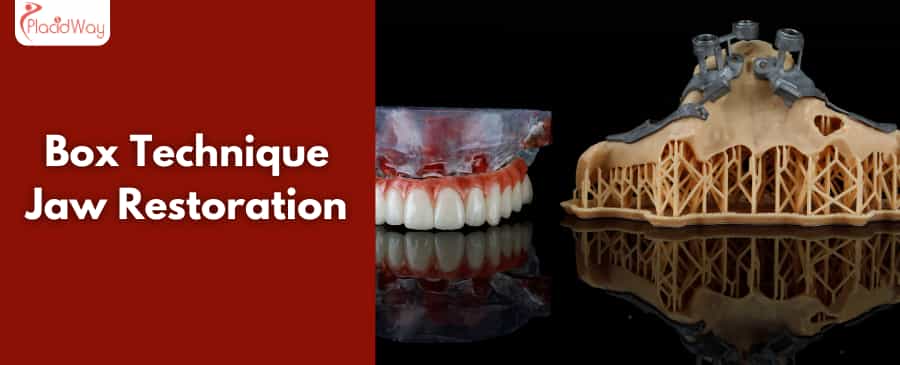
Reclaim Your Smile: Understanding Box Technique Jaw Restoration for Severe Bone Loss
Has years of tooth loss, gum disease, or trauma left you with a severely recessed or atrophied jawbone, making dental implants seem like an impossible dream? You’re not alone. Many individuals face significant jawbone deficiency, which can impact not only their ability to chew and speak but also their facial aesthetics and self-confidence. Traditional bone grafting methods might not be enough for extensive cases, but there’s an innovative solution: the Box Technique Jaw Restoration.
This advanced surgical procedure offers a beacon of hope for those with substantial jawbone defects, providing a robust foundation for dental implants and restoring the natural contour of your face. Often sought by patients exploring medical tourism options, the Box Technique, also known as the Box Bone Augmentation Technique, is a highly specialized approach that literally rebuilds your jawbone where it's been lost.
Imagine having the ability to eat your favorite foods again, speak clearly without discomfort, and smile without hesitation. The Box Technique makes this possible by creating a customized framework, or "box," using resorbable or non-resorbable materials, which is then filled with bone graft material. This ingenious method allows for the regeneration of large volumes of bone, precisely tailored to your unique needs. Whether you're researching "how to fix receding jaw bone" or "severe jaw bone defect repair," understanding this procedure is the first step towards a comprehensive solution.
This comprehensive guide will delve into everything you need to know about the Box Technique Jaw Restoration, from recognizing the symptoms of jawbone loss and its underlying causes to understanding the procedure itself, recovery expectations, and why many patients choose to travel abroad for this transformative treatment.
What are the signs and symptoms of jawbone loss?
Jawbone loss, also known as jaw atrophy or alveolar bone resorption, can manifest in several noticeable ways. Recognizing these signs early can help you seek timely intervention. If you've been wondering, "Can jaw bone grow back naturally?" the answer is generally no; significant loss requires medical intervention.
- "Sunken" or Aged Facial Appearance: One of the most common and visible signs. When the jawbone recedes, it can lead to a loss of support for facial muscles and skin, making the face appear shorter, older, or "collapsed." The lips may appear thinner, and wrinkles around the mouth can deepen.
- Difficulty Chewing and Speaking: Reduced bone density affects the stability of any remaining teeth and can make dentures extremely uncomfortable or ill-fitting. This leads to problems biting and chewing food, and can even impair speech clarity.
- Shifting Natural Teeth: In areas with bone loss, existing teeth may become loose, shift positions, or even fall out. This is a clear indicator that the foundational support is compromised.
- Gum Recession: As the bone supporting the gums diminishes, the gums themselves may pull back, exposing tooth roots and making teeth appear longer.
- Pain or Discomfort with Dentures: If you wear dentures, you might experience increased irritation, sores, and instability as the underlying bone changes shape, causing your dentures to no longer fit properly. Patients often search for "painful dentures due to bone loss."
- Inability to Receive Dental Implants: This is often the primary reason people discover their bone loss. A dentist will inform you that there isn't enough bone to securely place implants, prompting searches like "rebuild jaw bone for implants."
- Nerve Issues: In severe cases, the jawbone can thin so much that it affects nerves, potentially causing numbness or tingling in the chin and lower lip.
What are the common causes and risk factors for jawbone loss?
Understanding the root causes of jawbone loss can help in prevention and effective treatment planning. Most people associate bone loss with aging, but several factors contribute to this condition:
- Tooth Loss (Most Common Cause): When a tooth is extracted and not replaced, the bone that once supported it no longer receives stimulation from chewing forces. Without this stimulation, the body reabsorbs the bone tissue, leading to a gradual reduction in bone volume. This is why many people ask, "How to prevent jaw bone loss after extraction."
- Periodontal Disease (Gum Disease): Chronic gum disease is a major inflammatory condition that slowly destroys the soft tissues and the bone supporting the teeth. As the infection progresses, the bone literally dissolves away.
- Trauma or Injury: Accidents, fractures, or severe impacts to the jaw can result in bone loss, especially if parts of the bone are lost or improperly healed.
- Dentures (Long-Term Use): While dentures replace missing teeth, they don't stimulate the underlying bone in the same way natural tooth roots or implants do. Over time, the pressure from dentures can accelerate bone resorption, leading to the "sunken face" appearance and ill-fitting prosthetics. This often prompts searches for "alternatives to traditional dentures."
- Infections and Cysts: Untreated dental infections or the presence of cysts and tumors in the jaw can lead to localized bone destruction.
- Osteoporosis: This systemic bone disease affects bones throughout the body, including the jaw, making it more susceptible to loss.
- Developmental Deformities: Some individuals are born with jaw abnormalities that can contribute to bone deficiency.
- Smoking and Poor Nutrition: These lifestyle factors can compromise bone health and healing, exacerbating bone loss.
How does Box Technique Jaw Restoration compare to other bone grafting methods?
When faced with jawbone deficiency, several bone grafting options exist, but the Box Technique stands out for its unique approach to complex cases. Patients often search for "box technique vs. traditional bone graft" to understand the differences.
-
Traditional Bone Grafts (e.g., Block Grafts, Particulate Grafts):
- Block Grafts: Involve taking a block of bone (autogenous, from the patient's own body, often hip or chin) and securing it to the deficient jaw area. Effective for moderate defects but limited in addressing significant height or width loss simultaneously.
- Particulate Grafts: Involve using granulated bone material (from various sources) packed into smaller defects, often covered with a membrane (Guided Bone Regeneration - GBR). Excellent for minor to moderate bone loss and around dental implants.
- Limitations: Both are less effective for very large, three-dimensional defects where significant augmentation in both height and width is needed. They rely heavily on the existing bone structure for support and containment.
-
The Box Technique (Box Bone Augmentation):
- The Principle: Instead of relying solely on existing bone or small blocks, the Box Technique creates a custom-fit, contained space (the "box") using thin, biocompatible walls (often made from resorbable PLLA or non-resorbable titanium mesh).
- The Fill: This box is then filled with a mixture of bone graft materials (autogenous bone chips, allograft, xenograft, or synthetic bone substitutes).
- The Regeneration: The walls of the box provide structural support and prevent soft tissue from growing into the graft space, allowing the bone graft material to slowly integrate and regenerate new, robust bone tissue within the confines of the box.
- Advantages:
- Significant Volume Regeneration: Capable of rebuilding large amounts of bone in both vertical (height) and horizontal (width) dimensions, which is crucial for severe jaw atrophy.
- Predictable Results: The contained nature of the "box" offers more predictable bone growth and shape.
- Customization: The box can be precisely shaped to match the desired jaw contour, offering superior aesthetic outcomes.
- Ideal for Implants: Creates a solid, sufficient bone foundation even in cases previously deemed untreatable for dental implants.
In essence, if you have substantial jawbone loss that traditional methods struggle to address, the Box Technique offers a more comprehensive and predictable solution for complete jaw reconstruction, especially if you're looking for "box technique dental implant preparation."
Who is a suitable candidate for Box Technique jaw restoration?
The Box Technique is not for everyone; it's a specialized procedure for specific situations. If you're wondering "Who is a candidate for box technique?", consider the following:
- Significant Jawbone Deficiency: The primary criterion is extensive bone loss in the jaw, both in terms of height and/or width, which cannot be adequately addressed by simpler grafting methods. This often means severe atrophy in areas where teeth have been missing for a long time.
- Desire for Dental Implants: Patients who wish to have dental implants but have been told they lack sufficient bone are prime candidates. The Box Technique creates the necessary foundation.
- Good General Health: While it's a dental procedure, overall health plays a crucial role in healing. Candidates should be in good general health, free from uncontrolled systemic diseases (like diabetes or severe heart conditions) that could impair healing.
- Non-Smoker or Willing to Quit: Smoking significantly compromises bone healing and increases the risk of graft failure. Dentists will often require patients to quit smoking well before and during the healing period.
- Commitment to Oral Hygiene: Excellent oral hygiene practices are essential before and after the procedure to prevent infection and ensure successful integration of the graft.
- Realistic Expectations: Patients should understand that this is a multi-stage procedure with a significant healing period and that results, while highly successful, require patience and adherence to post-operative instructions.
- No Active Oral Infections: Any existing gum disease or dental infections must be treated and resolved before the Box Technique can be performed.
What is the recovery time and what can I expect after Box Technique surgery?
Recovery from Box Technique jaw restoration is a multi-phase process that requires patience, as bone regeneration is a biological process that takes time. Many patients ask, "How long does box technique take to heal?" or "Recovery after box technique."
- Immediate Post-Operative Period (First 1-2 Weeks):
- Swelling and Bruising: Expect significant swelling and bruising in the face and jaw area, which will peak in 2-3 days and gradually subside.
- Discomfort and Pain: Pain medication will be prescribed to manage discomfort. Ice packs applied externally can help reduce swelling.
- Diet: A soft or liquid diet will be necessary. Avoid hot, spicy, or hard foods that could irritate the surgical site.
- Oral Hygiene: Gentle rinsing with antiseptic mouthwash (as advised by your surgeon) is crucial. Avoid vigorous brushing directly on the surgical site.
- Activity Restrictions: Rest is essential. Avoid strenuous physical activity, bending, or heavy lifting.
- Intermediate Healing (2 Weeks to 3 Months):
- Most swelling and bruising will have resolved.
- You'll gradually transition back to a more normal diet, though still avoiding very hard or crunchy foods.
- The grafted area will begin to consolidate, but new bone is still fragile.
- Regular follow-up appointments with your surgeon are vital to monitor healing.
- Long-Term Bone Integration (3-12 Months):
- This is the critical phase where the bone graft fully integrates with your existing jawbone, and new, strong bone tissue forms within the "box."
- The exact timeframe depends on the individual's healing capacity, the extent of the graft, and the type of materials used.
- Once sufficient bone density and strength are achieved (confirmed by X-rays or CT scans), the dental implants can be placed. This often means waiting 6-9 months, sometimes up to a year, for complex cases.
Throughout the entire recovery period, strict adherence to your surgeon's instructions is paramount to prevent complications and ensure the success of the graft.
What are the potential risks and side effects of Box Technique jaw restoration?
Like any surgical procedure, the Box Technique comes with potential risks and side effects, although these are generally rare, especially when performed by experienced specialists. Patients often search "Is box technique safe?" or "Box technique complications."
- Infection: A risk with any surgery. Symptoms include increased pain, swelling, redness, pus, or fever. Antibiotics are typically prescribed to prevent this.
- Graft Failure/Non-Integration: The bone graft may not successfully integrate with the existing bone, leading to partial or complete failure. This can be due to infection, poor blood supply, patient health factors (like smoking), or premature pressure on the site.
- Nerve Damage: The surgical area is close to nerves (especially the inferior alveolar nerve in the lower jaw). Damage can lead to temporary or, rarely, permanent numbness or altered sensation in the lip, chin, or tongue.
- Bleeding: Some bleeding is normal after surgery, but excessive or prolonged bleeding is a potential complication.
- Swelling and Bruising: Expected but can sometimes be more severe than anticipated.
- Pain: While managed with medication, some patients may experience more persistent or severe pain.
- Sinus Perforation (for upper jaw procedures): If performed in the upper jaw, there's a small risk of perforating the sinus membrane, which may require repair.
- Rejection or Allergic Reaction: Though rare with biocompatible materials, a patient could have an adverse reaction to the graft material or the box membranes/plates.
- Relapse: In some cases, there might be partial resorption of the newly formed bone over time, although less common with successful Box Technique procedures.
Your surgeon will discuss these risks in detail and take all necessary precautions to minimize them.
What is the worldwide cost comparison for Box Technique Jaw Restoration?
The cost of Box Technique Jaw Restoration can vary widely based on geographical location, the complexity of the case, the materials used, the surgeon's experience, and whether additional procedures (like tooth extractions or implant placement) are bundled. Patients frequently search for "dental implant bone graft costs abroad" or "affordable jaw reconstruction."
Here’s a general overview of worldwide cost comparisons:
| Region/Country | Estimated Cost Range (USD) | Notes |
|---|---|---|
| North America (USA, Canada) | $8,000 - $20,000+ | High cost of living and healthcare infrastructure. May vary by state/province and surgeon's reputation. Often not covered by standard dental insurance. |
| Western Europe (UK, Germany, Switzerland) | $7,000 - $18,000+ | Similar to North America due to high standards and labor costs. Some countries may offer slight variations. |
| Mexico | $4,000 - $9,000 | Very popular for dental tourism due to proximity to the US and significantly lower costs with high-quality care. |
| Turkey | $4,500 - $10,000 | Emerging as a major dental tourism hub, offering competitive prices, modern clinics, and experienced surgeons. |
| Costa Rica | $5,000 - $10,000 | Well-established for dental tourism, known for excellent care, especially for US patients. |
| Eastern Europe (Hungary, Poland) | $4,000 - $9,000 | Offers high-quality dentistry at lower prices, attracting patients from Western Europe and beyond. |
| Asia (Thailand, India, South Korea) | $3,500 - $8,000 | Highly competitive prices with world-class facilities and specialists, especially in major cities. |
Note: These are estimated ranges and actual costs will depend on individual case complexity and inclusions. It's crucial to get a detailed quote that covers all aspects of the procedure, including consultations, anesthesia, graft materials, and follow-up care.
Why should I consider Box Technique Jaw Restoration abroad?
Medical tourism for complex dental procedures like the Box Technique has grown exponentially. Patients often search for "dental tourism for jaw surgery" or "overseas dental bone graft." Here's why:
- Significant Cost Savings: This is often the primary driver. As seen in the cost comparison, the same high-quality procedure can be performed for a fraction of the cost in many popular medical tourism destinations, without compromising on standards.
- Access to Specialized Expertise: Many countries have developed world-renowned centers of excellence with highly skilled oral and maxillofacial surgeons who specialize in advanced procedures like the Box Technique. These surgeons often have extensive international training and experience.
- Shorter Waiting Times: In some Western countries, waiting lists for complex surgical procedures can be long. Traveling abroad often means quicker access to treatment.
- State-of-the-Art Facilities: Many international clinics catering to medical tourists boast modern equipment, advanced technology, and luxurious, comfortable environments designed to enhance the patient experience.
- Privacy and Anonymity: Some patients prefer the discretion of undergoing major cosmetic or reconstructive procedures away from their home country.
- Combine Treatment with Travel: The extended recovery time for the Box Technique makes it ideal for patients who wish to combine their treatment with a relaxing recovery period in a new destination.
Which countries offer the best value for Box Technique jaw restoration?
When seeking the "best countries for dental implants with bone graft" or complex jaw surgery, several destinations consistently rank high for offering excellent value:
- Mexico: Especially popular for North American patients due to its proximity and the high density of modern dental clinics in border cities (like Tijuana, Los Algodones) and major cities (Mexico City, Cancun). Quality is often on par with US standards, but at a fraction of the cost.
- Turkey: Istanbul and Antalya have become major hubs for medical tourism, offering advanced dental treatments, including complex bone grafting, at very competitive prices. Clinics are state-of-the-art, and many surgeons are internationally trained.
- Costa Rica: Known for its "dental vacation" packages, Costa Rica provides a beautiful environment for recovery alongside top-tier dental facilities. It’s particularly attractive for patients from the US and Canada.
- Hungary: Budapest has a long-standing reputation for high-quality, affordable dental care, drawing patients from across Europe and beyond. Many clinics specialize in advanced restorative dentistry and implantology.
- Thailand: Bangkok and Phuket offer world-class medical facilities, highly skilled professionals, and exceptional hospitality, making it an attractive option for patients willing to travel further for significant savings.
- Colombia: With modern facilities and highly trained specialists, cities like Medellin and Cartagena are emerging as strong contenders for complex dental procedures at competitive prices.
When selecting a country, research individual clinics and surgeons, read patient reviews, and verify their credentials and experience with the Box Technique specifically.
What should I expect when traveling abroad for this procedure?
Traveling for a significant procedure like the Box Technique requires careful planning. Here's what to expect when you embark on your "jaw reconstruction surgery overseas" journey:
- Initial Consultations (Often Virtual): Most reputable clinics abroad will offer virtual consultations where you can discuss your case, send over X-rays/CT scans, and receive an initial assessment and treatment plan.
- Pre-Trip Planning: PlacidWay can assist with arranging flights, accommodations, and ground transportation. You’ll need to ensure your passport is valid and understand any visa requirements.
- Extended Stay: The Box Technique requires a significant healing period. You'll likely need to stay in the destination for at least 1-2 weeks for immediate post-operative care and initial follow-ups. For complex cases, sometimes two trips are required – one for the graft, and a later one for implant placement after bone has healed.
- Language and Communication: Many clinics catering to international patients have English-speaking staff or dedicated translators to ensure clear communication.
- Post-Operative Care Instructions: You'll receive detailed instructions for care, medication, and diet during your stay and for when you return home. Ensure you understand how to manage your recovery once you're back.
- Follow-up Schedule: Discuss the follow-up schedule. This might involve virtual check-ins or a plan for local dentists to monitor your healing, especially if the implant placement is done at a later date.
- Travel Insurance: Consider comprehensive travel insurance that includes medical emergencies, as standard policies might not cover elective surgical complications abroad.
How can I ensure safety and quality when choosing a clinic abroad?
Ensuring safety and quality is paramount when considering any medical procedure, especially abroad. Here's how to navigate your options for "jaw bone regeneration abroad" confidently:
- Accreditation: Look for clinics with international accreditations like Joint Commission International (JCI) or ISO certifications. These indicate adherence to global standards for patient safety and quality of care.
- Surgeon's Qualifications and Experience:
- Verify the surgeon's credentials, board certifications, and specialist training in oral and maxillofacial surgery or periodontology.
- Crucially, ask about their specific experience with the Box Technique – how many procedures have they performed, and what are their success rates?
- Research their professional affiliations and continuing education.
- Clinic Facilities and Technology: Ensure the clinic has modern diagnostic equipment (e.g., 3D CT scans), sterile operating rooms, and uses high-quality, reputable graft materials and box membranes.
- Transparent Communication: The clinic should provide a detailed, written treatment plan, including all costs, expected outcomes, potential risks, and post-operative care instructions, in a language you understand.
- Patient Reviews and Testimonials: Read reviews from previous international patients. Look for consistent positive feedback regarding outcomes, patient care, and communication.
- Medical Tourism Facilitators: Companies like PlacidWay specialize in vetting clinics and surgeons, streamlining the process, and ensuring you connect with reputable providers. They can offer an extra layer of security and guidance.
- Emergency Protocols: Inquire about the clinic's protocols for handling complications or medical emergencies.
What are patient success stories from abroad for Box Technique?
The true measure of a procedure's success lies in the positive experiences of patients who have undergone it. Many individuals who travel abroad for Box Technique Jaw Restoration share compelling stories of transformation:
- John from the UK: After years of struggling with ill-fitting dentures and significant lower jawbone loss, John traveled to a clinic in Turkey. "I was told I couldn't have implants due to my severe bone loss," he recounted. "The Box Technique changed everything. I now have a full set of stable implants and can eat anything. The cost was less than half of what I was quoted at home, and the clinic was fantastic."
- Maria from Canada: Maria had lost several upper teeth due to advanced gum disease, leading to a severely atrophied maxilla. She chose a specialist in Costa Rica for her Box Technique. "The whole experience was seamless," Maria shared. "From the virtual consultation to the surgery and recovery in a beautiful setting. My face looks fuller, and I'm getting my implants soon. It's truly life-changing."
- David from the USA: A sports injury left David with a significant defect in his anterior jaw. He sought treatment in Mexico. "My local dentist said it was a very complex case and would be incredibly expensive," David explained. "The Box Technique restored my jawline, and I feel confident smiling again. The surgeon was world-class, and I saved thousands."
These stories highlight not only the clinical success of the Box Technique in regenerating bone but also the added benefits of affordability, access to top specialists, and the positive overall experience that medical tourism can offer.
Take the Next Step with PlacidWay
Ready to explore treatment options abroad? Discover top clinics, compare prices, and get a free quote tailored to your needs with PlacidWay.
Dental Tourism | Cosmetic Dentistry | Implants | Root Canals | Dentures | Bridges | Orthodontics | Dental Holidays Abroad
-Package-in-Riyadh,-Saudi-Arabia-at-King-Faisal-Specialist-Hospital-Thumbnail.jpg)



.png)


.png)




.png)
.png)
.png)










Share this listing