
Parkinson's Stem Cell Treatment in Kiev Ukraine: A New Era of Neurological Care
A Parkinson's disease diagnosis can feel like an insurmountable challenge, leaving families desperately searching for hope beyond conventional symptom management. For decades, patients have been limited to standard medications that lose their efficacy over time, forcing individuals to endure deteriorating motor functions. Today, a groundbreaking approach in Eastern Europe is fundamentally shifting this medical paradigm.
Advanced regenerative medicine is opening doors that traditional neurology previously deemed impossible to unlock. By exploring Parkinson's Stem Cell Treatment in Kiev Ukraine, patients are discovering a revolutionary path forward that targets the root cause of neurological decline. Watch to understand how cutting-edge cellular therapy in Ukraine is offering renewed independence, improved motor control, and an unprecedented leap forward in neurodegenerative care.
Video Chapters & Quick Navigation
Understanding the Progression of Parkinson's Disease
To fully grasp the magnitude of advanced stem cell therapy for Parkinson's disease, we must first understand how this neurological condition ravages the human brain. Parkinson's disease is primarily characterized by the progressive death of dopamine-producing neurons located in a specific brain region known as the substantia nigra. As shown at in the video, this gradual depletion of dopamine creates a severe disruption in the brain's ability to transmit electrical signals that control voluntary movement.
The standard medical approach for decades has been the administration of Levodopa, a pharmaceutical agent designed to artificially replace missing dopamine. While highly effective in the early stages, this conventional medication simply masks the symptoms rather than addressing the underlying cellular death. Over time, patients require higher doses of medication, which inevitably leads to severe side effects such as dyskinesia—uncontrollable, involuntary muscle movements that can be as debilitating as the disease itself.
Furthermore, the physical manifestations of the disease extend far beyond the classic resting tremor. Patients frequently suffer from extreme muscle rigidity, bradykinesia (slowness of movement), and severe postural instability that drastically increases the risk of dangerous falls. The desperate need for a restorative solution, rather than a mere chemical band-aid, is exactly what has driven global interest toward restorative neurology and regenerative medicine.
The Science Behind Stem Cell Therapy for Neurological Disorders
Regenerative medicine fundamentally alters the treatment landscape by introducing viable, healthy cells into the patient's biological system. The primary goal of Parkinson's Stem Cell Treatment in Kiev Ukraine is neurogenesis, which is the biological process of generating new functional neurons. As explained at , introduced stem cells have the unique, inherent ability to differentiate into specific cell types, including the precise dopamine-secreting neurons that Parkinson's patients so desperately lack.
Beyond direct cell replacement, these powerful biological agents act as microscopic paramedics within the central nervous system. They release a powerful cocktail of neurotrophic factors and cytokines, which are essential proteins that nourish existing, damaged neurons and prevent them from dying. This paracrine effect creates a highly restorative microenvironment in the brain, actively halting the progression of neurodegeneration and reducing chronic neural inflammation.
Additionally, advanced stem cell therapy for Parkinson's disease promotes angiogenesis, which is the formation of new blood vessels. Improved blood flow to the brain ensures that vital oxygen and nutrients are consistently delivered to damaged neural tissues, facilitating faster cellular repair. This multi-pronged mechanism of action is precisely why regenerative medicine yields results that traditional pharmaceuticals simply cannot replicate.
Why Kiev, Ukraine is a Global Hub for Regenerative Medicine
You might be wondering why Eastern Europe, and specifically Ukraine, has emerged as the premier destination for these highly complex neurological treatments. The answer lies in a combination of progressive medical regulations, decades of specialized research, and state-of-the-art clinical infrastructure. As highlighted at , Kiev possesses a rich, uninterrupted history of pioneering stem cell research dating back to the post-Soviet era, giving their medical professionals unparalleled clinical experience.
In many Western countries, including the United States and the United Kingdom, stringent FDA and EMA regulations severely restrict the cultivation and expansion of specific types of potent stem cells. Conversely, Ukraine's Ministry of Health has established a progressive, yet highly regulated and safe legal framework that permits the ethical use of expanded stem cell populations. This allows specialized clinics in Kiev to administer massive, therapeutic doses of stem cells that are simply illegal or unavailable in North America.
Moreover, the clinical facilities available for medical tourism in Ukraine are genuinely world-class. These centers boast cutting-edge GMP-certified (Good Manufacturing Practice) laboratories that ensure absolute sterility and maximum cell viability. Patients traveling to Kiev receive care from internationally published neurologists and biotechnologists who are entirely dedicated to the advancement of regenerative medicine for neurodegenerative diseases.
Types of Stem Cells Used in Parkinson's Treatment Protocols
Not all stem cells are created equal, and the success of any regenerative therapy depends heavily on utilizing the correct cellular lineage. The top medical centers in Kiev employ a highly customized approach, often utilizing a proprietary blend of cellular types to maximize patient outcomes. At , the video delves into the specific biological materials that form the cornerstone of these restorative protocols.
Fetal stem cell therapy in Kiev is widely regarded as one of the most potent options available for profound neurological repair. Because fetal cells have not developed surface antigens, they are essentially invisible to the patient's immune system, resulting in a zero percent rejection rate. Furthermore, these young, highly vital cells possess massive proliferative potential, meaning they can multiply and engraft into the host's brain tissue far more effectively than adult stem cells.
Mesenchymal Stem Cells (MSCs), often derived from umbilical cord tissue or Wharton's Jelly, are also frequently integrated into the treatment protocol. MSCs are renowned for their powerful anti-inflammatory properties and their ability to secrete immense amounts of growth factors. The combination of targeted neural precursors and highly anti-inflammatory MSCs provides a comprehensive biological assault against Parkinson's disease.
| Stem Cell Type | Primary Source | Mechanism of Action for Parkinson's |
|---|---|---|
| Fetal Neural Stem Cells | Ethically sourced early-stage tissue | Direct differentiation into dopamine-producing neurons; extremely high engraftment rate. |
| Mesenchymal Stem Cells (MSCs) | Umbilical cord tissue / Wharton's Jelly | Massive reduction of neuro-inflammation; secretion of vital neurotrophic growth factors. |
| Adult Autologous Cells | Patient's own bone marrow or adipose fat | Used for general immune modulation, though less potent for direct neural regeneration. |
Comprehensive Cost Analysis: Ukraine vs. Western Healthcare Systems
The financial aspect of managing a chronic, neurodegenerative disease is a massive burden for families worldwide. The cost of long-term prescription medications, physical therapy, in-home care, and eventual surgical interventions can easily bankrupt a family in the United States. As detailed at , seeking affordable neurological treatments in Eastern Europe provides an incredible financial relief without compromising on medical quality.
In the rare instances where advanced stem cell therapies are available in private offshore clinics near the US, prices frequently skyrocket to between $30,000 and $50,000 for a single treatment cycle. By stark contrast, the cost of Parkinson's treatment in Ukraine is drastically lower due to the favorable economic environment and lower operational overhead of the local healthcare sector. Comprehensive treatment packages in Kiev typically range from $10,000 to $18,000, depending on the severity of the disease and the specific cellular dosage required.
Crucially, these prices in Ukraine are almost entirely all-inclusive. Medical tourism facilitators ensure that patients receive a comprehensive package that covers the specialized diagnostic testing, the biological materials, the administration of the cells, hospital stays, and post-treatment monitoring. This transparent pricing model allows families to plan their medical journey with absolute financial clarity.
What is Typically Included in a Kiev Treatment Package?
- Comprehensive pre-treatment neurological evaluations and advanced MRI/blood screenings.
- The exact prescribed dosage of high-vitality stem cells cultivated in a GMP-certified laboratory.
- Intravenous (IV) and precise intrathecal (spinal) administration of the biological materials.
- VIP airport transfers, bilingual medical translation services, and comfortable clinic accommodations.
The Complete Patient Journey and Expected Treatment Timeline
Traveling abroad for a major medical procedure can naturally feel intimidating, but the medical tourism infrastructure in Kiev is designed to provide a seamless, stress-free experience. Upon arrival at the international airport, patients and their companions are greeted by dedicated clinic coordinators who handle all localized logistics. As outlined at , the initial phase of the trip is entirely focused on thorough diagnostic assessment to ensure patient safety.
The first day at the clinical facility involves rigorous blood panels, neurological assessments, and detailed consultations with the leading neuro-specialists. This data allows the laboratory technicians to finalize the exact cellular formulation tailored specifically to the patient's biological profile. The actual administration of the stem cells usually occurs on the second and third days of the medical itinerary.
The delivery methods are minimally invasive but highly targeted. While an intravenous (IV) drip is used to provide systemic rejuvenation and immune modulation, the most critical delivery method for Parkinson's disease is the intrathecal injection. By carefully injecting the stem cells directly into the spinal fluid, doctors bypass the blood-brain barrier entirely, ensuring that the maximum number of therapeutic cells reach the brain's damaged substantia nigra.
Evaluating Potential Results and Quality of Life Improvements
Setting realistic expectations is a vital component of any advanced medical therapy. While stem cell treatment is not a magical overnight cure, the documented clinical improvements and symptom of Parkinson's disease management outcomes are truly remarkable. At , the video highlights the timeline of recovery, which typically unfolds gradually over a period of three to six months as the new cells engraft and multiply.
Patients frequently report a profound reduction in muscle stiffness and a noticeable decrease in the severity of resting tremors. Many individuals experience a restored ability to perform fine motor tasks, such as buttoning a shirt, writing legibly, or holding a cup of coffee without spilling. Furthermore, the dreaded "off periods"—the times when Levodopa medication wears off and symptoms spike violently—often become drastically shorter and far less intense.
Beyond the physical motor improvements, the non-motor enhancements are equally life-changing. Regenerative medicine for neurodegenerative diseases has shown immense promise in alleviating the chronic fatigue, depression, and severe sleep disturbances that plague Parkinson's patients. By restoring internal neurochemical balance, patients regain their mental clarity, overall energy, and their fundamental zest for life.
Comparing Deep Brain Stimulation (DBS) with Regenerative Medicine
When oral medications fail, Western neurologists almost universally recommend Deep Brain Stimulation (DBS) surgery. This highly invasive procedure involves drilling into the patient's skull to implant permanent electrical electrodes directly into the brain tissue. While DBS can be effective at mitigating tremors, as discussed at , it carries massive surgical risks, including the potential for brain hemorrhaging, severe infections, and permanent cognitive decline.
Moreover, DBS is a purely mechanical intervention that does absolutely nothing to slow the progressive death of dopamine neurons. The underlying disease continues to ravage the brain, and eventually, even the electrical stimulation loses its efficacy. In stark contrast, Parkinson's Stem Cell Treatment in Kiev Ukraine is a fundamentally biological solution aimed at halting the disease progression and repairing the actual neurological damage.
Stem cell administration requires no cranial surgery, leaves no permanent hardware inside the patient's body, and carries virtually zero risk of major surgical complications. By choosing regenerative therapies, patients are actively investing in the biological restoration of their brain, targeting the root cause of Parkinson's rather than merely shocking the symptoms into temporary submission.
Take the First Step Toward Reclaiming Your Independence
Do not let Parkinson's disease dictate the rest of your life. PlacidWay Medical Tourism safely connects you with the most elite, heavily vetted regenerative medical clinics in Kiev, Ukraine. Discover how affordable, cutting-edge stem cell therapy can dramatically improve your motor function and restore your quality of life.
GET A FREE MEDICAL CONSULTATION & QUOTE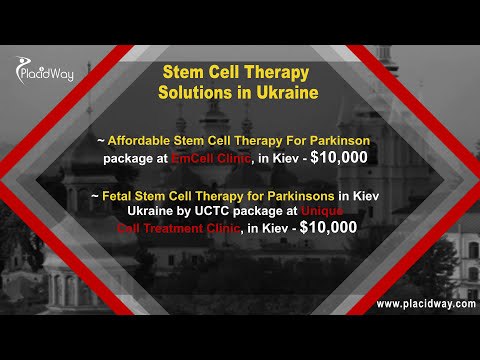







.png)


Share this listing