


Comprehensive Guide: Do You Suffer From Macular Degeneration?
About this guide: Millions of adults globally currently suffer from macular degeneration, navigating a silent but devastating thief of central vision. If you find yourself struggling to read fine print, recognize the faces of loved ones, or drive safely, you are not alone in this journey.
Age-related macular degeneration treatment has evolved rapidly over the last decade, transitioning from passive observation to highly advanced therapeutic interventions. We will explore the root causes of retinal deterioration, the critical differences between wet and dry variations, and the groundbreaking international therapies available today. Regaining control over your ocular health begins with understanding the complex science behind your vision and exploring the global landscape of cutting-edge eye care.
Video Chapters & Quick Navigation
Understanding the Anatomy of the Macula
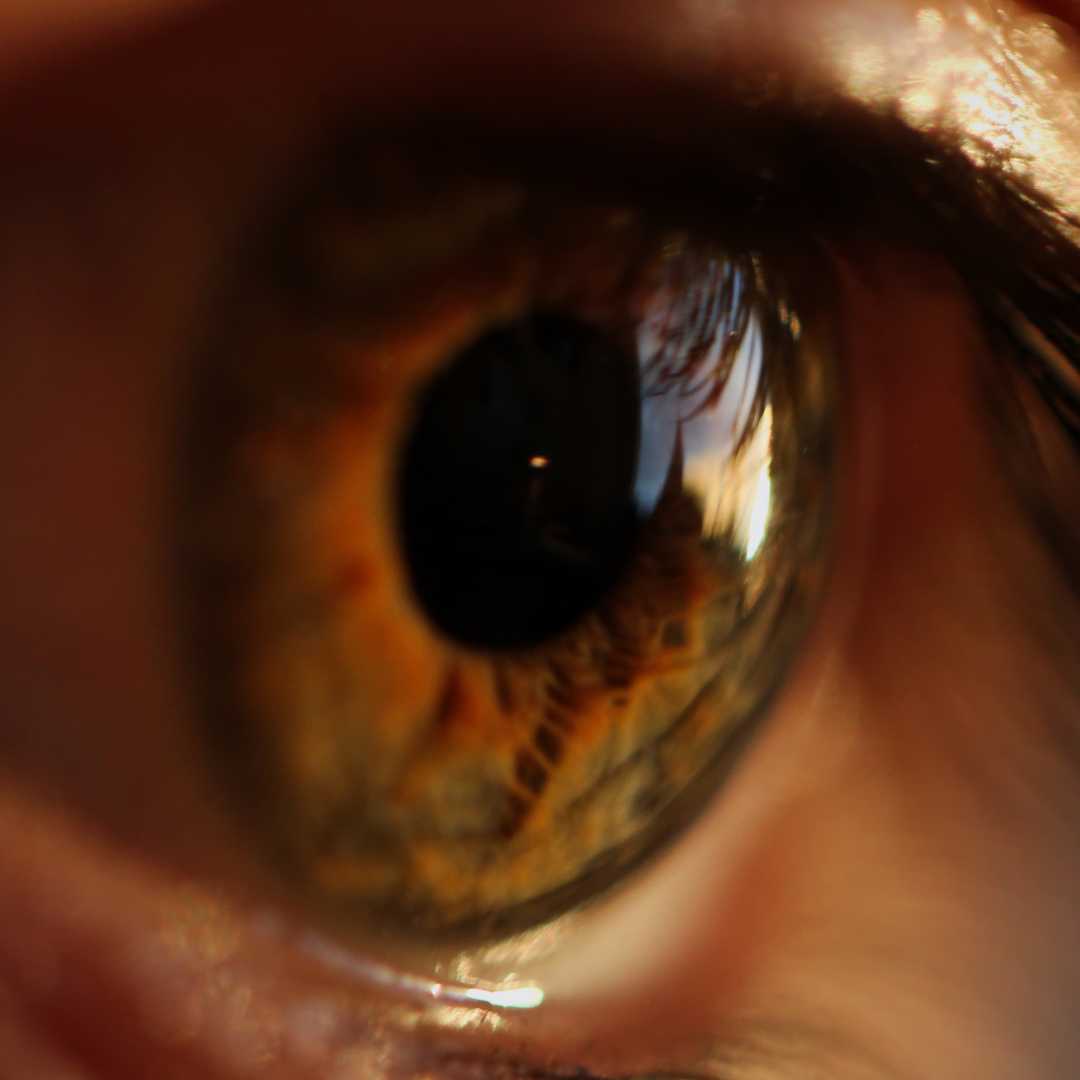
To fully grasp how age-related macular degeneration (AMD) impacts your daily life, it is crucial to understand the delicate anatomy of the human eye. The macula is a highly sensitive, oval-shaped pigmented area located near the center of the retina. Though it measures only about five millimeters in diameter, it is entirely responsible for our high-resolution, straight-ahead vision.
When light enters the eye, the lens focuses it directly onto the macula. This tiny region contains the highest concentration of photoreceptor cells, known as cones, which process color and fine details. As we age, the structural integrity of this tissue can begin to break down, leading to the devastating symptoms of macular degeneration.
As noted at in the video, damage to this specific area does not cause total blindness, but rather obliterates the central visual field. This means peripheral vision remains intact, but looking directly at an object, a face, or a computer screen becomes increasingly difficult or entirely impossible.
The Crucial Difference: Wet vs. Dry Macular Degeneration
One of the most common misconceptions among newly diagnosed patients is that all retinal deterioration follows the same path. In reality, medical professionals classify this condition into two highly distinct categories: dry AMD and wet AMD. Understanding which variation you have is the foundational step in determining your age-related macular degeneration treatment protocol.
Dry Macular Degeneration (Non-Neovascular)
Dry AMD is by far the most prevalent form, accounting for approximately 85% to 90% of all diagnosed cases worldwide. It is characterized by the gradual thinning of the macula over time. Small yellow deposits composed of lipids and proteins, known as drusen, begin to accumulate under the retina.
While a few small drusen are a normal part of aging, a high accumulation leads to the gradual starvation and death of the light-sensitive cells. The progression of dry macular degeneration is typically slow, allowing patients to retain functional vision for years before noticing severe central vision loss.
Wet Macular Degeneration (Neovascular)
Though less common, making up only 10% to 15% of cases, wet AMD is significantly more aggressive and accounts for the vast majority of severe vision loss associated with the disease. As highlighted at , this condition occurs when abnormal blood vessels begin to grow underneath the retina.
These new blood vessels are inherently fragile and prone to leaking fluid and blood into the macula. This leakage causes the macula to lift from its normal place, causing rapid and severe damage. If left untreated, wet macular degeneration can cause legal blindness in the central visual field within a matter of weeks or months.
| Feature | Dry Macular Degeneration | Wet Macular Degeneration |
|---|---|---|
| Prevalence | 85% - 90% of all cases | 10% - 15% of all cases |
| Progression Speed | Gradual (Years to Decades) | Rapid (Weeks to Months) |
| Primary Cause | Thinning macula & drusen deposits | Abnormal, leaking blood vessels |
| Initial Treatment Focus | Diet, supplements (AREDS2), lifestyle | Anti-VEGF injections, laser therapy |
Early Warning Signs and Symptoms of Vision Loss
Because the disease rarely causes physical pain, the early signs of central vision loss often go unnoticed until significant damage has already occurred. Early detection is paramount. Regular comprehensive eye exams, especially after the age of 50, are the best defense against irreversible damage.
One of the earliest and most recognizable symptoms of macular degeneration is visual distortion. Straight lines, such as door frames, telephone poles, or lines of text on a page, may suddenly appear wavy or bent. This optical illusion occurs because fluid from leaking blood vessels elevates the macula, distorting the retina's surface.
Other prevalent warning signs include a growing dark or empty spot in the center of your vision. You might also experience decreased color vibrancy, making bright colors look washed out or dull. Furthermore, a sudden requirement for brighter lighting when reading or doing close-up work is a frequent indicator of retinal fatigue and thinning.
Identifying Primary Risk Factors
While the exact trigger for why some individuals develop AMD and others do not remains a subject of intense medical research, science has identified several definitive risk factors. Age is undeniably the most prominent factor; the risk exponentially increases as individuals cross their 55th birthday.
Genetics and family history play an undeniable role. If an immediate family member suffers from macular degeneration, your statistical risk of developing the condition increases significantly. Researchers have identified several specific gene variants directly tied to retinal disease, highlighting the importance of sharing family medical histories with your ophthalmologist.
Environmental and lifestyle factors are equally critical. Smoking cigarettes drastically increases the risk of developing both wet and dry AMD by causing intense oxidative stress and restricting blood flow to the eyes. Additionally, obesity, high blood pressure, and prolonged unprotected exposure to ultraviolet (UV) sunlight are documented accelerators of retinal damage.
Advanced Diagnostic Testing for Retinal Health
When investigating how to prevent vision loss from macular degeneration, understanding the diagnostic tools available is essential. Modern ophthalmology relies on far more than just reading letters off a distant chart. Today, sophisticated imaging technology allows doctors to see microscopic changes in retinal tissue.
Optical Coherence Tomography (OCT)
An OCT scan is a non-invasive imaging test that uses light waves to take cross-sectional pictures of your retina. This allows the ophthalmologist to map and measure the exact thickness of the macula. It is exceptionally effective at identifying the hidden fluid or blood accumulation that defines wet macular degeneration.
Fluorescein Angiography
In this specialized procedure, a harmless fluorescent dye is injected into a vein in your arm. As the dye travels through the blood vessels into your eye, a specialized camera takes a rapid series of photographs. This test pinpoints exactly where abnormal blood vessels are leaking, providing a roadmap for targeted treatments.
The Nutritional Defense: Diet and Supplements
As mentioned at in our detailed breakdown, your daily diet plays a shockingly direct role in your eye health. A specialized macular degeneration diet and lifestyle can significantly slow the progression of dry AMD. The macula relies on highly specific antioxidants to protect itself from cellular damage caused by light exposure.
Lutein and Zeaxanthin are two of the most critical nutrients for retinal health. These powerful antioxidants are found in high concentrations in the macula, where they act as a natural sunblock, absorbing excess light energy. When your diet is deficient in these nutrients, your eyes lose their natural defense mechanisms.
- Leafy Green Vegetables: Spinach, kale, and Swiss chard are incredibly rich sources of lutein and zeaxanthin.
- Omega-3 Fatty Acids: Cold-water fish like salmon, mackerel, and sardines help reduce systemic inflammation in the retinal blood vessels.
- Zinc and Vitamin C: Found in citrus fruits, nuts, and beans, these nutrients support the immune system and protect eye tissue from oxidative stress.
For patients with intermediate or advanced dry AMD, doctors frequently recommend the AREDS2 supplement formula. Based on the extensive Age-Related Eye Disease Study, this specific formulation of vitamins and minerals has been clinically proven to reduce the risk of dry AMD progressing to the more severe wet form by roughly 25%.
Conventional Therapies for Macular Degeneration
While there is currently no outright cure for macular degeneration, modern medicine has developed highly effective ways to halt its progression. For decades, a diagnosis of wet AMD meant inevitable blindness. Today, pharmacological interventions have completely changed the landscape of age-related macular degeneration treatment.
Anti-VEGF Injections
The primary treatment for wet AMD involves medications injected directly into the eye. These drugs block a specific protein called Vascular Endothelial Growth Factor (VEGF). The body naturally produces VEGF to stimulate the creation of new blood vessels, but in wet AMD patients, this process is hyperactive and destructive.
By neutralizing this protein, anti-VEGF injections stop the growth of abnormal blood vessels, halt leakage, and in many cases, actually allow patients to regain some lost vision. While the idea of an eye injection causes anxiety for many, the procedure is performed under local anesthesia and is generally painless. Patients usually require these injections regularly, sometimes every month, to maintain their vision.
Photodynamic Laser Therapy
In specific cases, ophthalmologists may utilize photodynamic therapy. This involves injecting a light-sensitive drug into the bloodstream, which then travels to the abnormal blood vessels in the eye. A cold laser is then shone into the eye, activating the drug to systematically destroy the leaking vessels without damaging the surrounding healthy retinal tissue.
The Frontier of Regenerative Medicine and Stem Cells
As conventional treatments focus on symptom management and halting progression, the future of eye care lies in reversing the damage entirely. Stem cell therapy for macular degeneration represents the most exciting and actively researched frontier in modern ophthalmology.
Discussed at , regenerative medicine seeks to replace the dead or dying Retinal Pigment Epithelium (RPE) cells that define advanced dry AMD. Researchers are utilizing human embryonic stem cells and induced pluripotent stem cells, coaxing them in laboratories to become healthy RPE cells.
These lab-grown cells are then surgically implanted under the patient's retina. Early clinical trials have shown remarkable promise, with transplanted cells successfully surviving, integrating with the host tissue, and in some preliminary cases, improving visual acuity. While widespread commercial availability is still on the horizon in many Western countries, the pace of global research is staggering.
Why Patients Travel Abroad for Advanced Eye Care
For many patients, the cost of ongoing anti-VEGF injections, cutting-edge therapies, and specialized diagnostics is financially crippling. This financial burden has led to a massive surge in medical tourism for ophthalmic care. Seeking affordable macular degeneration treatment abroad is no longer a fringe idea; it is a mainstream healthcare strategy.
Countries across Europe, Latin America, and Asia have invested billions into developing state-of-the-art medical facilities that rival or exceed those found in the United States and the United Kingdom. These international clinics are frequently staffed by internationally board-certified ophthalmologists who utilize the exact same FDA-approved medications and diagnostic imaging machines used in top-tier Western hospitals.
The core difference is the economic structure of healthcare in these regions. Patients traveling through networks like PlacidWay can often access premium eye care, including consultations, high-resolution OCT scans, and advanced therapeutic injections, at a fraction of the domestic cost. This price disparity allows patients to maintain their critical treatment schedules without risking personal bankruptcy.
Selecting the Best International Clinics
When considering crossing borders for vision treatment, thorough research and vetting are non-negotiable. It is vital to partner with specialized medical tourism facilitators who have already audited the clinics for safety, hygiene, and technological standards.
- Verify Credentials: Ensure the treating ophthalmologist holds international fellowships or board certifications in retinal surgery and disease.
- Inquire About Technology: Ask specifically if the clinic utilizes modern OCT imaging and provides recognized anti-VEGF medications like Lucentis, Eylea, or Avastin.
- Understand the Logistics: Look for comprehensive packages that assist with language translation, local transportation, and post-treatment follow-up care.
Adapting and Thriving with Low Vision
While pursuing aggressive medical treatments locally or abroad, patients must also focus on day-to-day adaptation. Suffering from macular degeneration requires emotional resilience and practical modifications to maintain independence and quality of life.
Low vision rehabilitation is a critical, yet often overlooked, component of AMD care. Occupational therapists and low vision specialists can train patients to maximize their remaining peripheral vision. They introduce tools such as handheld magnifying glasses, specialized reading glasses with built-in illumination, and large-print digital displays.
Home modifications also play a vital role in patient safety. Increasing the wattage of lightbulbs, installing under-cabinet lighting in the kitchen, and using high-contrast colors (like placing a dark coffee mug on a white table) can dramatically reduce the daily friction caused by central vision loss. Furthermore, joining support groups provides invaluable psychological comfort, connecting individuals with others who truly understand the emotional weight of a degenerative eye condition.
The landscape of retinal disease is shifting. A diagnosis of macular degeneration is no longer an absolute guarantee of total darkness. Between aggressive nutritional defense, revolutionary pharmaceutical injections, the dawn of regenerative stem cell therapy, and the global accessibility of affordable care, patients have more tools at their disposal than ever before. Protecting your vision requires proactivity, education, and the willingness to explore all medical avenues available around the world.
Take Control of Your Vision Today
Do not let the high cost of local healthcare dictate the future of your eyesight. PlacidWay connects patients with world-renowned eye care clinics globally, offering advanced, affordable treatments for macular degeneration. Let us help you find the right specialist.
GET A FREE MEDICAL QUOTE




Share this listing