


The Complete Guide to the Treatment of Autism in UCTC: Stem Cell Therapy and Neuroregeneration
The search for effective interventions for Autism Spectrum Disorder (ASD) often leaves families exhausted by limited conventional options. However, the groundbreaking treatment of autism in UCTC (Unique Cell Treatment Clinic) is shifting the global medical landscape. By utilizing advanced stem cell therapy, medical professionals are targeting the underlying neurological and immunological dysfunctions associated with autism.
This comprehensive guide explores how regenerative medicine goes beyond basic symptom management. Families traveling for specialized care are discovering profound improvements in communication, socialization, and cognitive development. Watch the video to uncover the science, protocols, and transformative potential of stem cell therapy for autism.
Video Chapters & Quick Navigation
The Complexity of Autism Spectrum Disorder (ASD)
Autism Spectrum Disorder is a multifaceted neurodevelopmental condition characterized by challenges with social skills, repetitive behaviors, speech, and nonverbal communication. The global prevalence of ASD has been steadily rising, prompting medical researchers to look beyond traditional symptom management. As highlighted at in the video, understanding the root biological causes of autism is the first step toward effective intervention.
Modern medical science acknowledges that autism is not merely a behavioral issue but a complex biological condition. Many individuals diagnosed with ASD exhibit signs of chronic neuroinflammation, immune system dysregulation, and impaired blood flow to specific regions of the brain. These physiological anomalies directly impact cognitive development and sensory processing.
The Role of Immune Dysregulation in Autism
Recent studies suggest a strong link between the immune system and the central nervous system in autistic individuals. Abnormal autoimmune responses can lead to elevated levels of pro-inflammatory cytokines in the brain. This continuous state of inflammation hinders normal neural connectivity and brain plasticity.
Addressing this immune dysregulation is a massive challenge for traditional medicine. However, it is precisely this biological crossroad where the treatment of autism in UCTC utilizing stem cell therapy has shown the most profound medical promise.
The Limitations of Conventional Autism Treatments
For decades, the standard of care for children diagnosed with autism has heavily relied on behavioral and educational interventions. While therapies such as Applied Behavior Analysis (ABA), speech therapy, and occupational therapy are vital for skill-building, they do not address the underlying physical and neurological abnormalities of the disorder.
Furthermore, pharmacological interventions often prescribed to autistic patients are primarily targeted at managing secondary symptoms. Medications may be used to control aggressive outbursts, severe anxiety, or hyperactivity. Unfortunately, these medications often carry significant side effects and do not promote cellular healing or neuroregeneration.
Parents are increasingly seeking integrative approaches that treat the body and brain at a cellular level. This growing demand has fueled the rise of medical tourism for neurodevelopmental disorders, pointing many international patients toward specialized clinics offering advanced biological treatments.
Introducing the Unique Cell Treatment Clinic (UCTC)
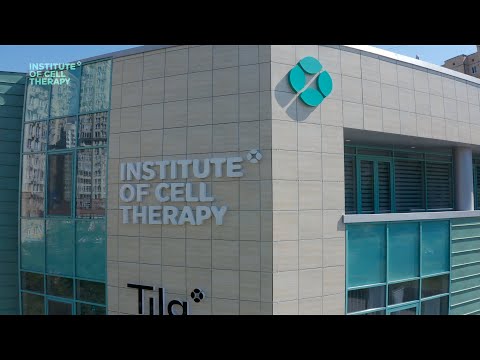
The Unique Cell Treatment Clinic (UCTC) stands at the forefront of regenerative medicine and biotechnology. Known globally for its pioneering work with fetal stem cells, UCTC has developed highly specialized protocols for treating complex neurodevelopmental and autoimmune disorders. As discussed at , the clinic's approach to autism is deeply rooted in decades of clinical research and cellular biology.
UCTC utilizes exceptionally potent and immunologically pure stem cells. Unlike adult stem cells, which may have limited differentiation potential and carry environmental damage, the cells utilized at UCTC possess an unmatched capacity for rapid multiplication and targeted tissue repair. This makes them highly effective in addressing the neurological deficits seen in Autism Spectrum Disorder.
The Global Appeal of UCTC
Families from the United States, Europe, and Asia frequently travel to UCTC because these specific cellular therapies are often unavailable in their home countries due to differing regulatory environments. The clinic provides a safe, heavily monitored, and scientifically validated environment for administering regenerative medicine.
Medical professionals at UCTC do not view stem cells as a magical cure, but rather as a powerful biological catalyst. By resetting the immune system and promoting the growth of new blood vessels in the brain, the therapy creates a fertile neurological environment where traditional behavioral therapies can suddenly become vastly more effective.
The Science: How Stem Cell Therapy for Autism Works
To truly appreciate the treatment of autism in UCTC, one must understand the biological mechanisms of stem cell therapy. When stem cells are introduced into the body of an autistic patient, they immediately begin a process known as "homing." They actively seek out areas of inflammation, tissue damage, and cellular distress.
Once they reach the damaged neurological or immunological sites, stem cells execute a multi-pronged healing strategy. They do not just replace dead cells; they act as cellular managers, releasing growth factors and signaling proteins that stimulate the body's own innate repair mechanisms.
1. Angiogenesis and Brain Hypoperfusion
Many children with autism suffer from hypoperfusion—reduced blood flow to certain areas of the brain, particularly those responsible for speech, emotional regulation, and social interaction. Stem cells secrete vascular endothelial growth factor (VEGF), which stimulates angiogenesis, the formation of new blood vessels. Improved blood flow means increased oxygen and nutrient delivery to starved brain tissues.
2. Synaptic Plasticity Enhancement
Autism is often characterized by atypical synaptic connections. Stem cell therapy helps promote neurogenesis (the birth of new neurons) and improves synaptic plasticity. This increased plasticity is critical for learning new behaviors, acquiring language skills, and adapting to sensory stimuli.
Targeting Neuroinflammation and Immune Regulation
Perhaps the most profound benefit of the treatment of autism in UCTC is the immunomodulatory effect of stem cells. As noted at , chronic neuroinflammation is a massive barrier to cognitive development in autistic patients.
Mesenchymal and fetal stem cells have a unique ability to regulate the immune system. They suppress the overactive inflammatory responses by downregulating pro-inflammatory cytokines and upregulating anti-inflammatory mediators. This biological "reset" can drastically reduce the brain fog, hyperactivity, and sensory overload that plague many children on the spectrum.
By calming the storm of inflammation in the central nervous system, patients often experience an immediate improvement in their ability to focus, make eye contact, and process their environment without extreme anxiety.
Observable Clinical Improvements After UCTC Therapy
The timeline for improvements following stem cell therapy for autism can vary based on the severity of the condition, the age of the patient, and underlying genetic factors. However, clinical data and thousands of parent testimonials highlight a consistent pattern of positive developmental shifts.
Improvements are generally categorized into cognitive, behavioral, and physical milestones. Parents frequently report that their child becomes more "present" and engaged with their surroundings within weeks of the treatment.
- Enhanced Communication Skills: Non-verbal children may begin babbling, mimicking sounds, or forming their first words. Verbal children often show improved sentence structure and a reduction in echolalia (repetitive speech).
- Improved Eye Contact and Socialization: A hallmark of successful regenerative therapy in autism is the spontaneous desire to interact. Children begin sustaining eye contact, responding to their names, and showing interest in peer play.
- Reduction in Stereotypic Behaviors: Repetitive movements, hand-flapping, and self-injurious behaviors are often significantly diminished as neuroinflammation subsides.
- Better Sleep Patterns and Digestion: Because stem cells systemic health, many parents notice a resolution of chronic gastrointestinal issues and a drastic improvement in uninterrupted sleep architecture.
The Comprehensive UCTC Patient Protocol
Traveling abroad for medical treatment requires a clear understanding of the clinical protocols involved. The treatment of autism in UCTC is a meticulously structured process designed to maximize patient safety and therapeutic efficacy.
Step 1: Thorough Medical Evaluation
Before any treatment is administered, patients undergo comprehensive diagnostic testing. This includes neurological assessments, immunological profiling, blood panels, and sometimes genetic screening. The medical team at UCTC tailors the exact dosage and administration method based on these individualized results.
Step 2: The Administration of Stem Cells
The actual stem cell administration is a minimally invasive procedure, usually completed over a span of two to three days. Cells are typically introduced via intravenous (IV) drip and subcutaneous injections. The process is generally painless, though mild sedation may be used for younger or highly anxious patients to ensure their comfort.
Step 3: Post-Treatment Monitoring
Following the administration, patients are monitored by specialized pediatricians and neurologists. The clinic provides detailed discharge instructions, dietary recommendations, and guidelines for integrating post-therapy behavioral interventions once the family returns home.
Comparing Global Costs for Autism Treatments
The financial burden of raising a child with autism is staggering. In the United States, the lifetime cost of care, including intense behavioral therapies, specialized schooling, and medical expenses, can exceed $2 million. When evaluating the cost of stem cell therapy for autism at UCTC, it is essential to view it as an investment in biological healing rather than ongoing symptom management.
While stem cell therapy represents a significant upfront cost, it often drastically reduces the long-term dependency on intensive therapies and medications by accelerating the child's natural developmental progress.
| Treatment Type | Location | Estimated Annual/Procedural Cost | Primary Mechanism |
|---|---|---|---|
| Intensive ABA Therapy | USA / UK | $40,000 - $60,000 (Annual) | Behavioral conditioning and skill acquisition |
| Pharmacological Management | Global | $2,000 - $5,000 (Annual) | Symptom suppression (hyperactivity, anxiety) |
| Stem Cell Therapy (UCTC) | International | $10,000 - $18,000 (Per Treatment) | Neuroregeneration and immunomodulation |
| Occupational & Speech Therapy | USA / Canada | $5,000 - $10,000 (Annual) | Motor skills and language development |
Long-Term Care and Integrative Management
It is crucial to understand that stem cell therapy is not a standalone "cure" that eliminates the need for further intervention. Instead, the treatment of autism in UCTC serves as a profound physiological catalyst. By repairing the underlying neuro-inflammatory damage, the brain becomes far more receptive to learning.
This is why post-therapy care is of paramount importance. Children returning home from UCTC should immediately resume their educational and behavioral therapies. Therapists often note that children post-stem cell treatment absorb information faster, retain skills longer, and experience less frustration during learning sessions.
Nutritional and Dietary Support
In addition to behavioral therapy, specialized diets play a crucial role in maintaining the benefits of stem cell therapy. Many leading specialists recommend a gluten-free and casein-free (GFCF) diet to prevent the re-triggering of systemic inflammation. Supporting the gut-brain axis with high-quality probiotics and omega-3 fatty acids helps sustain the immunomodulatory effects achieved at the clinic.
Frequently Asked Questions About Autism Treatment at UCTC
Making the decision to pursue advanced regenerative medicine is a significant milestone for any family. Below are comprehensive answers to common inquiries regarding the treatment of autism using stem cells.
Is Stem Cell Therapy for Autism Safe?
Yes. The protocols utilized at UCTC have been rigorously refined over decades. The biological materials undergo stringent screening for viruses, bacteria, and genetic abnormalities. Because the stem cells are highly privileged immunologically, the risk of graft-versus-host disease (GVHD) or severe allergic reactions is practically non-existent in these specifically tailored treatments.
What is the Ideal Age for Treatment?
While patients of all ages can benefit from the neuro-regenerative properties of stem cells, early intervention generally yields the most dramatic results. Treating children between the ages of 3 and 8 takes advantage of the brain's highest natural state of plasticity. However, older children and young adults with ASD have also shown significant improvements in mood regulation, aggression reduction, and self-care capabilities.
How Many Sessions are Required?
The number of required sessions depends entirely on the individual child's baseline condition and their response to the initial treatment. Many families observe substantial life-changing improvements after a single comprehensive protocol. Others may choose to return for a booster session 12 to 18 months later to continue pushing developmental milestones forward.
Embracing the Future of Neuroregenerative Medicine
The shift from merely managing autism symptoms to actively repairing neurological pathways represents one of the most exciting frontiers in modern medical science. The treatment of autism in UCTC continues to provide hope for families who have exhausted traditional avenues.
By addressing the root causes of neuroinflammation, immune dysfunction, and poor cerebral blood flow, advanced stem cell therapy offers a unique opportunity to unlock a child's true potential. For parents navigating the complexities of Autism Spectrum Disorder, understanding and accessing these cutting-edge therapies could be the key to a vastly improved quality of life for their entire family.
Take the First Step Toward Neuroregeneration
PlacidWay Medical Tourism connects families with world-renowned specialists offering advanced stem cell therapy for Autism Spectrum Disorder. Discover how UCTC can help your child achieve new developmental milestones.
GET A FREE CONSULTATION


.png)








Share this listing