


Going Home with a New Body Using Gastric Sleeve in Turkey
About this guide: Struggling with severe weight loss challenges can feel like an endless, exhausting battle against your own biology. Millions of individuals are discovering that going home with a new body using gastric sleeve in Turkey is not just a medical procedure, but a complete lifestyle transformation. By combining world-class bariatric expertise with highly affordable medical tourism packages, patients are reclaiming their health. Read on to uncover how cutting-edge surgical techniques and comprehensive care abroad can permanently change your life.
Video Chapters & Quick Navigation
The Rise of Affordable Gastric Sleeve Surgery in Turkey
The global landscape of healthcare has shifted dramatically over the past decade. For many individuals suffering from obesity, accessing life-saving bariatric procedures in their home countries is hindered by astronomical costs and impossibly long public healthcare waiting lists. Going home with a new body using gastric sleeve in Turkey has evolved from a niche medical alternative into a highly sought-after, mainstream solution.
Turkey has strategically positioned itself as the premier global destination for medical tourism. The country has invested heavily in state-of-the-art medical infrastructure, ensuring that hospitals meet and exceed stringent international standards. Many of the bariatric centers located in major hubs like Istanbul, Antalya, and Izmir carry Joint Commission International (JCI) accreditation, which is the gold standard for global healthcare quality.
Furthermore, the best bariatric surgeons in Istanbul frequently hold international memberships with esteemed organizations such as the International Federation for the Surgery of Obesity and Metabolic Disorders (IFSO). These highly skilled professionals perform hundreds of laparoscopic bariatric surgeries annually. Their immense daily hands-on experience translates directly into lower complication rates, shorter surgical times, and ultimately, safer outcomes for international patients.
Understanding the Vertical Sleeve Gastrectomy
Before booking a flight, it is absolutely crucial to understand the medical mechanics of what you are undertaking. A gastric sleeve, scientifically known as a vertical sleeve gastrectomy (VSG), is a highly advanced, minimally invasive surgical procedure. During this operation, a bariatric surgeon permanently removes approximately 75 to 80 percent of the patient's stomach.
The surgery is performed laparoscopically, meaning the surgeon makes several tiny incisions in the abdomen rather than one large, open cut. Specialized surgical tools and a high-definition camera are inserted through these tiny incisions to perform the precise removal of the stomach tissue. The remaining portion of the stomach is then stapled together, transforming it from a large, expandable pouch into a narrow, banana-shaped tube or "sleeve."
This physical restriction means that the stomach can now only hold a fraction of the food it previously could. Patients feel comfortably full after eating very small portions, which naturally leads to a massive reduction in daily caloric intake. However, the sheer mechanical restriction of the stomach is only one half of the weight loss equation.
The Powerful Hormonal Shift: Defeating Ghrelin
The most profound benefit of safe weight loss surgery in Turkey goes far beyond making the stomach smaller. It fundamentally alters the patient's biological chemistry. The upper portion of the stomach, known as the fundus, is the primary area removed during a gastric sleeve procedure. This specific section of tissue is responsible for producing the vast majority of the body's ghrelin.
Ghrelin is commonly referred to as the "hunger hormone" because it is the chemical messenger that travels to your brain and triggers intense feelings of starvation and cravings. By surgically excising the fundus, the production of ghrelin plummets dramatically. Patients routinely wake up from surgery reporting that their constant, nagging physical hunger has completely vanished.
This hormonal reset is what allows patients to comfortably adhere to a low-calorie post-operative diet without the agonizing willpower struggles associated with traditional fad diets. The combination of early physical fullness and a drastic reduction in chemical hunger cues creates an incredibly powerful, dual-action mechanism for rapid and sustained weight loss.
Shattering the Financial Barrier: Turkey Gastric Sleeve Cost
The primary catalyst driving thousands of patients across borders is the immense financial relief offered by Turkish medical facilities. In the United States, patients who do not have comprehensive bariatric insurance coverage can face crippling out-of-pocket expenses. The cost of a gastric sleeve in North America regularly exceeds twenty thousand dollars, not including pre-operative testing or hospital stay fees.
Conversely, the Turkey gastric sleeve cost offers a stark, refreshing contrast without compromising on medical excellence. The economic differences in currency valuation, lower overhead operational costs, and heavy government subsidization of the medical tourism sector allow Turkish clinics to offer premium care at a fraction of Western prices. This pricing model democratizes access to life-saving healthcare.
To provide clear perspective on the financial advantages, consider the global cost comparison below. These figures represent the average out-of-pocket costs for uninsured or self-paying patients seeking bariatric surgery in various countries.
| Country | Average Estimated Cost (USD) | Wait Times |
|---|---|---|
| United States | $15,000 - $25,000+ | 3 to 6 Months |
| United Kingdom (Private) | $10,000 - $14,000 | 1 to 3 Years (NHS) |
| Canada (Private) | $14,000 - $18,000 | 2 to 5 Years (Public) |
| Turkey | $3,000 - $4,500 | No Wait List |
Inside the Gastric Sleeve Turkey All-Inclusive Package
One of the most appealing aspects of traveling for surgery is the highly organized, stress-free nature of the logistics. Top-tier clinics do not just sell a surgery; they provide a comprehensive, end-to-end medical experience. A standard gastric sleeve turkey all-inclusive package is meticulously designed to handle every single detail from the moment you step off the plane.
These robust packages typically cover the entirety of your medical needs. This includes all extensive pre-operative diagnostics such as blood work, EKGs, chest X-rays, abdominal ultrasounds, and mandatory consultations with pulmonologists, cardiologists, and internal medicine specialists. It also covers the bariatric surgeon's fee, the anesthesiologist, the operating room costs, and the high-grade titanium staples used to seal the stomach.
Beyond the medical requirements, these packages cater to your comfort and mobility. Patients receive VIP airport transfers via luxury vans, ensuring a smooth ride to their accommodations. The packages generally include multiple nights in a luxury hotel for the pre-op and final recovery days, as well as the inpatient stay in a private hospital suite complete with a bed for an accompanying companion.
The Step-by-Step Patient Journey in Istanbul
Anxiety regarding medical travel often stems from a fear of the unknown. Knowing exactly what to expect day by day significantly alleviates this stress. The typical timeline for weight loss surgery abroad is highly structured, usually spanning a total of six to seven days in the country to ensure absolute medical safety.
- Day 1: Arrival and VIP Transfer. Upon landing at Istanbul or Antalya airport, a dedicated, English-speaking patient coordinator greets you. You are escorted to a VIP vehicle and transported to your luxury hotel to rest and recover from your flight.
- Day 2: Comprehensive Pre-Op Testing. You are driven to the hospital early in the morning. Here, you undergo an intensive battery of health screenings. An endoscopy is often performed to ensure the stomach lining is healthy. You will meet face-to-face with your bariatric surgeon to discuss the surgical plan and ask any final questions.
- Day 3: The Surgery Day. You are prepped for the operating room. The laparoscopic gastric sleeve procedure itself typically takes only 45 to 90 minutes under general anesthesia. You will wake up in a highly monitored recovery room before being moved to your private hospital suite.
Hospital Recovery and Nutritional Education
The immediate hours following surgery are critical for preventing complications like blood clots. Within a few hours of waking up, attentive nursing staff will assist you in standing up and taking short, slow walks down the hospital corridor. The minimally invasive nature of the laparoscopy ensures that post-operative pain is highly manageable, often feeling more like intense muscle soreness than sharp surgical pain.
During Days 4 and 5, you will remain in the hospital under close observation. A crucial step during this time is the "leak test," where you consume a specialized liquid to ensure the new staple line in your stomach is perfectly sealed and structurally sound. Once cleared, you will be introduced to your post-op clear liquid diet, starting with small sips of water and decaffeinated tea.
Before you are discharged back to your hotel, extensive nutritional counseling takes place. A specialized bariatric dietitian will provide you with a meticulous roadmap for your diet progression. You will learn the vital importance of hitting daily protein goals, staying hydrated with tiny, frequent sips, and how to properly crush or chew your essential bariatric vitamins.
Preparing Your Mind and Body for Massive Weight Loss
Choosing to undergo bariatric surgery requires immense psychological preparation. The physical surgery alters your stomach capacity, but it does not automatically rewire deep-seated emotional eating habits. Patients must be fully committed to overhauling their relationship with food to maximize their surgical tool.
Many top clinics highly recommend starting a specialized pre-op liver shrinking diet two to three weeks before flying to Turkey. This diet, consisting primarily of high-protein shakes and low carbohydrates, depletes glycogen stores and visibly shrinks the liver. A smaller liver provides the surgeon with a clearer, safer pathway to access the stomach during the laparoscopic procedure.
Mentally preparing for the concept of "dumping syndrome" is also crucial. If a patient consumes high-sugar or high-fat foods post-surgery, the food can empty too rapidly into the small intestine, causing nausea, dizziness, and cramping. Understanding these physical boundaries helps patients naturally gravitate towards whole, nutrient-dense protein sources and vegetables.
Ensuring Long-Term Success After Returning Home
The true journey of recovery after gastric sleeve surgery in Turkey begins once you board the flight home. The surgery is a powerful catalyst, but long-term maintenance relies on your strict adherence to the new lifestyle guidelines provided by your Turkish medical team. You will transition slowly from a clear liquid diet, to pureed foods, then soft foods, and finally back to a regular, albeit much smaller, solid diet over the course of several weeks.
Because your stomach is significantly smaller, your body will absorb fewer nutrients from the food you eat. Lifelong vitamin supplementation is completely non-negotiable. Patients must take specialized bariatric multivitamins, calcium citrate, iron, and sublingual B12 to prevent dangerous nutritional deficiencies, bone density loss, and extreme fatigue.
Furthermore, it is important to anticipate physical changes beyond just dropping sizes on the scale. Rapid weight loss often triggers temporary hair thinning, known as telogen effluvium, around the three to six-month mark. This is a normal physiological response to surgical stress and caloric deficit, and hair typically regrows fully as weight stabilizes. Incorporating physical strength training early on helps preserve lean muscle mass and improves skin elasticity.
The Importance of Follow-Up Care and Support
While you may be thousands of miles away from your surgeon in Istanbul, reputable clinics maintain rigorous online follow-up protocols. Dedicated aftercare teams schedule routine video calls at the one, three, six, and twelve-month marks to monitor your weight loss trajectory, review your local bloodwork results, and adjust your dietary requirements as needed.
Patients are also heavily encouraged to establish a relationship with a local general practitioner or bariatric physician in their home country prior to traveling. Having a local doctor who is aware of your medical tourism plans ensures that you have immediate, hands-on support for routine post-operative checkups or in the rare event of a late complication.
A Permanent Commitment to Your Best Self
The decision to pursue a gastric sleeve abroad is profound. It represents a line drawn in the sand—a definitive choice to prioritize your longevity, mobility, and self-esteem over the limitations of obesity. The medical infrastructure in Turkey has made this life-altering intervention accessible, safe, and highly effective for an international audience.
By leveraging the immense benefits of medical tourism, you are not merely purchasing a surgery; you are investing in decades of reclaimed health. With thorough research, proper mental preparation, and strict adherence to post-operative guidelines, the dream of slipping into new clothes, playing effortlessly with your children, and living free from obesity-related comorbidities is entirely within your grasp.
Ready to Transform Your Life with Gastric Sleeve in Turkey?
Don't let exorbitant healthcare costs stand in the way of your health and happiness. PlacidWay connects you with Turkey's elite, JCI-accredited bariatric centers offering all-inclusive packages. Take the first step towards your new body today.
GET YOUR FREE QUOTE NOW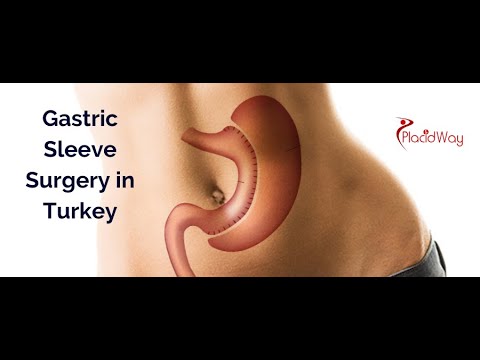


.png)
.png)
.png)
.png)




Share this listing