


Overcoming the High: Dee's Triumph Over Cocaine Addiction at CRTC in Costa Rica
Finding a way out of the darkness of severe substance abuse can feel impossible, especially when facing astronomical healthcare costs at home. Dee’s inspiring story of overcoming cocaine addiction at the Costa Rica Treatment Center (CRTC) in San Jose highlights a life-saving alternative for international patients. By choosing affordable luxury drug rehab abroad, she found world-class medical and psychological support without the financial ruin associated with local inpatient facilities. Read on to discover how highly structured, compassionate, and evidence-based cocaine addiction treatment in Costa Rica is transforming lives globally.
Video Chapters & Quick Navigation
Substance use disorders, particularly those involving powerful central nervous system stimulants like cocaine, create profound physical and psychological dependencies that are notoriously difficult to break. For many individuals battling these invisible demons, local treatment options often fall short due to exorbitant out-of-pocket costs, lack of personalized care, or proximity to familiar triggers. The landscape of mental health and addiction recovery, however, is shifting globally. Patients from the United States, Canada, and Europe are increasingly looking beyond their borders to find high-quality, inpatient drug rehab facilities that offer both medical excellence and affordability.
The Grueling Reality of Cocaine Addiction
Cocaine addiction alters the brain's fundamental chemistry, specifically targeting the dopamine reward pathways. This manipulation creates an intense, artificial euphoria that the brain rapidly begins to crave, leading to a destructive cycle of dependency. As tolerance builds, individuals find themselves needing larger amounts of the substance simply to feel normal, completely overriding their natural survival instincts and rational decision-making abilities.
The physical toll of chronic cocaine abuse is devastating, often resulting in cardiovascular complications, severe respiratory issues, and profound neurological damage. However, as noted at in the video, the psychological deterioration is equally crippling. Paranoia, severe anxiety, deep depression, and complete social isolation become the daily reality for those trapped in the cycle of substance abuse. Breaking free requires much more than mere willpower; it necessitates comprehensive, medically supervised intervention.
Unfortunately, the traditional healthcare systems in many Western countries have transformed addiction treatment into a highly lucrative, heavily corporatized industry. Patients frequently encounter revolving-door rehab centers where the primary focus is on stabilizing the patient just enough to process insurance claims, rather than providing the deep, transformative psychological care required for long-term sobriety. This systemic failure leaves many families feeling hopeless and financially drained.
Why Choose San Jose, Costa Rica for Drug Addiction Recovery?
In recent years, Costa Rica has emerged as a premier global destination for medical tourism, specifically in the specialized fields of mental health and addiction recovery. The country's capital, San Jose, is home to internationally accredited facilities that seamlessly blend advanced psychiatric protocols with the serene, healing environment of Central America. But what exactly makes Costa Rica so uniquely positioned to help individuals overcome profound addictions?
Geographical Distance from Triggers
One of the most critical advantages of seeking inpatient drug rehab abroad is the physical separation from the patient's immediate environment. Relapse triggers are heavily tied to specific locations, social circles, and deeply ingrained daily routines. By boarding a plane and traveling to a facility like the Costa Rica Treatment Center, patients instantly sever ties with the enablers and environmental cues that perpetuate their substance abuse. This physical distance provides a crucial psychological buffer, allowing the mind to reset.
World-Class Bilingual Medical Professionals
The medical infrastructure in Costa Rica is remarkably robust. Many of the psychiatrists, clinical psychologists, and addiction specialists practicing in San Jose have received their advanced training and board certifications in the United States or Europe. They are fluent in English and are intimately familiar with international standards of care. This ensures that foreign patients receive highly communicative, culturally sensitive treatment without any language barriers hindering their deeply personal therapeutic progress.
Dee's Journey: Hitting Rock Bottom and Finding International Hope
Every recovery story stems from a critical turning point, a moment of profound clarity that emerges from absolute despair. As detailed in her powerful testimonial at , Dee reached a state where the cocaine no longer provided an escape, but instead functioned as a heavy, suffocating chain. The continuous financial strain, the deterioration of deeply valued family relationships, and the terrifying decline in her physical health forced her to seek an immediate, radical change.
Seeking local treatment proved to be an incredibly discouraging endeavor. The high-quality inpatient rehab facilities in her home country demanded astronomical out-of-pocket deposits, while the affordable state-funded options suffered from severe overcrowding and a lack of individualized attention. Dee needed a program that would treat her as a whole person, addressing the underlying trauma and behavioral patterns driving her addiction, rather than just managing her acute withdrawal symptoms.
Discovering the Costa Rica Treatment Center offered a beacon of hope. The facility presented a comprehensive, evidence-based recovery program at a fraction of the cost she would have paid domestically. Making the decision to travel for medical care is never easy, especially when in a vulnerable psychological state, but the transparent communication and comprehensive logistical support provided by international patient coordinators gave Dee the confidence to take the crucial leap toward recovery.
The Evidence-Based Approach at Costa Rica Treatment Center
The success rates observed at CRTC are not accidental; they are the direct result of a highly structured, multi-disciplinary approach to addiction medicine. The clinic operates on the fundamental understanding that addiction is a complex biopsychosocial disorder. Therefore, treating it requires a meticulously balanced integration of medical science, intensive psychotherapy, and significant lifestyle modification.
Cognitive Behavioral Therapy (CBT) and Trauma Processing
At the core of Dee’s recovery program was intensive psychological counseling. Therapists at CRTC utilize Cognitive Behavioral Therapy (CBT) to help patients identify and actively dismantle the deeply ingrained thought patterns that inevitably lead to substance use. By recognizing the specific emotional states that trigger cravings, patients learn to deploy healthier coping mechanisms. Furthermore, because profound addiction is frequently rooted in unresolved psychological trauma, specialized trauma-informed care is seamlessly integrated into the weekly therapy schedule.
The Bio-Psycho-Social-Spiritual Model
As highlighted around the mark of the presentation, the center does not merely treat the physical symptoms of cocaine withdrawal. They employ a holistic model that addresses the biological damage caused by drugs, the psychological distress driving the behavior, the social environments that foster addiction, and the individual’s overarching sense of purpose. This multifaceted strategy ensures that no aspect of the patient's well-being is left unaddressed during their critical time in residential care.
Shattering the Price Barrier: The Economics of Rehab Abroad
The primary deterrent preventing most people from accessing high-quality inpatient addiction treatment is the staggering cost. In the United States, a 30-day stay at a reputable, private residential rehab center can easily bankrupt a middle-class family, with prices frequently exceeding the cost of a luxury automobile. This financial reality forces many to compromise on the quality and duration of their treatment, which drastically increases the statistical likelihood of a devastating relapse.
Costa Rica offers a radical economic alternative without sacrificing an ounce of clinical quality. The lower cost of living, combined with a highly regulated, non-predatory medical tourism sector, allows facilities like CRTC to offer premium, all-inclusive care for a fraction of North American prices. Patients receive round-the-clock medical supervision, gourmet nutrition, comfortable private or semi-private accommodations, and daily psychiatric care at highly sustainable rates.
| Treatment Aspect (30-Day Program) | Average Cost in USA/UK | Average Cost in Costa Rica |
|---|---|---|
| Standard Inpatient Rehab | $20,000 - $30,000+ | $5,000 - $9,000 |
| Luxury/Executive Rehab | $50,000 - $80,000+ | $10,000 - $15,000 |
| Medical Detoxification | $5,000 - $10,000 (Added fee) | Often Included in Package |
| Psychiatric Evaluations | $500 - $1,000 per session | Included in Monthly Rate |
The Critical Importance of Safe Medical Detoxification
Attempting to quit cocaine "cold turkey" without professional medical supervision is not only highly ineffective, but it can also be exceedingly dangerous. The acute withdrawal phase is characterized by severe psychological distress, including intense cravings, overwhelming fatigue, vivid nightmares, and a profound inability to feel pleasure (anhedonia). In severe cases, patients may experience dangerous drops in cardiovascular stability or highly erratic, suicidal ideation.
At the Costa Rica Treatment Center, the initial phase of recovery begins with a closely monitored medical detoxification process. The clinical team utilizes highly specific, FDA-approved medications to mitigate the harsh symptoms of withdrawal, ensuring the patient remains as comfortable and stable as possible. This medically managed approach is crucial because it significantly reduces the immediate urge to relapse just to escape the physical pain of withdrawal.
Furthermore, the detox phase is paired with advanced nutritional therapy. Chronic cocaine use heavily depletes the body of essential vitamins, minerals, and amino acids. By introducing targeted intravenous therapies and highly nutritious, chef-prepared meals, the body’s natural healing mechanisms are rapidly accelerated. Restoring physical vitality is the vital first step before intense psychological therapy can effectively take root.
Integrating Holistic Therapies to Rebuild a Healthy Lifestyle
Treating addiction strictly as a clinical disease often ignores the profound loss of spirit and identity that patients experience. Traditional medical interventions are immensely necessary, but true, lasting recovery requires individuals to rediscover joy, purpose, and inner peace without the use of chemical stimulants. This is where the unique environmental benefits of seeking rehab in Costa Rica truly shine.
- Mindfulness and Yoga: Patients are guided through daily practices that focus on grounding the nervous system. These techniques are highly effective in managing the severe anxiety that frequently accompanies early sobriety.
- Nature Therapy (Ecotherapy): Costa Rica is world-renowned for its immense biodiversity. Guided excursions into the lush cloud forests, therapeutic gardening, and mindful walking heavily contribute to reducing cortisol levels and restoring emotional balance.
- Fitness and Recreation: Rebuilding physical strength is deeply empowering. Access to structured fitness programs helps naturally boost dopamine and serotonin levels, counteracting the chemical deficits left behind by prolonged cocaine abuse.
As Dee reflects in the video at , it was this exact combination of strict clinical accountability and compassionate holistic healing that finally broke her mental barriers. The serene environment of San Jose provided a safe, non-judgmental sanctuary where she could honestly confront her past without the immense pressure and distractions of her normal life.
The Essential Role of Comprehensive Aftercare Planning
Graduating from a 30, 60, or 90-day inpatient rehab program is an incredible achievement, but it is not the finish line. The true test of recovery begins the moment a patient steps off the plane and returns to their home country. High-quality international rehab centers understand that transitioning back to daily life is a period of extreme vulnerability, which is why robust aftercare planning is a mandatory component of their treatment protocol.
Before Dee left the Costa Rica Treatment Center, she worked extensively with her clinical team to develop a highly detailed relapse prevention plan. This comprehensive document outlined her specific behavioral triggers, established strict boundaries regarding personal relationships, and detailed a clear, step-by-step action plan for moments when cravings felt overwhelming. Preparation is the absolute best defense against the subtle, creeping thoughts that lead back to substance use.
Moreover, modern technology has beautifully bridged the geographical gap between international clinics and their alumni. Patients receive continuous support through scheduled telehealth therapy sessions, virtual alumni support groups, and direct communication lines with their former counselors. This ongoing safety net ensures that individuals never feel isolated in their continued journey toward lifelong sobriety.
Facilitating Your Journey with Medical Tourism Experts
The prospect of traveling to Central America for intensive medical treatment can initially seem logistically daunting. Coordinating flights, understanding medical visas, evaluating clinic accreditations, and ensuring safe airport transfers are valid concerns for any patient or their deeply worried family members. This is precisely where specialized medical tourism facilitators become invaluable assets.
Organizations like PlacidWay eliminate the overwhelming stress of international medical travel. By acting as a trusted liaison between the patient and top-tier facilities like the Costa Rica Treatment Center, they ensure a seamless, fully supported experience from the initial inquiry to the final flight home. They meticulously vet the credentials of the psychiatric staff, secure the most favorable financial packages, and handle all ground logistics.
Dee’s incredible triumph over severe cocaine addiction stands as a powerful testament to the effectiveness of stepping outside one's comfort zone to seek help. Her story proves that world-class, deeply compassionate addiction treatment is accessible, affordable, and profoundly life-changing. If local options have failed you or priced you out of recovery, the healing sanctuaries of Costa Rica are ready to welcome you with open arms and evidence-based solutions.
Take the First Step Toward Lasting Recovery Today
You do not have to fight addiction alone, and you do not have to bankrupt your family to get world-class help. PlacidWay connects you with globally accredited, highly affordable luxury rehab centers in Costa Rica. Reclaim your health, your peace, and your future.
REQUEST YOUR FREE CONSULTATION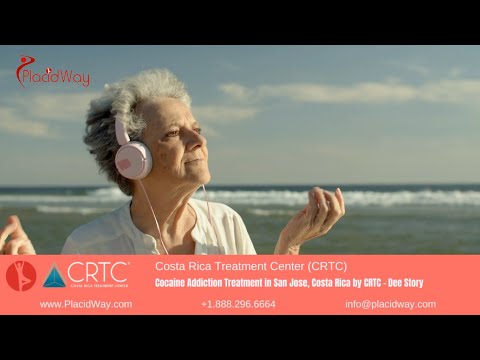





.png)

.png)

Share this listing