


The Complete Guide to Iron IV Infusions: Restoring Vitality and Overcoming Severe Anemia
Struggling with debilitating fatigue that sleep simply cannot cure? For countless individuals battling severe iron deficiency, traditional oral supplements offer little to no relief due to severe gastrointestinal side effects or poor absorption rates. Through the inspiring documentation of Vannesa Rayo Iron IV infusions have emerged as a life-changing medical intervention for patients desperate for a solution.
Intravenous iron therapy completely bypasses the digestive system to deliver essential blood-building nutrients directly into the bloodstream. This method rapidly restores depleted ferritin stores, effectively reversing chronic exhaustion, cognitive fog, and physical weakness. Watch as we break down the clinical science, the patient experience, and the incredible healing potential of modern intravenous iron supplementation protocols.
Video Chapters & Quick Navigation
Understanding Severe Iron Deficiency Anemia
Iron deficiency anemia is far more than just feeling a little tired after a long day at work. It is a systemic, cellular-level deprivation of oxygen that impacts every major organ in the human body. When your body lacks sufficient iron, it cannot produce adequate amounts of hemoglobin, the critical protein in red blood cells responsible for carrying oxygen from your lungs to your tissues.
The consequences of this physiological failure are vast and often misunderstood by general practitioners who may dismiss a patient's complaints as simple stress or aging. Patients suffering from this condition experience a profound, crushing exhaustion that sleep does not alleviate. This specific type of severe iron deficiency anemia treatment requires aggressive, targeted intervention to prevent long-term cardiovascular and neurological complications.
The Hidden Epidemic of Low Ferritin
Ferritin is a blood cell protein that contains iron, acting as a reserve tank for your body to draw upon when dietary intake is insufficient. Many patients are told their complete blood count (CBC) is normal, yet they continue to suffer from hair loss, brittle nails, restless leg syndrome, and severe brain fog. This occurs because doctors often fail to order a specific ferritin panel.
A patient's hemoglobin might still be clinging to the lower end of the normal range while their ferritin stores are completely empty. It is akin to driving a car that is technically running, but the fuel light has been flashing for miles. Addressing depleted ferritin is the primary objective of specialized intravenous iron supplementation protocols, ensuring the body has a robust reservoir of nutrients to rebuild its cellular health.
When Oral Supplements Fail
The traditional frontline approach for treating anemia is prescribing high-dose oral iron supplements, such as ferrous sulfate. However, the human digestive system is notoriously inefficient at absorbing non-heme iron. Only a fraction of the swallowed pill actually makes its way into the bloodstream, while the remaining unabsorbed iron sits in the gastrointestinal tract.
This localized irritation causes severe side effects, including intense stomach cramping, debilitating nausea, and chronic constipation. For many patients, the cure feels significantly worse than the disease itself. Furthermore, individuals with inflammatory conditions produce a hormone called hepcidin, which actively blocks iron absorption in the gut, rendering oral supplements completely useless regardless of the dosage consumed.
The Science Behind Intravenous Iron Therapy
The medical shift toward intravenous interventions represents a monumental leap forward in hematological care. By entirely bypassing the hostile environment of the digestive system, intravenous therapies guarantee 100% bioavailability of the administered dose. The medicine is delivered directly into the venous system, where it binds to transferrin and is immediately transported to the bone marrow for red blood cell production.
This direct route explains why patients report such rapid, dramatic shifts in their energy levels. Rather than waiting six to nine months for oral supplements to slowly trickle into the bloodstream, IV therapy can replenish a patient's entire iron deficit in just one or two clinical sessions. Understanding how long does an iron infusion take and its mechanism of action is crucial for patients stepping into specialized infusion centers.
Types of Intravenous Iron Formulations
Not all iron infusions are created equal. Over the past decade, pharmaceutical advancements have introduced highly stable, low-risk formulations that have revolutionized outpatient care. Older formulations, such as high-molecular-weight iron dextran, carried a higher risk of allergic reactions and have largely been phased out of modern practice.
Today, clinics predominantly utilize safer, next-generation products. Ferric carboxymaltose (often known by the brand name Injectafer) and iron sucrose (Venofer) are among the most common. These modern carbohydrate-iron complexes release iron slowly and safely into the bloodstream, minimizing the risk of free iron toxicity while maximizing cellular uptake. The choice of formulation often depends on the patient's specific medical history, insurance coverage, and the total iron deficit calculated by their hematologist.
Vannesa Rayo's Iron IV Infusion Experience
Real-world patient testimonials provide invaluable insight into the psychological and physical realities of navigating the healthcare system. The Vannesa Rayo Iron IV infusions documentation serves as a powerful testament to the necessity of advocating for one's own health. Her journey highlights the frustrating reality many women face when their chronic fatigue is repeatedly dismissed by medical professionals.
By publicly sharing the intimate details of her medical journey, she has demystified the clinical environment for thousands of anxious viewers. Her transparent look at the diagnostic process, the emotional toll of invisible illness, and the eventual triumph of finding a viable treatment plan provides a roadmap for others suffering in silence. As noted at in the documentary footage, the inability to perform basic daily tasks was the catalyst that pushed her to seek specialized hematological help.
The Turning Point: Demanding Better Care
For months, Rayo relied on standard over-the-counter remedies and heavily caffeinated beverages just to survive the workday. The turning point arrived when routine tasks, like climbing a single flight of stairs or carrying groceries, resulted in severe breathlessness and heart palpitations. These are textbook indicators that the body's cardiovascular system is working in overdrive to compensate for oxygen-starved tissues.
During her crucial specialist consultation, highlighted at , her comprehensive blood panel revealed shockingly low ferritin levels. The physician bypassed standard oral protocols entirely, recognizing that severe absorption issues were at play. This aggressive, proactive approach to treating anemia with intravenous iron is precisely what prevented further physiological decline and set her on the path to rapid recovery.
The Step-by-Step Iron IV Infusion Process
For patients who have never received intravenous medication, the prospect of sitting in an infusion clinic can trigger significant anxiety. However, the process is highly standardized, meticulously monitored, and remarkably serene. Knowing exactly what to expect during an iron infusion can alleviate pre-appointment nervousness and help patients prepare effectively for their treatment day.
Upon arriving at the clinical facility, a registered nurse will review your current vitals, including blood pressure, heart rate, and temperature. This baseline measurement is crucial for monitoring your bodily response once the medication begins flowing. Patients are then escorted to comfortable, often reclining chairs, where the nurse will locate a suitable vein—typically in the crook of the arm or the back of the hand—to insert the intravenous catheter.
The Observation Period and Drip Rate
Before the full therapeutic dose is administered, many clinics mandate a small "test dose" of the medication. This preliminary step allows the medical staff to monitor for any immediate hypersensitivity reactions or rare anaphylactic responses. Once the test phase is cleared, the nurse will set the drip rate on the IV pump to ensure the dark, rust-colored liquid enters the bloodstream at a safe, controlled pace.
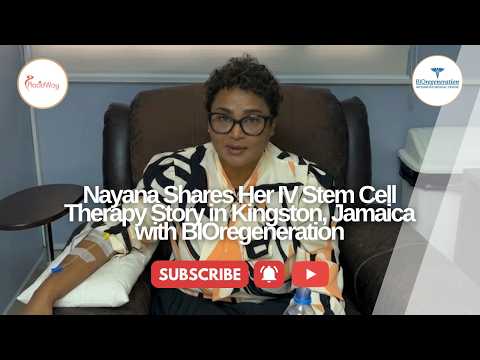
Depending on the specific brand of iron utilized and the total dosage required, the actual infusion time can vary. Rapid formulations can be completed in as little as 15 to 30 minutes, while larger dose protocols may require the patient to remain seated for up to three hours. During the drip, seen at , patients are encouraged to read, listen to podcasts, or simply rest while the medical staff performs periodic vital checks.
Comparing Iron IV Infusion Costs and Accessibility
One of the most significant barriers to accessing rapid anemia relief is the prohibitive cost of specialized medical care. The intravenous iron supplementation cost in North America and parts of Western Europe can be staggering, particularly for uninsured or underinsured patients. When out-of-pocket expenses for clinical facility fees, nursing administration, and the proprietary medication itself are combined, a single session can result in thousands of dollars in medical debt.
This financial reality forces many patients to endure the prolonged suffering of oral supplements. However, a growing awareness of global healthcare options has prompted patients to explore medical tourism and specialized international clinics to receive the exact same high-grade medications at a fraction of the domestic price. Below is a comparative look at standard anemia treatment options and their associated burdens.
| Treatment Modality | Absorption Rate | Time to Efficacy | Common Side Effects |
|---|---|---|---|
| Over-the-Counter Oral Iron | 10% - 15% | 6 to 12 Months | Nausea, Constipation, Cramping |
| Prescription Oral Iron | 15% - 20% | 3 to 6 Months | Severe GI Distress, Black Stools |
| Standard Intravenous Iron | 100% (Direct to Bloodstream) | 2 to 4 Weeks | Mild Headache, Temporary Joint Pain |
| High-Dose Rapid IV Iron | 100% Bioavailable | 1 to 3 Weeks | Hypophosphatemia risk, Flu-like symptoms |
Navigating Insurance Approvals
For those attempting to utilize traditional insurance networks, the authorization process can be agonizingly slow. Insurance providers typically require documented proof that the patient has rigorously attempted and subsequently "failed" conservative oral iron therapy over a period of several months. Only after presenting blood work showing zero improvement will the insurance company authorize the intravenous intervention.
This "fail-first" methodology leaves severely symptomatic patients in a dangerous medical limbo. Many progressive patients are now bypassing the domestic insurance bureaucracy entirely. By utilizing specialized healthcare facilitators, they can secure upfront, transparent pricing for premium IV iron formulations, expediting their recovery timeline by months and avoiding unnecessary suffering.
Managing Post-Infusion Recovery and Side Effects
While the procedure itself is highly effective, patients must be educated on the realities of iron IV infusion side effects and recovery. Unlike a caffeine rush, the energy restored from an iron infusion is not instantaneous. The body requires time to utilize the newly acquired iron to manufacture fresh, oxygen-rich red blood cells. Most patients report feeling the true transformative effects approximately two to three weeks post-infusion.
In the immediate 24 to 48 hours following the appointment, a phenomenon known as the "iron flu" is relatively common. Patients may experience mild joint aches, a low-grade headache, or general muscle fatigue as the body processes the heavy influx of minerals. These symptoms are generally mild, self-limiting, and can usually be managed with over-the-counter pain relievers and adequate oral hydration.
Monitoring Phosphorous Levels
A specific clinical consideration associated with newer, high-dose iron formulations is a condition known as hypophosphatemia, which is a temporary drop in blood phosphorus levels. Because the body is rapidly ramping up red blood cell production, it rapidly consumes available phosphorus in the bloodstream. Medical providers mitigate this risk by monitoring metabolic panels and occasionally advising patients to increase their dietary intake of phosphorus-rich foods, such as dairy, nuts, and whole grains, in the weeks following their treatment.
The profound physical awakening that occurs weeks later is often described as feeling like a dense fog has finally lifted from the brain. At , the documentation captures the stark contrast in vocal energy and physical mobility once the cellular oxygen debt has been fully repaid. The return to normal cognitive function allows individuals to reclaim their professional careers and active family lives.
Who is the Ideal Candidate for Intravenous Iron?
While anyone with low ferritin might desire the rapid fix of an IV drip, clinical guidelines strictly reserve this intervention for specific patient demographics who cannot successfully correct their deficiencies through diet or oral pills. A primary group includes individuals suffering from severe gastrointestinal malabsorption disorders. Conditions like Celiac disease, Crohn's disease, and Ulcerative Colitis physically damage the lining of the intestines, making it anatomically impossible to absorb oral iron effectively.
Similarly, patients who have undergone bariatric weight-loss procedures, such as gastric bypass surgery, have permanently altered digestive tracts. Because the primary site of iron absorption—the duodenum—is bypassed during these surgeries, lifelong intravenous nutritional support is often a strict medical requirement to prevent severe, life-threatening anemia.
Women's Health: Menorrhagia and Pregnancy
Women of childbearing age represent the largest demographic of patients seeking IV iron therapy. Conditions such as fibroids, endometriosis, and heavy menstrual bleeding (menorrhagia) cause a monthly blood loss that far exceeds what can be replaced through a standard diet. For these women, an annual or semi-annual iron infusion acts as a vital reset button, preventing a slow, compounding decline in their overall health.
Furthermore, the demands of pregnancy put immense strain on a mother's iron reserves, as the developing fetus relentlessly draws upon her ferritin stores. Severe maternal anemia increases the risk of premature birth and postpartum depression. Safe, carefully timed intravenous iron protocols administered during the second or third trimester provide rapid stabilization, ensuring both the mother and child are physiologically prepared for the trauma and blood loss associated with delivery.
Ready to Reclaim Your Energy and Vitality?
Do not let severe iron deficiency dictate your quality of life. PlacidWay connects you with globally accredited healthcare facilities offering premium, affordable intravenous therapies. Take the first step toward rapid recovery today.
GET A FREE CONSULTATION


















Share this listing