


How Much Does a Liver Transplant Cost in Turkey: A Comprehensive Patient Guide
Facing end-stage liver disease or acute liver failure is an overwhelming medical journey that demands swift, expert intervention. The search for a life-saving solution often leads patients to ask: how much does a liver transplant cost in Turkey? For decades, patients suffering from severe hepatic conditions were forced to endure multi-year waitlists or face astronomical medical bills in North America and Western Europe.
Today, Turkey has emerged as a global powerhouse for complex organ transplantation, offering unparalleled surgical expertise, zero waiting times for living donor procedures, and state-of-the-art facilities. Watch our comprehensive breakdown to discover how Turkish medical centers are saving lives by providing affordable, world-class liver transplantation services to international patients.
Video Chapters & Quick Navigation
The Global Demand for Liver Transplants in Turkey
Turkey has strategically positioned itself as one of the top three countries globally for organ transplantation. Patients traveling from the United States, the United Kingdom, the Middle East, and North Africa are increasingly choosing cities like Istanbul and Antalya for their complex medical needs. This surge is not solely driven by the affordable liver transplant cost in Turkey, but by the extraordinary survival rates that rival or exceed those in Western nations.
As noted at in the video, Turkish transplant surgeons perform thousands of successful procedures annually. Many of these specialists have trained at prestigious medical institutions in the US and Europe before returning to Turkey. They bring with them a wealth of knowledge, advanced microsurgical techniques, and a commitment to multidisciplinary patient care.
Furthermore, Turkey's healthcare infrastructure is heavily regulated by the Ministry of Health, ensuring that international standards for hygiene, patient safety, and surgical ethics are strictly maintained. For patients suffering from cirrhosis, hepatitis-induced liver failure, or biliary atresia, this combination of affordability and uncompromising quality represents a second chance at life.
Comprehensive Liver Transplant Cost Breakdown
The primary reason international patients research the liver transplant cost in Turkey is the staggering financial barrier in their home countries. In the United States, a liver transplant without adequate insurance can easily exceed $500,000 when factoring in hospital stays, surgeon fees, and donor care. Even in regions with socialized medicine like the UK or Canada, the hidden cost is time—patients often languish on waitlists for years, risking their lives as their condition deteriorates.
In Turkey, the financial landscape is vastly different. The cost of a living donor liver transplant in Turkey typically ranges between $50,000 and $85,000. This price disparity is not due to a lack of quality, but rather favorable exchange rates, lower administrative overhead, and government subsidies aimed at promoting medical tourism.
Global Cost Comparison for Liver Transplantation
| Country | Estimated Cost (USD) | Average Wait Time |
|---|---|---|
| United States | $450,000 - $600,000+ | 1 to 5 Years |
| United Kingdom | $150,000 - $200,000 (Private) | 135 to 300+ Days |
| Germany | $120,000 - $180,000 | 1 to 3 Years |
| Turkey | $50,000 - $85,000 | Zero (With Living Donor) |
As highlighted at , this transparent pricing structure ensures that patients are not hit with unexpected bills post-surgery. The affordability allows families to focus entirely on the healing process rather than financial ruin.
What the Liver Transplant Package Includes
When you book a medical tourism package for an organ transplant in Turkey through facilitators like PlacidWay, the price quoted is typically all-inclusive. Turkish hospitals understand that traveling abroad for major surgery is stressful, so they design comprehensive packages to handle every logistical and medical detail.
Standard Medical Inclusions
The core of the package revolves around the medical care for both the recipient and the donor. A single transparent price covers a vast array of services.
- Pre-Operative Screening: Comprehensive blood tests, CT scans, MRIs, cardiology assessments, and psychiatric evaluations for both patient and donor.
- The Surgery: Operating room fees, anesthesia, the lead transplant surgeon's fees, and the entire surgical team's compensation.
- Intensive Care Unit (ICU): Typically includes 2 to 5 days in a specialized sterile ICU environment immediately following the surgery.
- Standard Ward Stay: Up to 15-20 days of hospitalization for the recipient and 5-7 days for the living donor.
- Initial Medications: Essential post-operative medications, including the first round of immunosuppressants to prevent organ rejection.
Logistical and Concierge Services
Beyond the medical aspects, the top JCI-accredited hospitals provide VIP concierge services. As discussed at , international patient departments assign a dedicated coordinator who speaks your native language. This package often includes VIP airport transfers, assistance with medical visa applications, and sometimes even nearby hotel accommodations for accompanying family members.
Living Donor Laws and Ethical Regulations in Turkey
A critical factor for international patients seeking a liver transplant in Turkey is understanding the legal framework surrounding organ donation. Unlike local citizens, foreign patients cannot be placed on the national deceased donor waiting list in Turkey. Therefore, international patients must bring a living donor with them.
The Turkish Ministry of Health has implemented strict, ethical guidelines to prevent organ trafficking and ensure the safety of all parties. The living donor must be a relative up to the 4th degree of consanguinity. This includes parents, siblings, children, grandparents, aunts, uncles, and cousins. Spouses are also eligible donors.
The Ethical Committee Review
In cases where the donor is a close friend or a non-relative, the case must be presented to an independent Turkish Medical Ethical Committee. This committee rigorously interviews both the donor and the recipient to ensure the donation is completely voluntary, altruistic, and devoid of any financial coercion. Only after their strict approval can the surgery proceed.
World-Class Liver Transplant Centers in Turkey
Turkey is home to some of the most technologically advanced hospitals in the world, many of which hold the prestigious Joint Commission International (JCI) accreditation. This accreditation is the gold standard in global healthcare, signifying that the hospital meets or exceeds the safety and quality metrics found in top US hospitals.
Leading Medical Groups
Hospitals such as Memorial Healthcare Group, Ac?badem Health Point, and Florence Nightingale Hospital are internationally recognized for their hepatology and organ transplant departments. These institutions utilize state-of-the-art infrastructure, including HEPA-filtered operating theaters, advanced 3D modeling for surgical planning, and dedicated organ transplant ICUs.
At , the video highlights how these leading centers utilize a multidisciplinary approach. Your case is not handled by a single doctor, but by a specialized board comprising hepatologists, transplant surgeons, anesthesiologists, radiologists, and infectious disease specialists. This collaborative effort ensures that every possible complication is anticipated and managed.
The Rigorous Pre-Operative Evaluation Process
Before any incisions are made, both the recipient and the potential living donor must undergo an exhaustive medical evaluation. This phase typically takes 3 to 5 days upon arrival in Turkey. The goal is to confirm blood type compatibility, assess the anatomical suitability of the donor's liver, and ensure both individuals are physically and psychologically fit for major surgery.
The donor undergoes high-resolution CT scans to map the biliary tract and blood vessels of the liver. The liver is a unique organ with the remarkable ability to regenerate; a healthy donor can give up to 60-70% of their liver, and both the donated portion and the remaining portion will grow back to normal size within a few months.
However, the surgical team must calculate the precise volume of liver tissue needed by the recipient while ensuring enough remains for the donor to maintain normal hepatic function. If any red flags appear during this evaluation—such as fatty liver disease in the donor or severe, untreated cardiovascular issues in the recipient—the medical board may delay or cancel the procedure for safety reasons.
Innovative Surgical Techniques and Advancements
The actual liver transplantation is a highly complex, simultaneous dual-surgery. Operating on a living donor and a critically ill recipient at the same time requires two highly skilled surgical teams working in tandem. The procedure can take anywhere from 8 to 14 hours.
Minimally Invasive Donor Surgery
Historically, liver donation required a massive abdominal incision, leading to long recovery times and significant scarring. Today, top Turkish surgeons are pioneers in minimally invasive and laparoscopic donor hepatectomy. As detailed at , this approach involves making small keyhole incisions and using high-definition cameras to extract the liver lobe.
For the donor, this means significantly less post-operative pain, a lower risk of wound infection, and a much faster return to normal life. The recipient surgery remains an open procedure, as the diseased liver must be carefully removed and the new lobe meticulously grafted onto the recipient's main blood vessels and bile ducts using precision microsurgery.
Pediatric Liver Transplants
Turkey is also a leading destination for pediatric liver transplants. Children suffering from congenital conditions like biliary atresia require incredibly delicate surgical techniques. Turkish pediatric hepatology teams are world-renowned for their high success rates in treating infants and young children, offering hope to parents who have exhausted options in their home countries.
Recovery, Post-Operative Care, and Long-Term Success
The success of a liver transplant in Turkey extends far beyond the operating room; it relies heavily on world-class post-operative care. Immediately following the surgery, the patient is transferred to a highly sterile intensive care unit. Here, they are monitored 24/7 for any signs of bleeding, infection, or acute organ rejection.
Once stabilized, the patient is moved to a private recovery room. The living donor usually recovers rapidly and is discharged within a week. The recipient, however, must stay in the hospital for two to three weeks to ensure the new liver is functioning correctly and producing bile.
Immunosuppressive Therapy
To prevent the body's immune system from attacking the new liver, the recipient must begin a lifelong regimen of immunosuppressive medications. The Turkish medical team will carefully calibrate the dosage of these medications before the patient returns to their home country. They will also provide a detailed, translated medical report to hand over to the patient's local hepatologist for seamless continuity of care.
The long-term survival rates for living donor liver transplants in Turkey are exceptional, frequently exceeding 90% for the first year and remaining remarkably high over the subsequent decade. Patients who were once bedridden with severe jaundice and ascites often find themselves returning to work, traveling, and living full, vibrant lives.
Navigating the Medical Tourism Journey
Organizing a major medical procedure abroad can seem daunting, but specialized medical tourism facilitators simplify the process. Agencies help patients collate their medical records, translate them into Turkish, and submit them to multiple top-tier hospitals for a preliminary, free medical consultation. This ensures you know exactly if you are a viable candidate before booking any flights.
From securing specialized medical visas to arranging comfortable, recovery-friendly accommodation for your extended stay, the entire ecosystem in Turkey is built around supporting international patients. The affordable liver transplant cost in Turkey is a gateway to premium healthcare, allowing families to overcome life-threatening illnesses with dignity, expert care, and profound compassion.
Ready to Explore Liver Transplant Options in Turkey?
Do not let long wait times or exorbitant medical costs put your life at risk. PlacidWay connects you with JCI-accredited hospitals and world-renowned transplant surgeons in Turkey. Get a free, confidential case evaluation and customized cost estimate today.
REQUEST A FREE QUOTE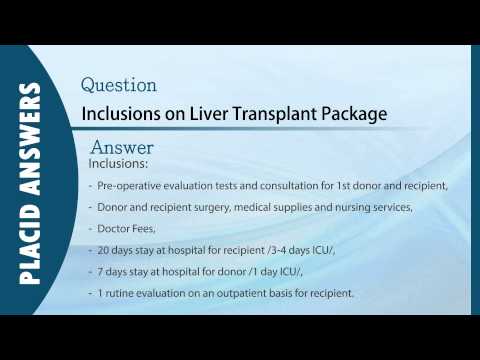

.png)







Share this listing