


Effective Gallbladder Removal Surgery in Mexicali, Mexico: Your Complete Guide
Are you suffering from debilitating abdominal pain after every meal? Discover how effective gallbladder removal surgery in Mexicali, Mexico, provides a safe, world-class, and affordable solution. For countless patients, the agony of gallstones creates a barrier to enjoying daily life, while domestic healthcare costs make treatment inaccessible. You do not have to live with the fear of your next gallbladder attack or drain your life savings for essential medical care. Watch to learn how board-certified surgeons just across the border can help you reclaim your health, offering premium laparoscopic procedures at a fraction of the cost.
Video Chapters & Quick Navigation
Understanding the Agony of Gallbladder Disease
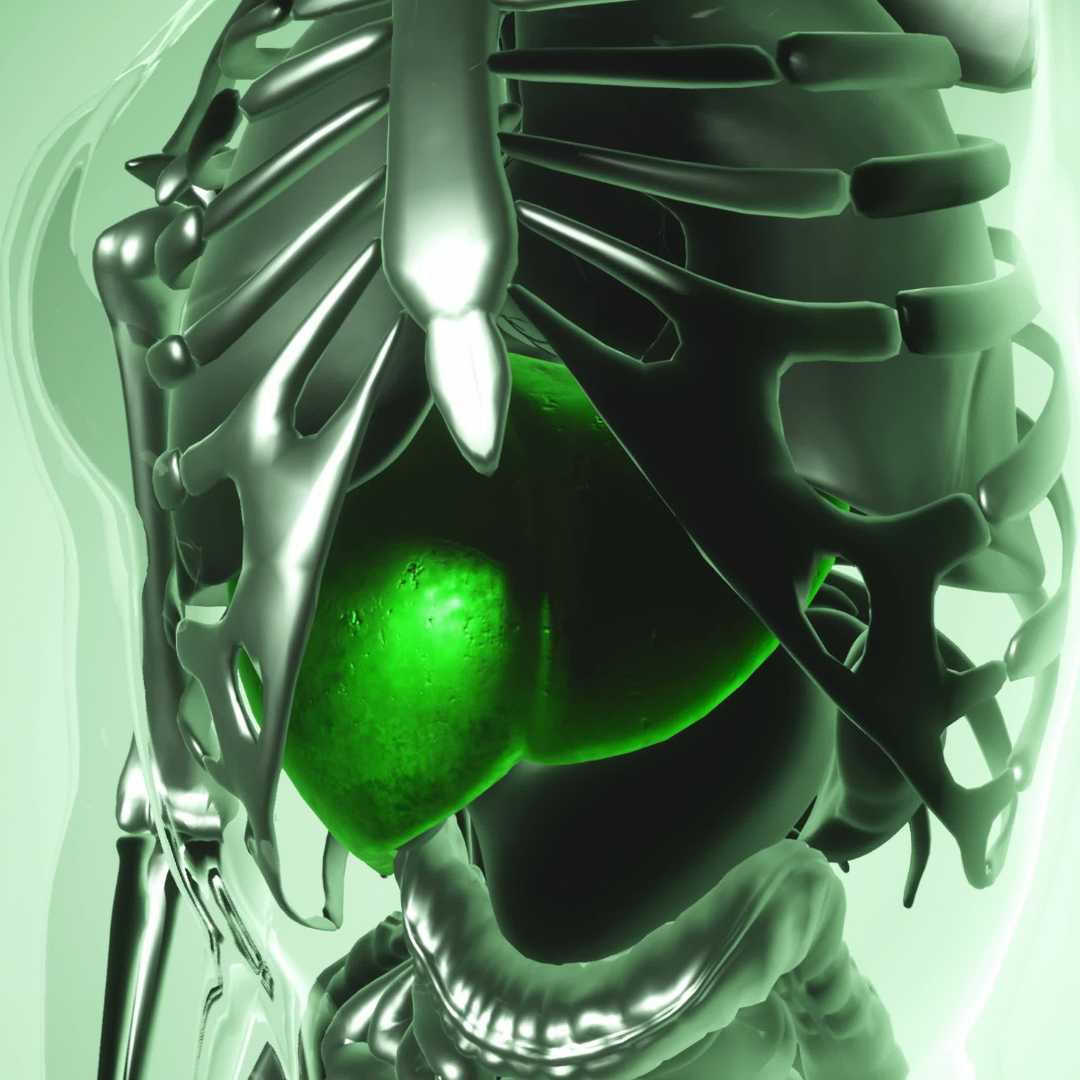
The gallbladder is a small, pear-shaped organ located just beneath the liver on the right side of your abdomen. Its primary biological function is to store and concentrate bile, a digestive fluid produced by the liver that helps the body break down and absorb dietary fats. While you can live a perfectly normal life without this organ, when it begins to malfunction, the consequences are incredibly painful and highly disruptive to your daily routine.
Gallstone disease, medically known as cholelithiasis, occurs when the substances in bile—primarily cholesterol or bilirubin—crystallize and form solid particles. These stones can range in size from a grain of sand to a golf ball []. When a gallstone blocks the cystic duct, the tube through which bile travels into the small intestine, it triggers an intense, cramping pain known as biliary colic. Patients frequently experience severe upper right quadrant pain that radiates to the right shoulder blade or the back, often accompanied by severe nausea and vomiting.
The Dangers of Delayed Treatment
Ignoring gallbladder symptoms is not just a matter of enduring discomfort; it presents significant health risks. Prolonged blockages can lead to acute cholecystitis, which is a severe inflammation of the gallbladder. If left untreated, this condition can cause the organ to become infected, necrotic, or even rupture, leading to life-threatening complications such as sepsis or peritonitis.
Furthermore, stones can migrate into the common bile duct, leading to choledocholithiasis or gallstone pancreatitis. These are medical emergencies that require immediate, highly invasive interventions. Seeking timely gallstone pain relief through professional surgical intervention is the only definitive way to eliminate these risks and restore your digestive health permanently.
Why Choose Mexicali for Gallbladder Removal Surgery?
When searching for the best medical tourism destinations for general surgery, Mexicali consistently ranks at the top of the list for North American patients. Located immediately across the border from Calexico, California, Mexicali is a thriving metropolitan hub that has heavily invested in its medical infrastructure. The city has transformed into a sanctuary for affordable healthcare without compromising on clinical excellence or patient safety.
The geographical proximity of Mexicali is a massive advantage for patients residing in California, Arizona, and Nevada. Instead of enduring long, expensive international flights, many patients simply drive to the border []. The city features specialized medical lanes at the border crossing, allowing medical tourists to bypass standard traffic and return to the United States swiftly and comfortably after their surgical procedure is complete.
State-of-the-Art Medical Facilities
The private hospitals and surgical centers in Mexicali are equipped with the latest diagnostic and surgical technology. These facilities mirror the sterile environments and high-tech operating theaters found in premium medical institutions in the United States and Canada. Many of these top-rated medical centers hold international accreditations and adhere strictly to global hygiene and safety protocols.
Medical tourism in Mexicali is built on a foundation of bilingual, highly trained healthcare professionals. The surgical teams, anesthesiologists, and nursing staff are fluent in English, ensuring that there are no communication barriers regarding your medical history, the procedure, or your post-operative care instructions. This clear communication significantly reduces patient anxiety and fosters a trusting doctor-patient relationship.
The Laparoscopic Cholecystectomy Procedure Explained
The standard of care for treating symptomatic gallstones is a procedure called a laparoscopic cholecystectomy. This is a highly advanced, minimally invasive gallbladder removal surgery that has revolutionized the way general surgeons operate. Unlike traditional open surgery, which requires a large incision across the abdomen, laparoscopy relies on precision instruments and high-definition cameras.
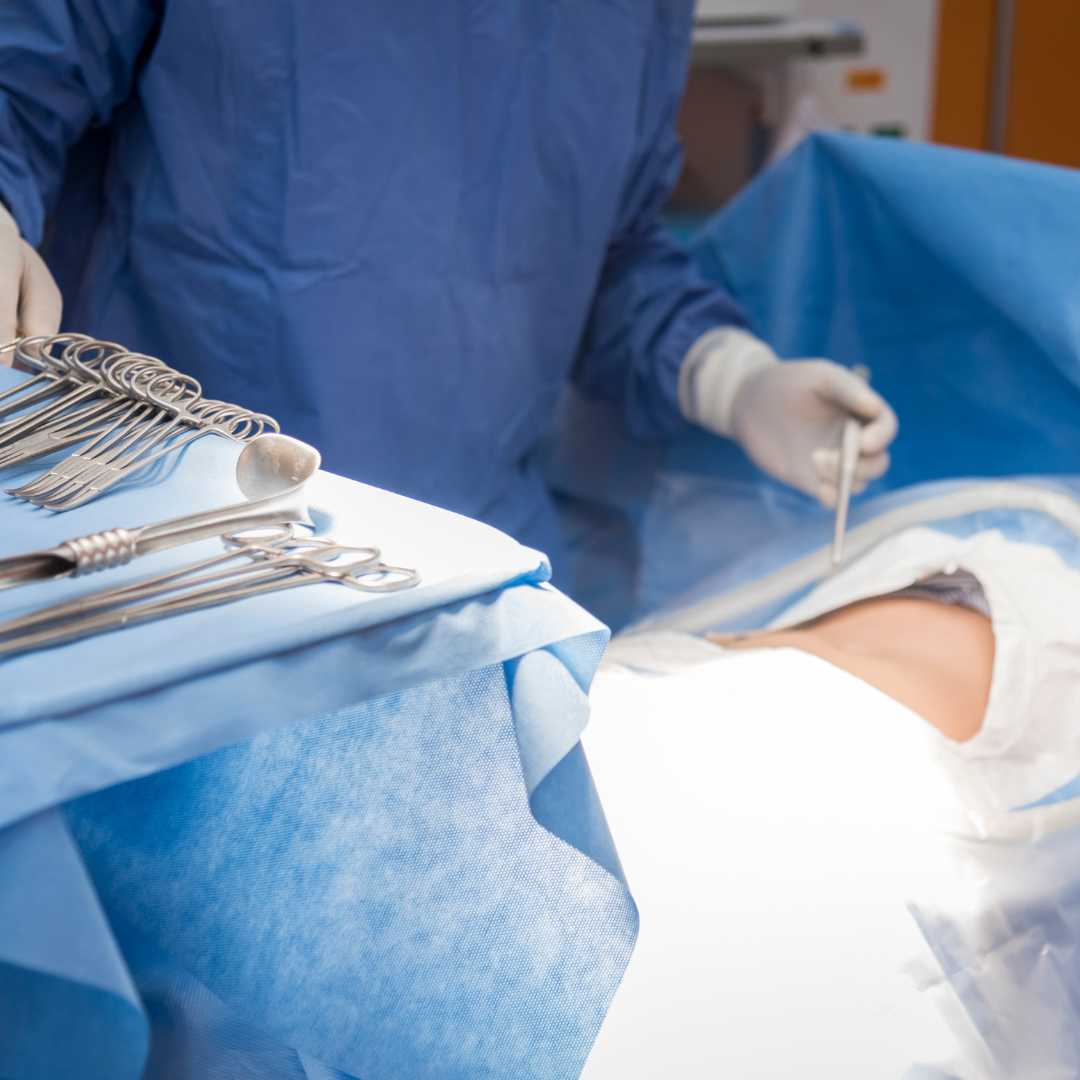
The procedure is performed under general anesthesia, ensuring that you are completely asleep and feeling no pain. The surgeon begins by making three to four tiny incisions, usually no larger than a half-inch each, in the abdomen. Carbon dioxide gas is then gently pumped into the abdominal cavity. This inflation lifts the abdominal wall away from the internal organs, giving the surgeon a clear, unobstructed workspace.
The Precision of Modern Surgery
Through one of the incisions, the surgeon inserts a laparoscope—a thin tube equipped with a powerful light and a miniature high-definition video camera. This camera projects real-time, magnified images of the internal organs onto large monitors in the operating room []. Using specialized surgical instruments inserted through the other small incisions, the surgeon carefully isolates the gallbladder from the liver and the biliary tree.
Surgical clips are placed on the cystic duct and the cystic artery to prevent bile leakage and bleeding. Once the gallbladder is safely detached, it is placed into a small retrieval bag and extracted through the umbilical incision (the belly button). Because the incisions are so small, the trauma to the abdominal muscles is minimal. This results in significantly less postoperative pain, virtually unnoticeable scarring, and a remarkably rapid recovery time compared to traditional open abdominal surgery.
Cost Analysis: Shattering the US Price Tag
The most compelling reason thousands of patients cross the border for this procedure is the extraordinary affordable gallbladder surgery cost. In the United States healthcare system, the financial burden of a laparoscopic cholecystectomy can be crippling, particularly for those who are uninsured, underinsured, or facing massive high-deductible health plans. Even with insurance, hidden fees often surprise patients weeks after their hospital discharge.
In the US, patients receive separate, highly inflated bills from the hospital facility, the lead surgeon, the anesthesiologist, the radiologist, and even the pathology lab. In contrast, the medical tourism model in Mexicali operates on a transparent, all-inclusive pricing structure. This empowers patients to know their exact financial commitment before they ever leave home, eliminating the stress of unexpected medical debt.
| Medical Service Element | Average Cost in the US | Average Cost in Mexicali |
|---|---|---|
| Surgeon & Anesthesia Fees | $6,000 - $12,000 | Included in Package |
| Hospital Operating Room | $8,000 - $15,000 | Included in Package |
| Pre-Op Diagnostics & Bloodwork | $1,000 - $2,500 | Included in Package |
| Overnight Hospital Stay | $3,000 - $6,000 | Included in Package |
| Estimated Total Cost | $18,000 - $35,500+ | $3,500 - $5,500 |
Selecting the Best Surgeons for Gallbladder Removal in Mexico
While the cost savings are undeniably attractive, patient safety and surgical outcomes must remain the highest priority. Finding the best surgeons for gallbladder removal in Mexico requires diligent research and an understanding of medical credentials. Patients should specifically seek out general surgeons who have extensive experience performing laparoscopic procedures.
It is crucial to verify that the surgeon is a fully licensed medical professional in Mexico. Look for affiliations with prestigious medical associations, such as the Asociación Mexicana de Cirugía General (AMCG) or the Consejo Mexicano de Cirugía General. Many elite surgeons practicing in Mexicali have also pursued advanced fellowships or specialized training in minimally invasive surgery in the United States, Canada, or Europe, ensuring they are well-versed in global best practices.
The Value of Facilitation Services
Navigating cross-border healthcare can seem daunting for first-time medical tourists. This is where professional facilitation services like PlacidWay become invaluable []. They conduct rigorous vetting processes to ensure that partner clinics meet stringent international standards for hygiene, technology, and patient care.
By utilizing comprehensive medical tourism packages, patients receive assistance with every aspect of their journey. This includes organizing initial virtual consultations, transferring medical records, scheduling the surgery, arranging ground transportation from the airport or border, and booking comfortable accommodations for the recovery phase. This end-to-end support allows patients to focus entirely on their health and healing.
The Patient Journey: Logistics and What to Expect
Understanding the step-by-step itinerary of your medical trip to Mexicali helps alleviate pre-surgery anxiety. The journey is designed to be streamlined, efficient, and deeply patient-centric. For most North American patients, the entire process—from arrival to departure—spans approximately three to five days, depending on the specific clinic's protocols and the individual's healing rate.
- Day 1: Arrival and Diagnostics. Upon crossing the border into Mexicali, you are transported to the medical facility. Here, you will have an in-depth, in-person consultation with your general surgeon. The medical team will conduct comprehensive preoperative testing, which typically includes a high-resolution abdominal ultrasound, an electrocardiogram (EKG), and a full blood panel to ensure you are cleared for general anesthesia.
- Day 2: The Surgical Procedure. You will arrive at the hospital fasting. The laparoscopic cholecystectomy is usually completed within 45 to 90 minutes. Following the procedure, you will wake up in a dedicated recovery room under close nursing observation. Most medical packages in Mexicali include a one-night hospital stay, allowing the medical staff to manage your immediate postoperative pain and monitor your vital signs overnight.
- Day 3: Discharge and Hotel Recovery. The morning after surgery, your surgeon will evaluate your incisions and overall condition. Once cleared for discharge, you will be transferred to a comfortable, pre-arranged local hotel. You are encouraged to walk lightly around your room to promote blood circulation and help dissipate the residual carbon dioxide gas from your abdomen.
- Day 4/5: Final Follow-Up and Departure. Before you leave Mexicali, you will have a final follow-up appointment. The surgeon will change your dressings, provide comprehensive written instructions for wound care, and issue prescriptions for pain management and antibiotics. Following this clearance, you will utilize the fast-track medical border lane to return home safely.
The Gallbladder Surgery Recovery Timeline
Because the laparoscopic approach is minimally invasive, the gallbladder surgery recovery timeline is impressively short. Most patients are able to walk unassisted within a few hours of waking up from anesthesia. However, it is entirely normal to experience some fatigue, mild incisional tenderness, and a unique phenomenon known as referred shoulder pain.
This shoulder pain is not a complication; it is a direct result of the carbon dioxide gas used to inflate the abdomen during surgery. The gas can irritate the phrenic nerve, which shares pathways with the nerves in the shoulder. This discomfort typically subsides within 48 to 72 hours as the body naturally absorbs and eliminates the harmless gas []. Over-the-counter pain relievers, prescribed analgesics, and gentle walking are the best remedies for this specific symptom.
Returning to Normal Life
Most patients who undergo laparoscopic cholecystectomy in Mexico feel well enough to return to desk jobs or light daily activities within one to two weeks. However, strict limitations are placed on physical exertion. Surgeons universally advise against lifting objects heavier than 10 to 15 pounds, engaging in strenuous cardiovascular workouts, or performing core-heavy exercises for at least four to six weeks. Adhering to these restrictions is vital to prevent complications such as incisional hernias.
Post-Surgery Dietary Adjustments for Long-Term Success
Life without a gallbladder requires some physiological adjustments. The liver still produces bile, but without the gallbladder to store and concentrate it, the bile drips continuously into the small intestine. This means that if you consume a heavily fat-laden meal, your digestive system may not have a sufficient volume of concentrated bile ready to break it down efficiently, leading to bloating, cramping, or diarrhea.
To ensure a smooth transition and avoid post-cholecystectomy gastrointestinal distress, patients must adopt specific dietary habits, especially during the first four weeks following the operation:
- Embrace Lean Proteins: Transition to skinless poultry, baked fish, tofu, and legumes. Avoid fatty cuts of red meat, heavily processed sausages, and bacon.
- Eliminate Fried Foods: Fast food, deep-fried snacks, and heavy, grease-laden meals must be strictly avoided during the initial healing phase.
- Gradually Increase Soluble Fiber: Oats, barley, and easily digestible vegetables can help normalize bowel movements. However, fiber should be introduced slowly to prevent excess gas.
- Eat Smaller, Frequent Meals: Rather than consuming three large meals, space your food intake out into five or six smaller, nutrient-dense portions throughout the day to avoid overwhelming your biliary system.
- Monitor Dairy Intake: Opt for low-fat or fat-free dairy alternatives, as heavy creams and whole milk cheeses can be difficult to digest immediately after surgery.
Over time, the human body is remarkably resilient. The bile ducts naturally dilate slightly to accommodate the continuous flow of bile, and the vast majority of patients are eventually able to return to a normal, varied, and healthy diet without any long-term restrictions or discomfort. The temporary dietary adjustments are a small price to pay for a life free from agonizing gallbladder attacks.
Ready to Reclaim Your Health in Mexicali?
Stop letting gallbladder pain control your life. PlacidWay Medical Tourism connects you with board-certified general surgeons and world-class medical facilities in Mexicali. Experience safe, minimally invasive laparoscopic surgery at a fraction of the cost you would pay at home. Let our dedicated patient coordinators handle the logistics so you can focus entirely on your recovery.
REQUEST YOUR FREE QUOTE

.png)
.png)
.png)







Share this listing