


Treatment Methods for Non Alcoholic Fatty Liver in Group Florence Nightingale Hospital
Are you seeking effective treatment methods for non alcoholic fatty liver in Group Florence Nightingale Hospital? You are not alone in facing this silent but progressive health challenge. Millions of patients globally struggle with hepatic steatosis, a condition closely tied to metabolic syndrome, insulin resistance, and obesity.
The good news is that when caught early, liver disease is highly reversible through targeted medical and lifestyle interventions. Watch this comprehensive overview to understand how world-renowned hepatologists and multidisciplinary medical teams utilize cutting-edge diagnostics and personalized care plans to restore optimal liver health and prevent long-term complications.
Video Chapters & Quick Navigation
- Understanding the Silent Epidemic of NAFLD
- Advanced Diagnostics for Liver Disease
- Nutritional Therapy and Dietary Changes
- Exercise Prescriptions for Hepatic Steatosis
- Pharmacological Treatments and Medications
- Bariatric and Endoscopic Solutions
- The Multidisciplinary Care Advantage
- Long-Term Monitoring and Prevention
Understanding the Silent Epidemic of NAFLD
Non-Alcoholic Fatty Liver Disease (NAFLD) has rapidly become one of the most prevalent liver conditions worldwide, affecting nearly a quarter of the global population. This condition is characterized by an excessive accumulation of fat within the liver cells of individuals who consume little to no alcohol. Because the liver does not have pain receptors in its internal tissue, this disease often progresses silently without presenting any immediate, noticeable symptoms.
As highlighted in the video at , many patients are completely unaware they have a compromised liver until routine blood work reveals elevated liver enzymes. Understanding the pathogenesis of NAFLD is crucial for effective treatment, as it is intrinsically linked to broader metabolic dysfunctions. Conditions such as type 2 diabetes, obesity, hypertension, and hyperlipidemia are major driving factors behind the development of hepatic steatosis.
If left untreated, simple fatty liver can progress into Non-Alcoholic Steatohepatitis (NASH), a more severe form of the disease. NASH is characterized by dangerous cellular inflammation and localized liver damage, which over time leads to the formation of scar tissue. Once extensive scarring occurs, patients are at a high risk of developing advanced liver cirrhosis or hepatocellular carcinoma, which are life-threatening conditions.
The Four Stages of Liver Progression
Recognizing the specific stage of liver disease is the first step hepatologists take when designing an individualized care plan. Each phase requires a different intensity of medical intervention and monitoring. The progression is generally classified into four distinct stages.
The initial stage is simple steatosis, where fat begins building up inside the organ but has not yet triggered an immune response. The second stage, NASH, introduces active inflammation as the body's immune system attempts to address the abnormal lipid accumulation. This inflammation is what ultimately damages healthy liver cells.
The third stage is fibrosis, where persistent inflammation causes the liver to generate fibrous scar tissue around the liver cells and blood vessels. Finally, the fourth stage is cirrhosis, representing severe, often irreversible scarring that permanently impairs liver function and architecture. Preventing the transition from fibrosis to cirrhosis is the primary goal of medical intervention.
| Disease Stage | Pathological Description | Reversibility |
|---|---|---|
| 1. Simple Steatosis | Fat accumulation in over 5% of liver cells without inflammation. | Highly Reversible |
| 2. NASH | Fat build-up accompanied by cellular inflammation and ballooning. | Reversible with Treatment |
| 3. Fibrosis | Persistent inflammation leading to the creation of fibrous scar tissue. | Partially Reversible |
| 4. Cirrhosis | Extensive, hardened scarring replacing healthy tissue. Liver function declines. | Irreversible (Management Only) |
Advanced Diagnostics for Liver Disease
Before implementing any treatment methods for non alcoholic fatty liver, an accurate and comprehensive diagnosis is required. Historically, diagnosing the exact severity of liver disease required an invasive liver biopsy, which carried risks of bleeding and discomfort. Today, top-tier medical facilities utilize non-invasive, highly precise imaging technologies to evaluate liver health.
At the center of modern diagnostics is Transient Elastography, widely known by the brand name FibroScan. As detailed at , this specialized ultrasound device measures both the stiffness of the liver and the amount of fat accumulation. It provides immediate, painless, and highly accurate quantitative data that hepatologists use to stage the disease without the need for needles.
In addition to imaging, comprehensive metabolic blood panels are drawn to assess liver enzymes such as ALT and AST. These blood tests also measure lipid profiles, fasting glucose, and insulin levels to identify underlying metabolic syndrome markers. By combining imaging data with metabolic biochemistry, doctors can pinpoint the exact root causes contributing to the patient's hepatic steatosis.
MRI-PDFF: The Gold Standard in Imaging
For patients requiring even more precise evaluations, Magnetic Resonance Imaging-Proton Density Fat Fraction (MRI-PDFF) is utilized. This advanced imaging modality is considered the non-invasive gold standard for mapping the exact percentage of fat distributed throughout the entire liver. Unlike a biopsy that only samples a tiny fraction of tissue, an MRI provides a global view of the organ.
MRI-PDFF is particularly valuable for monitoring the effectiveness of ongoing medical treatments. By taking a baseline scan and comparing it to follow-up images months later, doctors can definitively prove if a specific dietary or pharmacological intervention is successfully reducing liver fat. This precise tracking ensures that care plans are adjusted dynamically based on the patient's biological response.
Nutritional Therapy and Dietary Changes
The most proven and effective first-line treatment for managing fatty liver disease revolves around profound dietary modifications. Nutritional therapy is not about short-term fad diets; it is about establishing sustainable, lifelong eating habits that alleviate metabolic stress on the liver. Achieving a sustained caloric deficit to drive weight loss is universally recommended by clinical guidelines.
According to the experts featured at , losing just 7% to 10% of total body weight can significantly reduce hepatic inflammation and resolve early-stage fibrosis. To achieve this, patients are typically transitioned to a Mediterranean-style dietary protocol. This diet is naturally rich in antioxidants, complex carbohydrates, and essential omega-3 fatty acids, all of which actively combat cellular inflammation.
One of the most critical dietary changes is the absolute restriction of high-fructose corn syrup and added refined sugars. Fructose is metabolized almost exclusively in the liver, and excess consumption rapidly converts directly into hepatic fat through a process called de novo lipogenesis. Eliminating sugary sodas, processed baked goods, and artificial fruit juices is non-negotiable for liver recovery.
- ? Increase Omega-3 Fatty Acids: Consume wild-caught salmon, mackerel, chia seeds, and walnuts to reduce liver inflammation.
- ? Focus on High-Fiber Foods: Leafy greens, cruciferous vegetables, lentils, and oats help regulate blood sugar spikes.
- ? Opt for Lean Proteins: Choose plant-based proteins, skinless poultry, and limit heavily processed or red meats.
- ? Incorporate Antioxidants: Black coffee (without sugar) and green tea have been clinically shown to protect liver enzymes.
Exercise Prescriptions for Hepatic Steatosis
Alongside dietary changes, establishing a consistent exercise routine is mandatory for the successful reversal of fatty liver disease. Physical activity operates on a molecular level to improve systemic insulin sensitivity, which directly reduces the amount of fat the liver stores. The type, duration, and intensity of exercise all play unique roles in hepatic recovery.
Aerobic exercises, such as brisk walking, swimming, or cycling, are incredibly effective at burning visceral fat. Clinical guidelines suggest aiming for at least 150 minutes of moderate-intensity aerobic activity per week. This sustained cardiovascular effort forces the body to utilize stored hepatic lipids as an energy source, thereby draining fat from the liver cells.
Resistance training is equally vital, particularly for patients who may struggle with mobility issues or severe obesity. Building skeletal muscle mass creates a larger reservoir for circulating glucose, preventing excess sugar from being sent back to the liver to be converted into fat. A combination of both aerobic and resistance training yields the highest success rates for reversing steatohepatitis.
The Role of AMPK Activation
When you engage in vigorous physical activity, your body activates an essential enzyme known as AMP-activated protein kinase (AMPK). As discussed at , AMPK acts as a metabolic master switch inside the body. When activated by muscle contraction during exercise, it signals the liver to halt fat production and start burning existing fat for fuel.
Furthermore, regular exercise improves mitochondrial function within the liver cells. Healthy mitochondria are capable of metabolizing fatty acids much more efficiently. Therefore, a consistent workout regimen is not merely about burning calories; it is a direct pharmacological-like intervention that reprograms how the liver handles and disposes of harmful lipids.
Pharmacological Treatments and Medications
For many patients, lifestyle modifications alone are not sufficient to halt the progression of advanced liver disease, especially when genetics and severe metabolic syndrome are involved. In these instances, targeted pharmacological therapies become a critical component of the treatment plan. While the FDA is still rapidly evolving its approvals specifically for NASH, several powerful medications are currently utilized off-label with immense success.
Vitamin E supplementation has long been used for non-diabetic patients suffering from biopsy-proven NASH. Because Vitamin E is a potent antioxidant, it helps neutralize the oxidative stress and free radicals that cause cellular ballooning and liver damage. However, dosages must be strictly monitored by a hepatologist, as excessive amounts can carry secondary health risks.
Additionally, medications originally designed for type 2 diabetes are showing revolutionary benefits for liver patients. Drugs like Pioglitazone work by drastically improving insulin sensitivity in adipose (fat) tissue, which subsequently reduces the influx of toxic fatty acids into the liver. This directly helps to lower liver enzyme counts and reduce localized hepatic inflammation.
The GLP-1 Receptor Agonist Revolution
Perhaps the most exciting advancement in treating metabolic liver disease involves the use of GLP-1 receptor agonists, such as Semaglutide. Highlighted in the video at , these injectable medications delay gastric emptying and signal the brain to reduce appetite, leading to profound and sustained weight loss.
Because significant weight loss is the primary driver of liver healing, GLP-1 medications effectively treat the root cause of NAFLD. Clinical trials have demonstrated that patients utilizing these modern metabolic therapies not only lose substantial body mass but also see dramatic resolutions in NASH and a halt to the progression of liver fibrosis.
| Medication Class | Primary Mechanism of Action | Targeted Patient Profile |
|---|---|---|
| Antioxidants (Vitamin E) | Reduces oxidative stress and cellular inflammation. | Non-diabetic patients with aggressive NASH. |
| Thiazolidinediones (Pioglitazone) | Improves total body insulin sensitivity and lipid partitioning. | Patients with combined type 2 diabetes and fatty liver. |
| GLP-1 Agonists (Semaglutide) | Promotes satiety, slows digestion, and drives major weight loss. | Overweight or obese patients needing systemic metabolic repair. |
Bariatric and Endoscopic Solutions
When dietary interventions and pharmacological treatments are insufficient for morbidly obese patients, more assertive medical procedures are carefully evaluated. Bariatric surgery has proven to be one of the most effective long-term solutions for completely resolving non-alcoholic fatty liver disease. By structurally altering the digestive tract, these procedures force caloric restriction and trigger massive metabolic shifts.
Procedures such as the Gastric Sleeve or Roux-en-Y Gastric Bypass drastically reduce the volume of food a patient can ingest. More importantly, these surgeries alter gut hormones, rapidly improving insulin resistance even before significant weight loss has occurred. This dual mechanism creates an optimal internal environment for the liver to shed toxic fat rapidly.
For patients who are hesitant to undergo invasive surgery, advanced facilities offer Endoscopic Sleeve Gastroplasty (ESG). As noted at , this is a highly innovative, non-surgical outpatient procedure where the stomach is sutured from the inside using an endoscope. ESG provides excellent weight loss results and subsequent liver health improvement with a fraction of the recovery time.
The Multidisciplinary Care Advantage
Successfully treating advanced liver disease rarely relies on the expertise of a single physician. The complexity of metabolic syndrome requires a highly coordinated, multidisciplinary approach to patient care. High-tier medical institutions structure their treatments so that various specialists collaborate simultaneously to address every facet of a patient's health.
A standard medical board for a severe fatty liver case will include a hepatologist to monitor organ function, an endocrinologist to manage co-existing diabetes and hormone imbalances, and a clinical dietitian to formulate specific, actionable meal plans. Additionally, cardiovascular specialists are often involved, as patients with NAFLD are statistically at a much higher risk of experiencing cardiac events.
This collaborative framework ensures that when an endocrinologist prescribes a weight-loss medication, the hepatologist tracks how it positively impacts liver enzymes, while the dietitian adjusts macros to prevent muscle wasting. This holistic, 360-degree approach minimizes treatment gaps and dramatically elevates long-term survival and recovery rates.
Integrating Psychological Support
Changing lifelong eating habits and dealing with the stress of a chronic disease diagnosis can take a significant mental toll. Modern treatment protocols recognize that psychological well-being is heavily intertwined with physical recovery. Many specialized liver clinics now integrate behavioral therapists into their care models.
These therapists assist patients in overcoming emotional eating triggers, establishing realistic goal-setting frameworks, and maintaining the motivation required for a lifetime of medical compliance. Managing the mental health aspect of recovery often proves to be the missing link that finally enables patients to adhere to their dietary and exercise prescriptions.
Long-Term Monitoring and Prevention
Reversing fatty liver disease is a monumental achievement, but the journey does not end once normal liver function is restored. Because the genetic and environmental factors that initially caused the metabolic dysfunction still exist, NAFLD has a very high recurrence rate if healthy habits are abandoned. Lifelong vigilance and medical monitoring are absolutely vital.
Patients who have successfully cleared steatosis from their livers are still required to undergo bi-annual or annual check-ups. These follow-up appointments typically involve repeat liver enzyme panels, updated lipid profiles, and routine FibroScan imaging to ensure the liver remains soft and fat-free. Catching any minor relapse early allows doctors to make swift, minor adjustments rather than starting over.
Ultimately, treating non-alcoholic fatty liver disease requires a proactive mindset. Through a combination of precise diagnostics, customized dietary plans, advanced pharmacotherapy, and rigorous medical oversight, patients can protect their liver from cirrhosis. Embracing these multifaceted treatment methods guarantees a healthier, more vibrant future.
Ready to Take Control of Your Liver Health?
Don't let silent liver disease dictate your future. Connect with the world's leading hepatologists and discover personalized, multidisciplinary treatment methods designed to reverse fatty liver disease safely and effectively.
REQUEST YOUR FREE CONSULTATION TODAY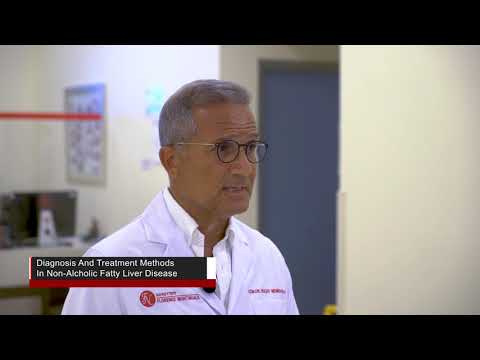


.png)


.png)
.jpg)



Share this listing