


Preserve Your Fertility: Egg Freezing in Panama Made Easy
Time is the one element of human biology we cannot negotiate with, but modern reproductive medicine offers a remarkable way to pause the biological clock. If you are looking to preserve your fertility, egg freezing in Panama made easy is the ultimate solution for proactive women seeking high-quality care without the exorbitant price tag. As the global demand for oocyte cryopreservation skyrockets, many individuals find themselves completely priced out of their local healthcare markets.
Panama has rapidly emerged as a premier destination for fertility tourism, combining state-of-the-art reproductive endocrinology with highly accessible pricing. Women from the United States, Canada, and Europe are discovering that taking control of their reproductive future does not require draining their life savings. By blending world-class medical expertise with a restorative, tropical environment, Panama offers a seamless and highly advanced pathway to safeguarding your future family planning.
Video Chapters & Quick Navigation
Understanding the Biological Clock and Empowerment
The conversation surrounding female fertility has shifted dramatically over the past decade. Historically, women felt immense pressure to start families before they were financially, emotionally, or professionally ready, simply to beat the biological clock. Today, affordable oocyte cryopreservation abroad offers an unparalleled level of personal and professional empowerment. Women are no longer forced into making rushed life decisions.
From a biological standpoint, a woman is born with all the eggs she will ever have. As highlights, both the quantity and the chromosomal quality of these eggs begin to decline more rapidly after the age of 30, with a significant drop occurring after age 35. This natural decline in ovarian reserve makes conceiving naturally more challenging as time goes on.
By undergoing fertility preservation for career women or those prioritizing personal growth, patients can extract and freeze their eggs at their peak biological quality. When these eggs are thawed years later for In Vitro Fertilization (IVF), they retain the exact biological age they had on the day they were frozen. This scientific reality drastically increases the chances of a successful, healthy pregnancy later in life.
The Role of Anti-Mullerian Hormone (AMH)
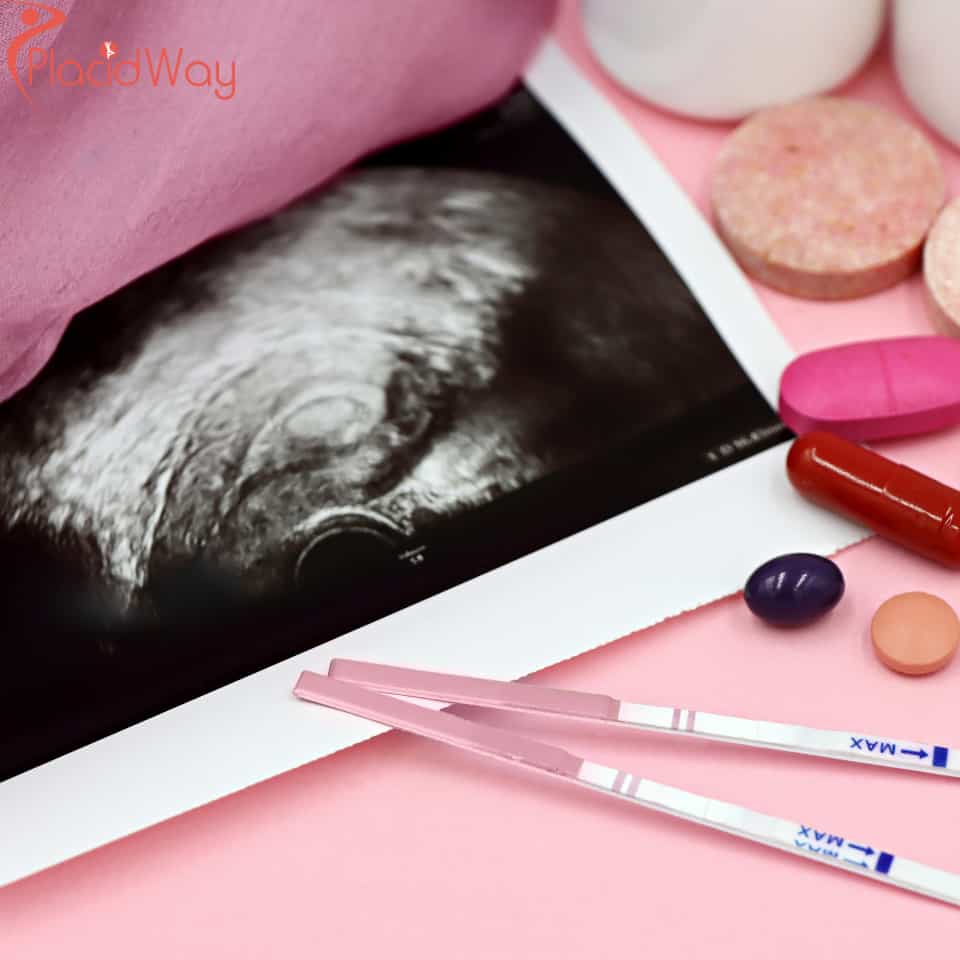
Before any treatment begins, fertility specialists will typically assess your Anti-Mullerian Hormone (AMH) levels. This specific hormone is secreted by the ovarian follicles and serves as a highly reliable indicator of a woman's remaining egg supply. Alongside an antral follicle count (AFC) conducted via ultrasound, these diagnostics help doctors tailor the exact hormonal dosage needed for an optimal retrieval cycle.
Understanding these metrics is vital. It allows the reproductive endocrinologist to ensure the ovaries are stimulated safely, preventing conditions like Ovarian Hyperstimulation Syndrome (OHSS), while maximizing the number of mature eggs retrieved during a single cycle.
Why Choose Panama for Your Fertility Journey?
When considering medical tourism for reproductive health, safety, proximity, and medical standards are paramount. Panama checks every single one of these boxes with flying colors. Strategically located at the crossroads of the Americas, Panama City is highly accessible. Direct flights from major North American hubs make traveling for your egg freezing cycle incredibly convenient.
As mentioned at , one of the most compelling reasons to choose the best fertility clinics in Panama is the deep integration of United States medical standards. Many of the leading reproductive endocrinologists and embryologists practicing in Panama completed their advanced fellowships and board certifications in the United States or Europe. They bring cutting-edge protocols directly to Central America.
A Seamless, Dollarized Economy
Another major advantage of seeking fertility treatments in Panama is the financial infrastructure. The country uses the US Dollar as its official currency (interchangeable with the Panamanian Balboa). This eliminates the confusion, hidden fees, and unpredictability of volatile exchange rates. Patients know exactly what they are paying for their procedures without worrying about daily currency fluctuations.
Furthermore, Panama is highly regarded for its bilingual medical staff. The anxiety of navigating complex medical terminology in a foreign language is completely removed. Consultations, consent forms, and daily monitoring appointments are conducted in fluent English, ensuring patients are fully informed and comfortable throughout the entire process.
Comprehensive Cost Analysis: Shattering the Price Tag
The primary barrier to fertility preservation in the United States, Canada, and the United Kingdom is the astronomical cost. In North America, a single cycle of egg freezing can easily range between $10,000 to $15,000. This steep price often does not even include the expensive hormonal stimulation medications or the annual storage fees, which can add thousands of dollars to the final bill.
The cost of egg freezing in Latin America, particularly in Panama, drastically alters this financial landscape. Patients can expect to pay a fraction of the North American price without ever compromising on the quality of care, laboratory standards, or the success rates of the procedure. This is the core driving force behind the surge in fertility tourism.
| Fertility Expense Component | Average Cost in USA/UK | Average Cost in Panama |
|---|---|---|
| Egg Freezing Procedure (1 Cycle) | $8,000 - $12,000 | $3,500 - $5,500 |
| Stimulation Medications | $3,000 - $5,000 | $1,500 - $2,500 |
| Annual Cryostorage Fee | $600 - $1,000/year | $300 - $500/year |
As detailed at , these massive savings allow many women to afford multiple cycles if necessary. Depending on a woman's age and ovarian reserve, doctors sometimes recommend two cycles to bank an ideal number of 15 to 20 mature eggs. In Panama, undergoing two cycles is still significantly more affordable than a single cycle in New York or Los Angeles.
The Science of Vitrification: Advanced Cryopreservation
The success of egg freezing relies entirely on the technology used in the embryology laboratory. Historically, a method known as "slow freezing" was utilized. Because human eggs are the largest cells in the body and contain a high amount of water, slow freezing often caused damaging ice crystals to form inside the cell. These crystals would act like microscopic shards of glass, severely compromising the egg's viability upon thawing.
Modern fertility clinics in Panama utilize an advanced technology called vitrification. Vitrification is an ultra-rapid flash-freezing process. The eggs are dehydrated, treated with specialized cryoprotectants (anti-freeze solutions), and instantly plunged into liquid nitrogen at a temperature of -196 degrees Celsius. This process is so incredibly fast that ice crystals have absolutely no time to form.
Unmatched Survival Rates
Thanks to vitrification, the survival rate of thawed oocytes has skyrocketed. Today, top-tier clinics report post-thaw survival rates exceeding 90%. This technological leap is precisely why the American Society for Reproductive Medicine (ASRM) removed the "experimental" label from egg freezing over a decade ago. Panama’s leading IVF laboratories use the exact same vitrification protocols, culture media, and cryogenic tanks as the most elite institutions globally.
Step-by-Step Guide to the Egg Retrieval Process
For many women, the fear of the unknown is the most daunting part of the journey. Understanding the oocyte cryopreservation process steps demystifies the experience. The protocol typically spans about two weeks, requiring patients to be in Panama for approximately 10 to 14 days. The process is highly monitored and strategically timed with your natural menstrual cycle.
1. Ovarian Stimulation
During a natural cycle, the body typically matures only one egg per month. For fertility preservation, the goal is to safely mature multiple eggs simultaneously. Beginning on the second or third day of your menstrual cycle, you will start administering daily subcutaneous hormone injections. These medications contain follicle-stimulating hormone (FSH) and luteinizing hormone (LH), prompting the ovaries to develop multiple follicles. The needles used are ultra-fine, similar to diabetic pens, making the injections highly manageable.
2. Daily Monitoring
While in Panama, you will visit the clinic every few days. The reproductive endocrinologist will perform transvaginal ultrasounds to measure the growth of the follicles in millimeters. Blood tests will also be drawn to monitor rising estrogen levels. This precise monitoring at ensures the medication dosage is perfectly calibrated, protecting your health and optimizing the egg yield.
3. The Trigger Shot
Once the ultrasounds confirm that a sufficient number of follicles have reached optimal maturity (typically between 18mm and 22mm), you will be instructed to administer the "trigger shot." This injection contains human chorionic gonadotropin (hCG) or a Lupron agonist. It induces the final maturation of the eggs and perfectly times their release. The retrieval surgery is scheduled exactly 36 hours after this crucial injection.
4. The Egg Retrieval Procedure
The actual egg retrieval is a minimally invasive, day-case procedure that takes roughly 15 to 20 minutes. You will be placed under a light intravenous anesthetic (propofol), meaning you will be completely asleep and feel no pain. The doctor uses a specialized ultrasound-guided needle, passed gently through the vaginal wall, to aspirate the fluid from each follicle. The embryologist immediately examines this fluid under a microscope to locate and isolate the eggs.
Maximizing Oocyte Quality Before Your Procedure
While modern medicine can extract and freeze your eggs, the initial quality of those eggs is largely determined by your biology and lifestyle. Fertility specialists highly recommend that women begin preparing their bodies at least 90 days prior to the retrieval cycle. This is because the life cycle of a developing follicle takes approximately three months to mature fully before it responds to stimulation medications.
Nutrition plays a foundational role in cellular health. Adopting a Mediterranean-style diet rich in antioxidants, healthy fats, lean proteins, and leafy greens can help reduce systemic inflammation. Lowering cellular oxidative stress is critical for protecting the delicate DNA integrity inside the oocytes. Hydration is equally essential, as it supports optimal blood flow to the reproductive organs.
Targeted Supplements
Many top fertility clinics in Panama will recommend starting targeted supplements to boost mitochondrial function. Coenzyme Q10 (CoQ10) is frequently prescribed because it provides cellular energy to the developing eggs, which is highly beneficial for women over the age of 30. Additionally, a high-quality prenatal vitamin containing methylated folate, Vitamin D3, and Omega-3 fatty acids creates an ideal physiological environment for robust follicle development.
Preparing for Your Medical Travel to Central America
Organizing a medical trip abroad may seem intimidating at first, but medical tourism facilitators and specialized clinics have streamlined the process entirely. Your journey typically begins from the comfort of your living room. An initial telemedicine consultation allows you to meet your Panamanian doctor, discuss your medical history, and outline a tentative timeline.
Prior to flying, your local gynecologist can perform the baseline bloodwork (AMH, FSH, Estradiol) and a pelvic ultrasound. The results are securely sent to your specialist in Panama. In many cases, the clinic can coordinate with a local pharmacy to have your first few days of stimulation medications delivered to your home, allowing you to begin the injections just before you board your flight.
Packing and Logistics
When packing for your fertility trip, comfort is absolutely key. As the ovarian stimulation progresses, your ovaries will swell significantly as they accommodate dozens of growing follicles. It is incredibly common to experience bloating that mimics early pregnancy. Pack loose-fitting dresses, comfortable sweatpants, and clothes with elastic waistbands. Panama boasts a warm, tropical climate year-round, so breathable, lightweight fabrics are essential for your comfort.
Post-Procedure Recovery and the Tourism Experience
One of the distinct advantages of undergoing egg freezing in Panama is the built-in opportunity for rest and recovery in a beautiful setting. Immediately following the 20-minute retrieval procedure, you will rest in the clinic's recovery bay for about an hour before being discharged. Most women experience mild cramping, similar to a heavy menstrual period, and a lingering sense of fullness in the lower abdomen.
Recovery is rapid. Doctors advise resting for the remainder of the retrieval day, but by the next morning, patients are generally cleared for light activities. This is where Panama truly shines as a medical tourism destination. Rather than rushing back to a stressful office environment, patients can recover while enjoying gentle walks through the historic, cobblestone streets of Casco Viejo, Panama City's UNESCO World Heritage site.
A Healing Environment
You might spend your post-retrieval days gazing at the engineering marvel of the Panama Canal, dining at world-class waterfront restaurants, or relaxing at a luxury hotel overlooking the Pacific Ocean. As highlighted at , lowering cortisol levels (stress hormones) during the recovery phase is highly beneficial. The tropical warmth and relaxed pace of Panamanian culture offer a therapeutic environment that perfectly complements your medical care.
Long-Term Storage and Legal Security
Once your eggs are successfully vitrified, they are stored in ultra-secure, vacuum-sealed cryogenic tanks filled with liquid nitrogen. These tanks are strictly monitored 24/7 with advanced digital alarm systems to ensure temperature stability. Because vitrification halts all biological activity entirely, your eggs can theoretically remain frozen indefinitely without any degradation in quality.
Panama boasts robust medical and legal frameworks governing fertility treatments. Clinics adhere to strict ethical guidelines and maintain meticulous chain-of-custody protocols, ensuring your genetic material is safe, secure, and unambiguously your property. When you are ready to use your eggs years down the line, you have two primary options. You can return to Panama for the embryo creation and embryo transfer processes, taking advantage of affordable IVF treatments. Alternatively, you can utilize specialized medical cryo-couriers to safely ship your frozen oocytes to a clinic in your home country.
Taking control of your reproductive future has never been more accessible or technologically advanced. By exploring fertility preservation for women in Latin America, you are making a profound investment in your future autonomy. You no longer have to sacrifice your life savings to protect your biological potential. Panama stands ready to offer you premium care, compassionate expertise, and the ultimate peace of mind.
Take Control of Your Reproductive Future Today
Don't let exorbitant local costs dictate your timeline. PlacidWay connects you with globally accredited fertility specialists in Panama for affordable, world-class egg freezing. Secure your peace of mind and get personalized details today.
GET A FREE QUOTE

.png)


.png)
.png)



Share this listing