


Frontline of Modern Medicine: Taking on Osteoarthritis and Diabetes with Regenerative Therapy
Welcome to the frontline of medical innovation. Regenerative therapy for osteoarthritis and diabetes is rapidly transforming the way we approach chronic disease management on a global scale. For decades, patients have been forced to rely on temporary pain relief or highly invasive surgeries to manage these debilitating conditions.
Today, cutting-edge science offers a profound alternative. By harnessing the body’s innate cellular healing capabilities, modern medical specialists are repairing damaged tissue and restoring metabolic function. Discover how advanced stem cell treatments are rewriting the rulebook for chronic illness recovery in this comprehensive breakdown of the KBS Kyoto Special.
Video Chapters & Quick Navigation
- The Dawn of Regenerative Medical Science
- The Heavy Burden of Osteoarthritis
- Stem Cell Therapy for Knee Osteoarthritis
- Confronting the Global Diabetes Crisis
- Cellular Approaches to Metabolic Disease
- The Biology of Mesenchymal Stem Cells
- The Comprehensive Treatment Process
- Comparing Traditional vs. Regenerative Care
The Dawn of Regenerative Medical Science
The landscape of global healthcare is undergoing a profound paradigm shift, moving away from simple symptom management toward root-cause healing. As highlighted in the documentary at , regenerative medicine advancements in Japan are setting new international standards. Medical professionals are no longer satisfied with merely masking pain or artificially altering blood sugar levels.
Instead, researchers are focusing on the cellular level to reverse the damage caused by chronic conditions. This innovative approach utilizes the human body’s own biological materials to trigger profound healing responses. By tapping into regenerative cellular therapies, doctors are achieving results that were considered impossible just a decade ago.
Japan’s rapidly aging population has served as a powerful catalyst for these medical breakthroughs. With a high demand for non-surgical osteoarthritis pain relief and effective metabolic treatments, Japanese medical institutions have heavily funded cellular research. This investment has yielded highly refined protocols that are now becoming available to the broader global patient population.
The Heavy Burden of Osteoarthritis
Osteoarthritis (OA) is the most common form of arthritis globally, affecting hundreds of millions of individuals and serving as a leading cause of long-term disability. The condition is characterized by the progressive degradation of the protective cartilage that cushions the ends of bones within joints. As this cartilage wears away, patients experience agonizing bone-on-bone friction, severe inflammation, and significantly restricted mobility.
The Limitations of Traditional Pain Management
For years, the standard of care for joint degeneration has been heavily reliant on pharmaceutical interventions. Patients are frequently prescribed nonsteroidal anti-inflammatory drugs (NSAIDs) or, in more severe cases, highly addictive opioid medications. As discussed at , these medications do absolutely nothing to halt the progression of the disease. They merely numb the pain while the underlying joint structure continues to deteriorate.
Furthermore, prolonged use of these heavy medications introduces a host of systemic side effects. Patients often suffer from gastrointestinal issues, cardiovascular complications, and a significantly decreased quality of life. The medical community has realized that masking the pain of osteoarthritis is an unsustainable strategy for long-term patient wellness.
The Risks of Joint Replacement Surgery
When conservative treatments fail, orthopedic surgeons typically recommend total joint replacement surgery. While often effective at eliminating bone-on-bone pain, these procedures are highly invasive and require extensive rehabilitation. Patients face risks of surgical site infections, blood clots, and complications associated with general anesthesia.
Additionally, artificial joint implants have a limited lifespan, typically lasting 15 to 20 years before requiring complex revision surgeries. For younger or more active patients, this makes joint replacement a less-than-ideal solution. The pressing need for non-surgical alternatives has driven the rapid development of regenerative joint therapies.
Stem Cell Therapy for Knee Osteoarthritis
One of the most exciting breakthroughs featured in the KBS Kyoto Special is the application of stem cell therapy for knee osteoarthritis. This minimally invasive procedure aims to halt the degenerative process and actively rebuild lost cartilage. By introducing highly concentrated, targeted regenerative cells directly into the affected joint space, doctors can completely alter the localized biological environment.
How Cellular Regeneration Works
As illustrated in the clinical footage at , mesenchymal stem cells (MSCs) act as powerful biological contractors within the knee joint. Once injected, these cells begin to secrete anti-inflammatory cytokines that rapidly reduce swelling and alleviate pain. This initial reduction in localized inflammation is critical for stopping the ongoing destruction of existing cartilage.
Following the anti-inflammatory phase, the cells exert a profound paracrine effect on the surrounding joint tissues. They release growth factors that stimulate the patient’s native chondrocytes—the cells responsible for maintaining cartilage—to begin multiplying and repairing the damaged matrix. Over a period of several months, patients often experience significant improvements in joint space width and fluid mobility.
Delaying or Avoiding Surgery Entirely
The ultimate goal of regenerative therapy for joint pain is to help patients avoid the operating table entirely. Clinical studies are increasingly showing that patients who undergo comprehensive stem cell treatments report sustained pain relief and improved mechanical function. This is a monumental shift for individuals who previously believed that invasive surgery was their only remaining option.
Many patients who were previously reliant on mobility aids or daily painkillers find themselves returning to active lifestyles. The ability to walk, hike, and participate in daily activities without agonizing pain is the true metric of success for these advanced medical protocols. It represents a restoration of independence and vitality.
Confronting the Global Diabetes Crisis
While osteoarthritis attacks the body mechanically, diabetes represents a devastating systemic metabolic failure. The global prevalence of diabetes has reached epidemic proportions, placing unimaginable strain on healthcare systems worldwide. Type 2 diabetes, driven largely by lifestyle factors and progressive insulin resistance, accounts for the vast majority of these cases.
The Hidden Dangers of Long-Term Diabetes
Living with chronically elevated blood glucose levels causes insidious, microscopic damage to the body’s vascular network. As explained by the specialists at , this systemic vascular damage leads to severe long-term complications. Patients frequently suffer from diabetic neuropathy, vision loss due to retinopathy, and life-threatening chronic kidney disease.
Traditional diabetes management relies heavily on strict dietary control, oral hypoglycemic agents, and eventually, synthetic insulin injections. However, these treatments only manage the symptoms of elevated blood sugar; they do not address the underlying cellular dysfunction. Over time, the pancreas becomes exhausted, and the body’s cells become increasingly resistant to insulin, leading to an endless cycle of escalating medication dosages.
Cellular Approaches to Metabolic Disease
The application of regenerative therapy for diabetes offers a glimmer of hope for achieving true metabolic restoration. Researchers are discovering that stem cell treatments can address the root causes of both Type 1 and Type 2 diabetes. By focusing on immunomodulation and pancreatic tissue repair, medicine is moving closer to an actual reversal of these conditions.
Reversing Insulin Resistance
In Type 2 diabetes, the primary issue is the body's inability to effectively use the insulin it produces. Intravenous administration of mesenchymal stem cells has been shown to drastically reduce systemic inflammation, which is a major driver of insulin resistance. As the cellular inflammation subsides, the patient's peripheral tissues become more receptive to insulin, allowing glucose to properly enter the cells.
Furthermore, as detailed at , stem cells possess a unique homing ability that draws them to areas of tissue damage. In diabetic patients, these cells often migrate to the pancreas, where they support the survival and regeneration of beta cells. This dual action—improving peripheral insulin sensitivity while supporting pancreatic function—makes cellular therapy a powerful tool in modern endocrinology.
Addressing Diabetic Complications
Beyond regulating blood sugar, regenerative medicine is proving highly effective in treating the vascular complications associated with diabetes. Stem cells promote angiogenesis, the formation of new blood vessels, which is critical for healing diabetic foot ulcers and reversing peripheral neuropathy. By restoring blood flow and regenerating damaged nerve fibers, patients can avoid devastating outcomes like limb amputation.
The Biology of Mesenchymal Stem Cells (MSCs)
To truly understand the efficacy of regenerative therapy for osteoarthritis and diabetes, one must understand the biology of Mesenchymal Stem Cells. These multipotent stromal cells are the true workhorses of regenerative medicine. They can be safely harvested from a patient’s own bone marrow or adipose (fat) tissue, ensuring profound biocompatibility and zero risk of rejection.
- Immunomodulation: MSCs can actively communicate with the patient's immune system. They have the ability to downregulate aggressive autoimmune responses, which is particularly beneficial in conditions characterized by chronic inflammation.
- The Paracrine Effect: Rather than directly turning into new tissue, MSCs act as managers. They secrete thousands of growth factors, proteins, and exosomes that instruct the body's local cells to begin the repair process.
- Anti-Apoptotic Properties: MSCs release signals that prevent healthy, but stressed, cells from dying prematurely. This is crucial for protecting the remaining cartilage in an arthritic knee or the surviving beta cells in a diabetic pancreas.
The scientific community's understanding of MSCs has evolved dramatically over the last decade. Early theories suggested these cells physically transformed into the necessary replacement tissues. Today, as explained by the researchers at , we know their primary mechanism of action relies on complex intercellular signaling and the massive release of regenerative exosomes.
The Comprehensive Treatment Process
The journey to receiving advanced stem cell treatments for joint pain or metabolic disease is a highly regulated and personalized process. Top-tier medical facilities in Japan and worldwide follow strict protocols to ensure patient safety and maximize clinical outcomes. It is not a one-size-fits-all approach; every treatment is meticulously tailored to the individual's specific pathology.
Step 1: Evaluation and Candidacy
The process begins with a rigorous medical evaluation. Physicians review comprehensive blood panels, advanced imaging (such as MRI for osteoarthritis), and detailed medical histories. The goal is to determine if the patient has enough viable tissue remaining to respond favorably to regenerative stimulation.
Ideal candidates for regenerative osteoarthritis therapy are those in the mild to moderate stages of joint degeneration. For diabetes management, patients who are highly motivated to combine cellular therapy with strict lifestyle modifications see the most profound and lasting results.
Step 2: Harvesting and Cultivation
Once cleared, the patient undergoes a minor outpatient procedure to harvest the biological material. If autologous (self-derived) cells are used, a small sample of adipose tissue is typically extracted via a mini-liposuction procedure from the flank or abdomen. This process is relatively painless and performed under local anesthesia.
The extracted sample is then sent to a highly regulated, Good Manufacturing Practice (GMP) certified laboratory. Here, the stem cells are isolated, purified, and sometimes cultivated to reach optimal therapeutic numbers. This cultivation process ensures that the final injection contains an overwhelmingly powerful dose of regenerative cells, as showcased at .
Step 3: Precision Administration
The final step is the re-introduction of the concentrated cells back into the patient's body. For osteoarthritis, the cells are injected directly into the intra-articular space of the affected joint using advanced ultrasound guidance. This guarantees precise placement directly at the site of tissue damage.
For systemic conditions like diabetes, the cells are typically administered via an intravenous (IV) drip. This allows the immunomodulatory cells to circulate throughout the entire vascular system, seeking out areas of inflammation and metabolic distress. The entire administration process is usually completed in under an hour, allowing patients to return to their hotel or home the very same day.
Comparing Traditional vs. Regenerative Care
When evaluating stem cell therapy cost and efficacy, it is crucial to look at the long-term value compared to standard treatments. While the initial out-of-pocket investment for regenerative medicine can be higher, the avoidance of massive surgical hospital bills and lifelong pharmaceutical dependency changes the financial equation entirely.
Patients must consider the hidden costs of traditional medicine: lost wages due to extended surgical recovery, the cumulative cost of daily medications, and the immeasurable cost of a restricted lifestyle. Regenerative therapies aim to restore functionality efficiently, allowing patients to reclaim their active lives.
| Feature | Traditional Treatments | Regenerative Therapy |
|---|---|---|
| Primary Goal | Symptom management / Surgical replacement | Root-cause cellular repair and healing |
| Invasiveness | High (Joint replacements, lifelong injections) | Low (Minimally invasive IV or joint injections) |
| Recovery Time | Months of intense physical rehabilitation | Minimal downtime, often returning to work in days |
| Side Effects | High risk of infection, systemic drug toxicity | Extremely low risk, using biocompatible materials |
As the KBS Kyoto Special powerfully demonstrates, the integration of cellular science into daily clinical practice is no longer science fiction. It is a highly accessible, profoundly effective medical reality. From repairing severely degraded knee cartilage to actively reversing the metabolic dysfunctions of diabetes, these therapies represent the pinnacle of medical evolution.
The paradigm of chronic illness is being actively rewritten. By embracing these advancements, patients are stepping out of the shadows of chronic pain and metabolic decline, and stepping into a future defined by biological restoration and vitality.
Take Control of Your Health Journey Today
Stop letting chronic joint pain or metabolic disease dictate your quality of life. Discover if you are a candidate for advanced regenerative therapy and connect with world-class medical specialists offering cutting-edge cellular treatments.
REQUEST YOUR FREE MEDICAL CONSULTATION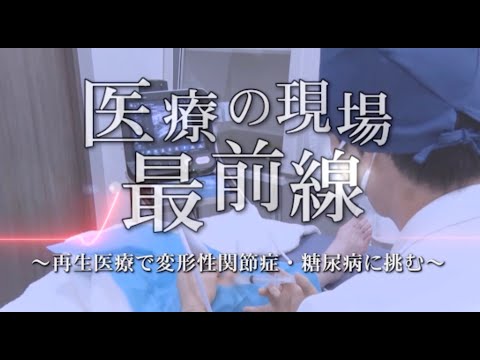









Share this listing